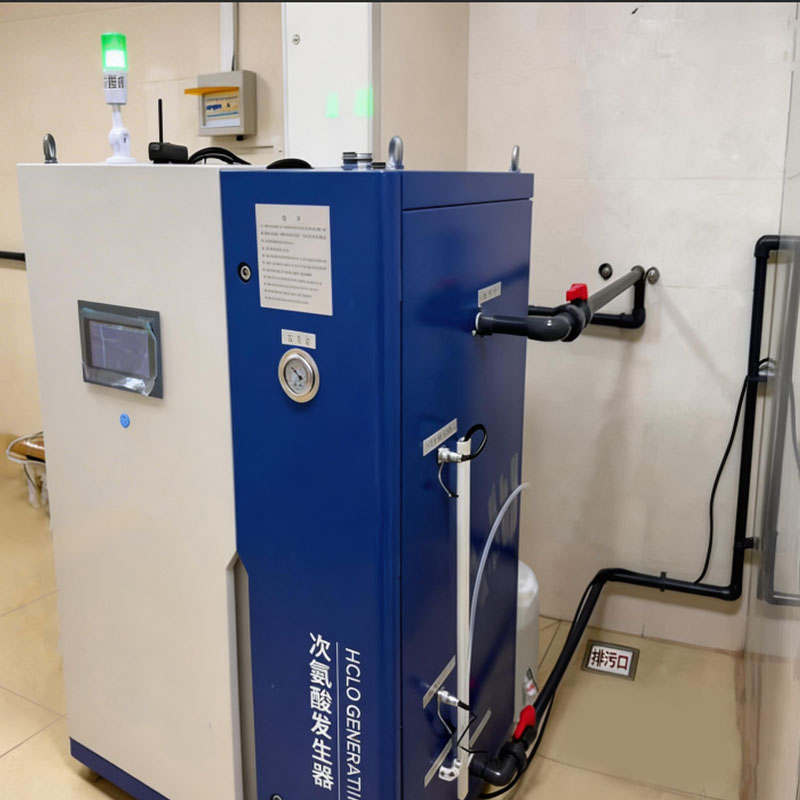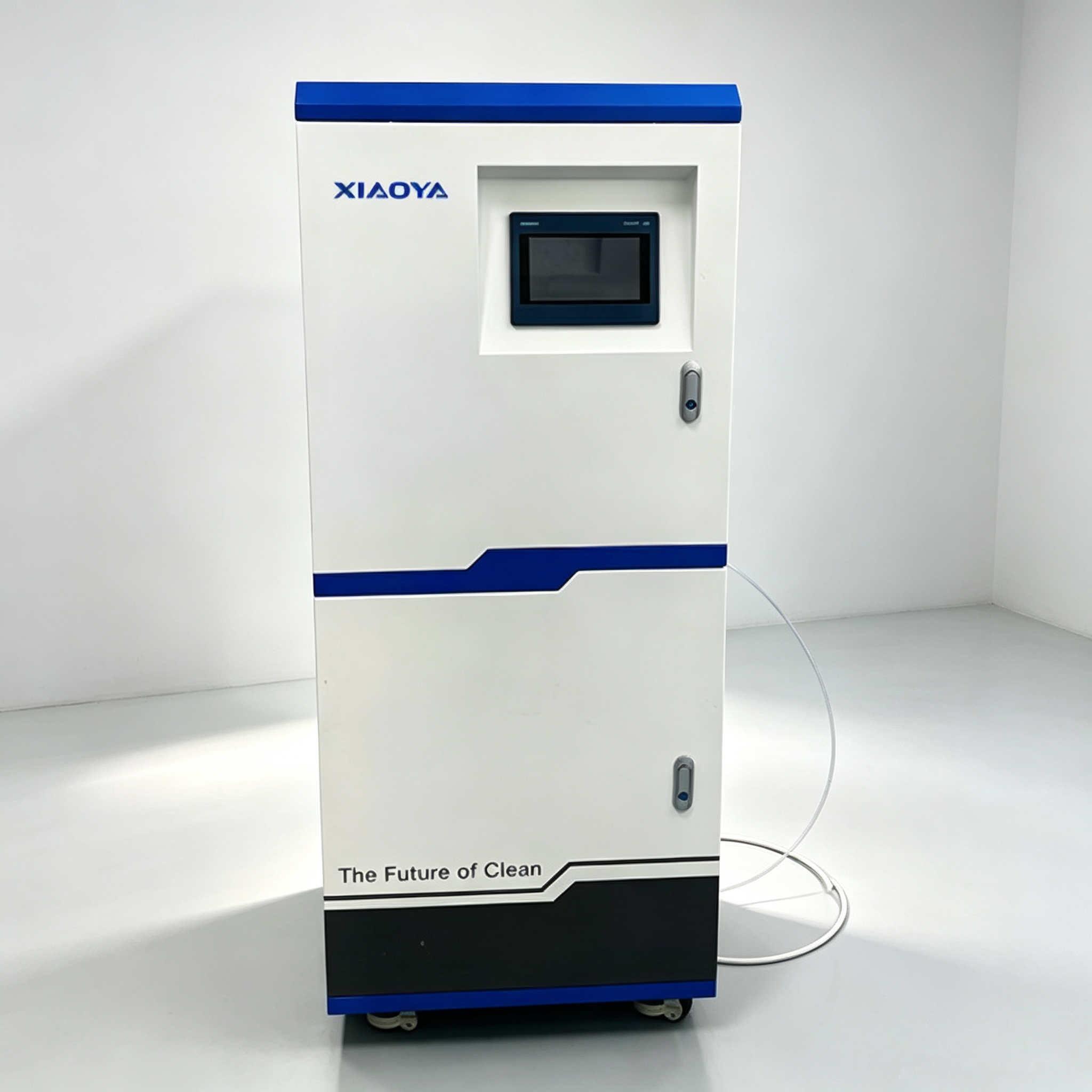




A Medical Hypochlorous Acid Generator can support on-site surface disinfection when its output meets validated requirements. It does not automatically provide sterilization for medical instruments.
For researchers comparing automated disinfection equipment, the key questions extend beyond generation capacity: What concentration is produced, how is it verified, and which applications have supporting evidence?
This article explains where HOCl fits within infection-control workflows, why contact time and surface compatibility matter, and what to evaluate before selecting a generator for healthcare use.
Can an HOCl Generator Replace Healthcare Sterilization Equipment?
Disinfection reduces or inactivates microorganisms on surfaces to a defined level. Its effectiveness depends on the formulation, target organisms, application method, and actual conditions of use.
Sterilization is a validated process intended to eliminate all forms of viable microorganisms, including bacterial spores. Routine surface disinfection should never be assumed to achieve this endpoint.
HOCl solutions can demonstrate activity against various microorganisms, but performance varies. A claim against one organism does not establish effectiveness against every pathogen or bacterial spore.
Even evidence of sporicidal activity does not automatically establish a validated sterilization process. Instrument sterilization requires appropriate equipment, procedures, monitoring, and compliance with applicable requirements.
The word “medical” in a generator’s description does not establish its permitted applications. Researchers must examine the generated solution’s claims and the equipment’s intended use.
Which Healthcare Applications Are Appropriate for HOCl?
Potential applications include compatible environmental surfaces such as bed rails, worktops, and examination furniture. Suitability depends on the solution’s authorized directions and the surface manufacturer’s instructions.
Noncritical equipment contacting intact skin may also require surface disinfection. However, each device’s cleaning instructions determine whether an HOCl formulation and application method are acceptable.
Critical instruments entering sterile tissue or the vascular system generally require sterilization. Semicritical devices contacting mucous membranes generally require at least high-level disinfection under applicable guidance.
An environmental surface disinfectant should not be substituted for these processes. The same restriction applies when a supplier describes its generator as suitable for hospitals.
Water treatment is another distinct application. Evidence supporting water treatment does not automatically support healthcare surface disinfection, wound care, instrument reprocessing, or treatment of drinking water.
What Concentration Should a Medical Hypochlorous Acid Generator Produce?
There is no single concentration that makes every HOCl solution appropriate for every healthcare task. Start with the validated application requirements, then assess the generator.
Request the specified free available chlorine concentration, acceptable operating range, pH range, and measurement method. These parameters help establish whether each batch matches the validated formulation.
Free available chlorine includes HOCl and hypochlorite species; their relative proportions depend on pH. Consequently, a chlorine reading alone cannot fully characterize the generated solution.
Higher concentration does not automatically mean better suitability. Increasing concentration may affect material compatibility, handling requirements, and whether the solution remains within its supported use conditions.
Ask how feedwater quality, salt specifications, temperature, and production settings affect output. A useful specification explains operating limits and corrective actions when results fall outside them.
How Do You Verify Output Before Using It?
Automatic generation does not remove the need for quality checks. Facilities need a documented method for confirming that freshly produced solution meets the required specifications.
Use a measurement method suitable for the expected chlorine range and formulation. Test strips, meters, or laboratory methods require appropriate selection, maintenance, and interpretation of results.
Check whether the equipment measures relevant parameters directly or estimates them from operating conditions. Oxidation-reduction potential alone should not replace required concentration and pH verification.
Record batch identity, production time, test results, and release decisions. Define who may approve a batch and what happens when a measurement fails acceptance criteria.
Verification may also be needed after storage or distribution. The appropriate frequency should follow validated stability data, operating procedures, and the consequences of using unsuitable solution.
Why Do Cleaning and Contact Time Matter So Much?
Visible soil and organic material can interfere with disinfection by consuming active chlorine or shielding microorganisms. Follow the product’s directions for cleaning before disinfectant application.
The required contact time is the period specified for effective treatment under stated conditions. Surface disinfectant directions commonly require the surface to remain visibly wet.
If a surface dries before that interval ends, the procedure may fail to meet the validated conditions. Follow the directions for reapplication or corrective action.
Compare laboratory claims with actual workflows. A result obtained on clean test surfaces may not establish performance on heavily soiled equipment or complex surface geometries.
Staff need clear instructions covering preparation, coverage, timing, and any required rinsing. Training should demonstrate the complete procedure using the same tools employed during routine work.
Which Efficacy Evidence Should Researchers Request?
Ask for evidence covering the specific organisms and intended healthcare applications. Reports should identify the tested formulation, concentration, contact time, test method, and relevant conditions.
Recognized test methods improve interpretability, but their scope still matters. Suspension testing and surface testing answer different questions, so examine whether results match the proposed application.
Confirm that supporting reports apply to the solution actually produced by the generator. Different pH, concentration, ingredients, or storage conditions can limit the relevance of evidence.
Review the regulatory requirements in the intended market. Depending on jurisdiction and claims, relevant obligations may concern the generator, generated disinfectant, production arrangement, or specific application.
Terms such as “hospital grade,” “pure,” or “kills germs” are insufficient evidence. Request documented claims and directions that facility infection-control personnel can assess independently.
Will Storage, Materials, and Delivery Affect Performance?
HOCl solutions can lose active chlorine over time, with stability influenced by formulation and storage conditions. Shelf life should come from applicable data, not assumptions.
Request instructions for container materials, temperature, light exposure, closure, and maximum storage duration. Label containers clearly so staff can identify contents and applicable expiry information.
Material compatibility also requires attention. Repeated exposure may affect metals, coatings, elastomers, or electronic equipment, depending on formulation, concentration, contact duration, and application frequency in practice.
Check equipment manufacturers’ instructions before use and investigate compatibility under realistic conditions. Any required rinsing or drying must remain consistent with the disinfectant’s validated directions.
Do not assume that surface-use evidence supports fogging or airborne application. Different delivery methods change exposure conditions and require their own applicable evidence and operating instructions.
How Should You Compare Generators and Operating Costs?
Compare usable output under validated conditions, rather than advertised production volume alone. A high-capacity generator offers limited value if batches frequently fail quality checks during operation.
Evaluate maintenance requirements, consumables, calibration, operator training, downtime, and service availability. Include testing, containers, distribution, and disposal when estimating the cost per usable liter produced.
For example, the Pure Hypochlorous Acid (HClO) Electrolyzer is described as producing HOCl solution for disinfection and water treatment, with an emphasis on efficiency and cost-effectiveness.
Those stated advantages provide a starting point for evaluation. Healthcare suitability still requires product-specific output specifications, efficacy evidence, stability information, compatibility documentation, and applicable regulatory support.
A practical trial should assess batch consistency, staff workload, achievable wet contact time, and supply continuity. Define acceptance criteria before comparing results with existing disinfection arrangements.
What Should Determine Your Final Decision?
A Medical Hypochlorous Acid Generator is worth evaluating when its verified output supports a defined disinfection task and fits the facility’s infection-control procedures and staffing.
Before selection, establish the intended surfaces, required antimicrobial claims, operating parameters, contact time, storage limits, and quality controls. Resolve documentation gaps before introducing routine healthcare use.
The deciding factor is whether the complete process consistently delivers validated disinfection. Sterilization remains a separate requirement for devices and procedures that demand that level of treatment.