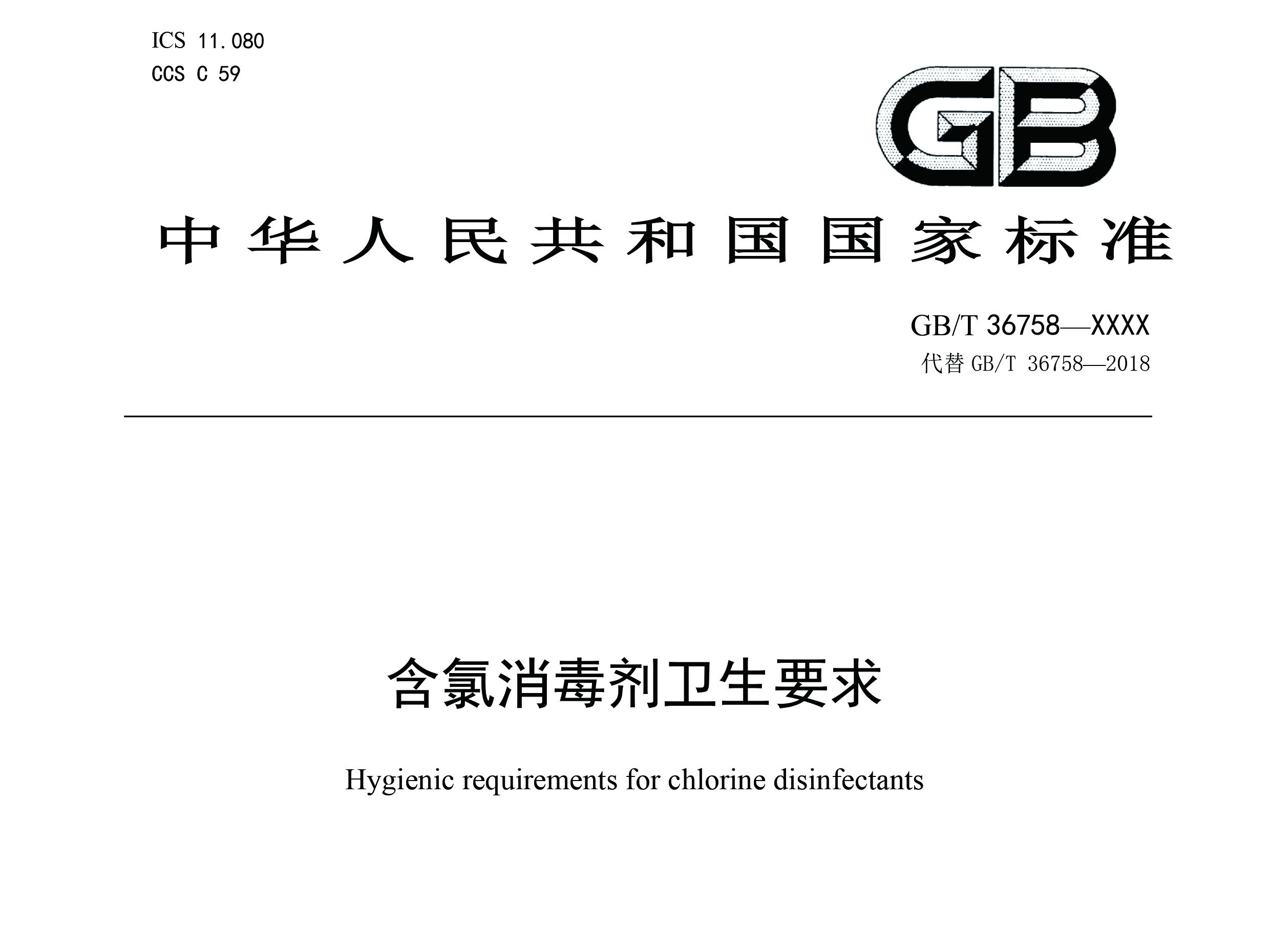
Recently, the revised draft for public comment of the national standard Hygienic Requirements for Chlorine Disinfectants (GB/T 36758) was officially released. For the first time, this revision introduces a dedicated definition, clear technical indicators, and testing specifications for hypochlorous acid (HClO) disinfectants. It fills the regulatory gap for on-site hypochlorous acid generation equipment, providing authoritative national standard support for the standardized, legalized, and scenario-based adoption of hypochlorous acid generators. This moves completely clarifies the compliance boundary between hypochlorous acid and traditional chlorine-containing disinfectant products.
Compared with the 2018 version, the biggest highlight of this revision is the independent listing and dedicated specification of hypochlorous acid disinfectants. The draft clearly defines the physical and chemical properties of slightly acidic hypochlorous acid disinfectants, sets an exclusive applicable pH range, and introduces core indicators such as the proportion of hypochlorous acid molecules, specific testing methods, and corrosion control. It explicitly requires that hypochlorous acid must account for more than 85% of the total available chlorine concentration—completely distinguishing it from traditional strongly alkaline chlorine disinfectants like sodium hypochlorite. This resolves long-standing industry pain points, such as vague product definitions, lack of testing standards, and filing difficulties. At the same time, the new standard specifically accommodates on-site, point-of-use generation models, recognizing the on-demand production and application of equipment, thereby clearing standard barriers for the market application of hypochlorous acid generators.
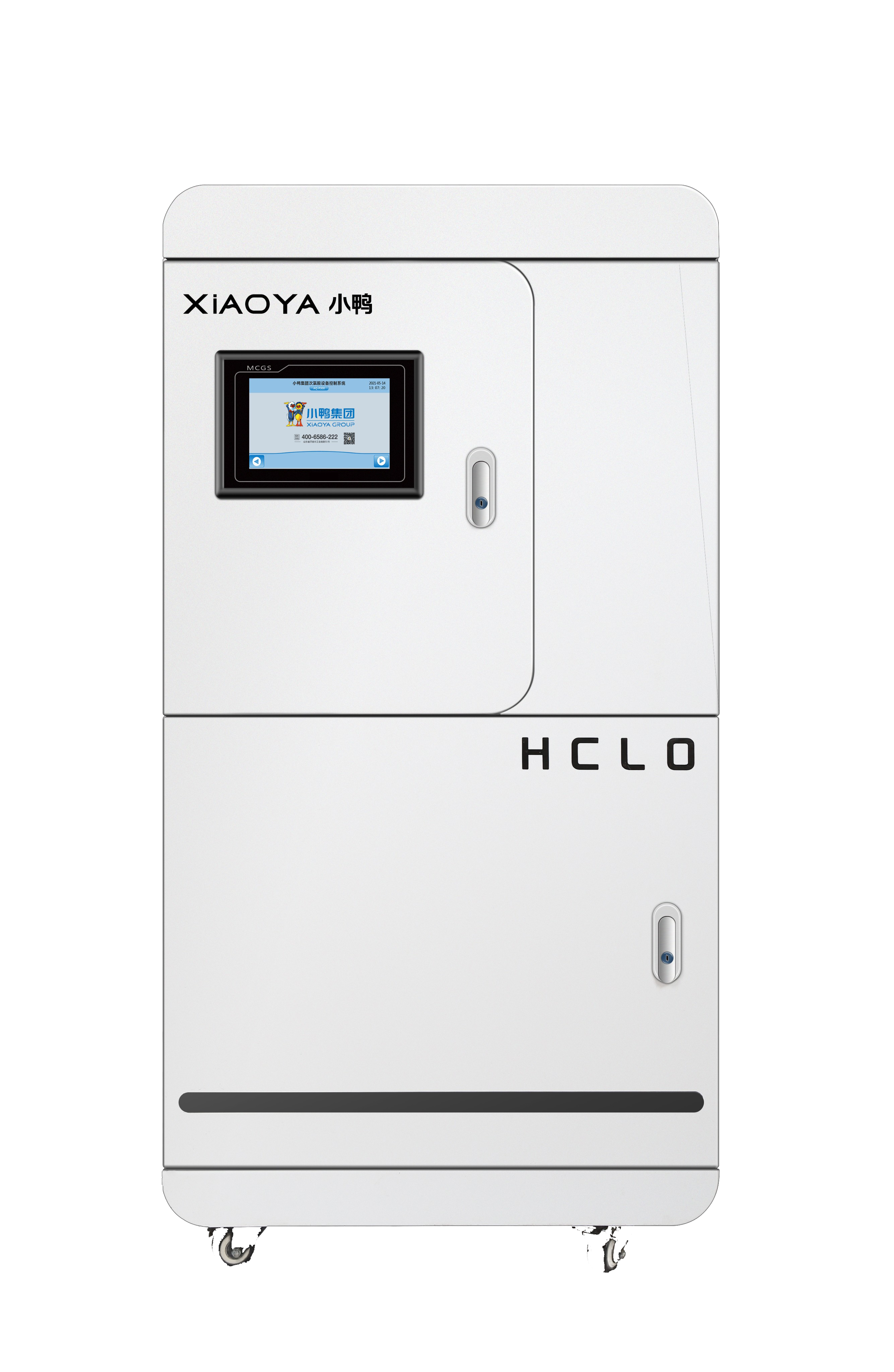
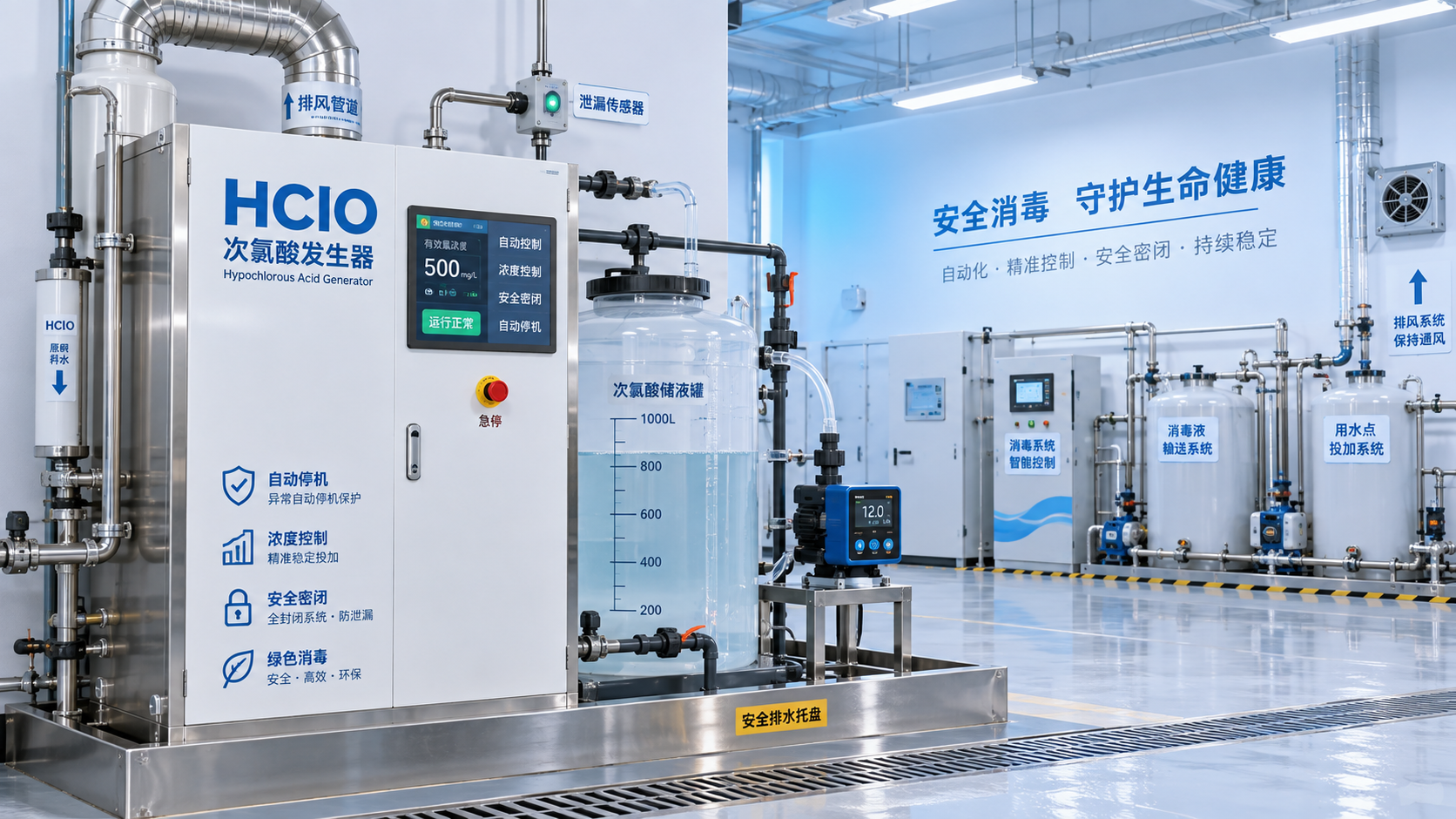
Electrolysis-based hypochlorous acid generators align highly with the new national standard requirements and possess inherent compliance advantages. Using only table salt and tap water as raw materials, the equipment stably produces slightly acidic hypochlorous acid water on-site. Its physical and chemical indicators fully comply with national standard specifications, featuring high molecular purity of hypochlorous acid, minimal by-products, and extremely low corrosiveness—far surpassing traditional chlorine disinfectant products. Unlike bottled ready-to-use disinfectants, which carry storage and transport risks, shelf-life limitations, and hazardous chemical management pressures, hypochlorous acid generators require no storage of disinfectant liquids. They generate liquid on demand with zero residues and no degradation loss, perfectly matching the new standard's guidance toward safe, green, and low-risk management of disinfection products.
Furthermore, the new national standard significantly expands the application scenarios for hypochlorous acid disinfection, covering healthcare environments, public disinfection, food processing, livestock and poultry farming, everyday environmental sanitization, and human skin disinfection. The disinfectant produced by hypochlorous acid generators offers broad-spectrum sterilization while remaining gentle and safe. After disinfection, it naturally degrades back into saltwater. Meeting the compliance demands of all scenarios, it can widely replace traditional high-corrosion, high-residue disinfection methods and integrate into routine disinfection systems across multiple industries.
Industry experts state that this national standard revision represents a landmark event for the hypochlorous acid disinfection sector. The new standard will substantially raise technical entry barriers, weed out low-quality equipment with crude manufacturing and sub-standard performance, and drive technical upgrades across the industry. Concurrently, clear compliance standards will accelerate the penetration of hypochlorous acid generators into various strictly regulated scenarios, unlocking brand-new market opportunities.
As the national standard is officially implemented, on-site hypochlorous acid generation equipment will become the mainstream compliant disinfection solution. It will help various industries build low-cost, highly safe, and sustainable standardized disinfection systems, driving China's public health disinfection industry toward a greener, smarter, and more standardized future.
NEWS
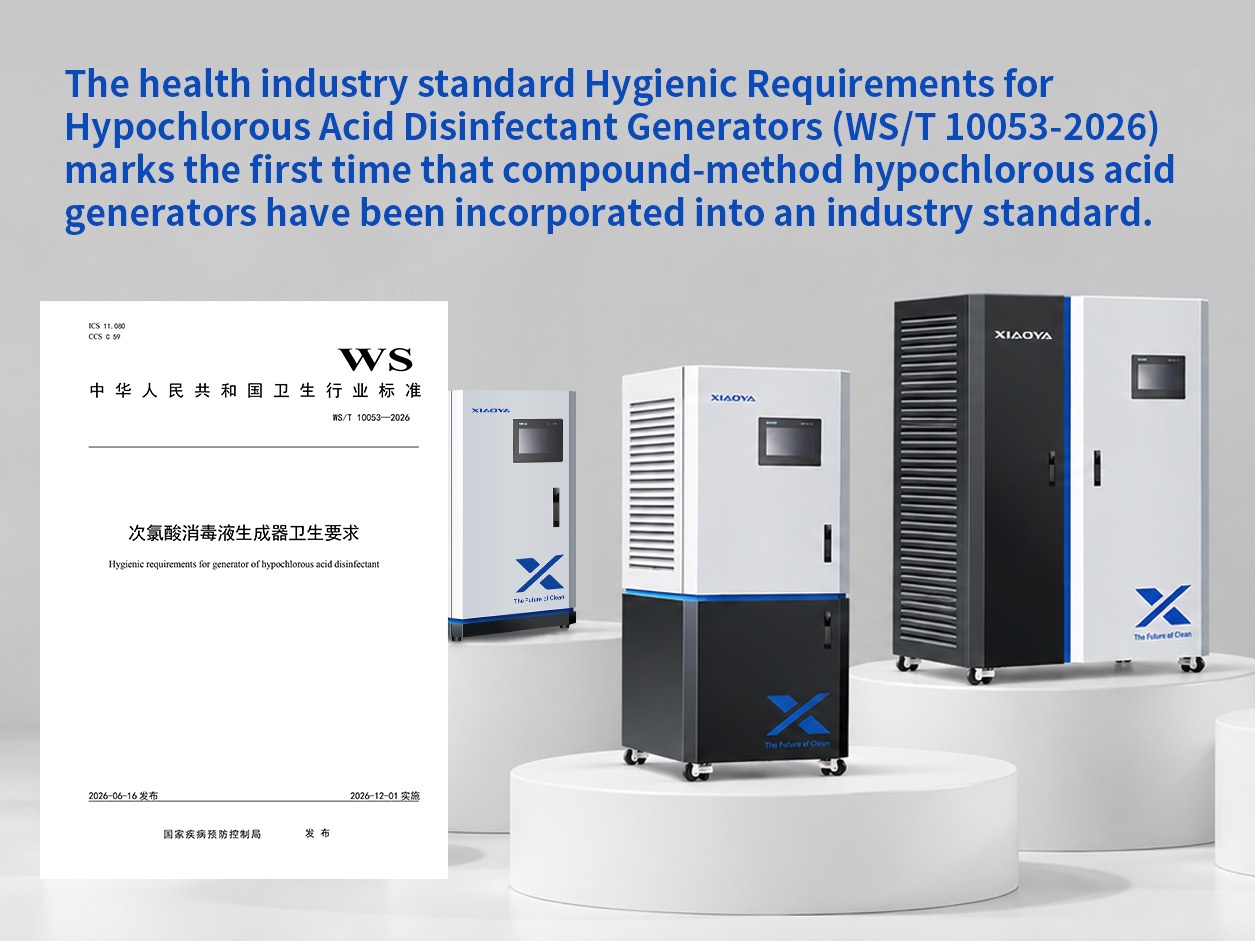
 WS/T 10053-2026 Includes the Compound Method for the First Time: Standard Signals and Market Opportunities for Mass Agricultural Production of Hypochlorous Acid Generators
 Evaluating HClO Generator Lifecycle Costs Beyond the Initial Equipment Price
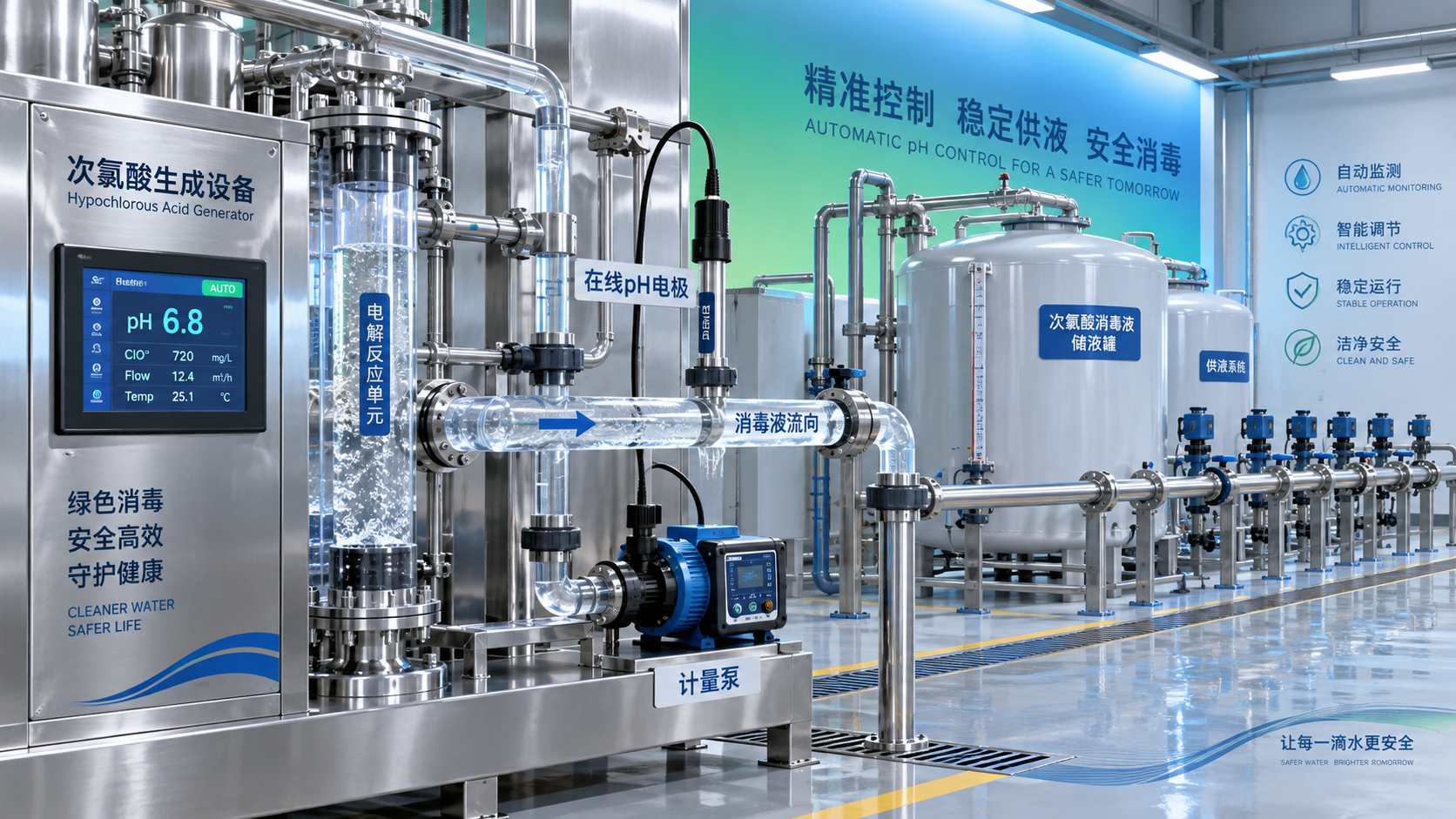
 HClO Generator pH Control: Why It Determines Disinfection Performance
- Which Safety Features Matter Most When Buying an HClO Generator?
 Troubleshooting Low ORP Readings on a Hypochlorous Acid Machine
Leave us a message

Xiaoya Group was founded in 1979,expert in the electrolyzed water industry.
Get in Touch
*We respect your confidentiality and all information are protected.