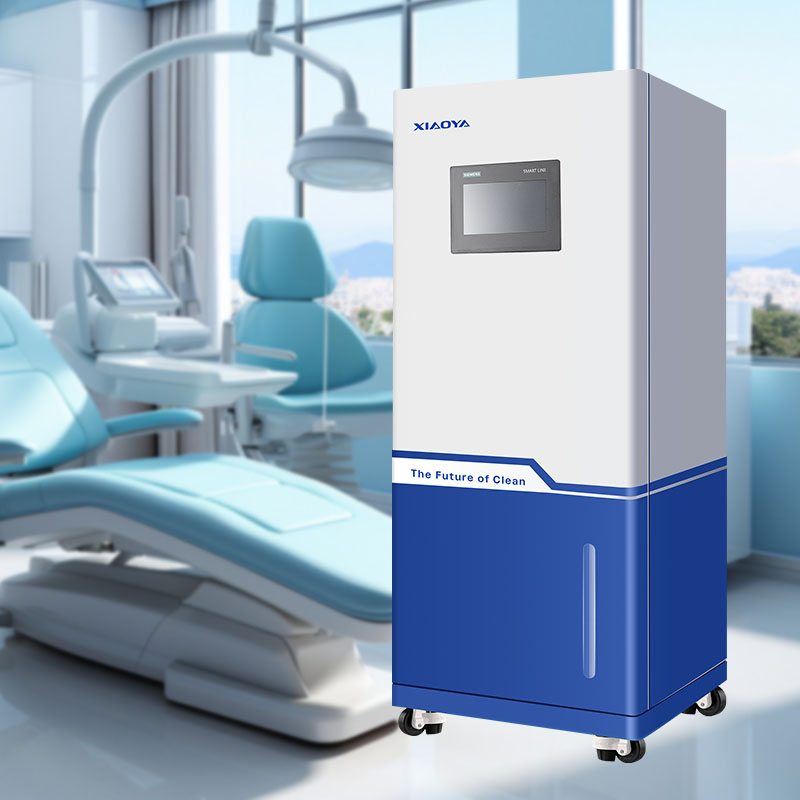
Meta Title: When does a hypochlorous acid generator for dental clinic improve chairside turnover
A hypochlorous acid generator for dental clinic improves chairside turnover when disinfection is slowing down room reset, supply delivery is inconsistent, or staff are spending too much time mixing, tracking, and replacing chemical disinfectants. In other words, it pays off when the bottleneck is not treatment time, but the gap between one patient leaving and the next patient being seated. For project managers and engineering leads, that distinction matters, because the equipment only creates value if it removes a real workflow constraint.
Many clinics first look at this type of system as a hygiene upgrade. That is understandable, but incomplete. The stronger case is usually operational: faster access to ready-to-use disinfectant, fewer interruptions caused by stock shortages, and a more standardized sanitation routine across operatories. If your team is still waiting on diluted solutions, moving bottles between rooms, or adjusting cleaning steps based on what is available that day, on-site generation deserves a serious look.
When a hypochlorous acid generator for dental clinic actually makes a difference
The most common mistake is assuming any clinic will see faster turnover just by installing a generator. That is not how it works. The gain appears when current room turnover is being delayed by disinfection logistics rather than by staffing, scheduling, sterilizer capacity, or procedural complexity.
Here are the situations where the improvement is usually real:
- Multiple chairs are turning over within short intervals and disinfectant demand spikes at predictable times.
- Staff rely on purchased liquids that need storage, manual handling, or frequent replacement.
- There is variation between rooms or shifts in how surface disinfection is prepared and applied.
- Procurement disruptions have already caused substitutions, delays, or emergency purchasing.
- The clinic is trying to build a more automated and traceable environmental hygiene process.
If your turnover issue is mainly instrument reprocessing, understaffing, or poor patient flow, a generator will not fix the core problem. It may still be useful, but it will not be the lever with the biggest return.
A short answer, if you need one: chairside turnover improves when on-site HOCl generation removes waiting, searching, mixing, and restocking from the cleaning cycle, while keeping disinfectant output stable enough for daily clinical demand.
Where project managers usually see the operational win
In practice, the value is less about the chemistry headline and more about system behavior. A clinic with six to twelve treatment rooms, recurring peak periods, and tight appointment spacing often benefits first. Why? Because small delays repeat all day. A two-minute delay in room reset does not look dramatic on paper, but multiplied across chairs, shifts, and staff handoffs, it becomes a scheduling problem.
On-site generation changes that rhythm. Instead of treating disinfectant as a consumable that must be ordered, stored, checked, and replaced, the clinic treats it as a utility-supported output. Salt, water quality, power supply, concentration range, and maintenance schedule become the key control points. That is a much more familiar management model for engineering-led operations.
This is also where supplier background matters. A manufacturer with experience across health care and disinfection appliances, plus integrated R&D, production, and operation, is generally better positioned to support long-cycle deployment issues such as output stability, maintenance planning, and installation fit than a trading-only source. For automation equipment, after-sales structure is not a side issue. It affects uptime.
The part many teams underestimate: consistency beats speed alone
Some buyers focus only on whether HOCl can disinfect fast enough. The more useful question is whether the generator produces a consistent, usable solution day after day without adding hidden labor. If concentration drifts, if maintenance is awkward, or if staff do not trust the output, the system may create another checkpoint instead of removing one.
That is why engineering teams should look at four things before making a decision:
- Required daily volume versus actual chair turnover load
- Adjustable concentration and pH control for the intended hygiene protocol
- Cleaning and self-maintenance functions that reduce manual intervention
- Installation conditions such as purified water access, drainage, ventilation, and power stability
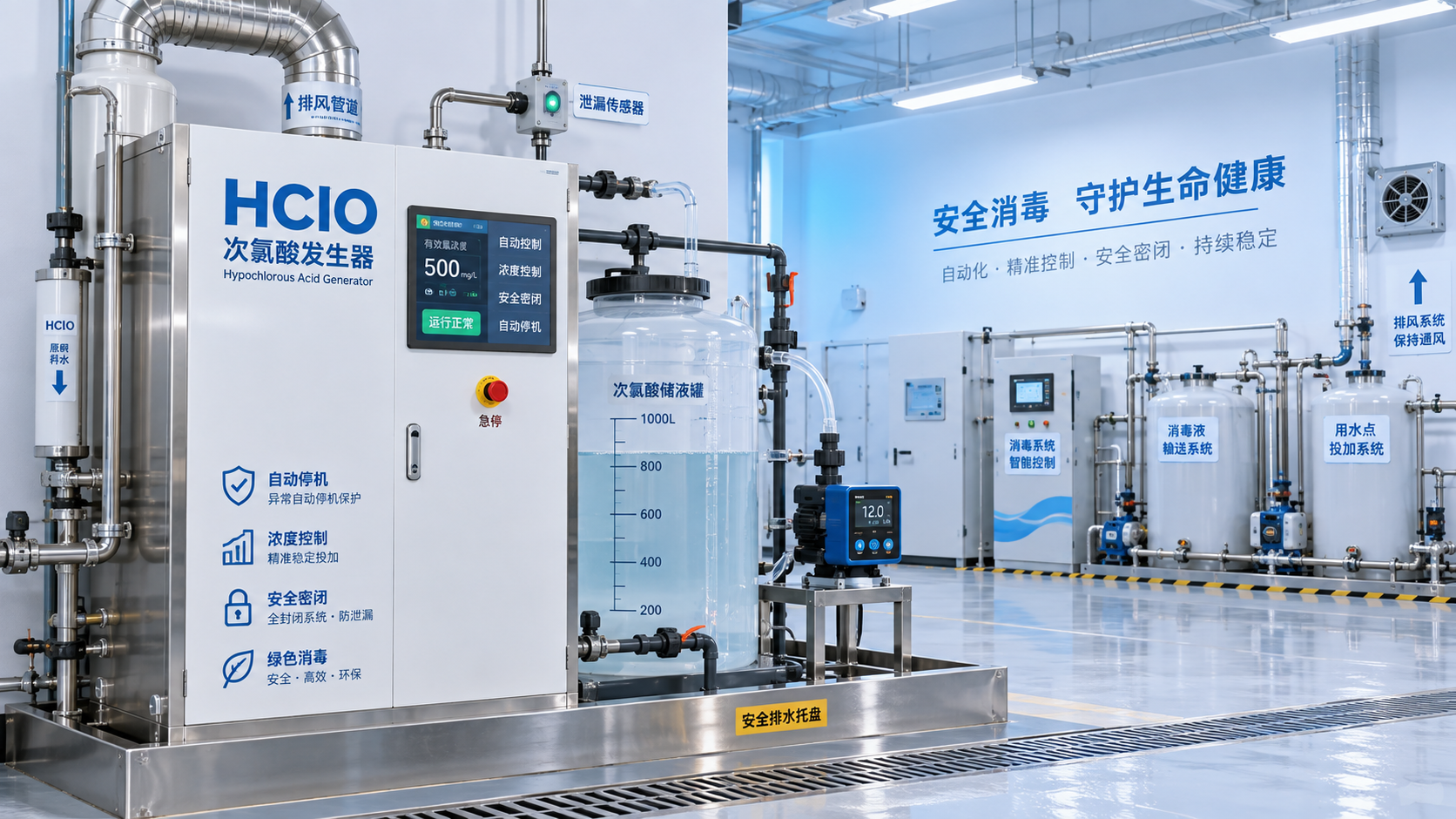
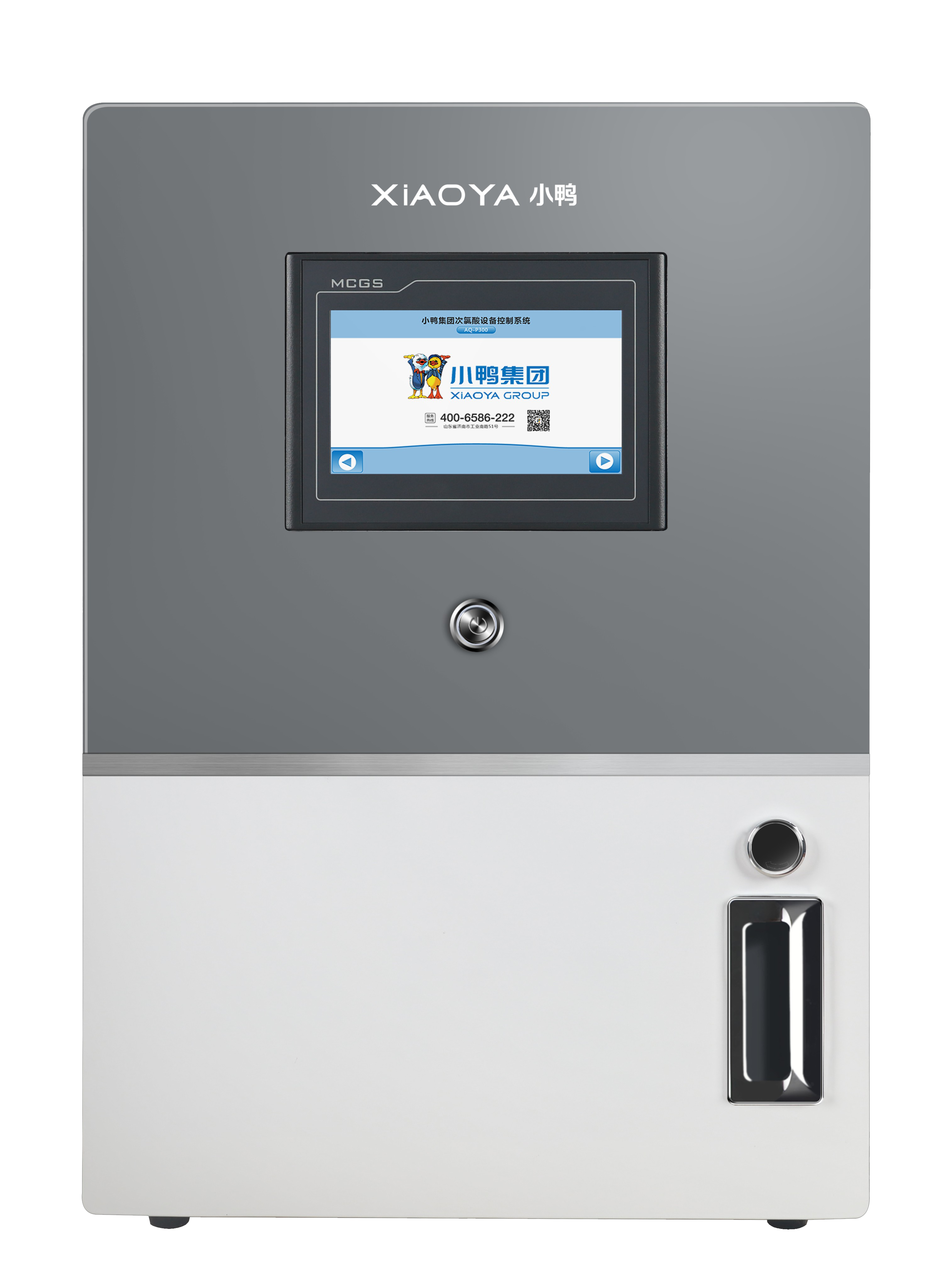
A useful reference point is equipment designed for continuous on-site generation with adjustable output and automated cleaning logic. For example, Food Hypochlorous AcidGenerator / table salt (NaCl) is positioned around real-time HOCl production using salt and purified water, with adjustable concentration, pH control, and self-cleaning support. It is presented for food-grade environments rather than dental use specifically, so any clinical application still needs validation against local infection-control requirements and the clinic’s own compliance framework. But from an engineering perspective, those are the kinds of features that matter when evaluating whether a generator will reduce operational friction instead of adding it.
That distinction is important. A technically capable system can still be a poor fit if the clinic lacks water treatment support, preventive maintenance discipline, or a clear use protocol.
Signs the investment may be too early
There are also cases where a generator is being considered for the wrong reason. If the clinic has only a small number of chairs, low daily patient turnover, and no recurring disinfectant supply issues, the return may be weak. The same goes for sites where the infection-control team has not yet defined where generated HOCl will be used, at what concentration, and under whose supervision.
Another common issue is trying to justify the purchase mainly on chemical cost savings. Sometimes that works, but often the stronger business case comes from operational resilience and reduced downtime risk, not from raw consumables math alone. If you build the project only around product cost per liter, you may miss the real decision drivers.
Project managers should also avoid treating all hypochlorous acid systems as interchangeable. Membrane design, electrode life, cleaning functions, and output control all affect long-term stability. If a unit offers around 100L/H output, adjustable effective chlorine concentration, and a defined electrolytic cell service life, that gives you a better basis for planning than vague “high efficiency” claims. Exact suitability still depends on clinical demand and local standards, which should be verified before procurement.
What to confirm before you move forward
Before approving a project, map the current turnover process in plain operational terms. Measure how long disinfectant handling actually takes. Identify where staff wait, where shortages happen, and how often cleaning steps vary between rooms. Without that baseline, it is easy to buy equipment that sounds advanced but solves only a small part of the problem.
Then check these points:
- Is the clinic consuming enough disinfectant per day to justify on-site generation?
- Will generated solution be used immediately, stored briefly, or distributed across several chairs?
- Who owns water quality monitoring, equipment cleaning, and output verification?
- Does the infection-control lead agree on the use scenarios and limits?
- Can the vendor support commissioning, training, and service response after installation?
If those answers are clear, a hypochlorous acid generator for dental clinic can move from “interesting device” to a practical workflow upgrade.
And that is really the right way to judge it. Not by whether HOCl sounds modern, and not by whether on-site generation looks good in a proposal. It improves chairside turnover when it turns disinfectant availability into a stable utility, removes repeat delays from room reset, and fits the clinic’s operating discipline. If those conditions are missing, the same equipment may still work technically, but it will not meaningfully improve chairside turnover.
FAQ
Does every dental clinic need an on-site HOCl generator?
No. It is most useful where room turnover is frequent, disinfectant use is high, and supply handling is creating delays.
Will it replace all infection-control steps?
No. It supports part of the sanitation workflow. Instrument sterilization, surface protocols, and compliance procedures still remain in place.
Is higher output always better?
Not necessarily. Oversizing can raise cost and complexity without improving workflow. Match output to actual demand and peak usage.
What is the biggest implementation risk?
Poor process definition. If the clinic has not agreed on concentration, use points, maintenance ownership, and verification, adoption usually becomes inconsistent.
Internal Link Anchor Text Suggestions
- chairside disinfection workflow planning: process optimization page
- how to choose on-site disinfectant generation equipment: buying guide page
- dental clinic sanitation automation solutions: solution category page
- HOCl generator maintenance and service checklist: support or knowledge base page
External Source Suggestions
- government health regulator guidance on dental infection prevention and control
- industry association recommendations for dental operatory disinfection workflows
- manufacturer technical documentation on HOCl generation, concentration control, and maintenance requirements
NEWS
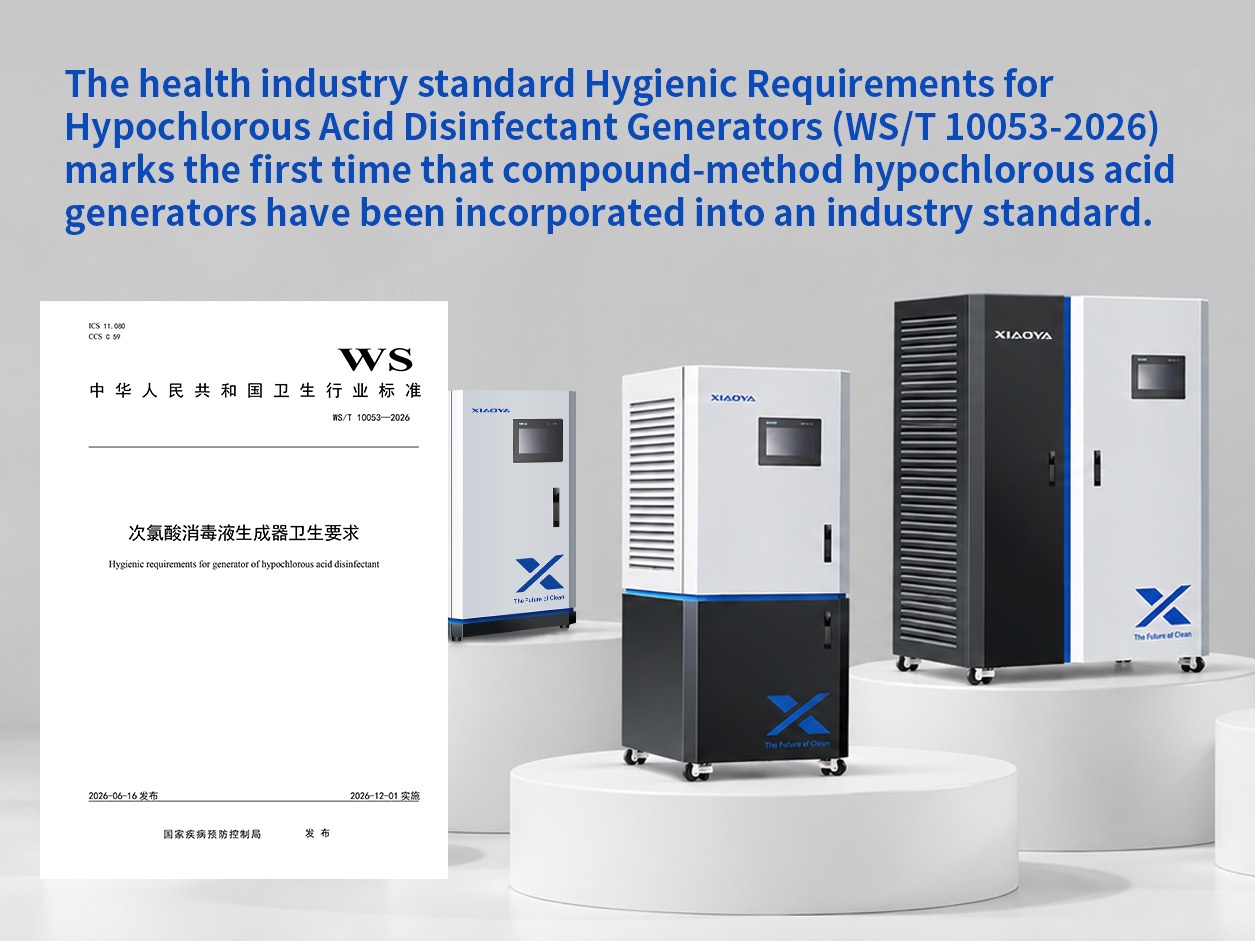
 WS/T 10053-2026 Includes the Compound Method for the First Time: Standard Signals and Market Opportunities for Mass Agricultural Production of Hypochlorous Acid Generators
 Evaluating HClO Generator Lifecycle Costs Beyond the Initial Equipment Price
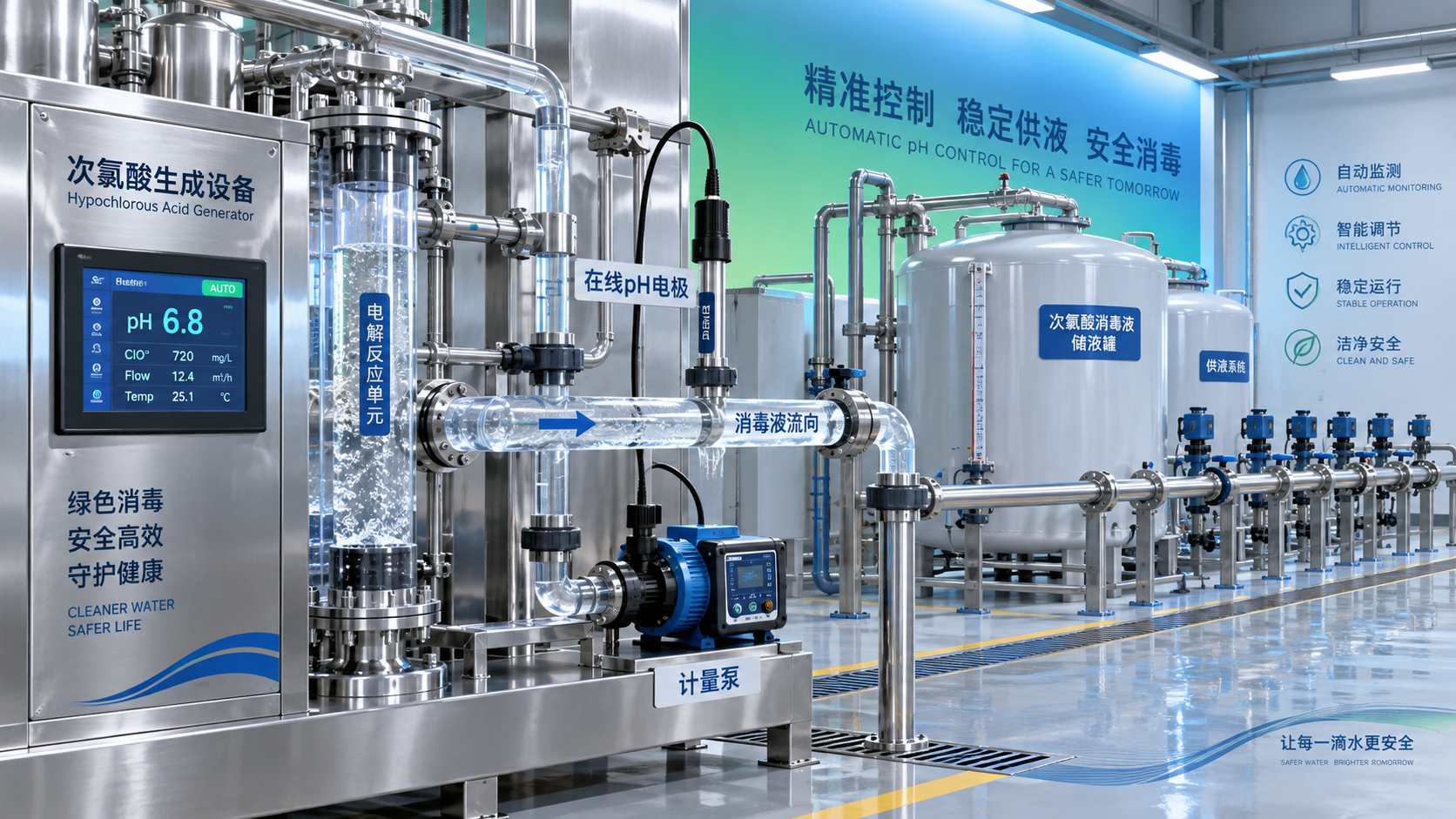
 HClO Generator pH Control: Why It Determines Disinfection Performance
- Which Safety Features Matter Most When Buying an HClO Generator?
 Troubleshooting Low ORP Readings on a Hypochlorous Acid Machine
Leave us a message

Xiaoya Group was founded in 1979,expert in the electrolyzed water industry.
Get in Touch
*We respect your confidentiality and all information are protected.