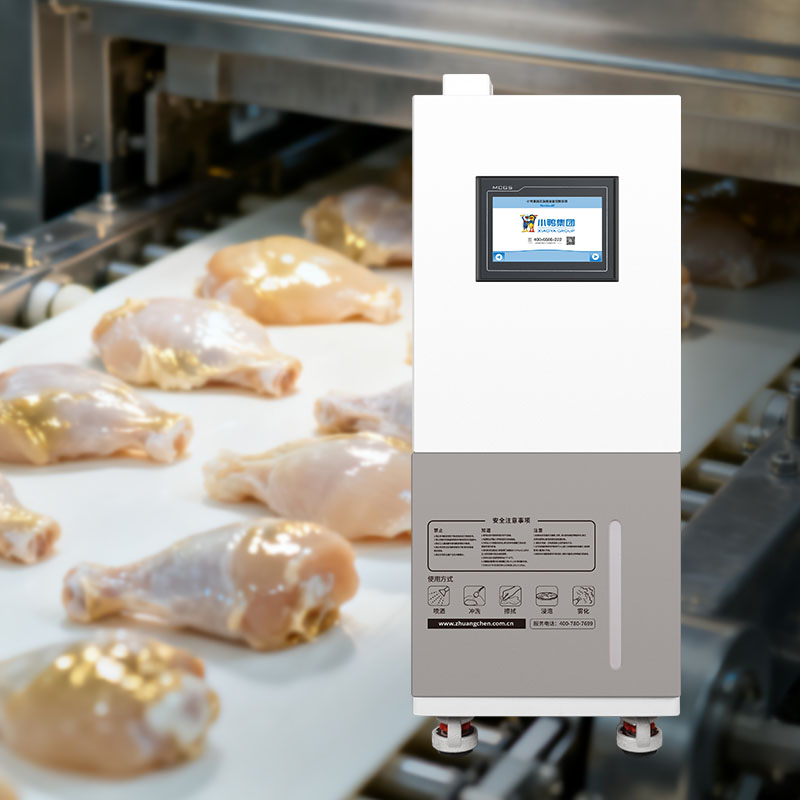
For project managers running meat processing, chilled storage, and distribution programs, disinfection is rarely an isolated hygiene task. It sits inside a tighter operational equation: maintain low temperatures, avoid process delays, reduce microbial risk, protect shelf life, and keep sanitation consistent across shifts and sites. In that context, a Hypochlorous Acid Generator for Meat Product Disinfection and Preservation becomes relevant not because it is “new,” but because it can function as a controllable utility within cold chain operations.
The practical question is not whether hypochlorous acid has disinfecting value. That is already broadly understood. The real question is when on-site generation fits the cold chain environment better than pre-purchased chemicals, and when it creates more complexity than benefit.
Where cold chain operations usually struggle
Cold chain meat programs fail less often from a single dramatic breakdown than from repeated small inconsistencies. A wash step runs at the wrong concentration. A tool sanitation cycle is shortened during peak throughput. A chilled room is cleaned effectively on one shift and inadequately on the next. Drain areas, conveyor contact points, crates, hooks, cutting tools, and transfer zones all carry different contamination pressures, yet many facilities still try to manage them with one generic sanitation routine.
For engineering and project teams, this creates three recurring problems:
- chemical handling adds safety and storage burdens;
- concentration control is inconsistent at the point of use;
- sanitation steps compete with throughput and temperature control.
That is where on-site generated hypochlorous solutions gain attention. If the system is properly sized and integrated, it can reduce dependence on transported disinfectants, improve dosing consistency, and support more frequent low-disruption sanitation actions in temperature-sensitive workflows.
Why the fit is stronger in automated or semi-automated facilities
A Hypochlorous Acid Generator for Meat Product Disinfection and Preservation tends to fit best where sanitation is already being treated as a managed process rather than a manual habit. Facilities with conveyorized product movement, controlled cleaning stations, defined zoning, CIP-related workflows, or PLC-based utility management are usually in a better position to benefit.
In these environments, the value is not only in generating disinfectant on site. It is in making disinfection more repeatable. Project managers typically care about repeatability more than chemistry alone, because repeatability is what allows standard operating procedures, audit records, labor planning, and quality control to align.
One reason some projects move toward electrochemical generation is that the operating inputs are comparatively simple. Systems in this category may use salt and tap water to prepare disinfecting solution on demand, which can lower the logistics burden associated with purchasing, transporting, and storing conventional chemical stock. For sites with restrictions around hazardous chemical management, that is often a meaningful implementation advantage rather than a secondary feature.
When on-site generation makes operational sense
The strongest use case is not every meat plant. It is a cold chain operation with one or more of the following conditions:
- multiple sanitation points spread across processing, packing, cold storage, and dispatch zones;
- high audit pressure on hygiene traceability;
- frequent short sanitation intervals instead of one long daily cleaning window;
- rising concern over cross-contamination in high-touch equipment or reusable packaging flows;
- pressure to improve shelf life stability without introducing disruptive process changes;
- cost or risk exposure related to externally sourced disinfectants.
In those cases, a generator can act as infrastructure. That distinction matters. If the project team still treats it like a standalone appliance, it may end up underused. If it is treated like part of the water, dosing, and sanitation control system, it is more likely to deliver measurable value.
Where project teams misjudge the application
The most common mistake is assuming disinfection performance depends mainly on having the “right machine.” In practice, performance depends on matching output, concentration range, dosing method, contact time, organic load, and point-of-use delivery to the actual cold chain process.
For meat applications, organic matter is a serious limiting factor. Blood, fat, protein residue, and biofilm risk reduce the effectiveness of any disinfectant if cleaning discipline is poor. A generator does not replace pre-cleaning. It only becomes useful after soil removal is being done reliably enough for the disinfectant to work as intended.
Another mistake is oversimplifying preservation claims. Better hygiene control can support shelf life consistency, but no project manager should assume that installing a generator automatically extends product life in a uniform way. Product category, packaging format, initial microbial load, process temperature, handling frequency, and downstream distribution discipline all affect the result. Shelf life is a systems outcome, not a chemical output.
What to evaluate before specifying a system
For engineering leads, selection should begin with process mapping, not vendor comparison. The first decision is where the generated solution will actually be used:
- equipment surface disinfection;
- knives, hooks, trays, and tools;
- room and contact-surface sanitation in chilled areas;
- crate and container turnover;
- drain and transfer zone hygiene control;
- certain preservation-related wash or misting applications, subject to local compliance review.
From there, the technical questions become more practical:
- What hourly consumption is required at peak sanitation periods?
- Does the site need centralized generation or distributed point-of-use dosing?
- How stable is local water quality?
- Will the system connect to existing PLC or utility controls?
- What concentration monitoring and logging are required for QA and audit purposes?
- What redundancy is needed if production cannot tolerate sanitation downtime?
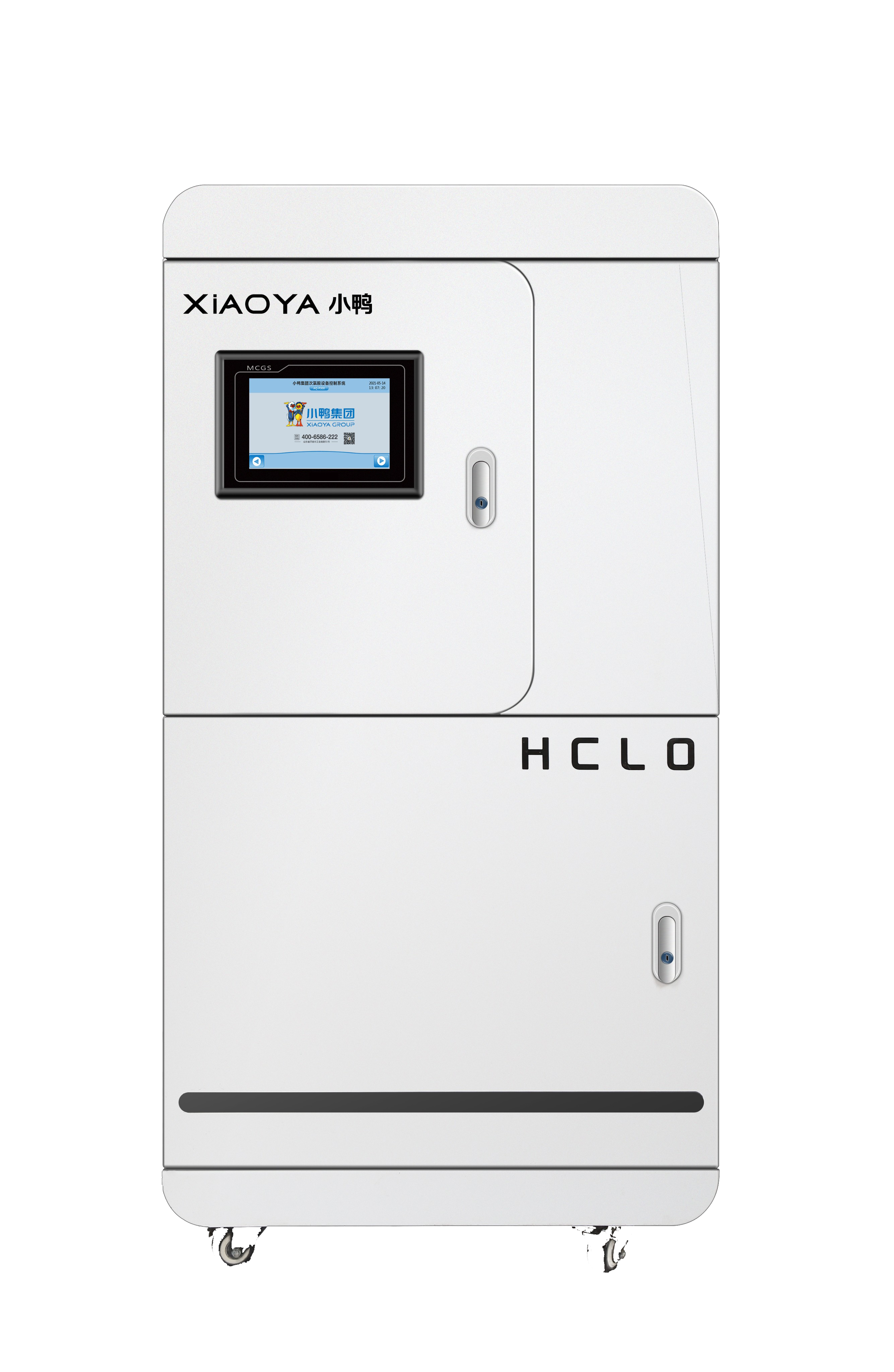
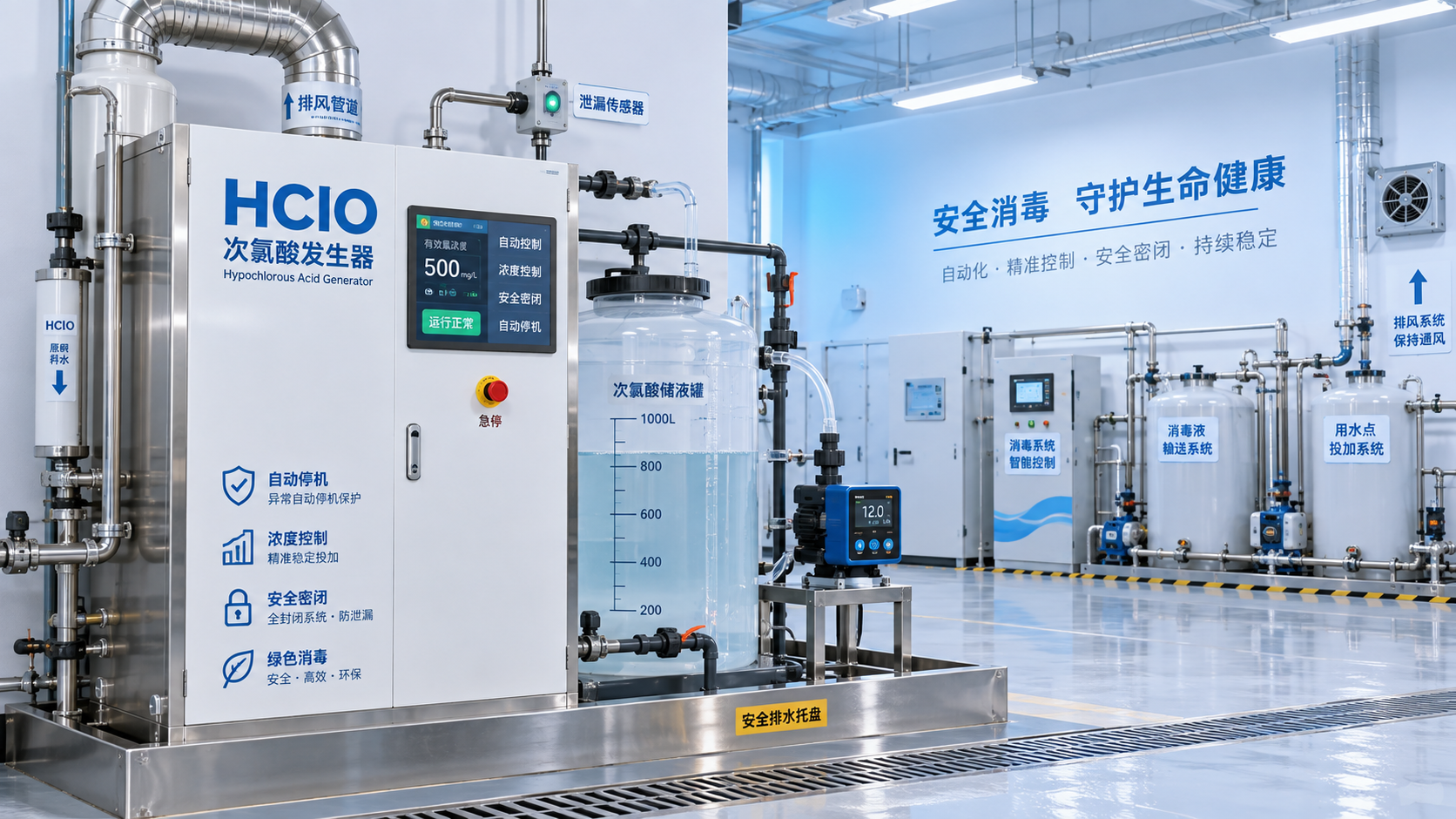
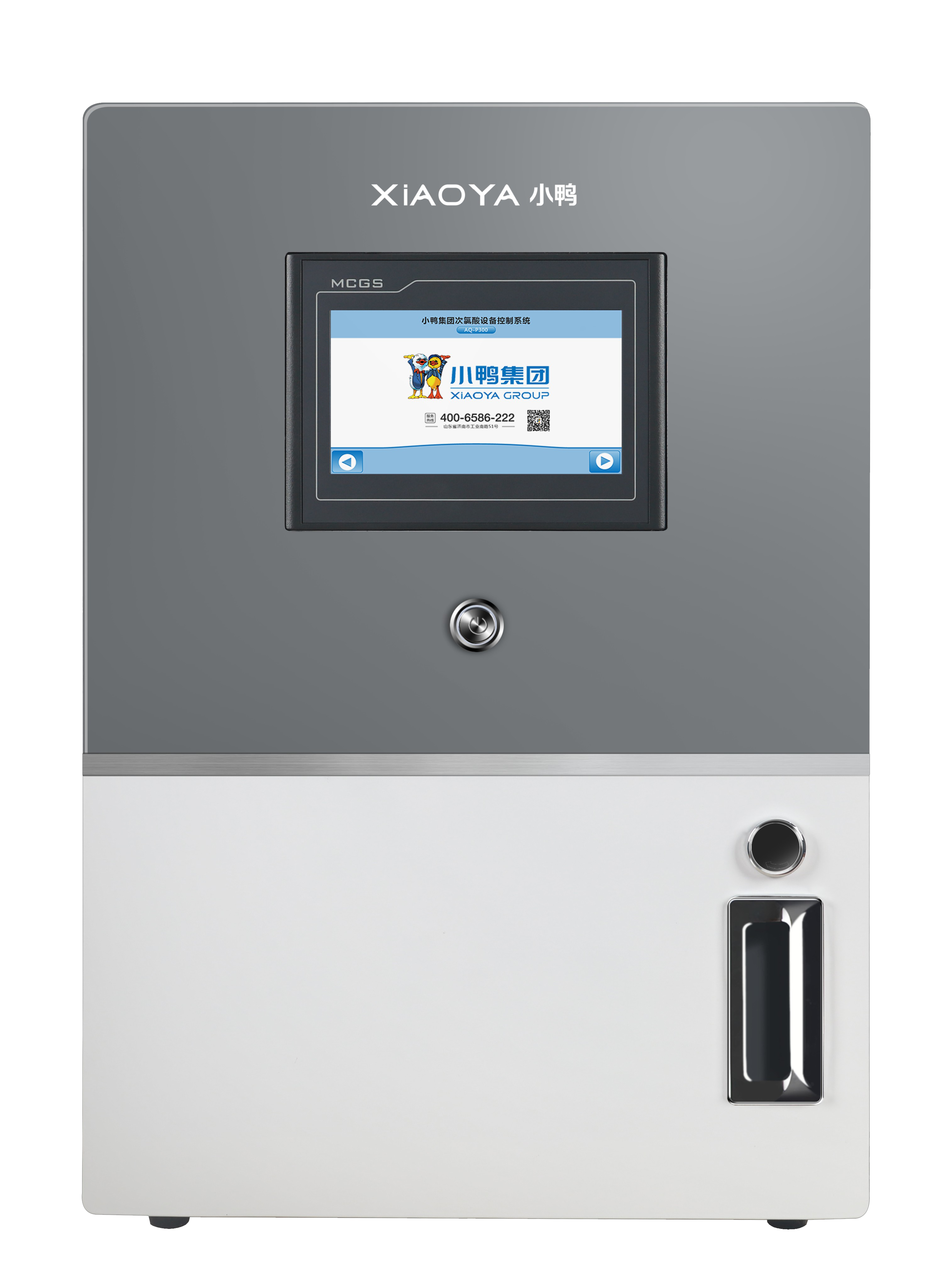
In smaller or mid-scale food environments, some compact systems already reflect this direction of travel. For example, a Sodium hypochlorite generator with PLC control, compact footprint, low power demand, and adjustable effective chlorine concentration may be suitable where project teams want a manageable on-site disinfection utility rather than a large chemical handling setup. That does not prove suitability for every meat line, but it matches the needs of facilities that prioritize integration, operating simplicity, and lower chemical logistics risk.
Cold chain fit depends on workflow, not just disinfection chemistry
Low-temperature environments change implementation priorities. Project managers need to think beyond kill performance and ask how the sanitation step behaves inside cold chain constraints.
A suitable system should support:
- fast preparation and reliable dosing during narrow sanitation windows;
- minimal disruption to chilled-room traffic and product movement;
- stable operation under repeated daily use;
- clean installation in utility or sanitation rooms with limited space;
- simple operator interaction, especially across multiple shifts.
This is why control architecture matters more than many buyers initially expect. A PLC-based unit can be easier to standardize operationally, especially when teams want repeatable concentration settings, predictable dosing behavior, and lower reliance on operator judgment. For multisite groups or export-oriented processors, that standardization can matter as much as the chemistry itself.
Compliance and validation still need site-specific review
Project teams should be cautious about assuming universal regulatory treatment for preservation-related applications. Rules differ by market, product category, and whether the solution is used on food-contact surfaces, processing environments, or directly in food-related process steps. Any use tied to meat preservation claims, residue expectations, or export compliance should be verified against local and destination-market requirements. Where certainty is lacking, the correct approach is 【待核实】 rather than assumption.
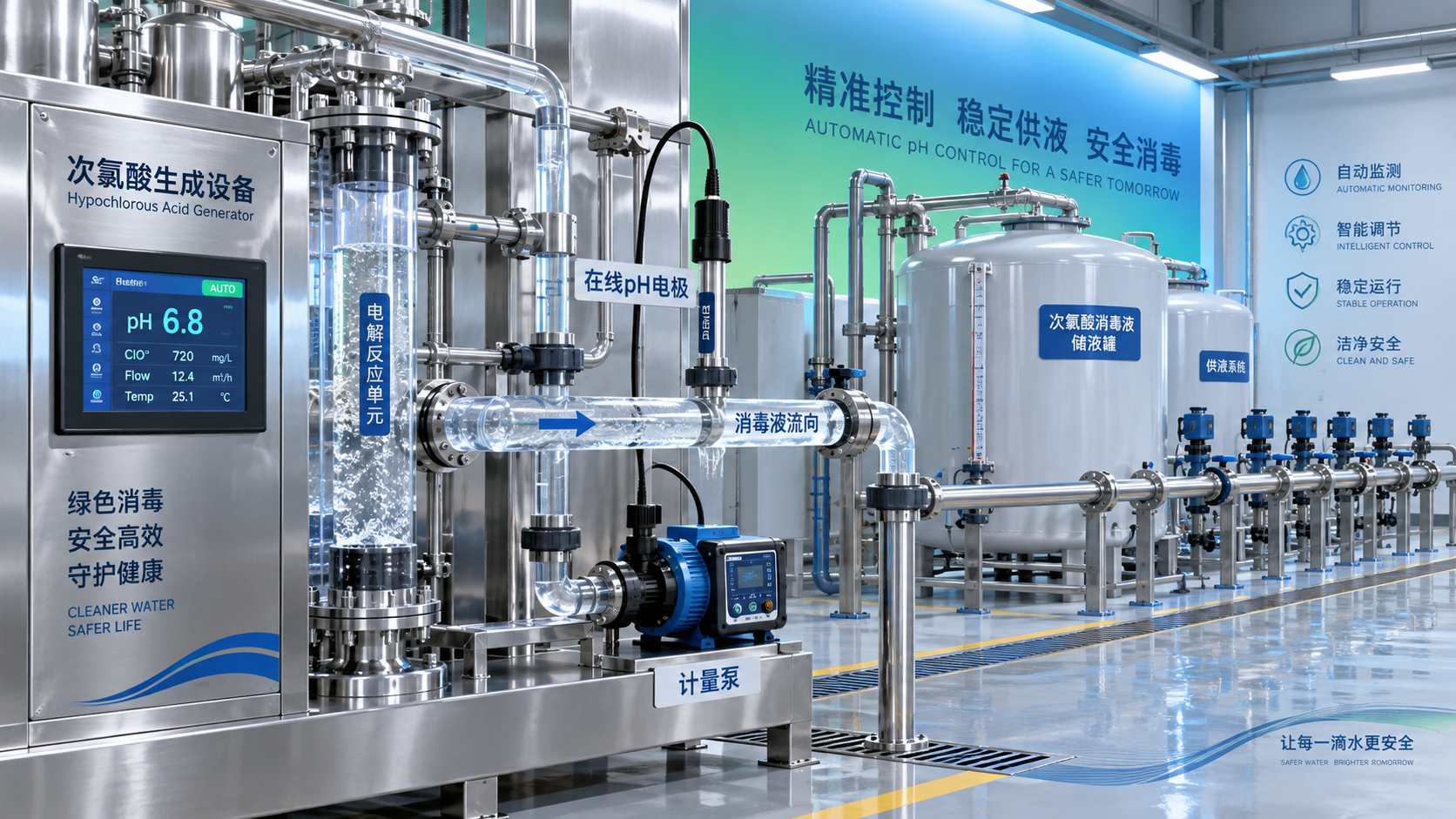
Validation should include at least concentration control, microbiological verification, material compatibility, operator SOPs, and maintenance intervals. Electrolyzer service life, tank sizing, and dosing pump capacity also matter in real projects because they affect maintenance scheduling and sanitation continuity. A system with relatively simple structure and mature on-site preparation technology may reduce failure points, but only if preventive maintenance is built into the operating plan.
When the investment is justified
For a project manager, the business case is usually strongest when three outcomes can be achieved together: lower chemical handling risk, more consistent sanitation execution, and less interference with throughput. If the operation is small, manually run, and has limited sanitation complexity, on-site generation may be more capability than the site needs. If the facility runs high volume, has strict hygiene controls, or is under pressure to standardize across zones and shifts, the investment becomes easier to justify.
That is the point at which a Hypochlorous Acid Generator for Meat Product Disinfection and Preservation stops being a sanitation accessory and starts behaving like process infrastructure. In cold chain operations, that distinction is what determines whether the project delivers measurable operational value or simply adds another piece of equipment to maintain.
The right time to adopt it is when hygiene variability has already become an operational bottleneck, and when the site is prepared to integrate disinfection into its control logic, maintenance planning, and quality verification regime. Without that foundation, the technology is underused. With it, the fit can be very strong.
NEWS
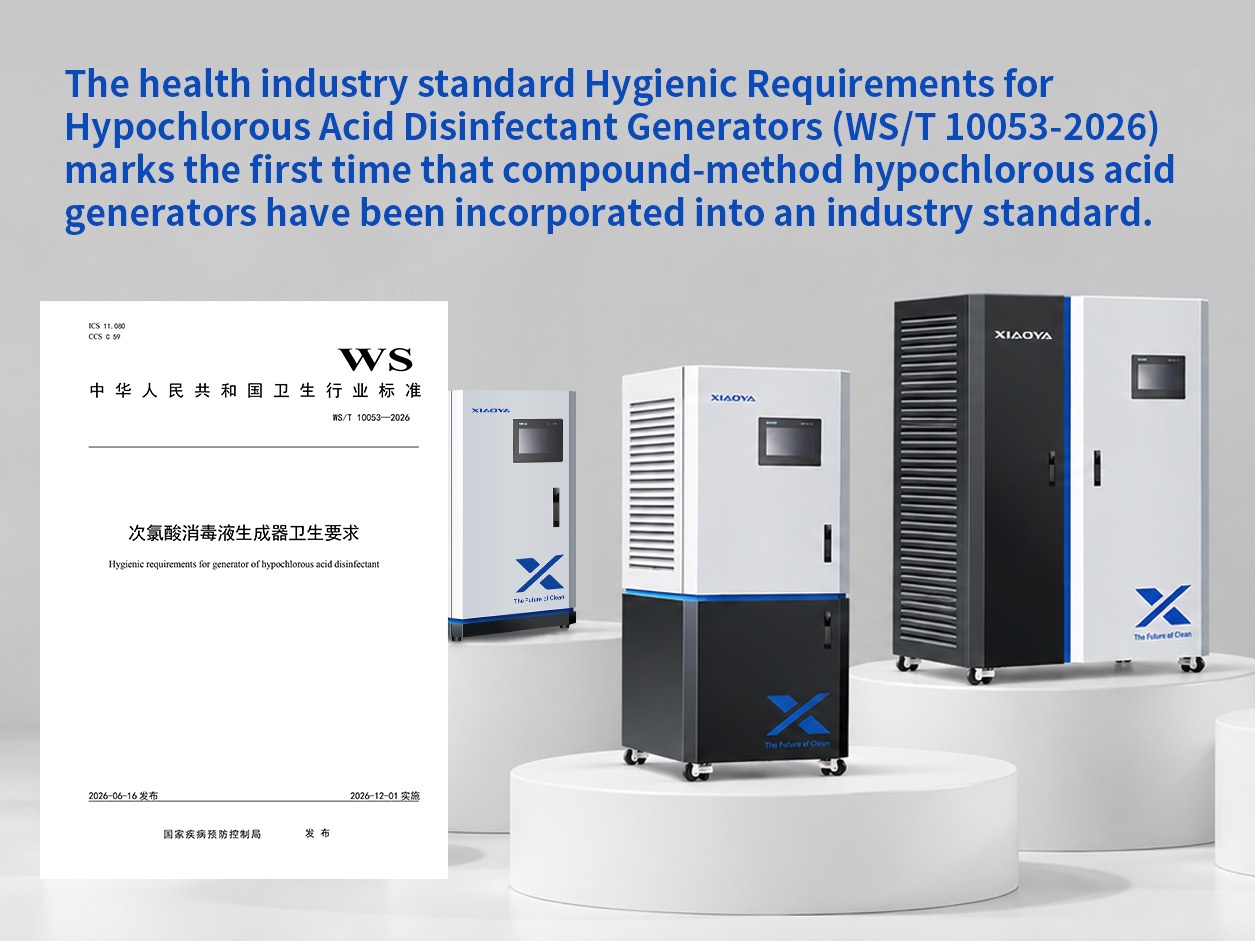
 WS/T 10053-2026 Includes the Compound Method for the First Time: Standard Signals and Market Opportunities for Mass Agricultural Production of Hypochlorous Acid Generators
 Evaluating HClO Generator Lifecycle Costs Beyond the Initial Equipment Price
 HClO Generator pH Control: Why It Determines Disinfection Performance
- Which Safety Features Matter Most When Buying an HClO Generator?
 Troubleshooting Low ORP Readings on a Hypochlorous Acid Machine
Leave us a message

Xiaoya Group was founded in 1979,expert in the electrolyzed water industry.
Get in Touch
*We respect your confidentiality and all information are protected.