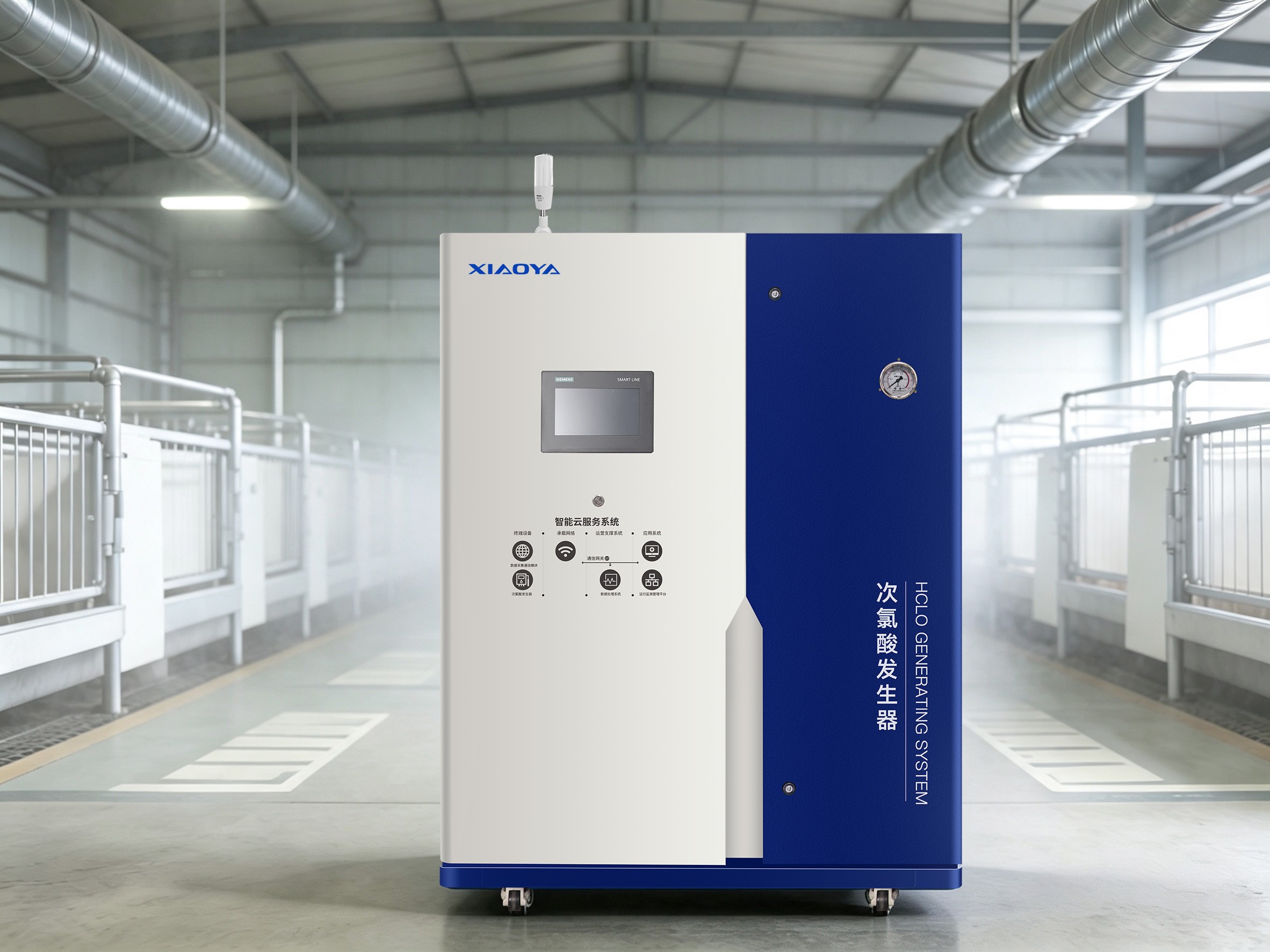
With the current widespread adoption of intensive, high-density farming models in the livestock industry, livestock production capacity has increased substantially, but it has also brought about severe environmental challenges in farming areas. The continuous release of foul-smelling gases like ammonia and hydrogen sulfide from livestock waste not only pollutes the farm grounds and surrounding ecosystems, but also damages livestock respiratory tracts, reduces their immunity, and impairs production performance. Furthermore, odor emissions have become a key metric targeted by environmental protection inspections.
Traditional chemical deodorizers easily cause secondary pollution, and their long-term use incurs persistently high overall costs. Leveraging the eco-friendly characteristics of hypochlorous acid (HOCl) water—high efficiency, safety, and zero residue—the hypochlorous acid generator perfectly meets the dual needs of deodorization and disinfection in livestock farms, becoming a core piece of equipment for implementing ecological and circular farming practices.
一、Four Key Application Scenarios of HOCl Water in Livestock Deodorization
Hypochlorous acid solution possesses strong oxidizing capabilities that can rapidly decompose odor-causing substances such as ammonia, hydrogen sulfide, and methyl mercaptan into odorless and harmless byproducts, covering odor control points throughout the entire farming process:
1. Micro-Mist Spraying Inside Barns: Simultaneous Deodorization and Cooling
By installing high-pressure micro-mist spray systems in pig barns, chicken coops, and cattle sheds, low-concentration HOCl water can be misted at regular intervals. Micron-scale water mist absorbs dust and malodorous molecules in the air, quickly reducing odor concentration inside the barn. Misting in the summer also achieves physical cooling, improving livestock growth conditions from an air environment standpoint.
2. Source-Level Odor Suppression in Slurry Channels and Sewage Pits: Cutting Off Odor Generation
Manure channels and sewage collection pits are the primary sources of odors. Spraying HOCl water directly onto the water body and manure surfaces inhibits the mass proliferation of anaerobic bacteria, blocking odor generation right at the source and drastically reducing the volatilization of ammonia and hydrogen sulfide.
3. Exhaust Gas Washer Integration: Ensuring Off-Gas Meets Emission Standards
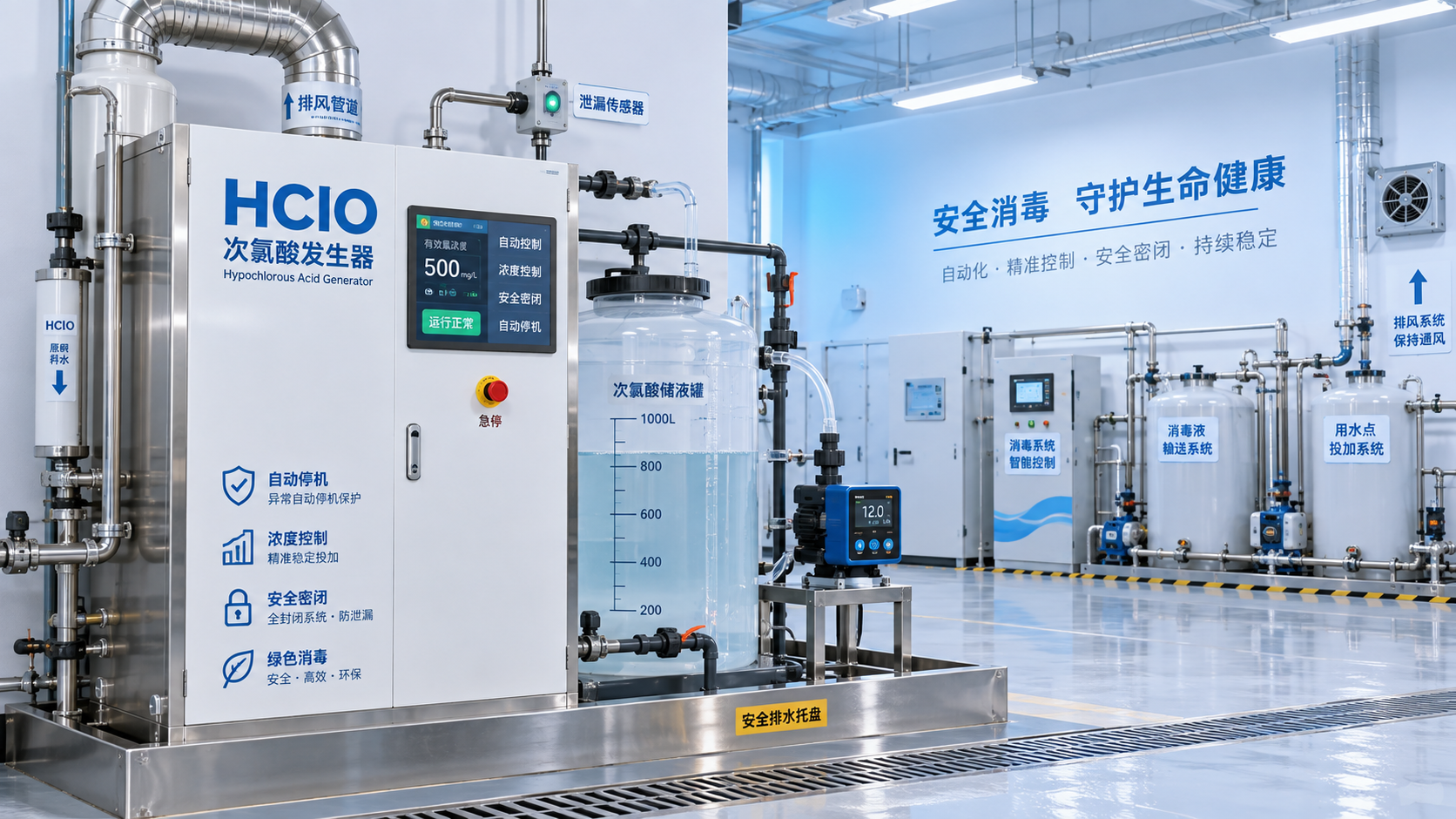
Exhaust systems in closed livestock facilities are often paired with biological deodorization towers or chemical scrubbers. The hypochlorous acid generator can be integrated into the scrubber's water circulation system to replace traditional acid-base chemicals. Relying on the strong oxidation of hypochlorous acid to thoroughly purify exhaust gas, it ensures stable compliance with environmental emission standards.
4. Disinfection and Deodorization for Vehicles and Outer Roads: Building a Strong Biosecurity Line
Livestock transport vehicles, farm entrances, and internal roads easily retain manure odors and pathogenic microorganisms. Spraying HOCl water across incoming/outgoing vehicles and farm roadways not only eliminates odors comprehensively, but also kills pathogenic microorganisms like African Swine Fever (ASF) and Avian Influenza at the same time—achieving deodorization and epidemic prevention in one single step.
二、Core Technological Advantages of Livestock-Specific HOCl Generators
Under the harsh operating conditions of livestock farms—characterized by high humidity, heavy dust, and continuous 24/7 operation—standard disinfection equipment is highly prone to failures and wear. Hypochlorous acid generators designed specifically for livestock farming are optimized and upgraded for these scenarios, offering three industrial-grade core advantages:
1. Corrosion-Resistant, Long-Life Electrodes to Reduce Maintenance Costs
The equipment uses modified electrodes coated with a high proportion of noble metals (ruthenium and iridium) paired with high-quality anode plates, yielding outstanding resistance to corrosion and scale formation. The electrolytic cell boasts a continuous service life of up to tens of thousands of hours. Even under prolonged, high-intensity continuous operation, electrolysis efficiency remains stable, significantly cutting down on component replacement costs and downtime for maintenance.
2. Precise and Constant pH Control: Balancing Disinfection Efficacy with Livestock Safety
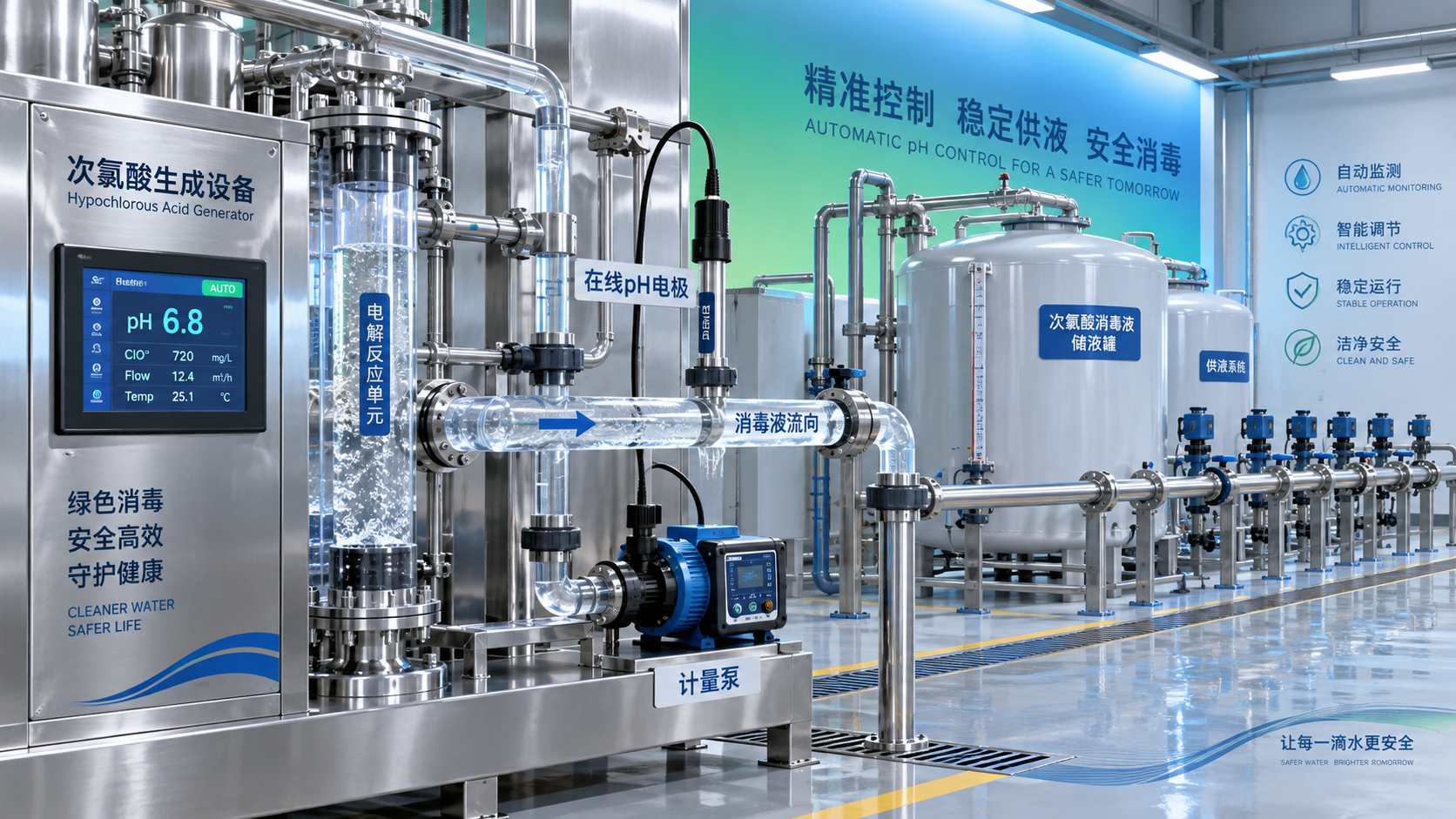
The deodorizing and bactericidal activity of hypochlorous acid relies heavily on pH levels. When the pH is stabilized within the weakly acidic range of 5.0–6.5, active HOCl molecules account for over 90%, reaching peak oxidative and deodorizing performance. Equipped with a high-precision intelligent control system, the generator dynamically adjusts electrolysis parameters and water ratio in real time to lock in the optimal pH range. The resulting HOCl water is mild and non-corrosive, causing no irritation to the skin or respiratory membranes of livestock, nor corroding the steel structures or farming equipment inside the barns.
3. Modular Customized Fitting: Compatible with Various Automated Farming Systems
Livestock farms vary greatly in scale, automation integration, and water demand. Avoiding standardized fixed configurations, this equipment supports full-dimension customization of flow rates and solution concentrations. It can be tailored to meet any demand—from intermittent spray systems for small-scale individual farms to high-flow water supply units for large-scale industrial pig farms. Furthermore, it can interface with existing environmental control devices and IoT management platforms on the farm to enable remote monitoring and one-touch start/stop, achieving a high degree of automation integration.
三、Conclusion
The application of hypochlorous acid generators to livestock odor control is not just an iterative upgrade in environmental protection technology; it is an essential solution for the livestock industry's transition toward a green, healthy, and high-efficiency model. Supported by three core strengths—durable industrial hardware, precise pH control, and flexible custom fitting—this equipment helps farming enterprises simultaneously address three major pain points: environmental emission compliance, epidemic prevention, and long-term operating costs, ultimately achieving a dual boost in both economic and ecological benefits.
NEWS
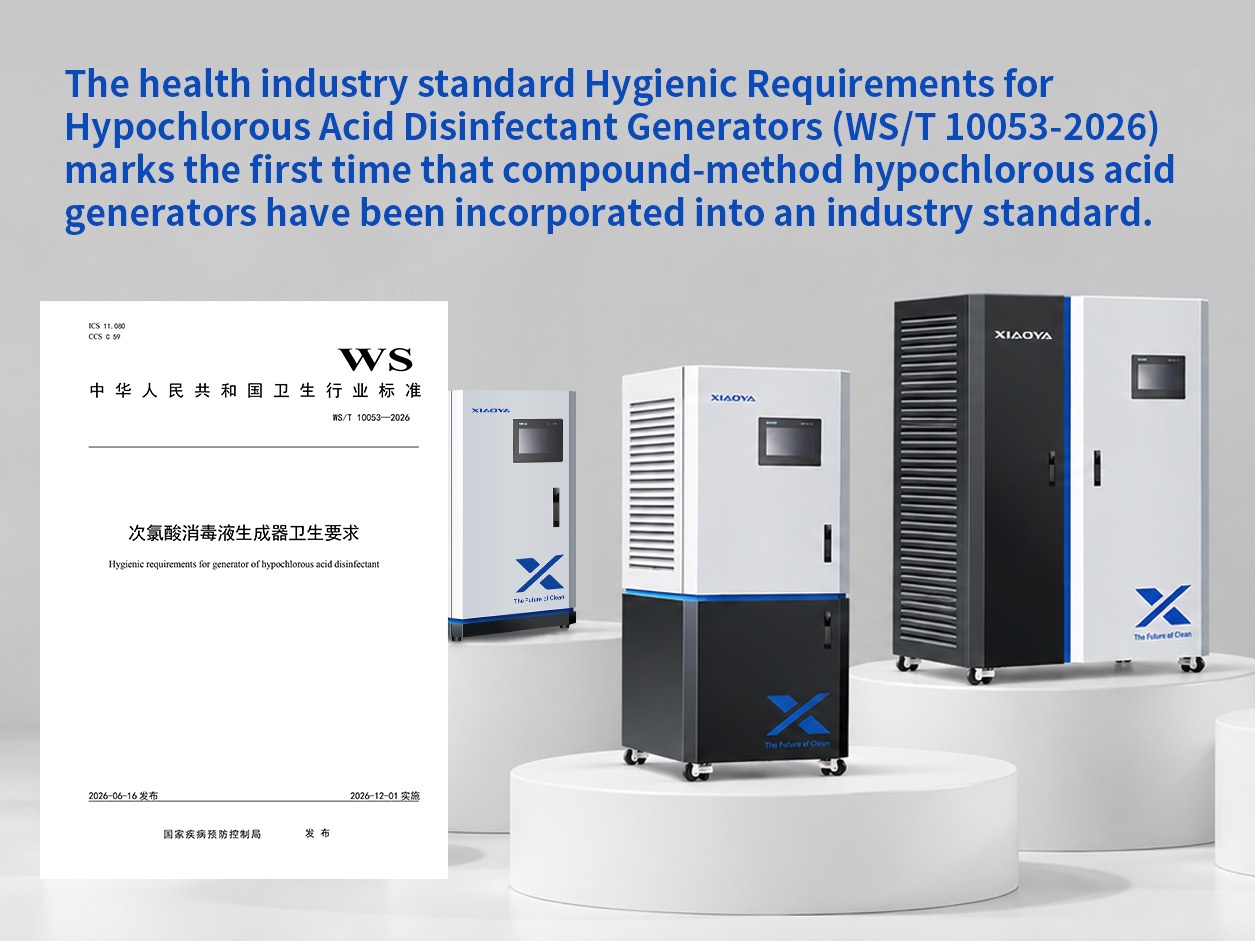
 WS/T 10053-2026 Includes the Compound Method for the First Time: Standard Signals and Market Opportunities for Mass Agricultural Production of Hypochlorous Acid Generators
 Evaluating HClO Generator Lifecycle Costs Beyond the Initial Equipment Price
 HClO Generator pH Control: Why It Determines Disinfection Performance
- Which Safety Features Matter Most When Buying an HClO Generator?
 Troubleshooting Low ORP Readings on a Hypochlorous Acid Machine
Leave us a message

Xiaoya Group was founded in 1979,expert in the electrolyzed water industry.
Get in Touch
*We respect your confidentiality and all information are protected.