news
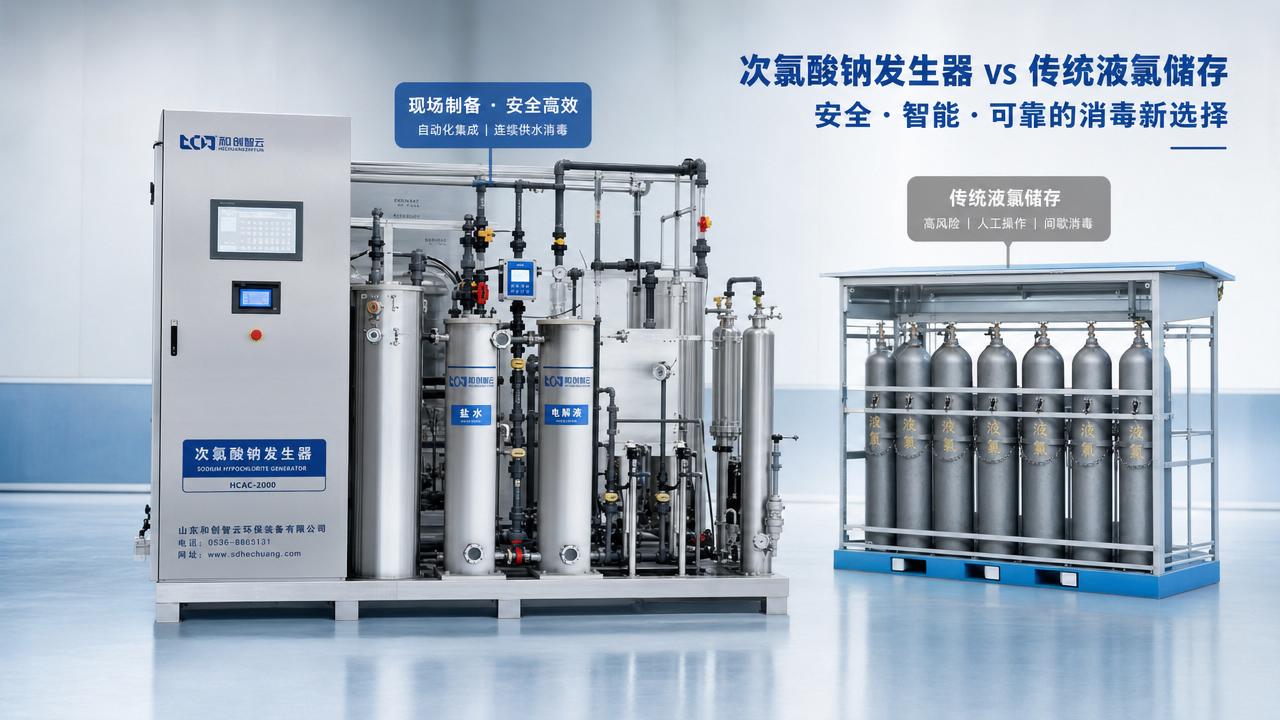
When comparing an on-site hypochlorite generator vs. traditional liquefied chlorine, manufacturers and facility operators are increasingly focused on safety, efficiency, and long-term operating costs. For enterprises engaged in R&D, production, and operation across disinfection appliances, clean energy, and household equipment, choosing the right chlorination solution can directly impact compliance, automation performance, and sustainable growth.
In automated production environments, chlorination is no longer only a water treatment topic. It affects worker safety, dosing stability, equipment integration, maintenance cycles, and plant-level risk control. For decision-makers managing 24/7 operations, the right solution must support continuous output, predictable operating costs, and easier compliance management.
Core Differences in Safety, Storage, and Automation
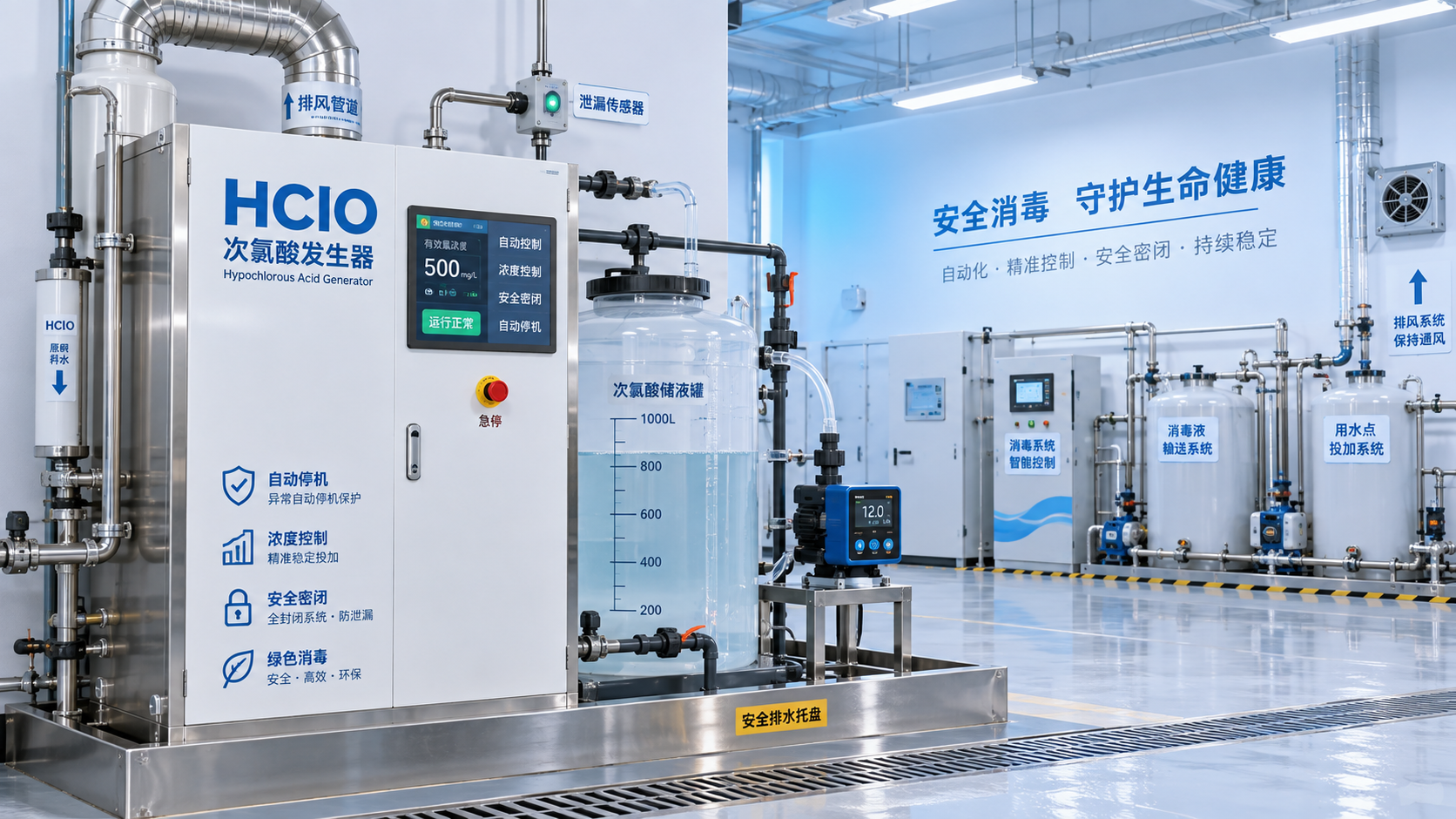
An on-site hypochlorite generator typically produces sodium hypochlorite from salt, water, and electricity at the point of use. Traditional liquefied chlorine depends on cylinder or tank delivery, pressurized storage, and stricter leakage control. In automated equipment facilities, this difference directly changes the safety architecture of the plant.
Why the comparison matters for automated manufacturing
Facilities producing disinfection appliances, kitchen systems, and clean-energy related products often run 2 to 3 shifts per day. A chlorination method that reduces hazardous chemical handling can lower operator intervention frequency, simplify standard operating procedures, and improve consistency in water treatment loops feeding production or sanitation processes.
The table below highlights key operational differences between an on-site hypochlorite generator vs. traditional liquefied chlorine for industrial automation settings.
For most automated equipment operators, the most decisive factor is not only disinfection performance but also the reduction of high-risk storage zones. In plants where uptime targets exceed 95% and operator access is limited, reducing manual chlorine handling can be a meaningful operational advantage.
Typical plant-side pain points
- Frequent cylinder replacement interrupting production support routines
- Additional ventilation, detection, and emergency planning requirements
- Higher training demands for chemical handling teams
- More approval steps for hazardous material storage and transport
Cost Efficiency and Process Control Over the Full Lifecycle
A direct purchase comparison can be misleading. The real value of an on-site hypochlorite generator vs. traditional liquefied chlorine appears over 12 to 36 months, especially when labor, downtime risk, transport dependency, and maintenance planning are included in the evaluation.
Cost categories procurement teams should measure
For B2B buyers in automation equipment, at least 4 cost layers should be reviewed: initial system investment, monthly consumables, labor and safety management, and unplanned shutdown exposure. Plants with stable daily water demand often see better forecasting accuracy when generation is localized.
The following table provides a practical framework for evaluating operating economics and implementation complexity.
In many cases, the more automated the facility becomes, the more valuable process stability becomes relative to raw chemical price alone. This is especially relevant in integrated enterprises handling R&D, production, and operation under one management structure.
Supporting water quality at the equipment level
Chlorination decisions are strongest when paired with upstream water conditioning. For example, a Water purification system can support cleaner feed water and more stable downstream sanitation performance in appliance manufacturing and disinfection-related production lines.
A practical configuration may include ultrafiltration at 1000L/H and UV-C sterilization at 254nm, with a maximum UV sterilization capacity of 0.35T/H. With a sterilization rate above 99.9% and a membrane service life of 3 to 5 years, this type of supporting system helps reduce solids load and biological variability before final disinfection stages.
How to Choose the Right Solution for Your Facility
Selection should begin with actual operating conditions, not with a generic technology preference. Facilities in household appliance and health disinfection manufacturing often have different peak demand patterns, sanitation protocols, and space limits. A good evaluation usually covers 5 checkpoints before procurement approval.
Five checkpoints before final selection
- Measure average and peak water demand over 7 to 14 days.
- Review local rules for hazardous chemical storage and ventilation.
- Confirm PLC, sensor, and dosing pump integration requirements.
- Estimate maintenance windows, spare part cycles, and operator skills.
- Compare 1-year and 3-year total operating cost scenarios.
When on-site generation is often a stronger fit
It is often better suited for plants pursuing automation upgrades, reduced chemical handling, and stable multi-shift production. It also fits sites where supply chain interruptions are a concern or where safety zoning for pressurized chlorine storage would consume valuable floor space.
When liquefied chlorine may still be considered
It may still be considered where existing infrastructure is mature, demand is highly centralized, and internal teams already manage strict hazardous gas protocols. Even then, procurement should assess whether future automation expansion will increase hidden compliance and safety costs.
For manufacturers balancing disinfection performance, automation compatibility, and plant safety, the comparison between an on-site hypochlorite generator vs. traditional liquefied chlorine should be based on lifecycle value, not only on immediate purchase cost. If you are planning a new line, retrofitting an existing facility, or improving water treatment reliability, we can help you evaluate the right configuration, including integrated purification support and control-ready solutions. Contact us today to get a tailored proposal and learn more solutions for your application.
NEWS
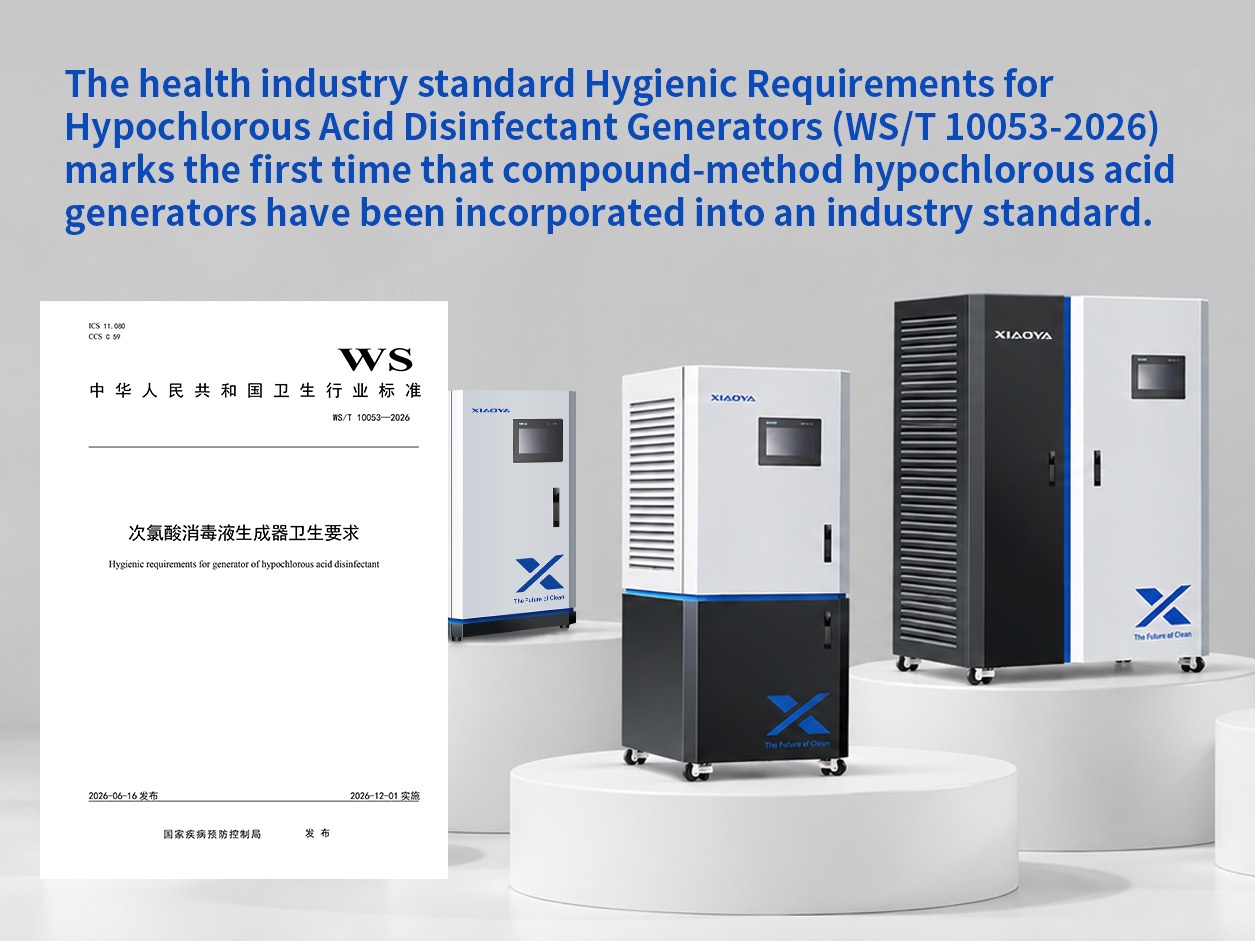
 WS/T 10053-2026 Includes the Compound Method for the First Time: Standard Signals and Market Opportunities for Mass Agricultural Production of Hypochlorous Acid Generators
 Evaluating HClO Generator Lifecycle Costs Beyond the Initial Equipment Price
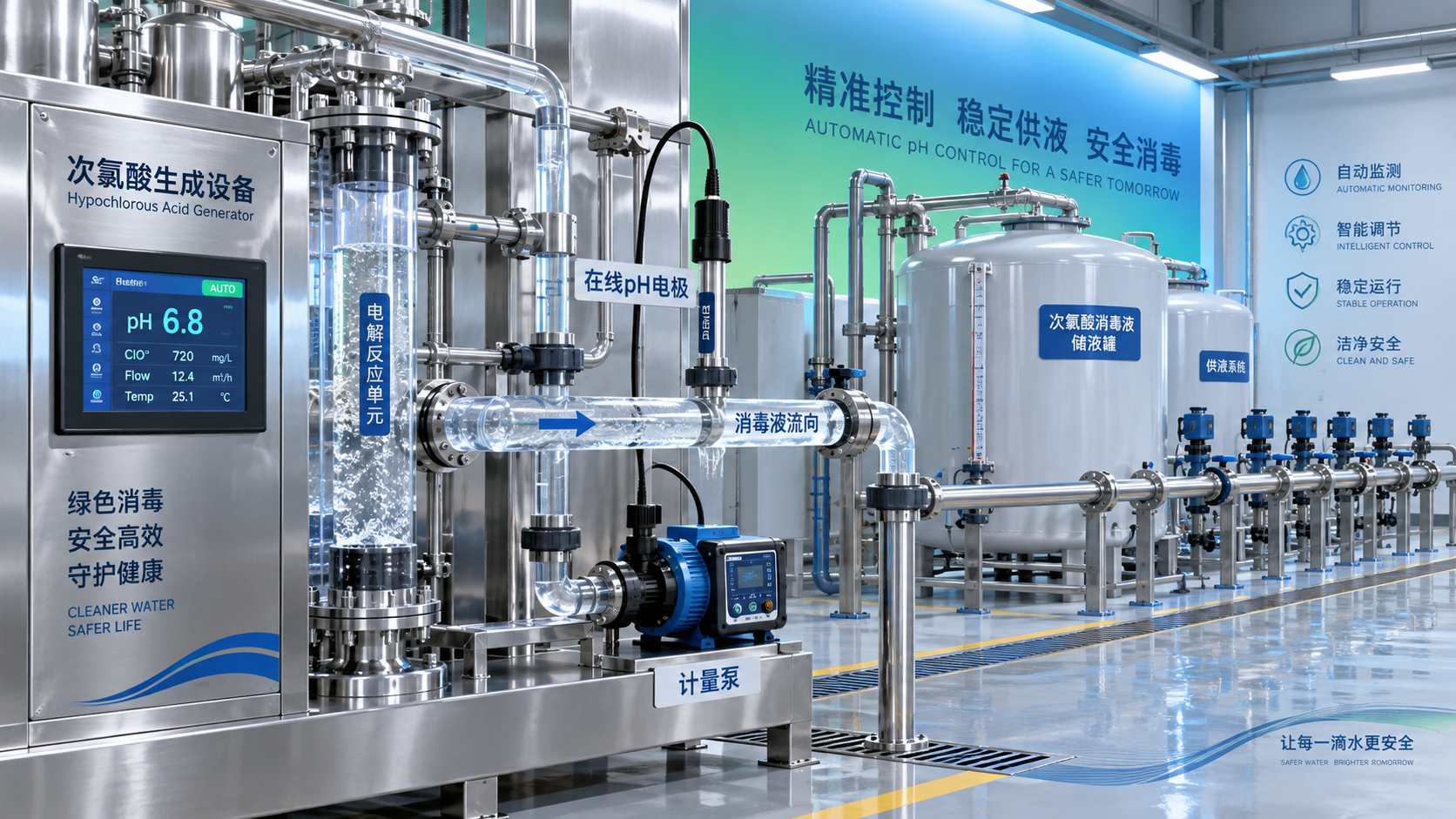
 HClO Generator pH Control: Why It Determines Disinfection Performance
- Which Safety Features Matter Most When Buying an HClO Generator?
 Troubleshooting Low ORP Readings on a Hypochlorous Acid Machine
Leave us a message

Xiaoya Group was founded in 1979,expert in the electrolyzed water industry.
Get in Touch
*We respect your confidentiality and all information are protected.