news
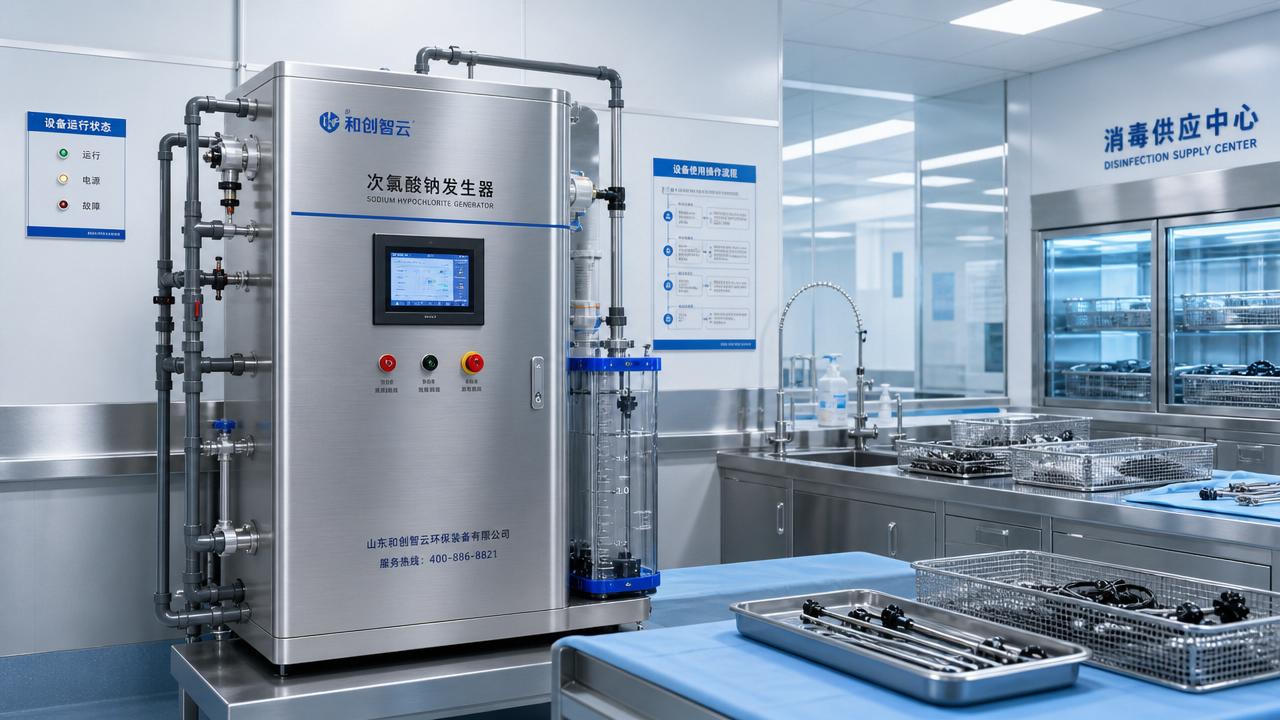
In Karachi’s demanding healthcare environment, a hypochlorite generator offers hospitals a reliable, on-site solution for efficient disinfection and infection control. Backed by strong R&D and manufacturing expertise in health care and disinfection appliances, this technology helps reduce chemical handling risks, improve operational efficiency, and support higher hygiene standards across wards, operating rooms, and critical care areas.
For hospitals in Karachi, the real question is not whether disinfection matters, but how to achieve it consistently, safely, and cost-effectively under daily operational pressure.
A hypochlorite generator is often a practical answer because it produces disinfectant on site, reduces dependence on stored chemicals, and supports faster infection-control workflows.
What hospitals in Karachi are really looking for
When healthcare teams search for a hypochlorite generator for hospital disinfection in Karachi, they usually want more than a basic machine specification list.
They want to know whether the system can lower infection risks, simplify compliance, reduce chemical waste, and perform reliably in high-demand clinical environments.
Hospital administrators may focus on operating cost, supply continuity, and risk control. Infection-control staff usually care more about efficacy, freshness, concentration stability, and ease of daily use.
Why on-site hypochlorite generation makes sense in healthcare
Traditional disinfectant procurement can create storage, transport, and handling challenges. Pre-made chemicals may also lose effectiveness over time if storage conditions are not ideal.
By contrast, on-site generation allows hospitals to produce disinfectant when needed. This improves freshness, reduces stockpiling pressure, and helps maintain more predictable disinfection quality.
In a city as busy as Karachi, supply interruptions and operational variability are real concerns. An on-site system can strengthen resilience by reducing dependence on external chemical deliveries.
Where a hypochlorite generator delivers the most value
The strongest value appears in places where disinfection is frequent, time-sensitive, and directly linked to patient safety, such as operating rooms, ICUs, instrument rooms, and emergency areas.
It is especially useful for medical device cleaning and disinfection, where precision instruments need effective microbial control without harsh chemical residue or excessive corrosion risk.
That is why some hospitals evaluate systems designed specifically for device reprocessing, including flexible endoscopes, minimally invasive surgical instruments, orthopedic tools, and dental instruments.
What to check before choosing a system
Decision-makers should first assess output capacity, because the right system must match daily disinfection volume without creating delays during peak hospital activity.
They should also check whether concentration is adjustable. Different instruments and cleaning tasks may require different disinfection strengths, so flexibility matters in real clinical practice.
Control and monitoring features are another key factor. PLC-based control, modular design, and remote management can improve operational stability and reduce maintenance uncertainty.
Compliance matters as well. Medical qualification and electromagnetic compatibility testing are important signs that the equipment is built with healthcare use in mind.
A practical example for medical device reprocessing
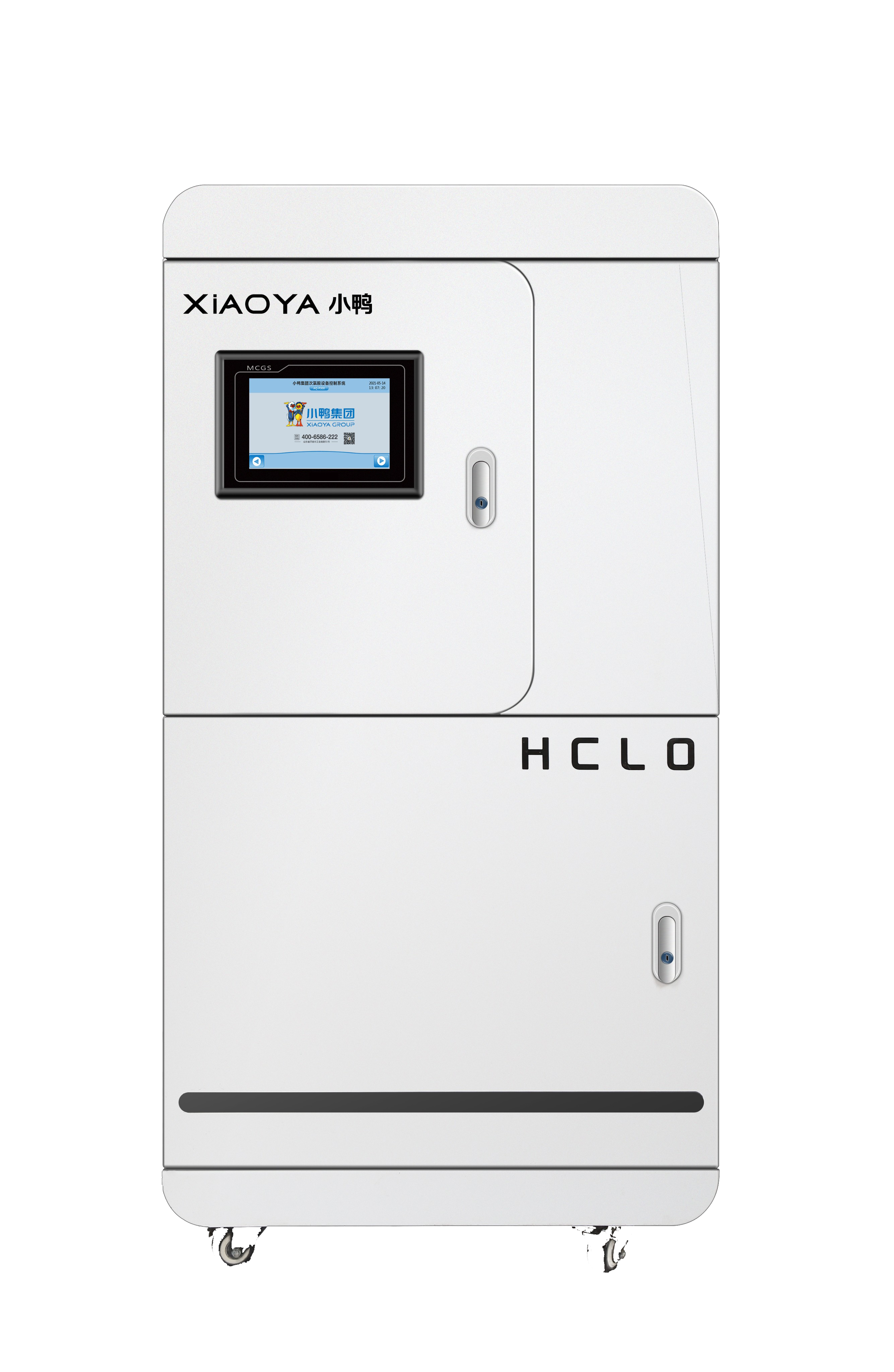
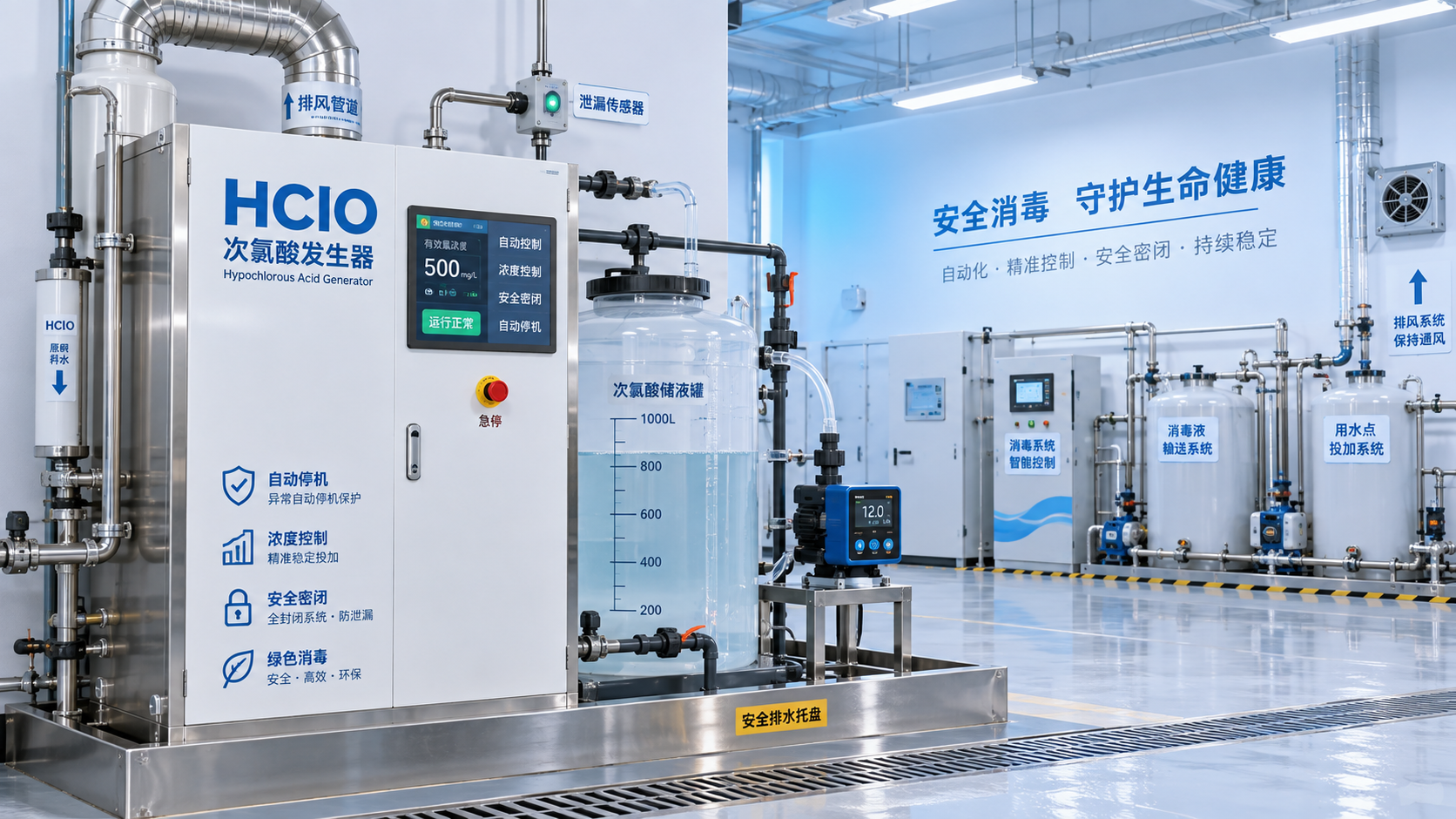
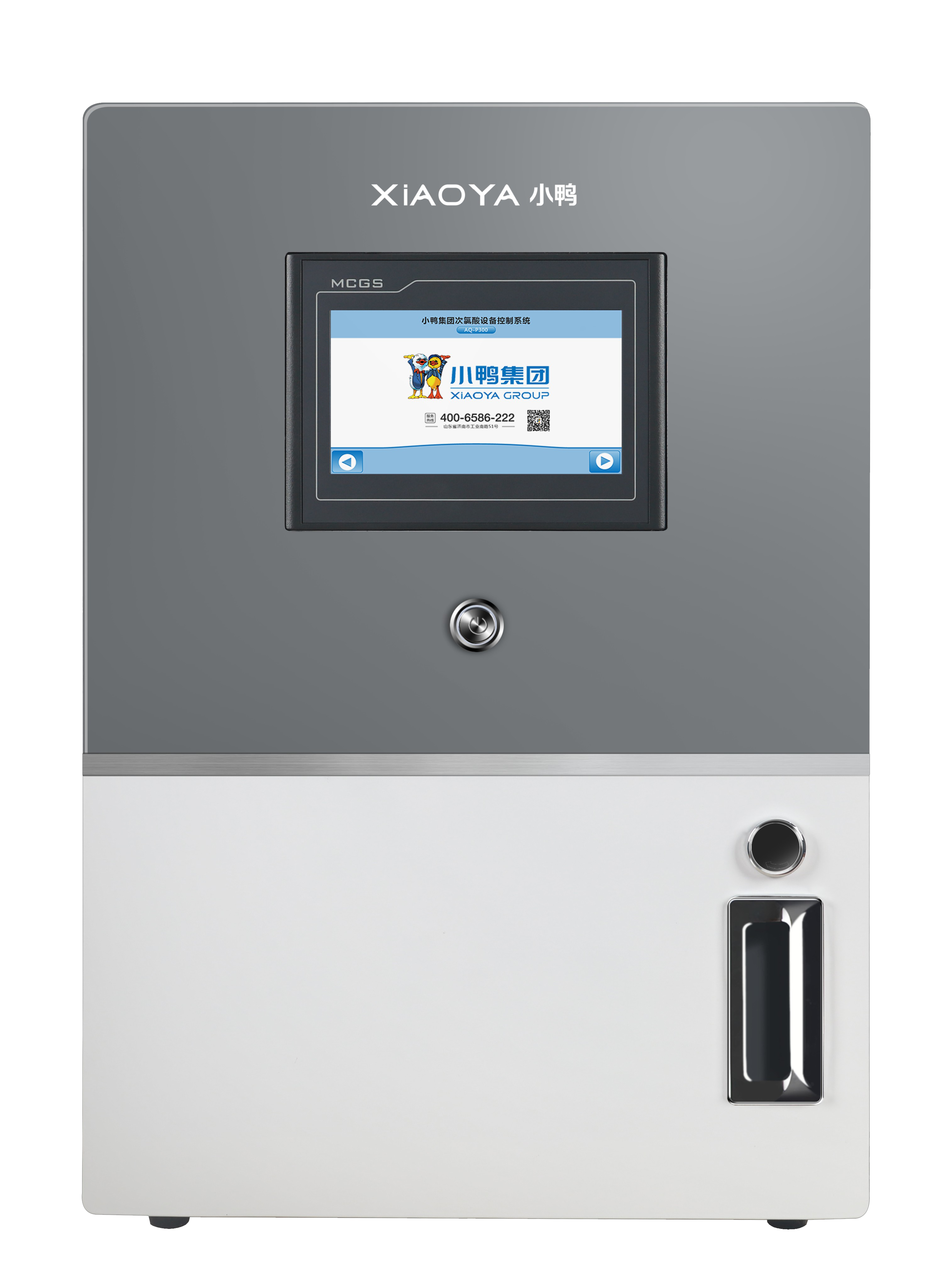
One relevant option is the Hypochlorous Acid Generator for Medical Device Cleaning, developed for healthcare disinfection workflows that require consistency and gentle treatment of instruments.
The XY-SAEW-300 model provides 300 liters per hour output, with hypochlorous acid as the main bactericidal factor, a pH value of 6.37, and available chlorine concentration of 68.9 mg/L.
Its design supports long-term continuous operation, adjustable concentration, and on-site generation, which helps ensure disinfectant freshness while keeping operating costs more controllable over time.
For hospital engineering and sterilization teams, practical details also matter: 220V/50Hz rated voltage, 420W power, 5L electrolyte tank capacity, and electrolyzer service life of at least 3000 hours.
In facilities where digital oversight is useful, integrated 4G remote control can make supervision easier through mobile phone or computer access.
How this supports infection control and operational efficiency
Effective hospital disinfection is not only about killing pathogens. It is also about shortening turnaround time, reducing errors, and making daily protocols easier to follow.
Systems based on hypochlorous acid can help by combining cleaning and disinfection more efficiently, while remaining suitable for many precision medical devices.
Hospitals also value low residue performance, because residue can affect diagnosis, treatment safety, and equipment longevity. Non-corrosive behavior is another major advantage in instrument-heavy departments.
Over the long term, a stable hypochlorite generator can improve cost performance by lowering dependence on repeated purchases, reducing waste, and supporting standardized procedures.
Is a hypochlorite generator the right fit for your hospital?
If your hospital faces frequent disinfection demand, high instrument turnover, chemical handling concerns, or pressure to improve infection-control consistency, the answer is often yes.
The best fit is usually a system that balances output, medical compatibility, operating simplicity, and lifecycle value rather than focusing on price alone.
For Karachi hospitals, a well-chosen hypochlorite generator can be more than a piece of equipment. It can become part of a stronger, safer, and more reliable disinfection strategy.
In short, on-site generation helps healthcare facilities improve hygiene standards, reduce operational risk, and maintain dependable disinfection performance where it matters most.
NEWS
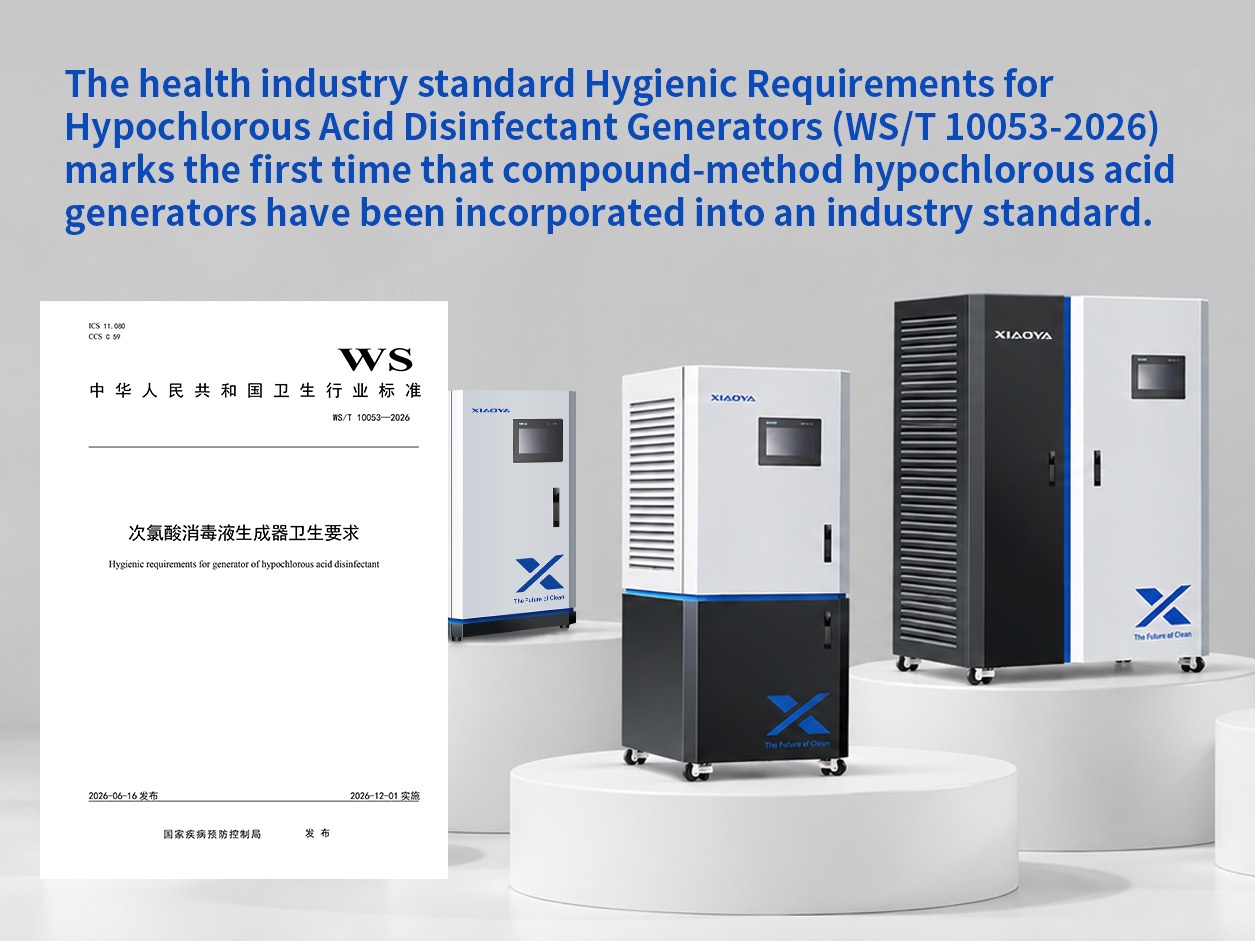
 WS/T 10053-2026 Includes the Compound Method for the First Time: Standard Signals and Market Opportunities for Mass Agricultural Production of Hypochlorous Acid Generators
 Evaluating HClO Generator Lifecycle Costs Beyond the Initial Equipment Price
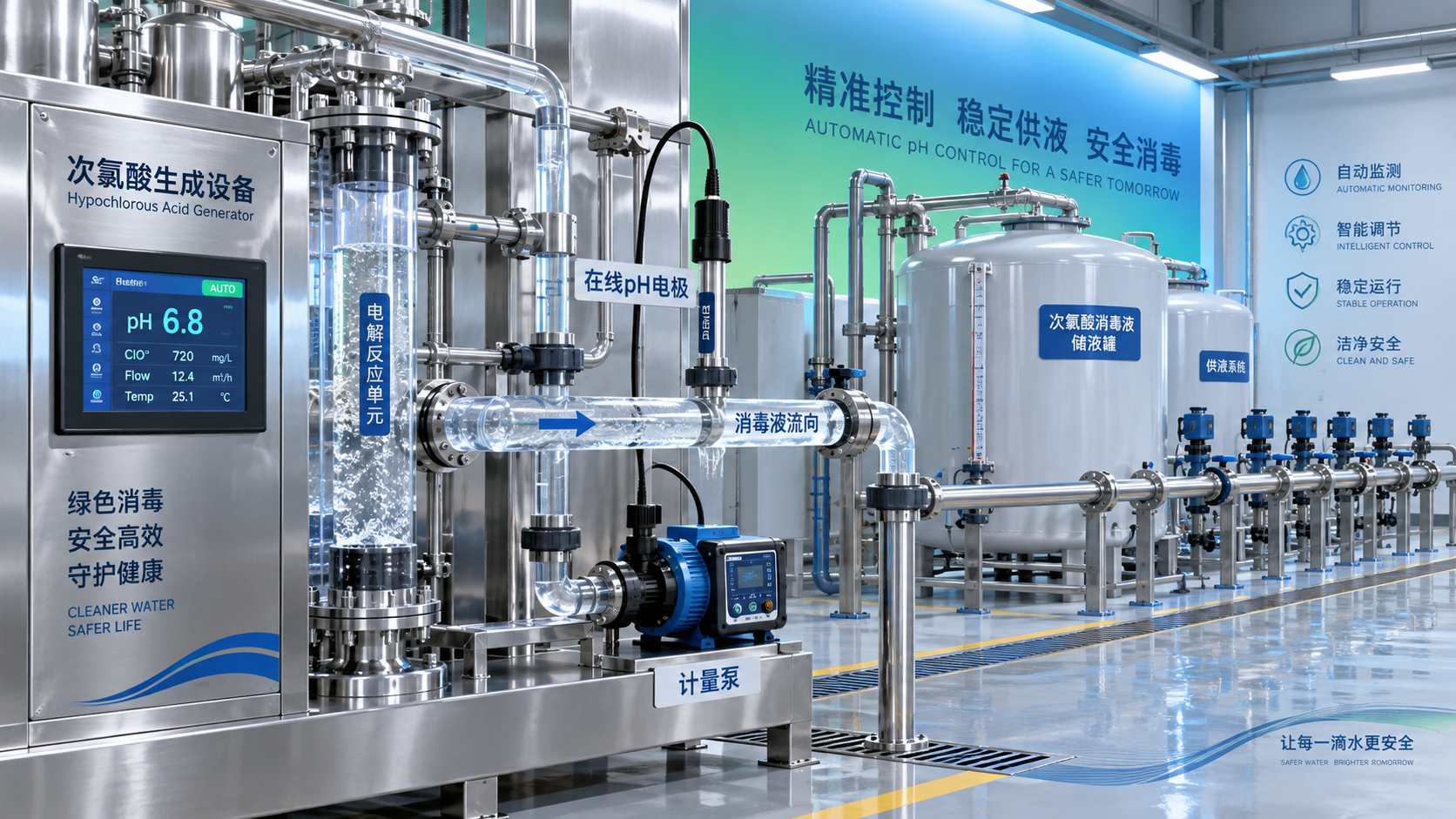
 HClO Generator pH Control: Why It Determines Disinfection Performance
- Which Safety Features Matter Most When Buying an HClO Generator?
 Troubleshooting Low ORP Readings on a Hypochlorous Acid Machine
Leave us a message

Xiaoya Group was founded in 1979,expert in the electrolyzed water industry.
Get in Touch
*We respect your confidentiality and all information are protected.