news
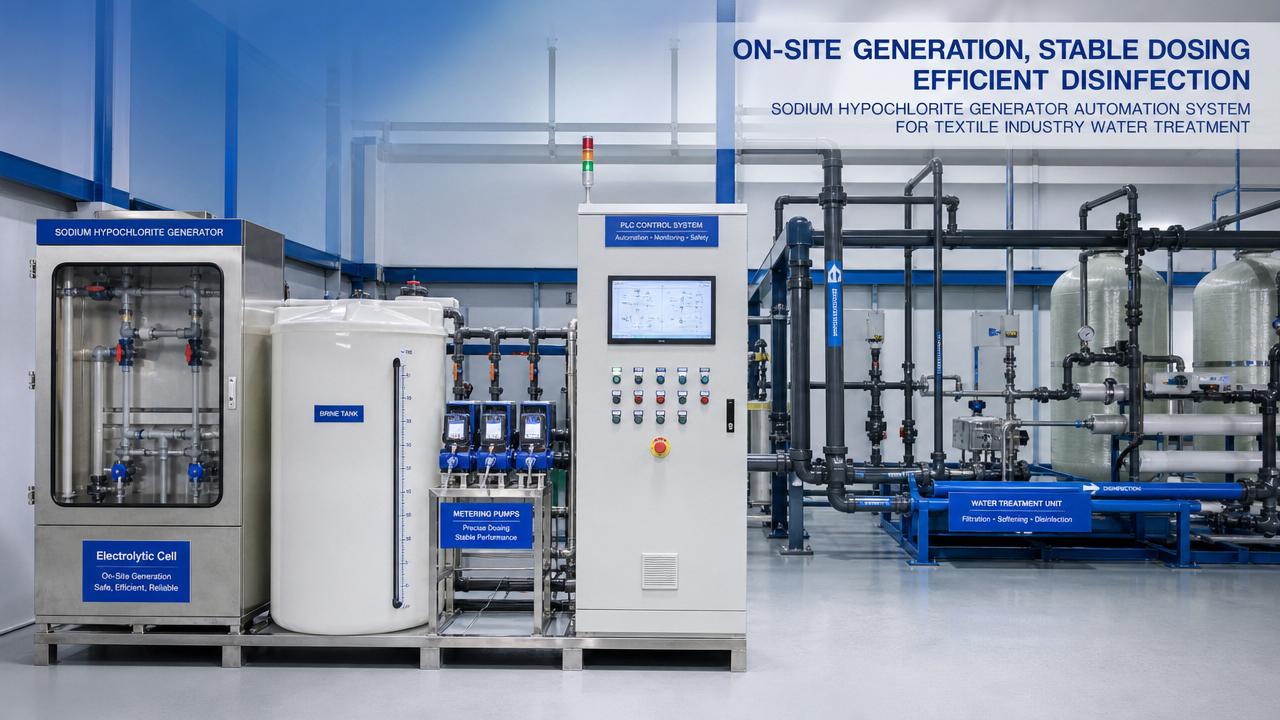
For textile plants in Pakistan seeking safer, more efficient disinfection and water treatment, a Sodium Hypochlorite Generator offers a reliable on-site solution. Designed for industrial automation environments, it helps reduce chemical handling risks, lower operating costs, and support consistent bleaching and sanitation performance. Backed by strong R&D and manufacturing capabilities, this technology is well suited for modern textile facilities aiming to improve productivity, compliance, and sustainability.
Why are Pakistan textile plants moving to on-site sodium hypochlorite generation?
Textile manufacturers in Pakistan face rising pressure on water reuse, process hygiene, worker safety, and chemical cost control. Buying and storing liquid chlorine-based chemicals can create logistics delays, concentration instability, and handling risks.
A Sodium Hypochlorite Generator addresses these issues by producing disinfectant on demand from salt, water, and electricity. For automated textile plants, this supports stable dosing, easier integration with PLC systems, and more predictable production control.
- Reduce dependence on external chemical deliveries and storage infrastructure.
- Improve dosing accuracy for water treatment, sanitation, and selected bleaching support processes.
- Lower operator exposure to concentrated oxidizing chemicals.
- Fit modern automation equipment layouts with monitoring and alarm functions.
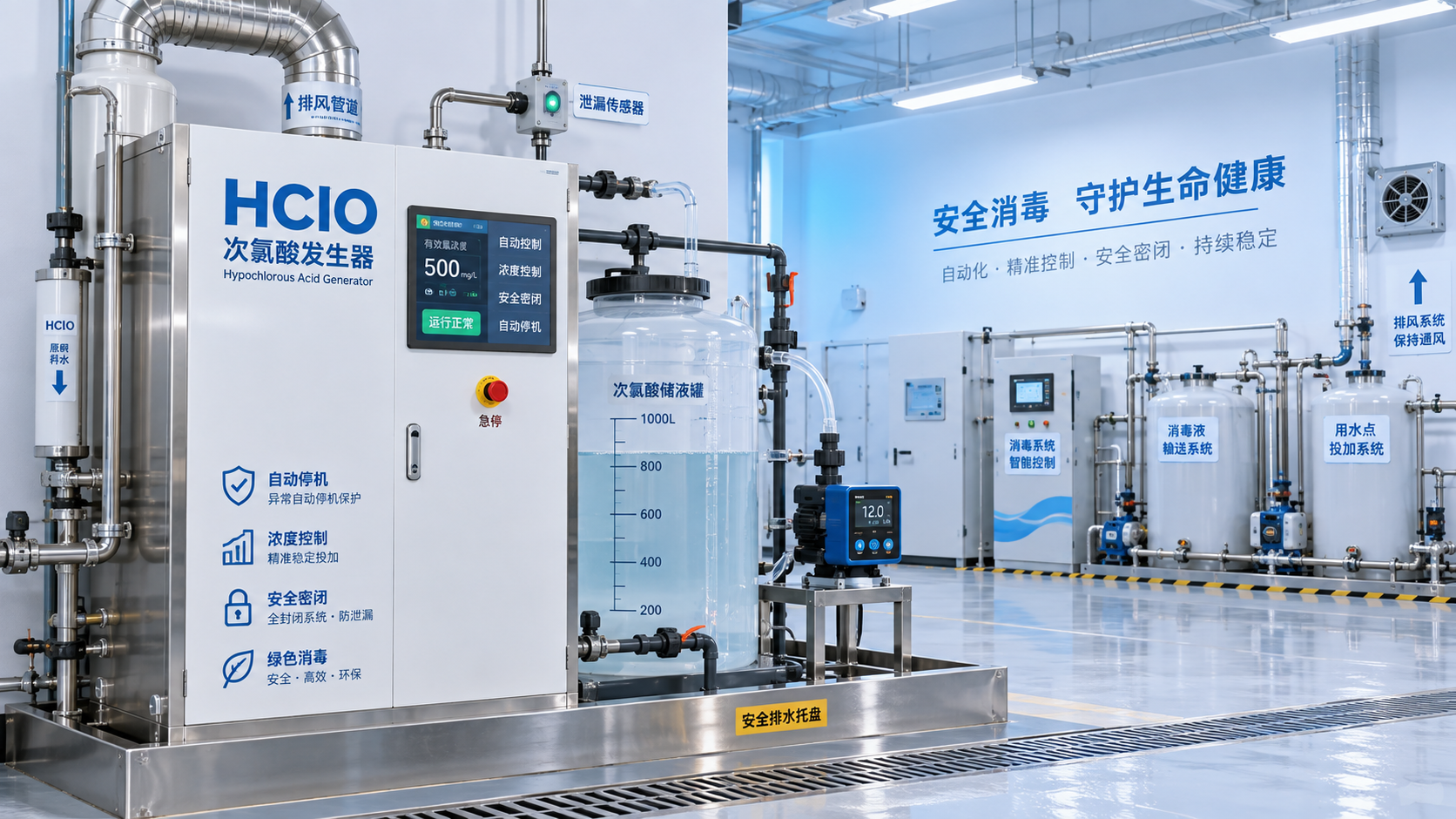
For plants that need broader disinfection flexibility, some buyers also compare sodium hypochlorite systems with solutions such as Pure Hypochlorous Acid (HClO) Electrolyzer for selected disinfection and water treatment applications.
Which textile applications benefit most from a Sodium Hypochlorite Generator?
The best use cases are not limited to one workshop. In Pakistan textile plants, the technology is often evaluated for utility water systems, wastewater treatment support, sanitation zones, and auxiliary bleaching-related tasks where controlled oxidant supply matters.
The table below helps procurement teams judge where an automated sodium hypochlorite system delivers the clearest operational value.
This approach is especially practical for factories with variable production schedules. Instead of overstocking chemicals, plants can match output to operational demand and improve cost visibility.
What should buyers compare before selecting a system?
Not every Sodium Hypochlorite Generator is suited to textile automation. Buyers should check output stability, electrode durability, salt consumption, control compatibility, and maintenance access before making a decision.
Key selection checklist
- Confirm required daily output based on water volume, target residual, and peak demand periods.
- Review whether the system can connect to existing automation panels, sensors, and dosing pumps.
- Check material compatibility for saline and oxidizing environments in local operating conditions.
- Ask about spare parts, cleaning cycles, and operator training requirements.
The table below gives a practical procurement framework for engineering, production, and purchasing teams.
A strong supplier should also understand cross-industry production discipline. Companies with integrated R&D, manufacturing, and operational experience across kitchen and bathroom appliances, health care and disinfection appliances, clean energy, and small household appliances often bring better process control and equipment consistency to automation projects.
How does on-site generation compare with conventional chemical supply?
Many procurement teams focus only on initial equipment cost. In reality, the more important comparison is total operating impact: delivery risk, storage burden, concentration decay, labor, and safety procedures.
Comparison points that matter in textile operations
- Purchased chemicals may degrade over time, while on-site generation provides fresher solution.
- Bulk storage increases safety planning and handling complexity.
- Automated generation can support tighter dosing consistency in continuous production environments.
- Local utility quality and maintenance discipline still affect final performance, so system matching is important.
For plants prioritizing cost-effective and efficient disinfection performance, a review of electrolysis-based alternatives may be useful. In some project discussions, Pure Hypochlorous Acid (HClO) Electrolyzer is considered where process goals favor hypochlorous acid solution production for disinfection or water treatment.
Implementation, compliance, and common mistakes
A Sodium Hypochlorite Generator performs best when installation planning includes water quality review, ventilation, dosing point design, and operator training. Textile plants should also align implementation with local safety practices and general industrial electrical requirements.
Common mistakes to avoid
- Sizing only for average demand and ignoring shift-based peak flow conditions.
- Assuming every water treatment point needs the same concentration and contact time.
- Overlooking salt quality, feed water condition, and scaling risk inside the electrolytic cell.
- Choosing equipment without checking after-sales support and spare part supply.
Where compliance is important, buyers should request documentation related to electrical safety, material suitability, operating manuals, and traceable production testing. General alignment with standard industrial control and safety practices is more useful than vague claims.
FAQ for Pakistan textile plant buyers
How do I estimate the right generator capacity?
Start with daily treated water volume, target dosage, peak hourly demand, and whether the system serves one point or multiple lines. Capacity should be calculated with production fluctuation in mind, not only nominal daily average.
Is a Sodium Hypochlorite Generator suitable for older textile plants?
Yes, if there is enough utility space, stable power, and a workable dosing layout. Retrofit projects often succeed when the supplier reviews piping, storage replacement, and signal integration before shipment.
What affects operating cost most?
Salt consumption, power usage, maintenance frequency, electrode condition, and actual dosing control all matter. Poor sizing or unstable water quality can increase total cost even if the equipment price looks attractive.
Why choose us for textile disinfection and water treatment automation?
We understand that Pakistan textile plants need more than a machine. They need a workable automation solution that fits process realities, budget limits, delivery schedules, and plant safety requirements. Our background in R&D, production, and operation across disinfection appliances, clean energy, and household equipment manufacturing supports disciplined engineering and stable product execution.
You can contact us to discuss output parameter confirmation, product selection, integration with dosing and control systems, delivery timing, customized configuration, documentation needs, sample support for evaluation, and quotation planning based on your plant’s actual water treatment or sanitation workload.
NEWS
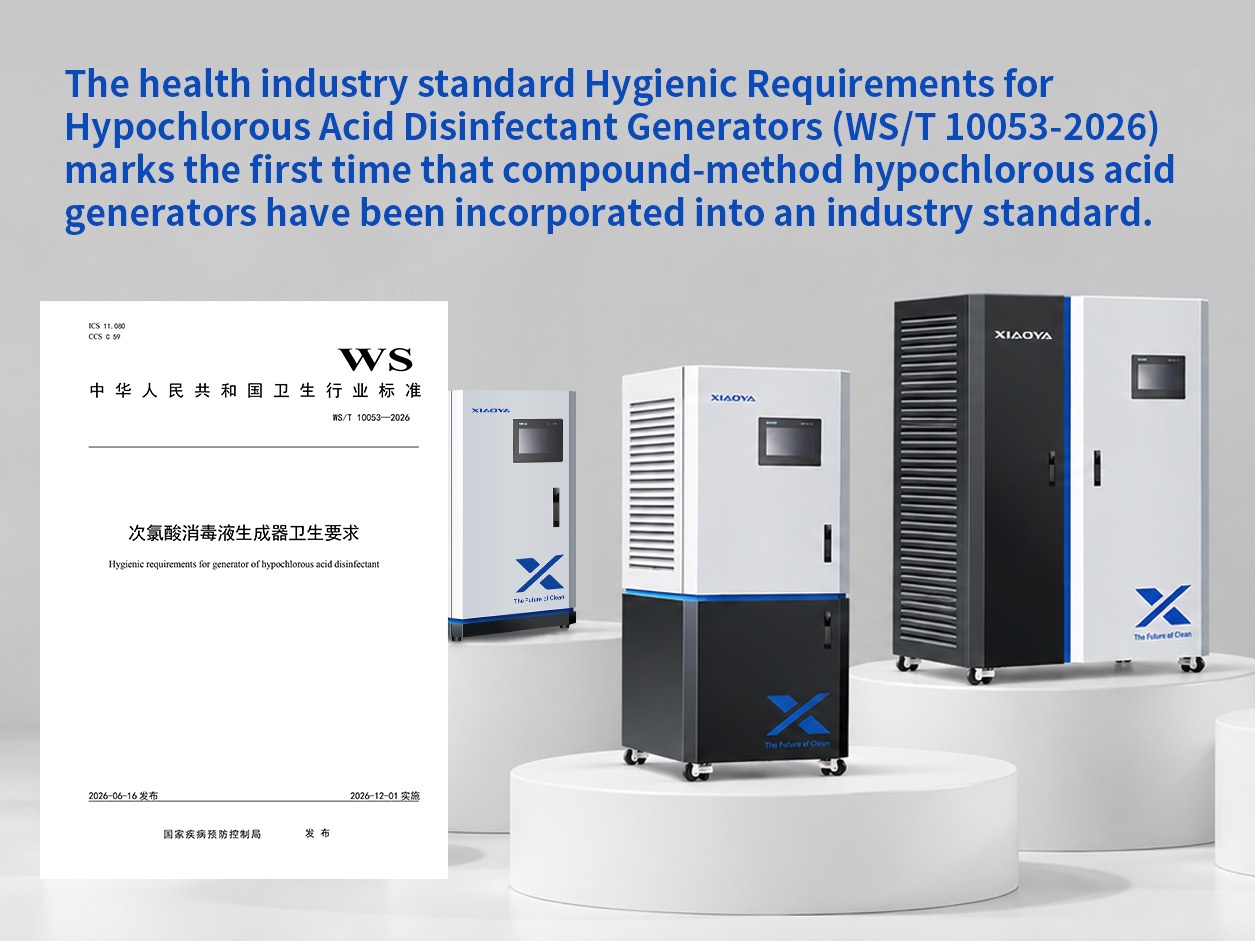
 WS/T 10053-2026 Includes the Compound Method for the First Time: Standard Signals and Market Opportunities for Mass Agricultural Production of Hypochlorous Acid Generators
 Evaluating HClO Generator Lifecycle Costs Beyond the Initial Equipment Price
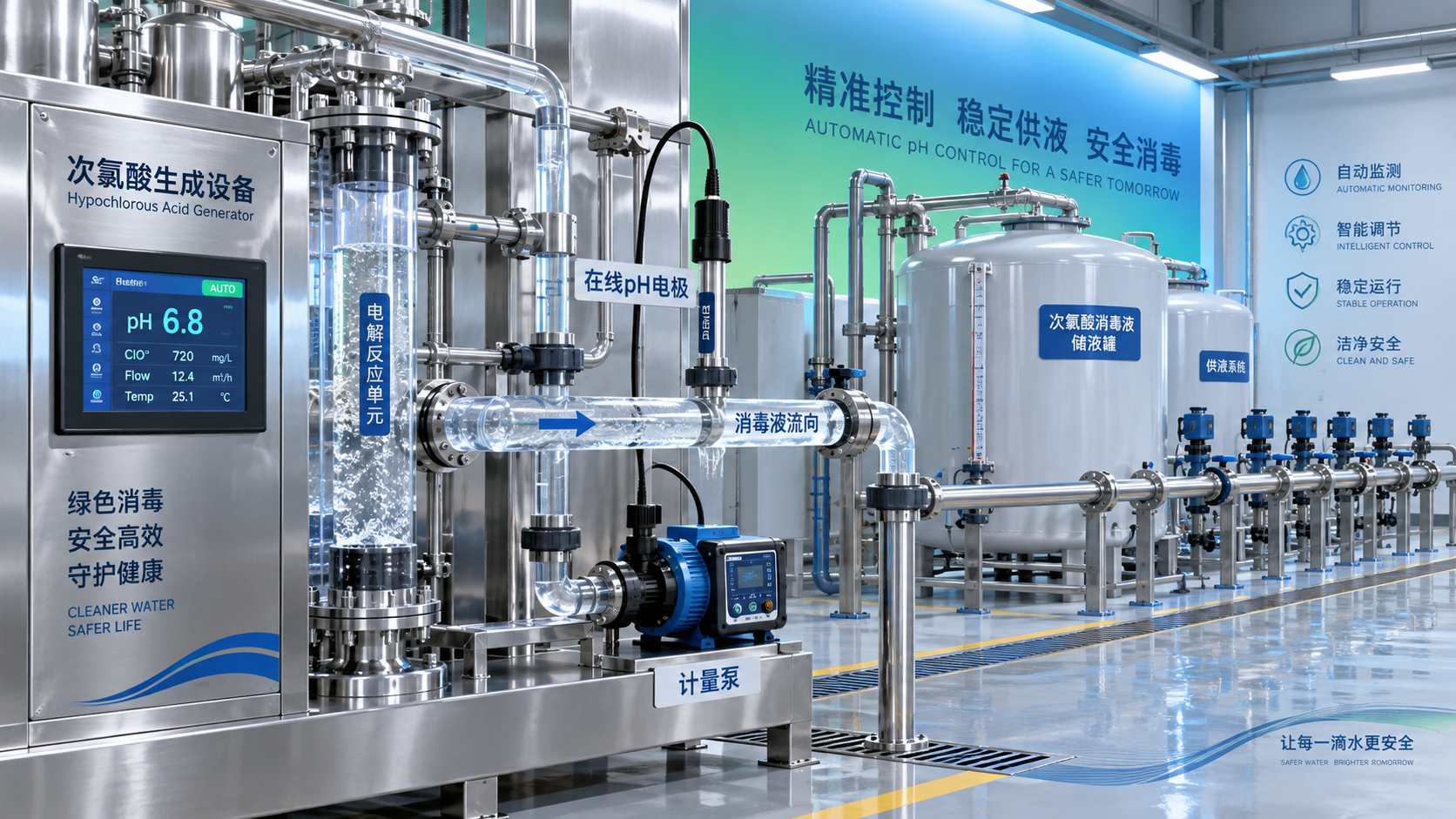
 HClO Generator pH Control: Why It Determines Disinfection Performance
- Which Safety Features Matter Most When Buying an HClO Generator?
 Troubleshooting Low ORP Readings on a Hypochlorous Acid Machine
Leave us a message

Xiaoya Group was founded in 1979,expert in the electrolyzed water industry.
Get in Touch
*We respect your confidentiality and all information are protected.