news
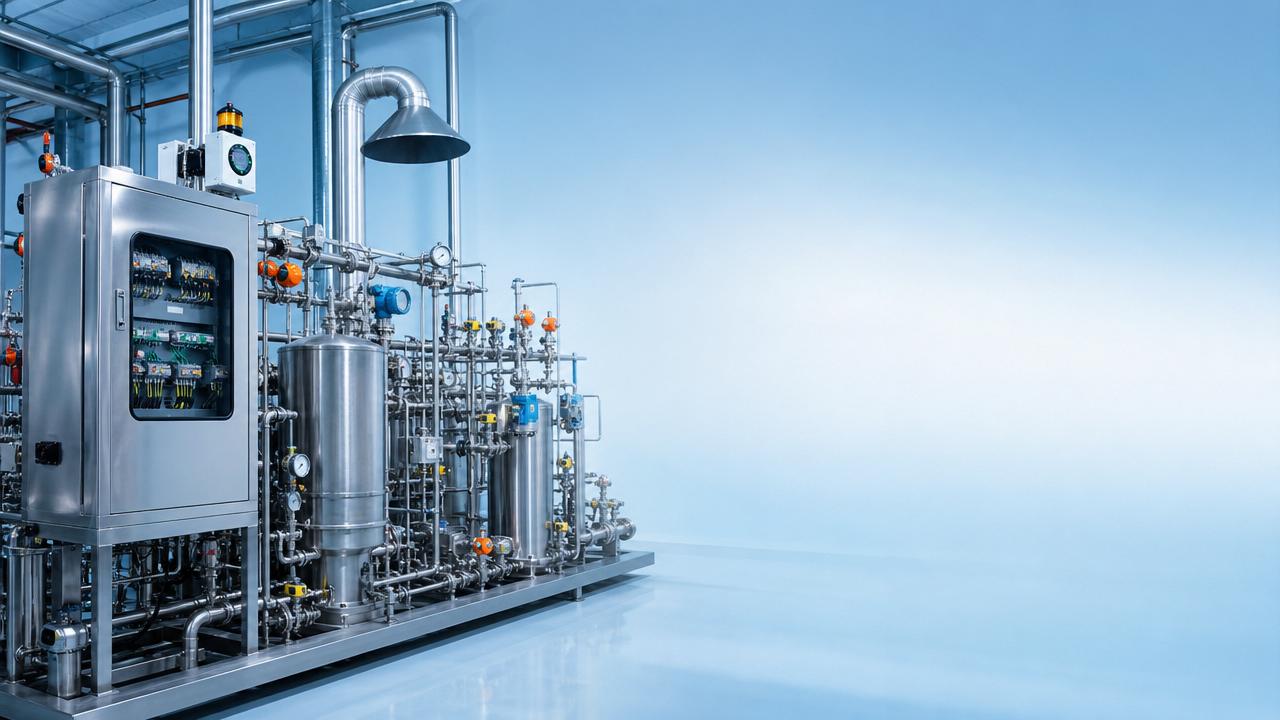
On-site chlorine generation safety and standards are critical for reliable disinfection in automated equipment production. In operations spanning R&D, manufacturing, and product delivery, safe system design supports compliance, process stability, and consistent product quality.
Why a Safety and Standards Checklist Matters
On-site chlorine generation reduces chemical transport risks, but it adds control, ventilation, and monitoring demands. A checklist helps verify that each automated equipment installation meets safety standards before startup, maintenance, and daily operation.
It also improves cross-functional consistency. Engineering, quality, and operations can review the same chlorine generation safety points, reducing preventable faults, shutdowns, and nonconformance during audits.
Core On-Site Chlorine Generation Safety Checklist
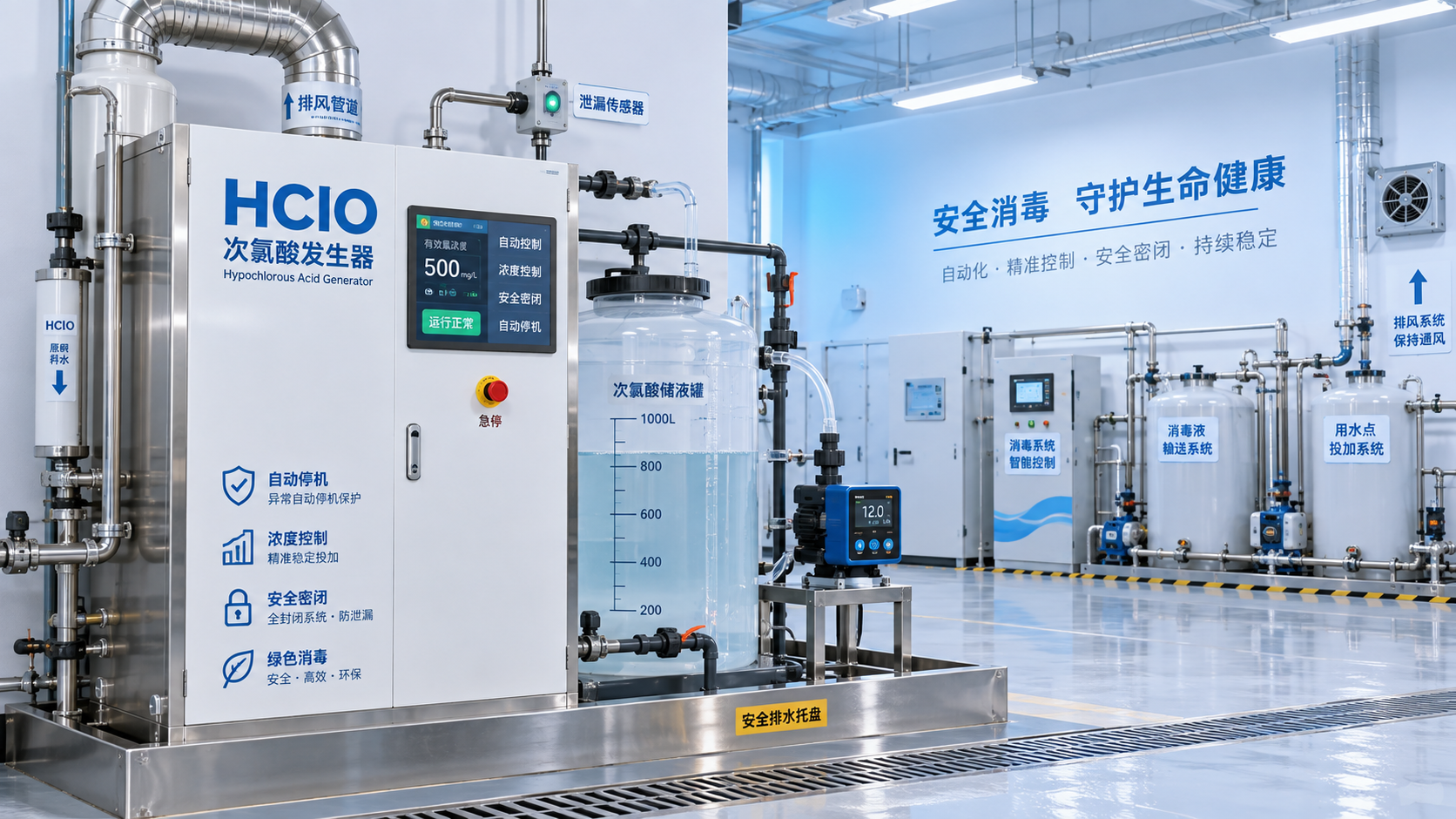
- Confirm ventilation capacity, gas dispersion paths, and emergency exhaust performance before energizing any on-site chlorine generation unit in enclosed automated equipment areas.
- Verify electrolyte dosing, water quality range, inlet pressure, and electrical grounding to keep chlorine generation output stable and within validated operating limits.
- Install sensors for chlorine leakage, pressure deviation, and abnormal temperature, then connect alarms to shutdown logic for faster incident containment.
- Check material compatibility for pipes, seals, tanks, and valves to prevent corrosion, cracking, and concentration drift in continuous-use disinfection systems.
- Document preventive maintenance intervals, electrolyzer service life, calibration frequency, and operator actions so safety standards remain traceable during inspections.
- Validate concentration control against application needs, because overproduction increases exposure risk while underproduction weakens disinfection performance and compliance results.
Application Notes for Automated Equipment Settings
Appliance and Disinfection Production
In appliance assembly and disinfection appliance manufacturing, on-site chlorine generation safety depends on repeatable dosing and protected control cabinets. Electrical isolation, locked service access, and clear chemical labeling reduce operational errors.
Educational and Public-Use Environments
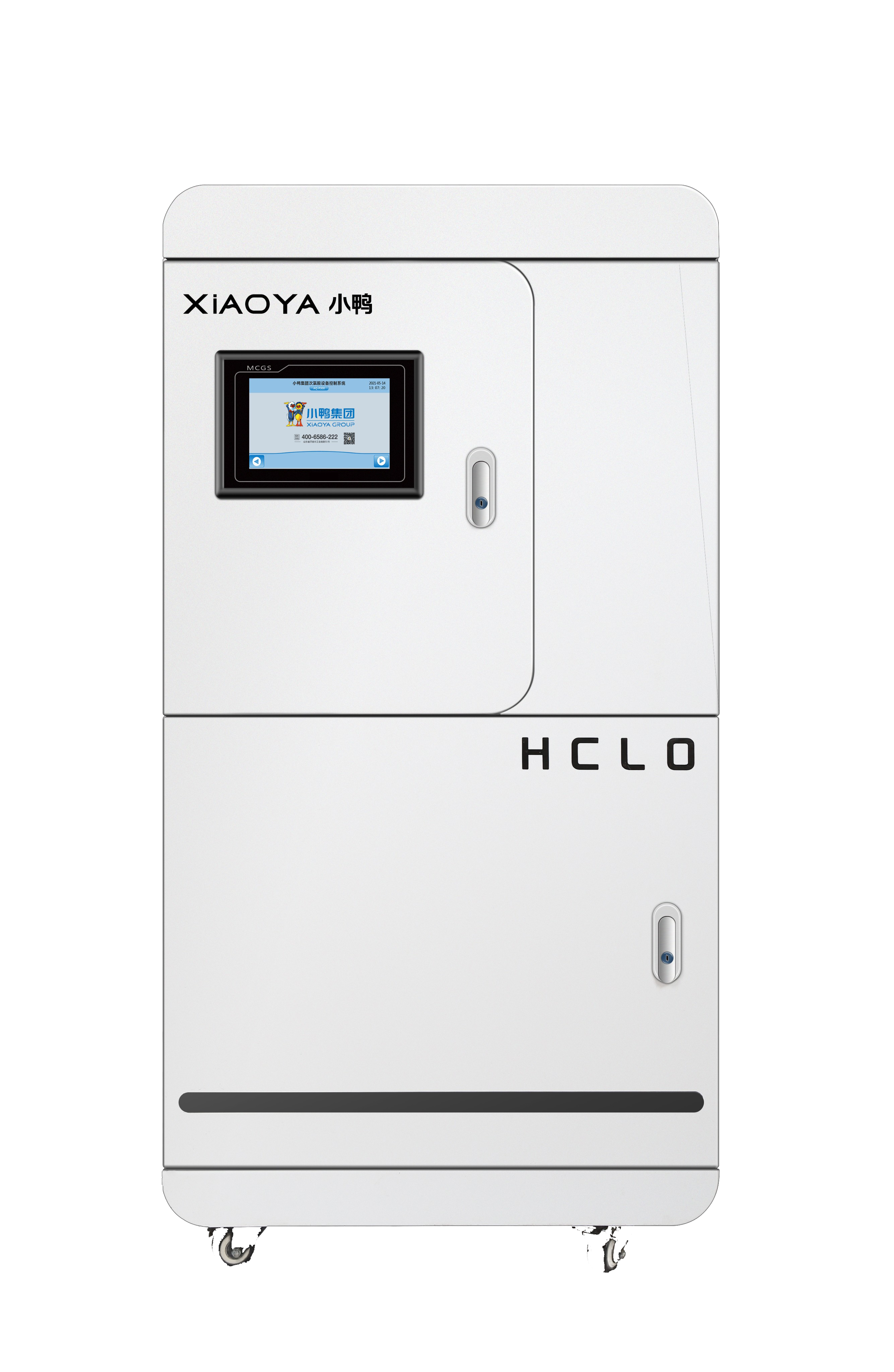
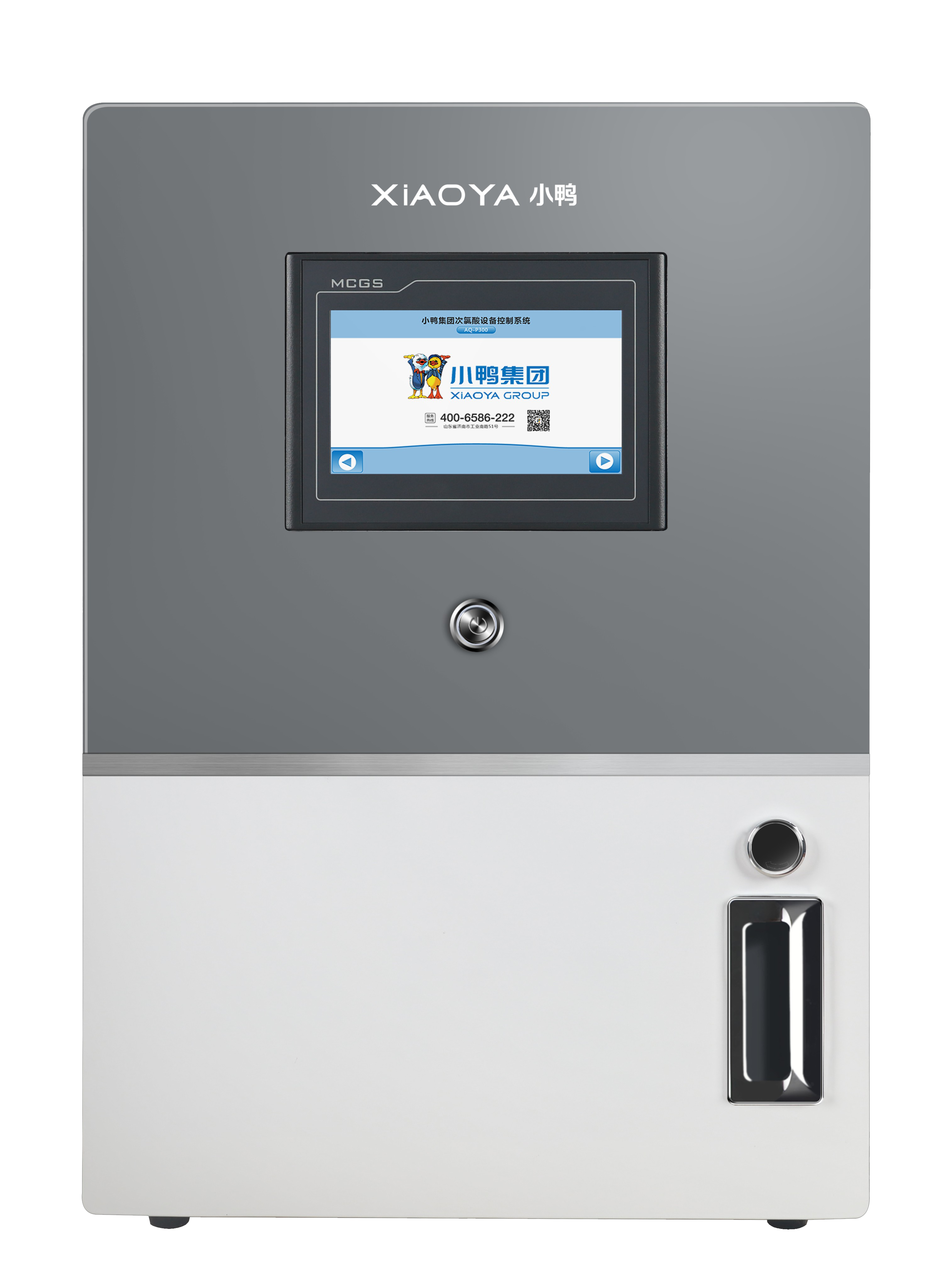
For schools and childcare environments, systems must balance effective disinfection with gentle application. The Hypochlorous Acid Generator for Educational Institutions (AQ-P100-4G) fits this need with adjustable 10-80ppm concentration and 60-120L/h output.
Its one-key operation, 170W rated power, and pH 5.0-6.5 control support practical deployment in campuses, community schools, and early education centers where simple operation and compliant disinfection matter.
Commonly Overlooked Risks
Ignoring raw water fluctuations is a frequent mistake. Changes in hardness, conductivity, or pressure can affect chlorine generation stability and push output outside expected safety standards.
Another missed item is end-of-life planning for core components. Electrolyzer performance decline may not trigger immediate failure, yet it can gradually reduce disinfection accuracy and increase maintenance risk.
Alarm systems are also often installed without response drills. On-site chlorine generation safety requires tested actions, not only hardware, especially in automated equipment lines with limited manual supervision.
Practical Execution Steps
- Map every hazard point from water inlet to discharge.
- Set operating limits for concentration, pressure, and ventilation.
- Run acceptance testing before production handover.
- Review maintenance records against safety standards monthly.
Conclusion and Next Action
Strong on-site chlorine generation safety starts with clear standards, controlled automation, and disciplined verification. Use a site-specific checklist, confirm component compatibility, and match disinfection output to the real application.
Where low-residue, people-friendly disinfection is required, review solutions such as the educational-use hypochlorous acid system above, then align configuration, training, and maintenance with documented safety standards.
NEWS
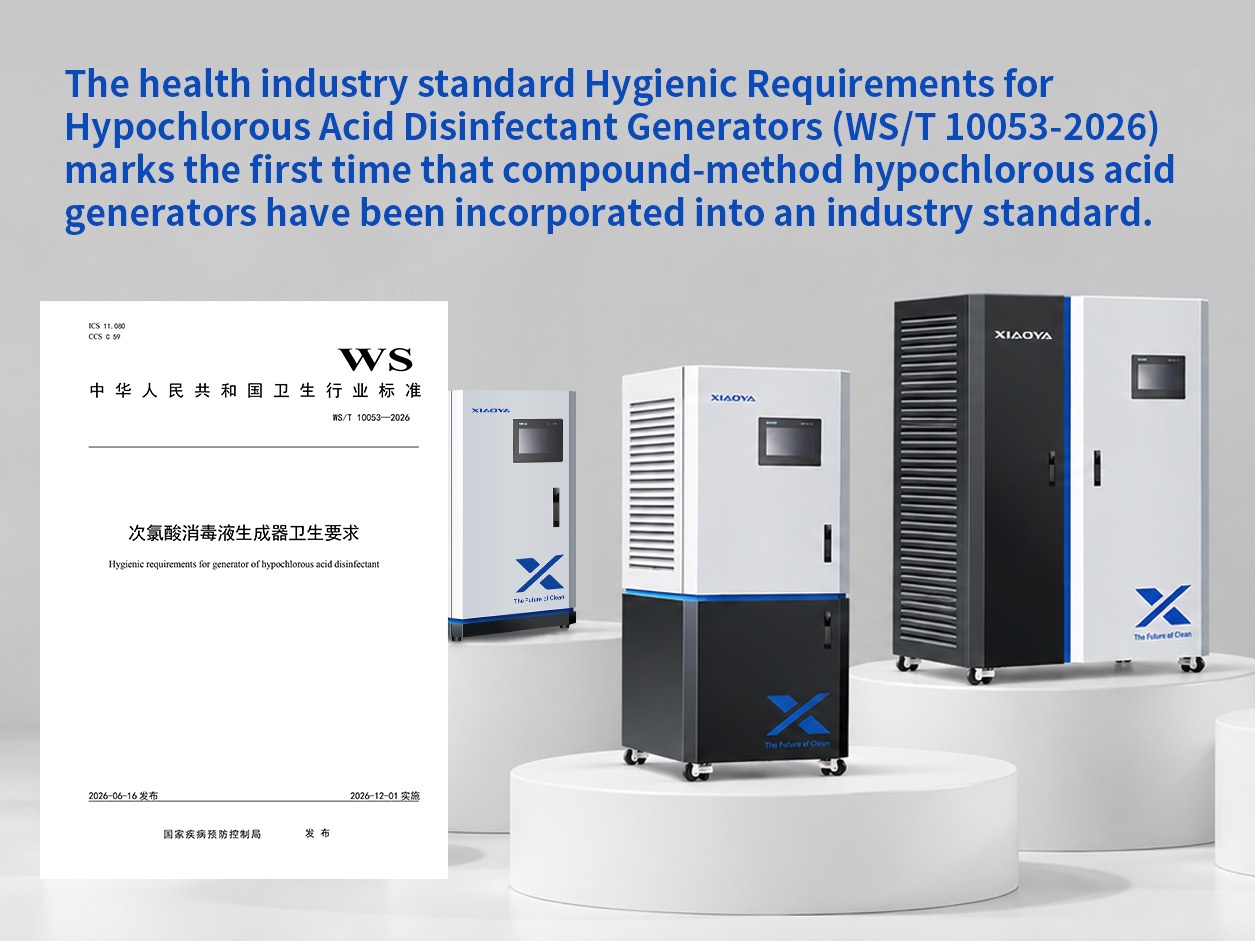
 WS/T 10053-2026 Includes the Compound Method for the First Time: Standard Signals and Market Opportunities for Mass Agricultural Production of Hypochlorous Acid Generators
 Evaluating HClO Generator Lifecycle Costs Beyond the Initial Equipment Price
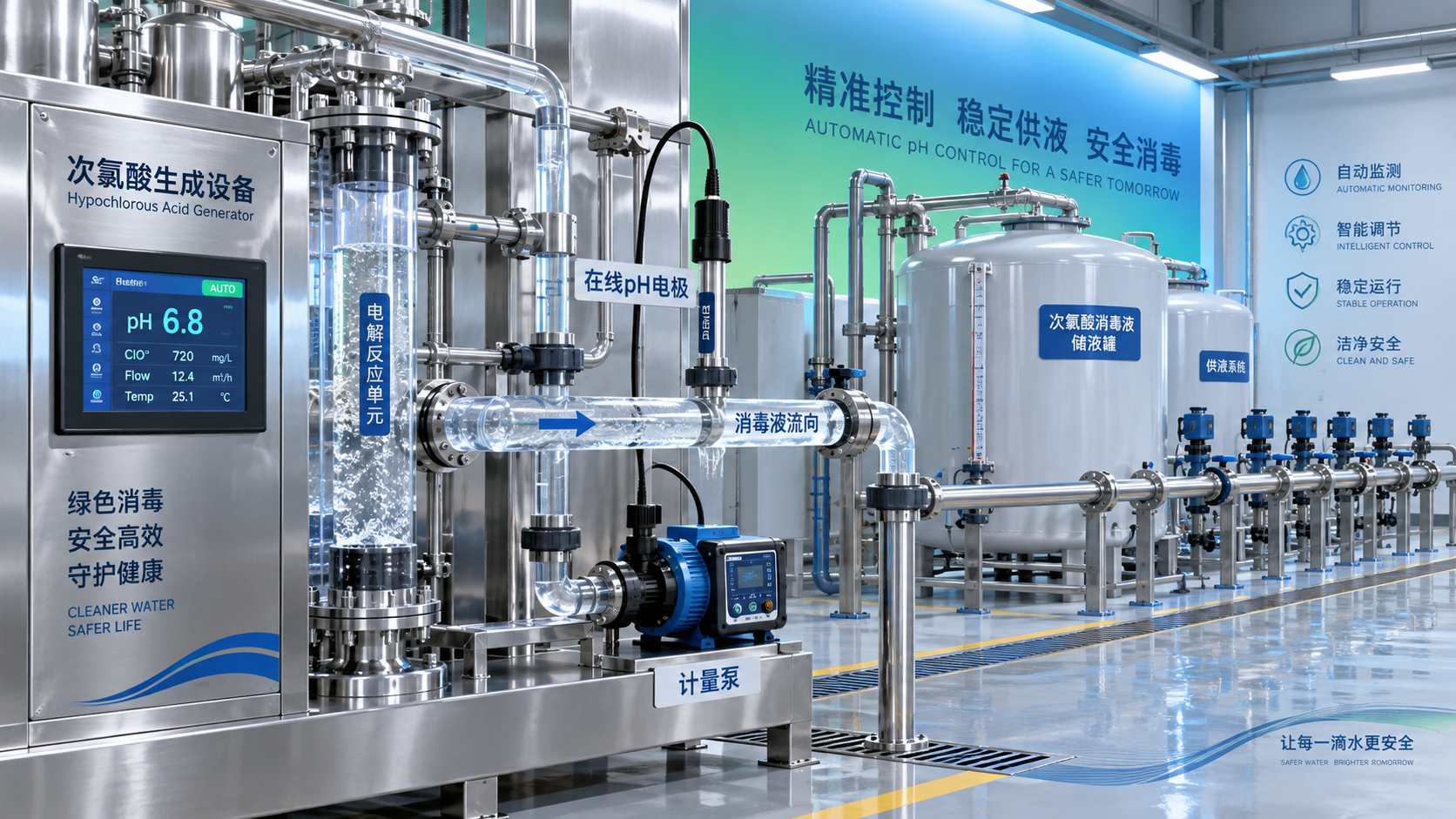
 HClO Generator pH Control: Why It Determines Disinfection Performance
- Which Safety Features Matter Most When Buying an HClO Generator?
 Troubleshooting Low ORP Readings on a Hypochlorous Acid Machine
Leave us a message

Xiaoya Group was founded in 1979,expert in the electrolyzed water industry.
Get in Touch
*We respect your confidentiality and all information are protected.