news
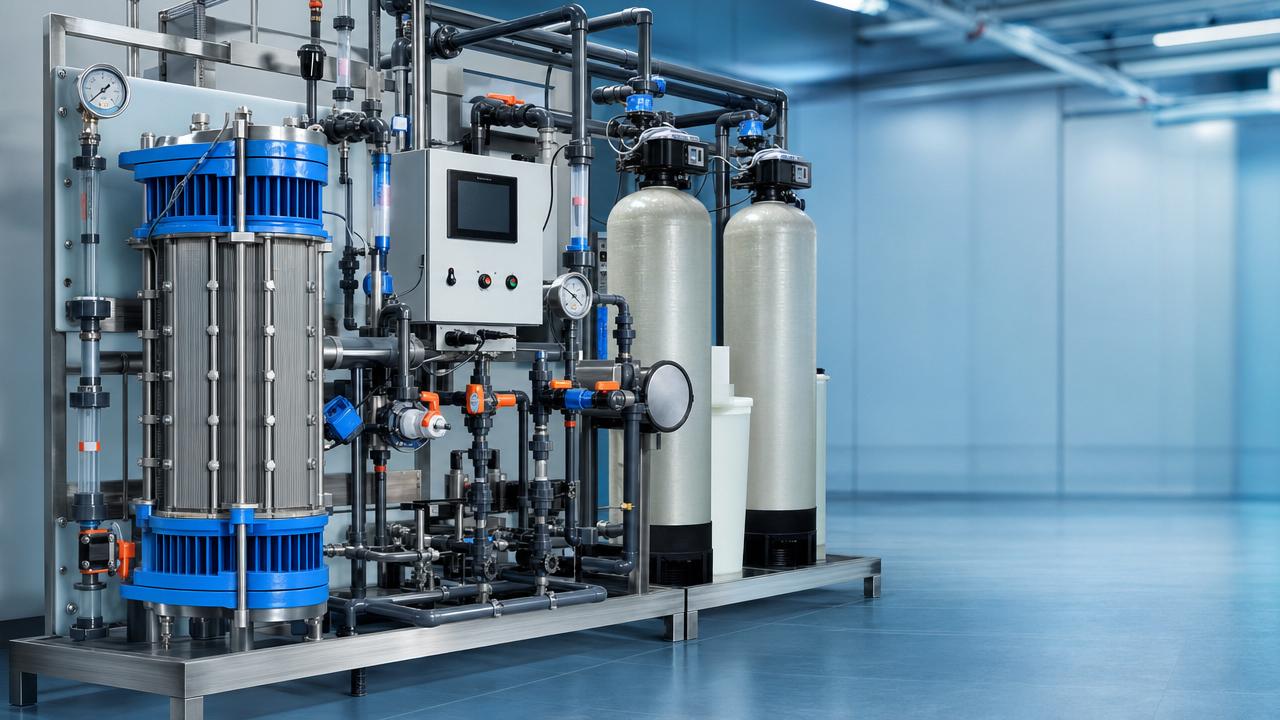
In Pakistan, water hardness can seriously affect the efficiency and lifespan of NaOCl generators, leading to scale buildup, unstable chlorine output, and higher maintenance costs. In automation equipment applications, overcoming Pakistan water hardness in NaOCl generators is critical for stable disinfection, predictable output, and lower lifecycle expense.
Why a checklist matters for Pakistan water hardness in NaOCl generators
Hard water introduces calcium and magnesium into the electrolytic process. These minerals foul electrodes, narrow flow paths, and reduce current efficiency inside automated dosing and disinfection systems.
A checklist approach helps standardize inspection, pretreatment, cleaning cycles, and performance verification. It also supports better control across R&D, production, and operation in integrated equipment businesses.
Core checklist for overcoming Pakistan water hardness in NaOCl generators
- Test inlet water hardness weekly and record TDS, calcium, magnesium, and pressure trends before scale starts affecting chlorine generation stability.
- Install suitable pretreatment, such as softening, antiscalant dosing, or RO polishing, based on raw water quality and target disinfectant consistency.
- Check electrode surfaces regularly and clean early deposits before mineral layers increase power draw and reduce available chlorine output.
- Verify flow rate, pressure, and salt concentration together, because poor balance often appears as unstable NaOCl quality rather than obvious mechanical failure.
- Calibrate sensors and dosing controls on schedule to keep automation equipment accurate when source water quality shifts seasonally.
- Track maintenance cost per operating hour to identify whether water hardness treatment is delivering measurable operational value.
Application notes across automated disinfection scenarios
Industrial and facility disinfection
For continuous automated disinfection, hard water usually causes slow efficiency loss before alarms appear. Trend monitoring is more useful than reacting only to shutdown events.
Medical cleaning systems
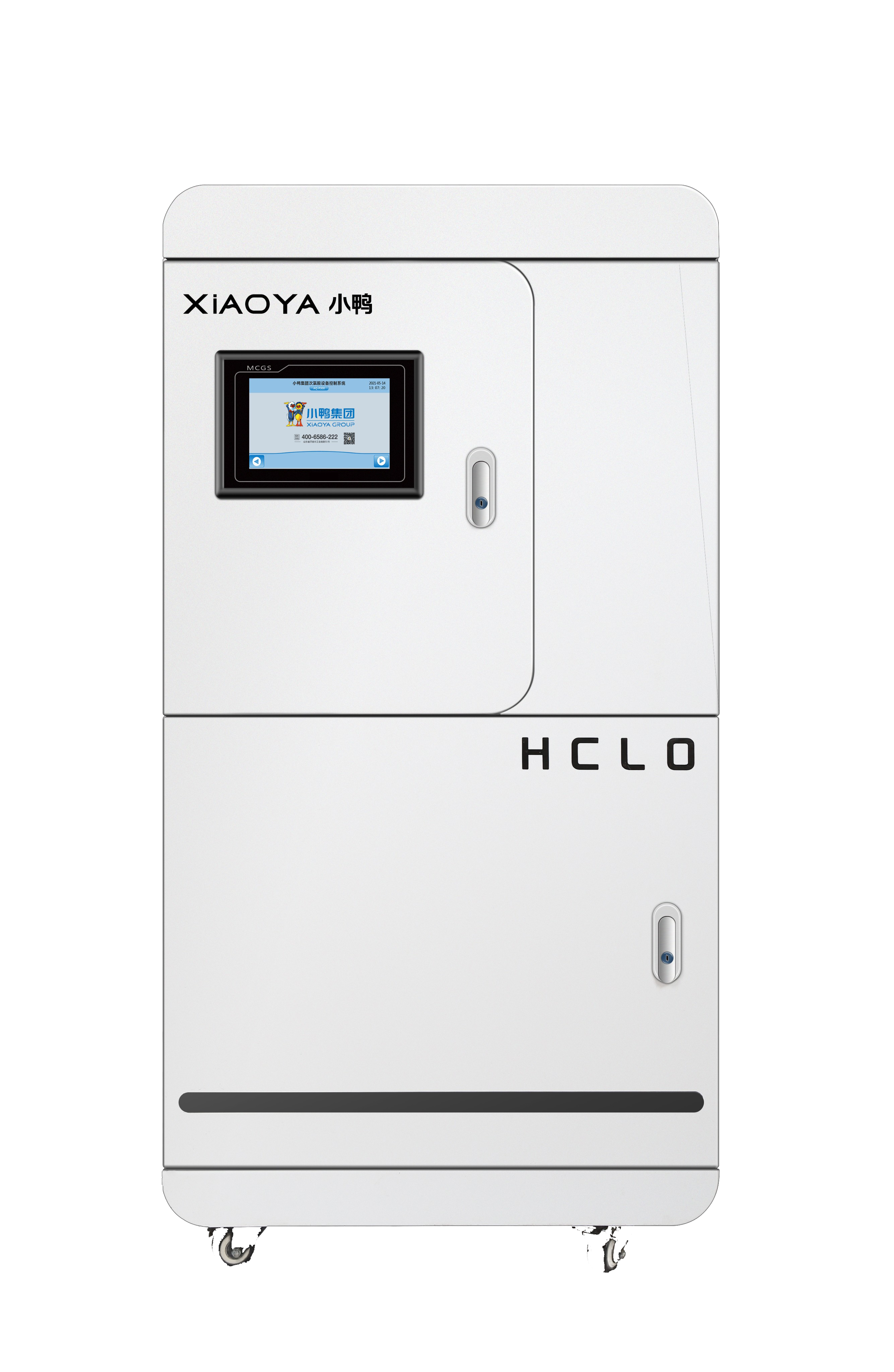
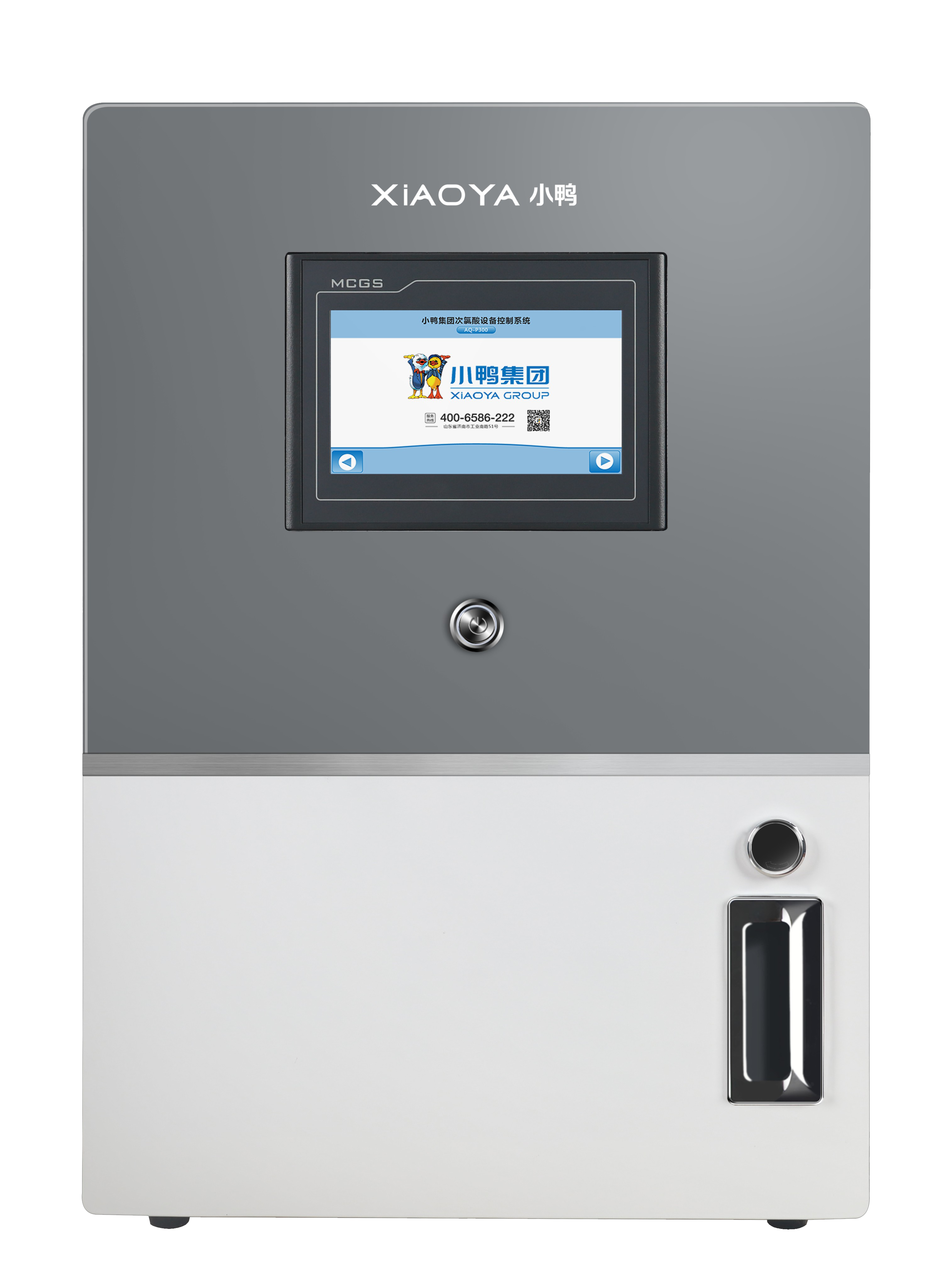
Where precision cleaning is essential, stable disinfectant quality matters more than simple output volume. A relevant option is Hypochlorous Acid Generator for Medical Device Cleaning, designed for on-site generation and long-term operation.
The XY-SAEW-300 delivers 300L/h, uses PLC control, supports adjustable concentration, and fits cleaning of endoscopes, orthopedic tools, and other sensitive medical instruments.
Commonly overlooked risks
Ignoring seasonal source water changes can make Pakistan water hardness in NaOCl generators seem unpredictable, even when the core machine design is sound.
Delaying descaling often damages efficiency first, then shortens electrolyzer life. This is especially costly when main components are expected to run continuously.
Using chlorine output alone as a KPI may hide scaling, because power consumption and pressure drift usually reveal problems earlier.
Practical execution steps
- Start with a full raw water analysis.
- Match pretreatment to measured hardness levels.
- Set fixed inspection points for electrodes, flow, and chlorine concentration.
- Document cleaning intervals and compare against operating stability.
- Review automation control data monthly for early drift.
Conclusion and next action
Overcoming Pakistan water hardness in NaOCl generators depends on disciplined water testing, proper pretreatment, and data-based maintenance. The fastest next step is to audit inlet water quality, then align generator settings and cleaning schedules with real hardness conditions.
NEWS
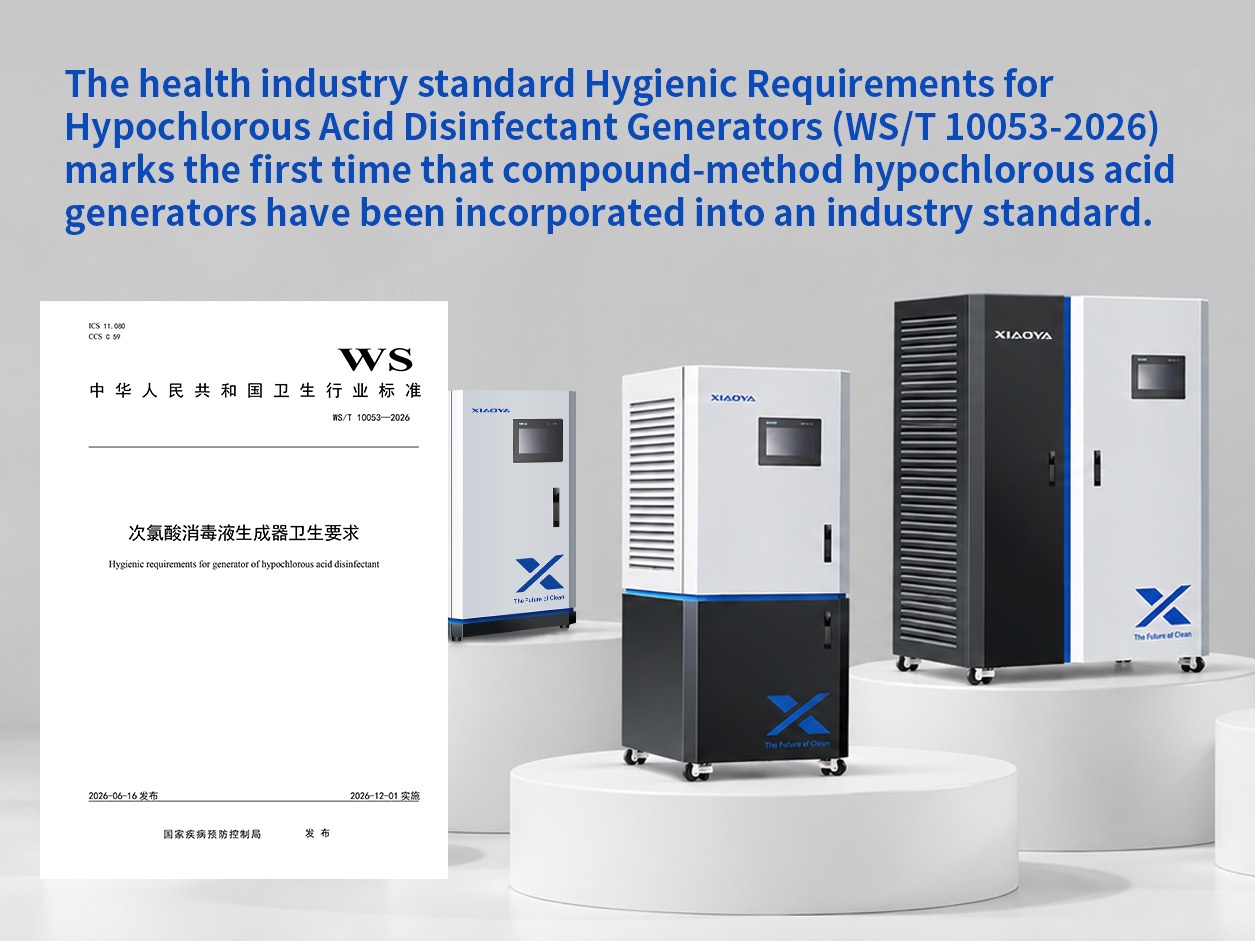
 WS/T 10053-2026 Includes the Compound Method for the First Time: Standard Signals and Market Opportunities for Mass Agricultural Production of Hypochlorous Acid Generators
 Evaluating HClO Generator Lifecycle Costs Beyond the Initial Equipment Price
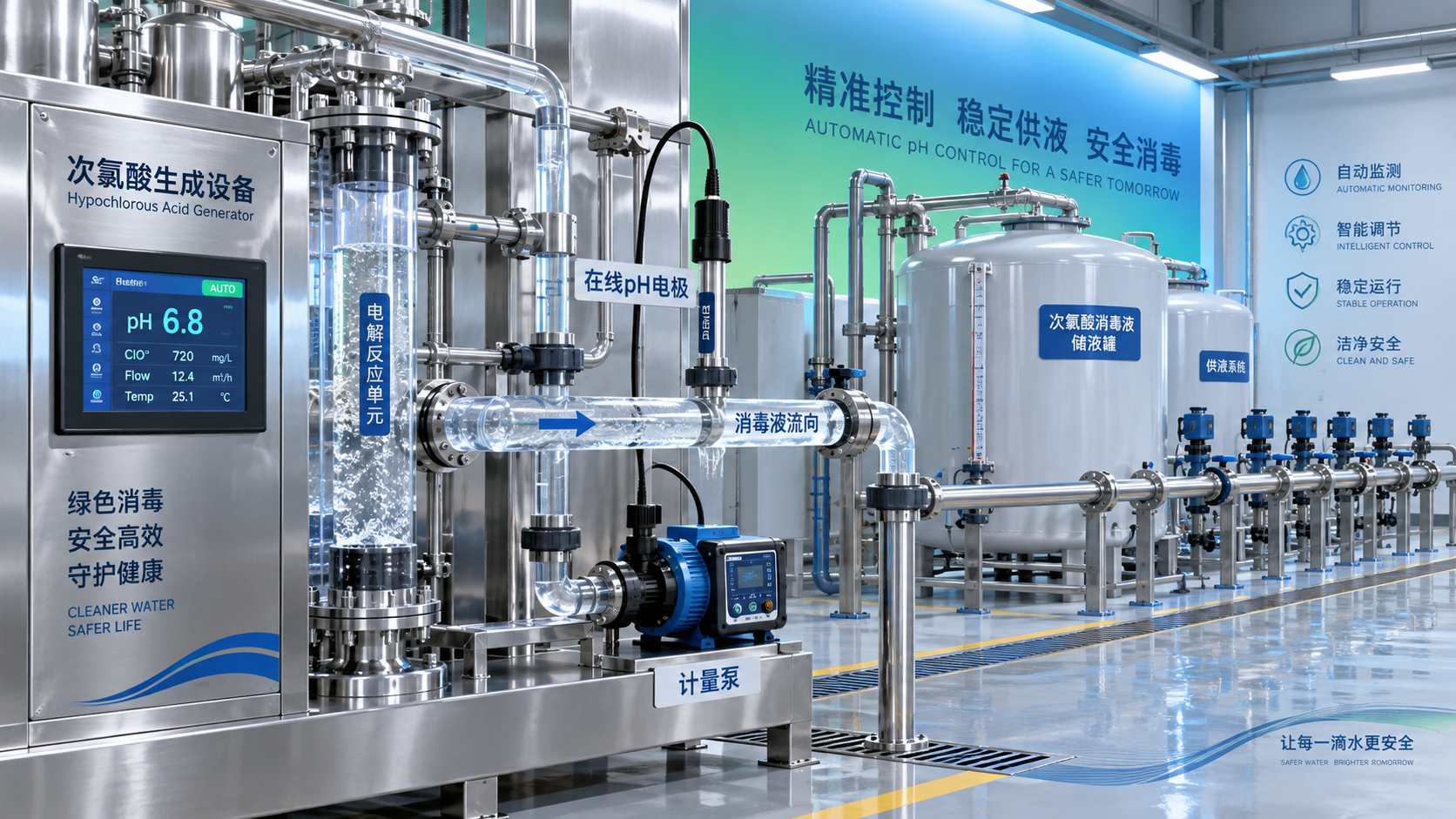
 HClO Generator pH Control: Why It Determines Disinfection Performance
- Which Safety Features Matter Most When Buying an HClO Generator?
 Troubleshooting Low ORP Readings on a Hypochlorous Acid Machine
Leave us a message

Xiaoya Group was founded in 1979,expert in the electrolyzed water industry.
Get in Touch
*We respect your confidentiality and all information are protected.