news
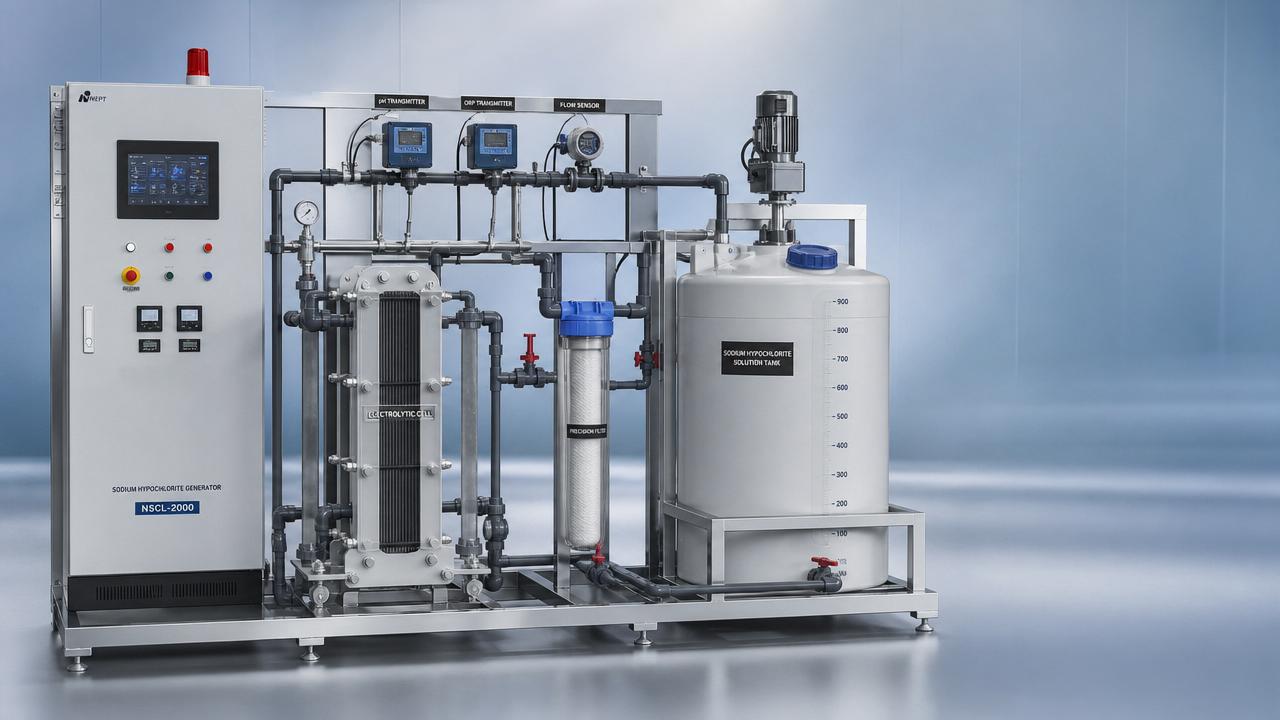
Keeping an industrial hypochlorite generator stable now requires more than basic servicing. In automation equipment environments, maintenance quality directly affects disinfection consistency, uptime, compliance, and operating cost.
As production lines become smarter, maintenance expectations are also rising. An effective Industrial Hypochlorite Generator Maintenance Manual should connect inspection routines with data-based control, safety protection, and performance optimization.
Why maintenance standards are becoming more demanding
Industrial disinfection systems are increasingly integrated with automated control platforms. That shift means a small issue, such as scaling or sensor drift, can affect output concentration and process reliability.
In many facilities, hypochlorite generation is no longer isolated equipment. It supports hygiene control, water treatment, odor reduction, and line sanitation across connected operations.
Key signals shaping maintenance priorities
What is driving these changes
- Electrolyzer performance depends heavily on water quality and scale control.
- Automated systems rely on accurate pH, flow, ORP, and level feedback.
- Unexpected shutdowns can interrupt sanitation schedules and downstream production.
- Facilities seek lower lifecycle cost, not only lower purchase cost.
How maintenance gaps affect operations
Poor maintenance can cause unstable concentration, clogged pipelines, and accelerated electrode wear. These issues often start small, but they reduce disinfection quality and increase troubleshooting time.
For automated facilities, maintenance gaps also affect data trust. When sensors drift, operators may react to false readings instead of real process conditions.
The maintenance points that deserve the most attention
- Inspect electrolyzer surfaces for scale, corrosion, and abnormal heat.
- Verify inlet water pressure remains within the required operating range.
- Clean tanks, filters, and dosing lines on a fixed schedule.
- Calibrate pH, ORP, and flow sensors regularly.
- Review alarm history and shutdown records for recurring faults.
- Confirm ventilation, electrical connections, and grounding safety.
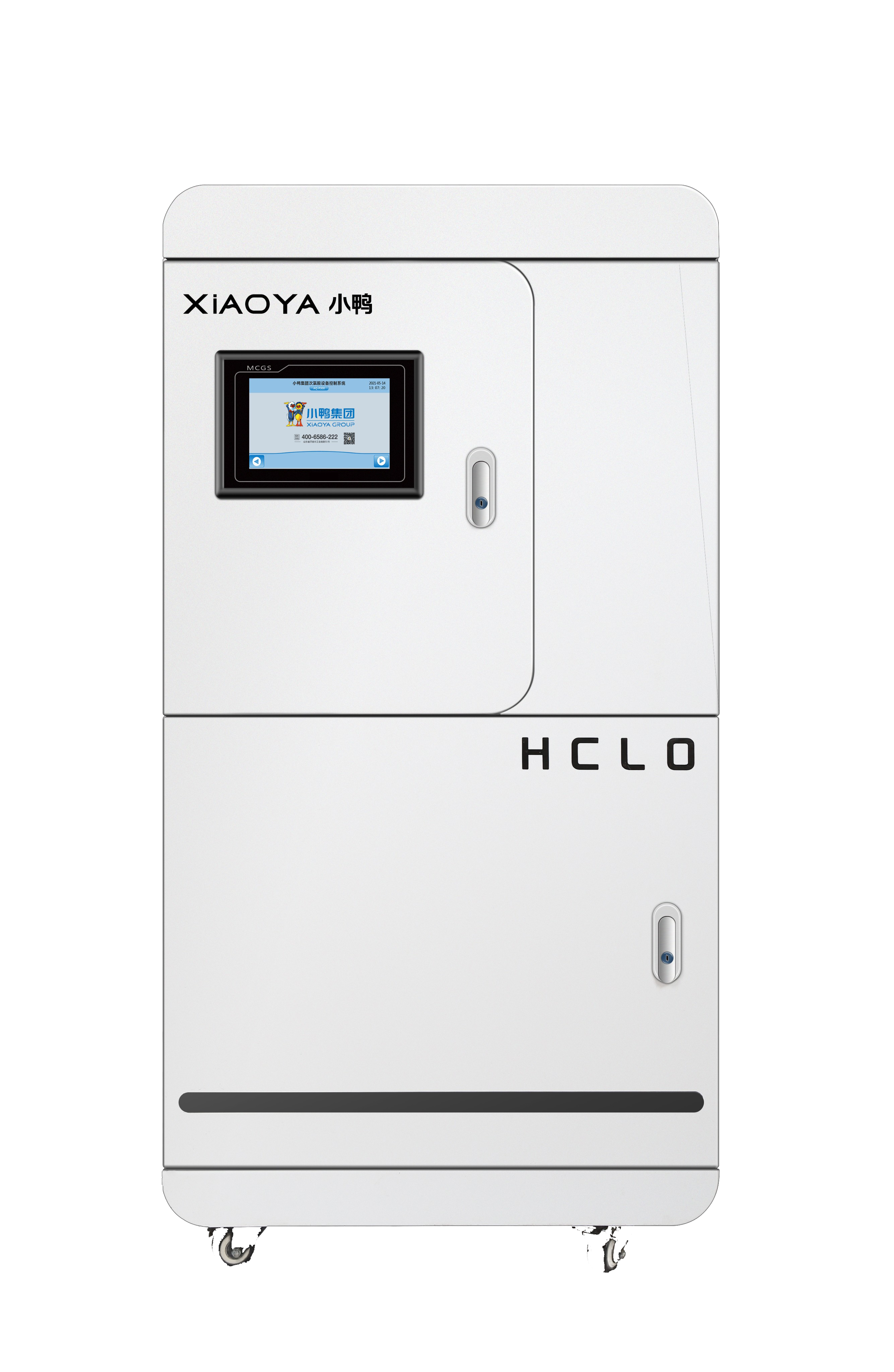
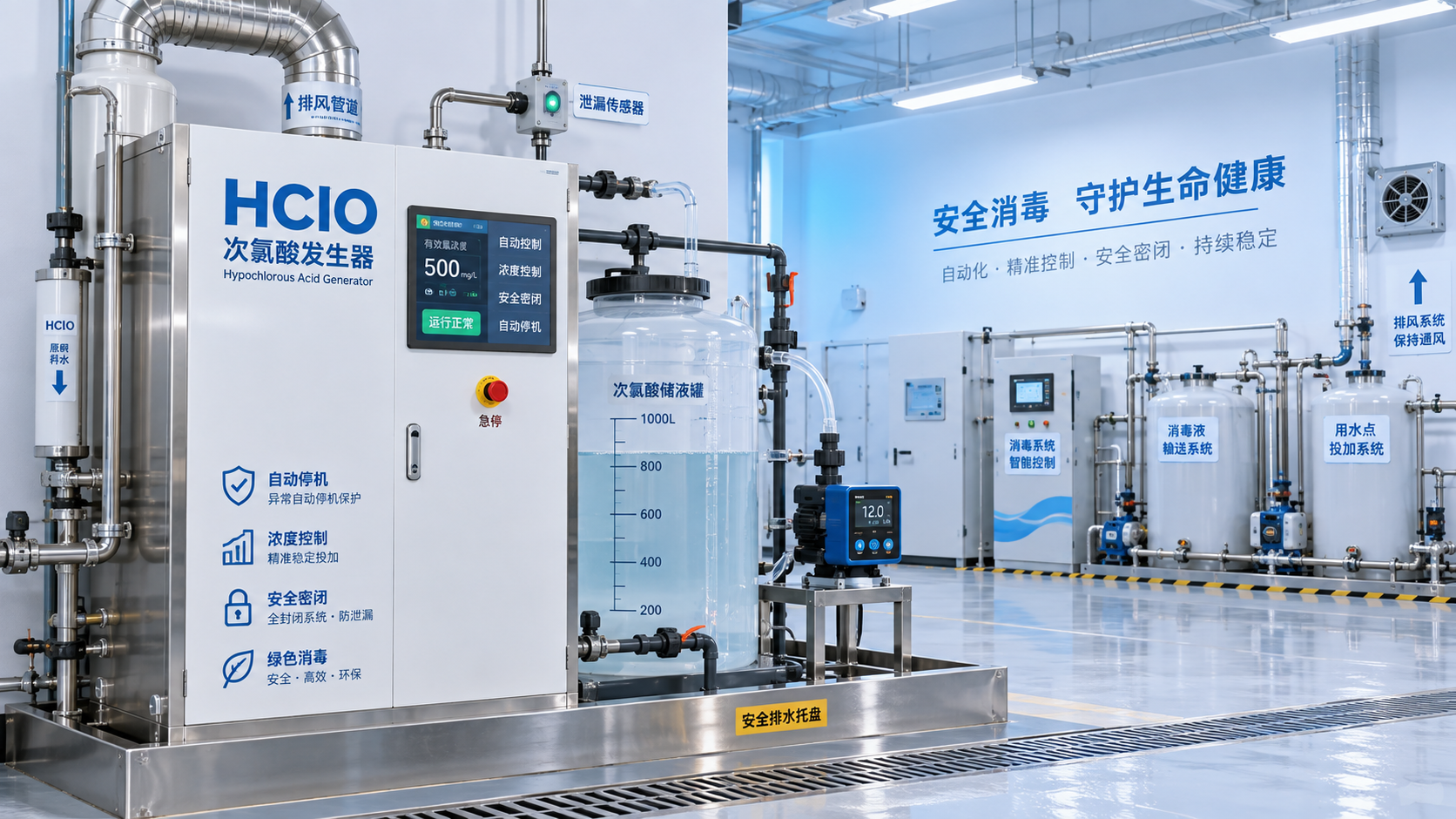
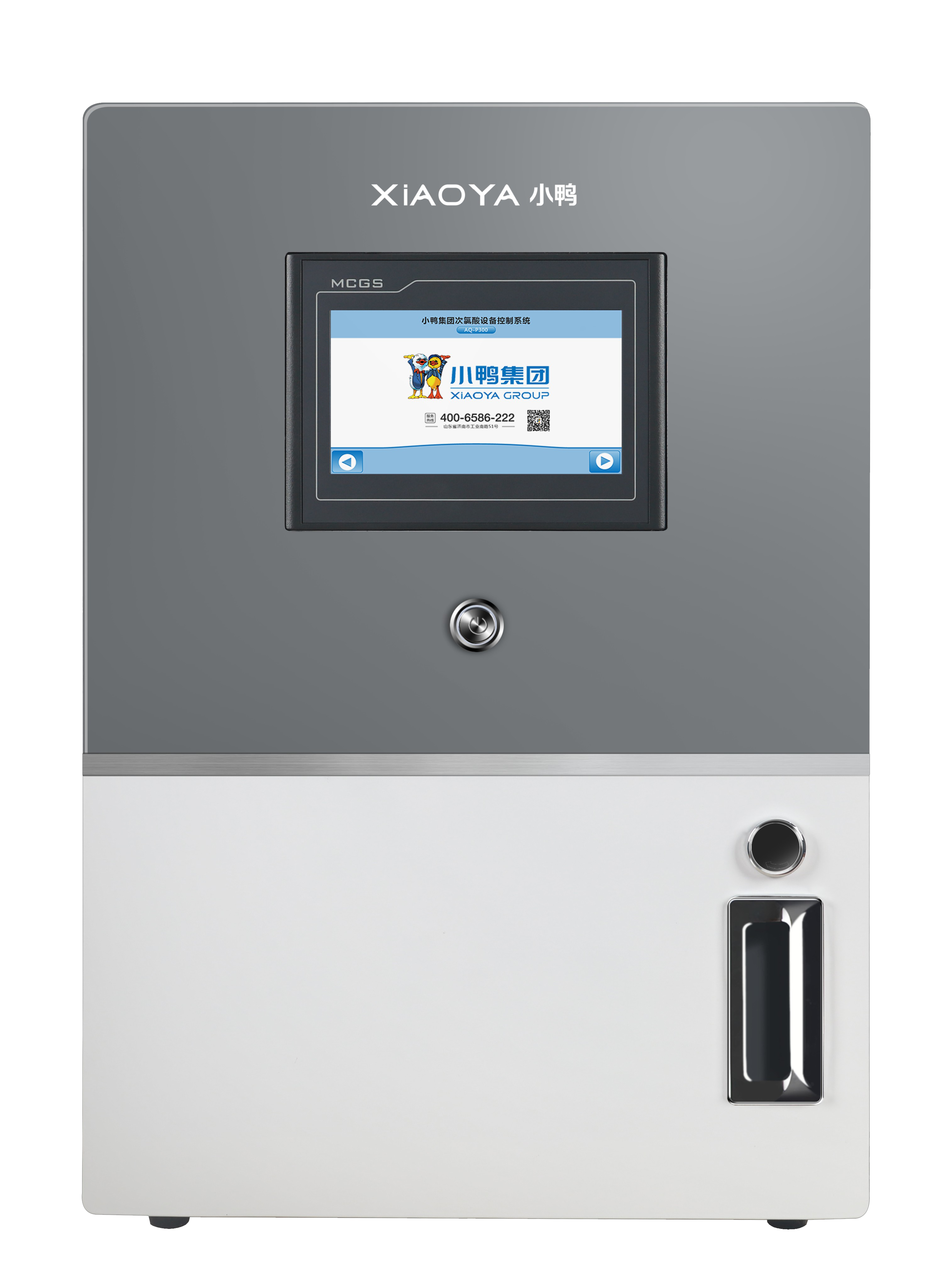
A useful reference is Hypochlorous Acid Generator for Animal Husbandry and Breeding, model AQ-P1000. Its modular design, PLC control, and multiple sensor protection reflect where maintenance expectations are heading.
A practical judgment framework for the next stage
Equipment with intelligent monitoring, long-life electrolyzers, and safety interlocks can simplify this process. For example, systems designed for stable operation under demanding disinfection conditions help reduce manual risk points.
What to do now for a stronger maintenance process
Update the Industrial Hypochlorite Generator Maintenance Manual with measurable intervals, sensor verification steps, and fault response logic. Then align those steps with automation records and preventive maintenance schedules.
Start with one checklist for inspection, one for cleaning, and one for troubleshooting. This simple structure improves consistency, extends service life, and supports safer, more efficient disinfection performance.
NEWS
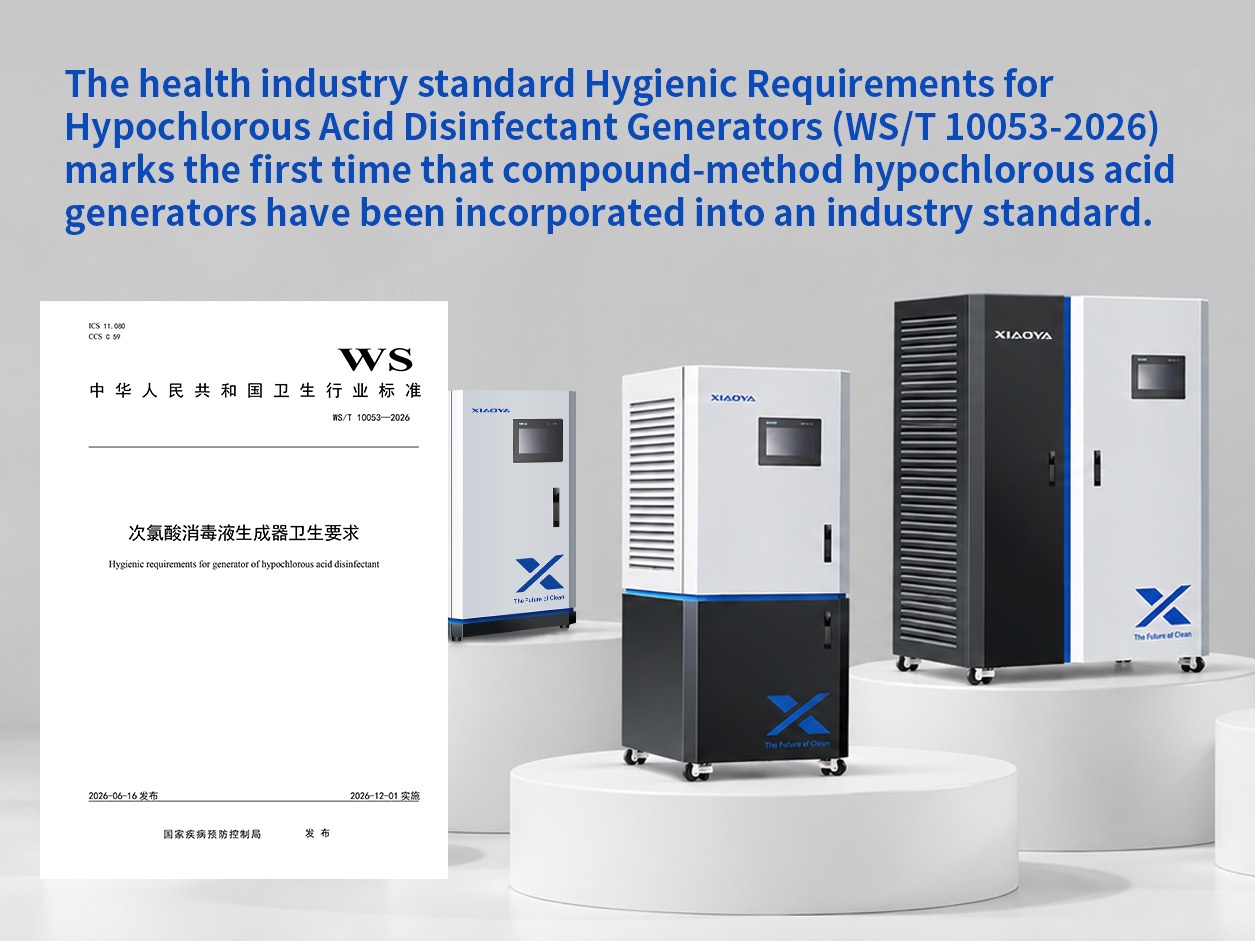
 WS/T 10053-2026 Includes the Compound Method for the First Time: Standard Signals and Market Opportunities for Mass Agricultural Production of Hypochlorous Acid Generators
 Evaluating HClO Generator Lifecycle Costs Beyond the Initial Equipment Price
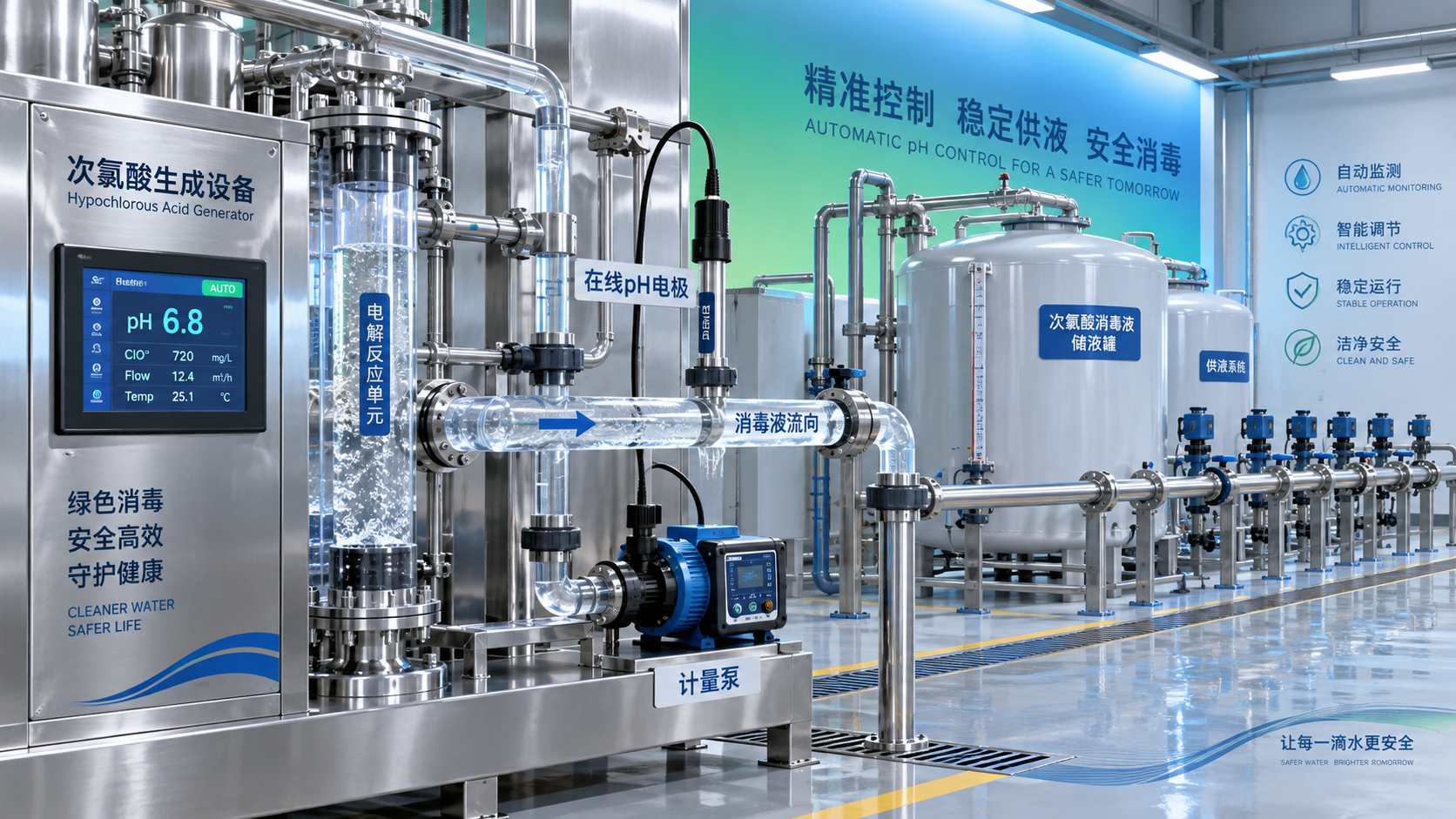
 HClO Generator pH Control: Why It Determines Disinfection Performance
- Which Safety Features Matter Most When Buying an HClO Generator?
 Troubleshooting Low ORP Readings on a Hypochlorous Acid Machine
Leave us a message

Xiaoya Group was founded in 1979,expert in the electrolyzed water industry.
Get in Touch
*We respect your confidentiality and all information are protected.