news
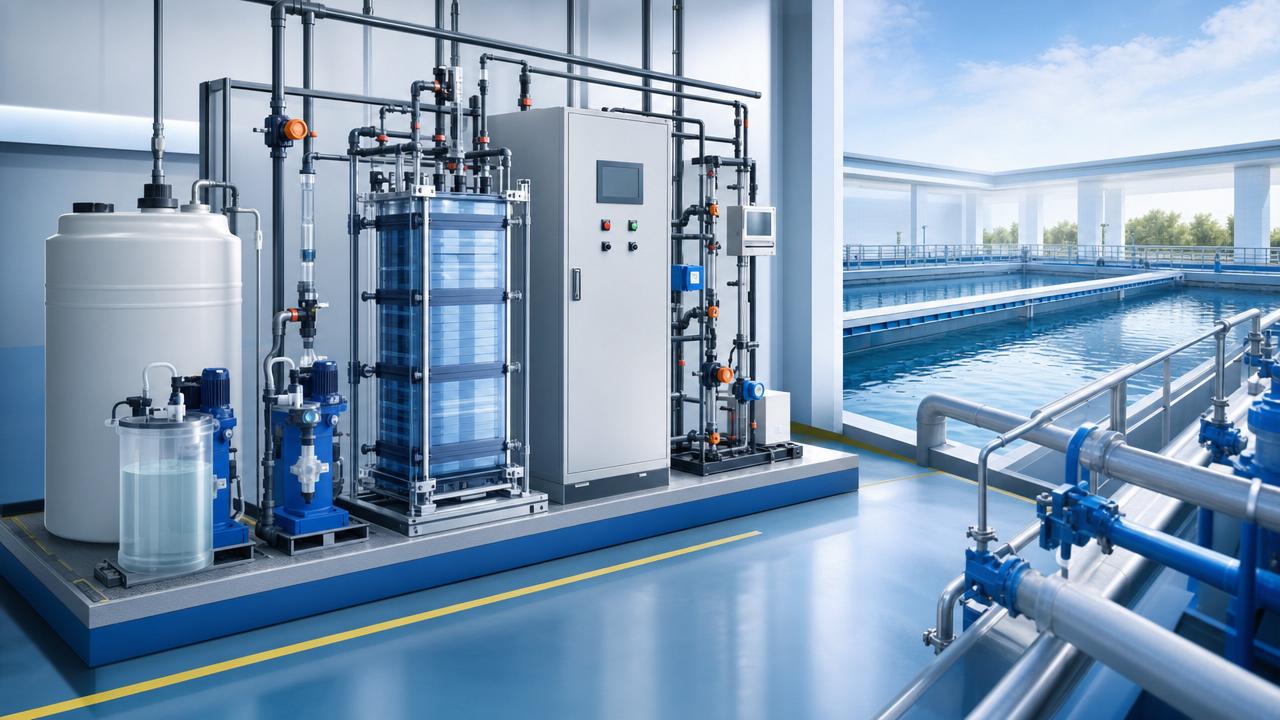
Why is electrochlorination gaining attention in Pakistan municipal water plants?
Electrochlorination for Pakistan municipal water plants is becoming a practical solution for safer, more efficient disinfection in growing urban and regional water systems.
It supports on-site chlorine generation, lowers chemical transport risks, and improves process automation in public water treatment facilities.
For enterprises combining R&D, production, and operation, this technology matches automation equipment development and stable municipal infrastructure needs.
What does electrochlorination mean in municipal water treatment?
Electrochlorination uses salt, water, and electricity to generate disinfectant on site for continuous dosing and water quality protection.
In Pakistan municipal water plants, this reduces dependence on delivered chlorine and simplifies storage management.
Automated control systems can adjust dosing based on flow, residual targets, and changing raw water conditions.
Where is electrochlorination most suitable?
Electrochlorination for Pakistan municipal water plants fits medium and large treatment stations, regional supply networks, and decentralized water systems.
It is especially useful where logistics are difficult, chemical handling standards are tightening, or staffing for manual dosing is limited.
Related disinfection technologies also serve waste and sanitation environments.
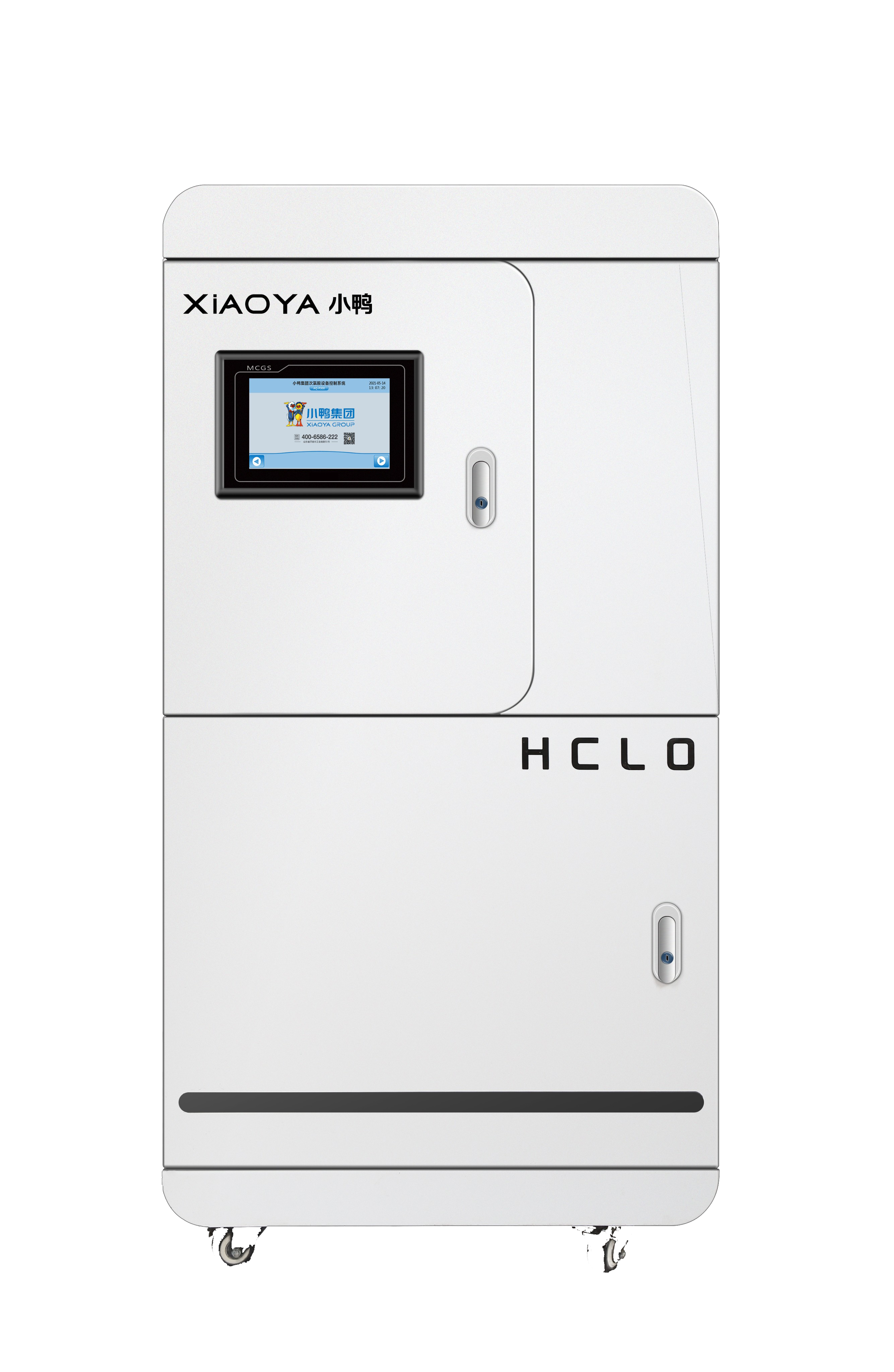
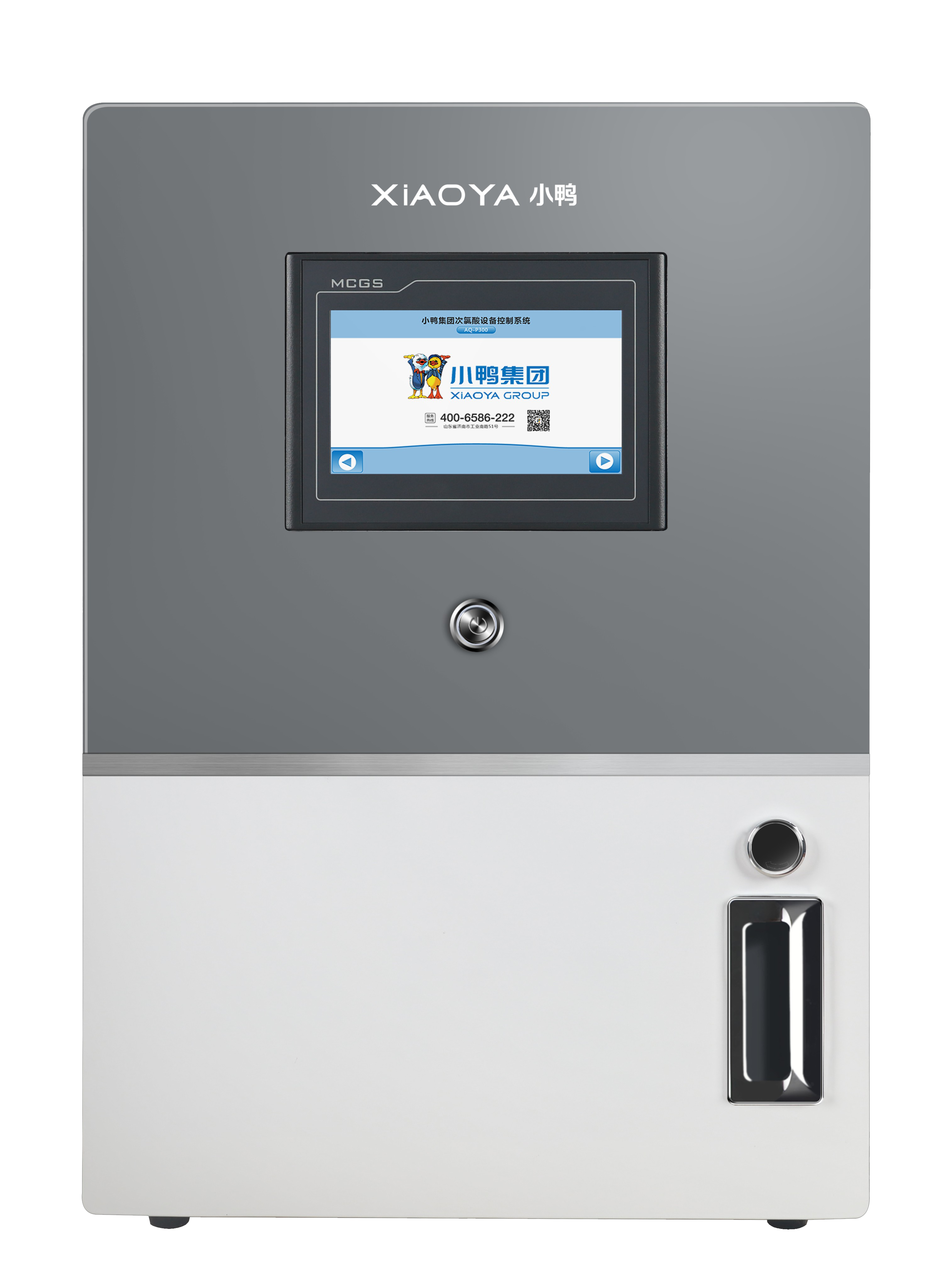
One example is Hypochlorous Acid Generator for Garbage Disinfection (AQ-P300-W) , designed for deodorization and broad-spectrum sterilization in harsh operating sites.
How should a plant evaluate system selection?
Start with daily treatment capacity, target chlorine residual, source water variability, and power stability.
Then review automation compatibility, maintenance intervals, spare parts access, and operator safety design.
- Check dosing precision and control response.
- Confirm corrosion-resistant materials.
- Assess salt consumption and energy efficiency.
- Plan integration with SCADA or remote monitoring.
For compact sanitation applications, systems with adjustable output, flexible chlorine concentration, and durable electrolyzers can also provide useful design references.
What are common risks and misunderstandings?
A common mistake is treating electrochlorination as a plug-and-play device without water analysis or dosing calibration.
Another risk is ignoring brine quality, ventilation, and preventive maintenance for electrodes and pumps.
Electrochlorination for Pakistan municipal water plants performs best when supported by monitoring, operator training, and realistic lifecycle planning.
How do cost and implementation compare with traditional chlorine supply?
Initial investment may be higher than simple chemical dosing equipment, but operating safety and logistics savings are often stronger over time.
On-site generation reduces transport exposure, bulk storage needs, and supply interruptions during regional distribution challenges.
Electrochlorination for Pakistan municipal water plants offers a strong balance of safety, automation, and disinfection reliability.
A practical next step is to compare site conditions, dosing demand, and integration needs before final equipment planning.
NEWS
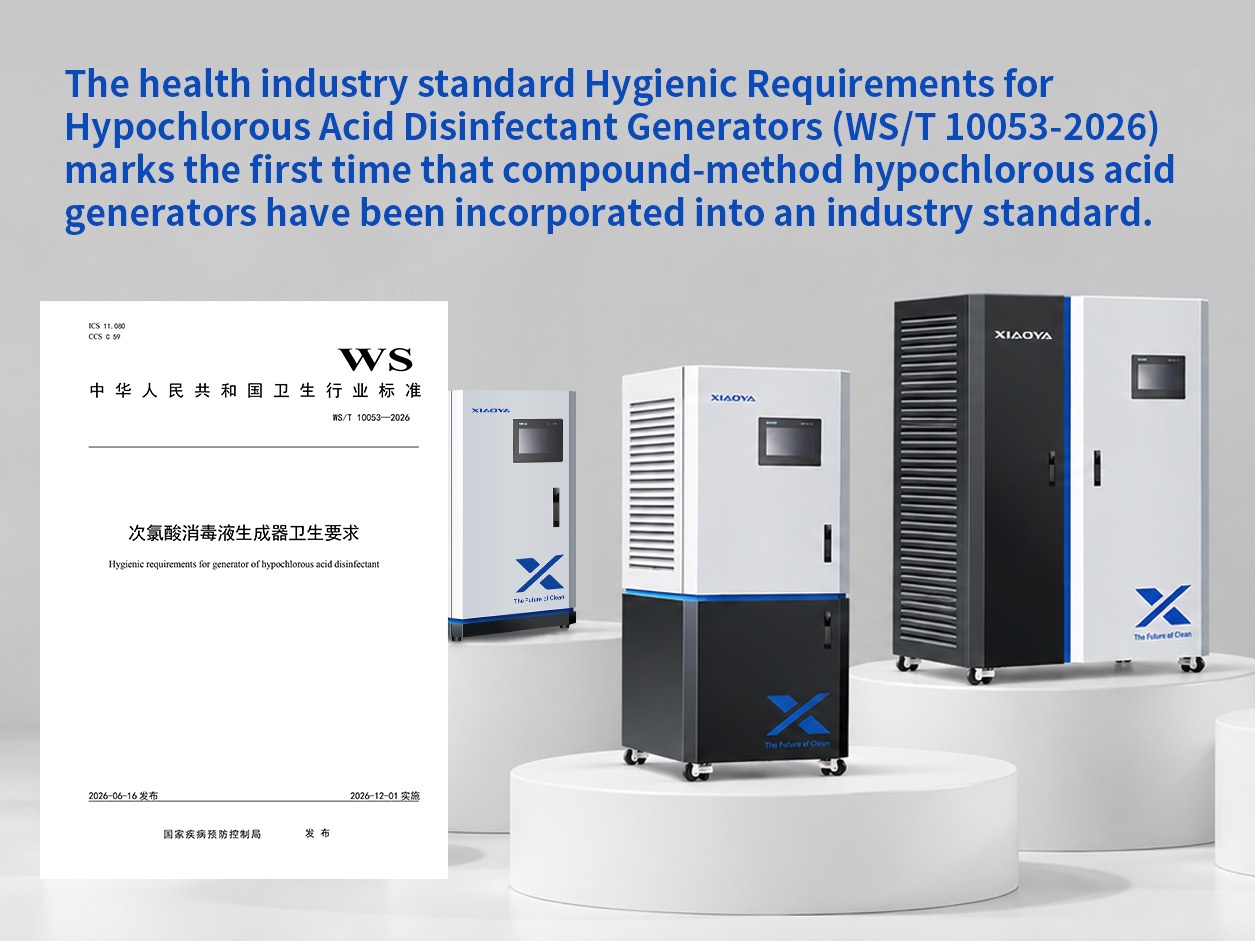
 WS/T 10053-2026 Includes the Compound Method for the First Time: Standard Signals and Market Opportunities for Mass Agricultural Production of Hypochlorous Acid Generators
 Evaluating HClO Generator Lifecycle Costs Beyond the Initial Equipment Price
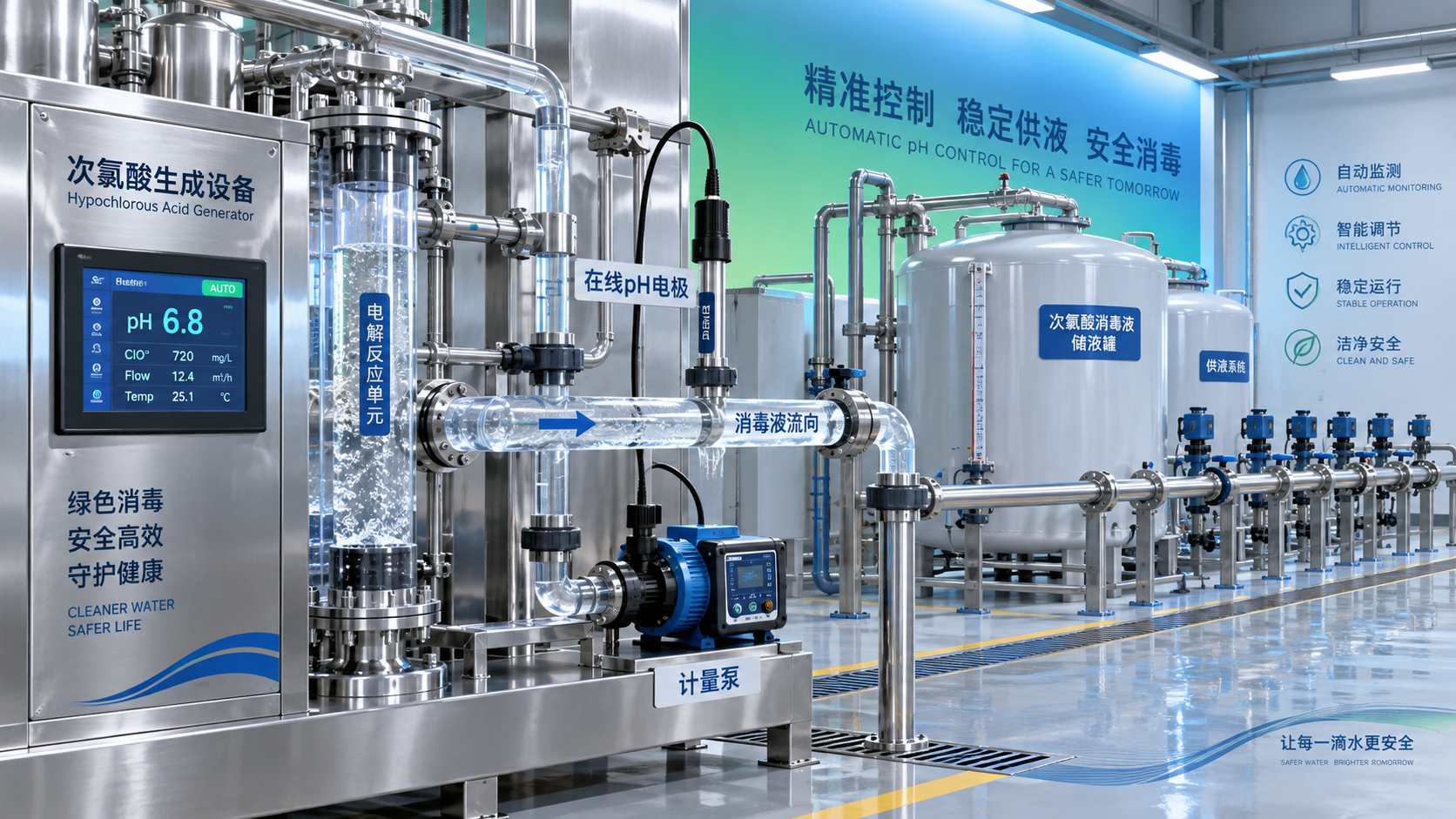
 HClO Generator pH Control: Why It Determines Disinfection Performance
- Which Safety Features Matter Most When Buying an HClO Generator?
 Troubleshooting Low ORP Readings on a Hypochlorous Acid Machine
Leave us a message

Xiaoya Group was founded in 1979,expert in the electrolyzed water industry.
Get in Touch
*We respect your confidentiality and all information are protected.