news
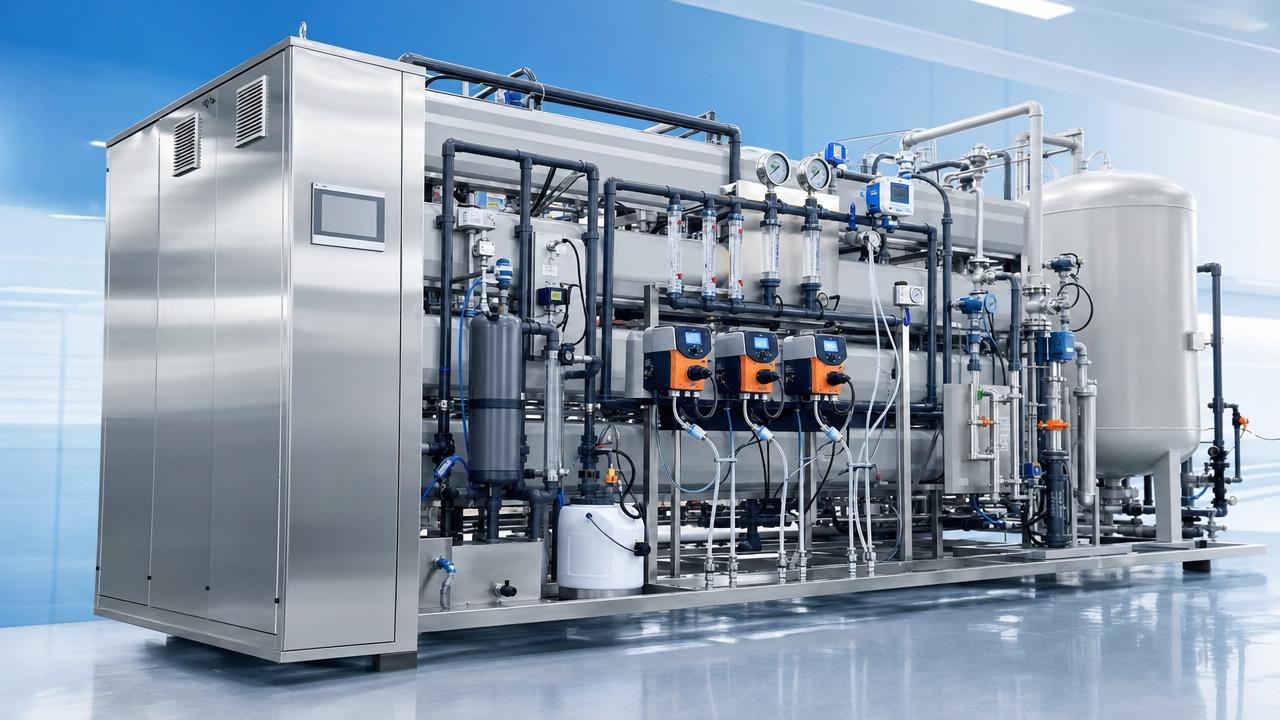
Electrochlorination systems are reshaping disinfection in automation equipment by generating chlorine on site from salt and water. This approach improves hygiene, lowers chemical transport risks, and supports stable production across appliance, health care, clean energy, and household device operations.
Why electrochlorination systems matter in different automation equipment scenarios
Not every disinfection task needs the same output, control logic, or water quality standard. How electrochlorination systems work becomes more valuable when matched to the right operating scenario.
In automated production environments, the system converts brine into sodium hypochlorite through electrolysis. The generated disinfectant can then be dosed precisely into water lines, tanks, or cleaning loops.
Scenario 1: appliance manufacturing lines that require steady water disinfection
Kitchen and bathroom appliance production often depends on clean process water. Electrochlorination systems help maintain microbial control without frequent handling of packaged chlorine chemicals.
The key judgment point is dosing stability. Automated lines need consistent chlorine concentration, responsive sensors, and easy integration with PLC-based control systems.
Scenario 2: health care and disinfection appliances with higher hygiene thresholds
Health-related equipment requires stronger control over bacteria, biofilm, and residual disinfectant levels. Here, how electrochlorination systems work directly affects safety, compliance, and repeatable sterilization performance.
In some applications, electrochlorination works best with upstream purification. For example, Duckling ultrafiltration water purification and sterilization device XYCL-1000 combines ultrafiltration and UV-C 254nm sterilization for cleaner feed water and stronger process reliability.
Scenario 3: clean energy and small household device operations
Clean energy facilities may use electrochlorination systems for cooling water, utility water, or auxiliary loops. Small device production may need compact footprints and lower maintenance complexity.
The decision point here is balance. Teams often compare capital cost, power use, salt consumption, maintenance intervals, and automation compatibility before selecting a disinfection solution.
How scenario needs differ
Practical adaptation advice before choosing electrochlorination systems
- Check incoming water quality before sizing the cell and dosing unit.
- Match chlorine output with actual flow variation, not peak estimates alone.
- Confirm compatibility with automation controls, alarms, and remote monitoring.
- Consider pretreatment when scale, turbidity, or microbes may reduce efficiency.
Common mistakes when evaluating application scenarios
A common mistake is treating all disinfection points as identical. Different water sources, contact times, and sanitation targets change how electrochlorination systems should be configured.
Another issue is ignoring pretreatment. A unit such as the Duckling ultrafiltration water purification and sterilization device XYCL-1000, with 1000L/H ultrafiltration flow and over 99.9% sterilization rate, may improve overall disinfection consistency.
Next step for better system fit
Start with a clear scenario review: water source, microbial risk, automation level, and maintenance capacity. Then compare electrochlorination systems based on output stability, integration ease, and lifecycle value.
When electrochlorination is paired with suitable purification and sterilization equipment, automation operations gain safer water treatment, cleaner production, and stronger long-term efficiency.
NEWS
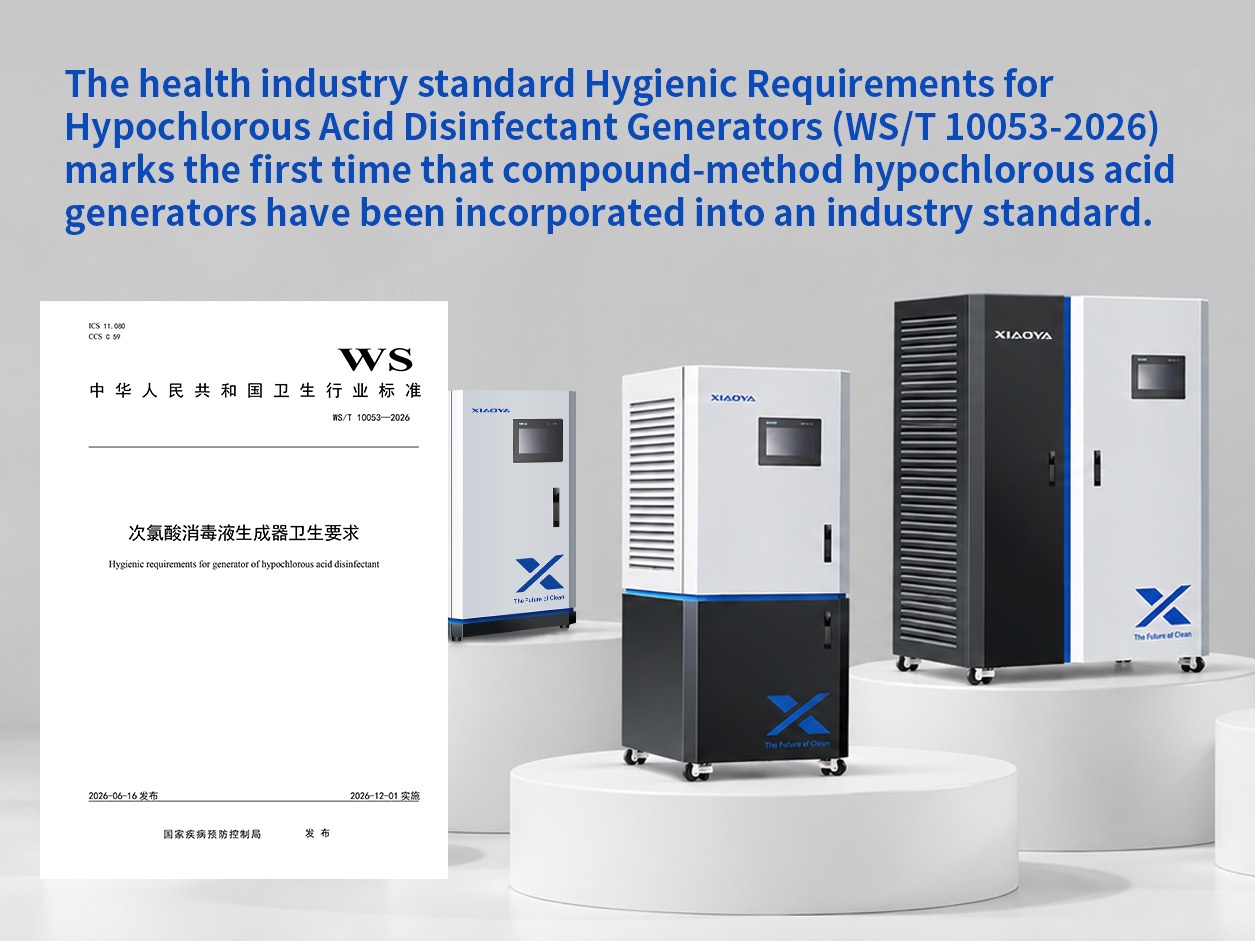
 WS/T 10053-2026 Includes the Compound Method for the First Time: Standard Signals and Market Opportunities for Mass Agricultural Production of Hypochlorous Acid Generators
 Evaluating HClO Generator Lifecycle Costs Beyond the Initial Equipment Price
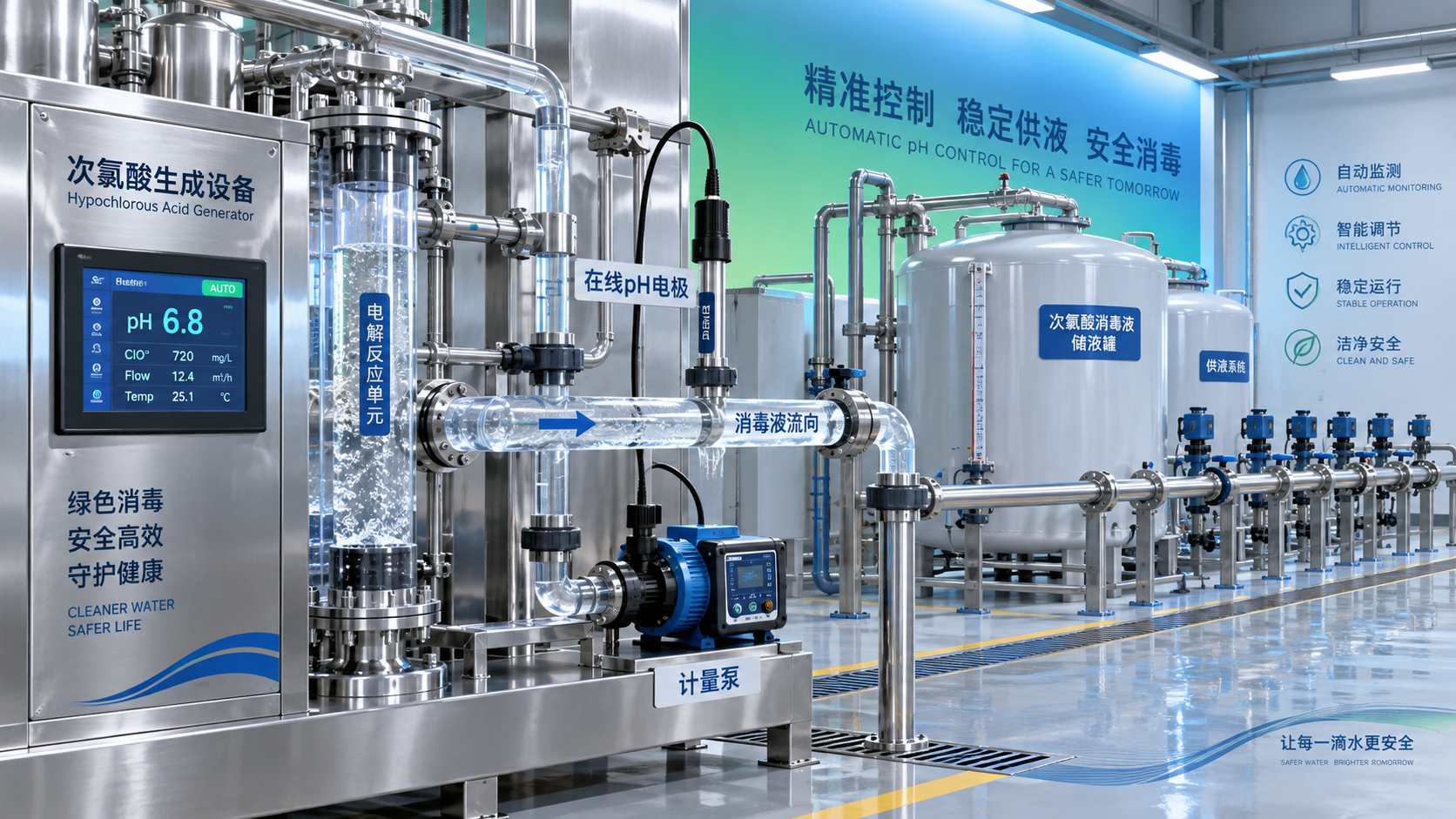
 HClO Generator pH Control: Why It Determines Disinfection Performance
- Which Safety Features Matter Most When Buying an HClO Generator?
 Troubleshooting Low ORP Readings on a Hypochlorous Acid Machine
Leave us a message

Xiaoya Group was founded in 1979,expert in the electrolyzed water industry.
Get in Touch
*We respect your confidentiality and all information are protected.