news
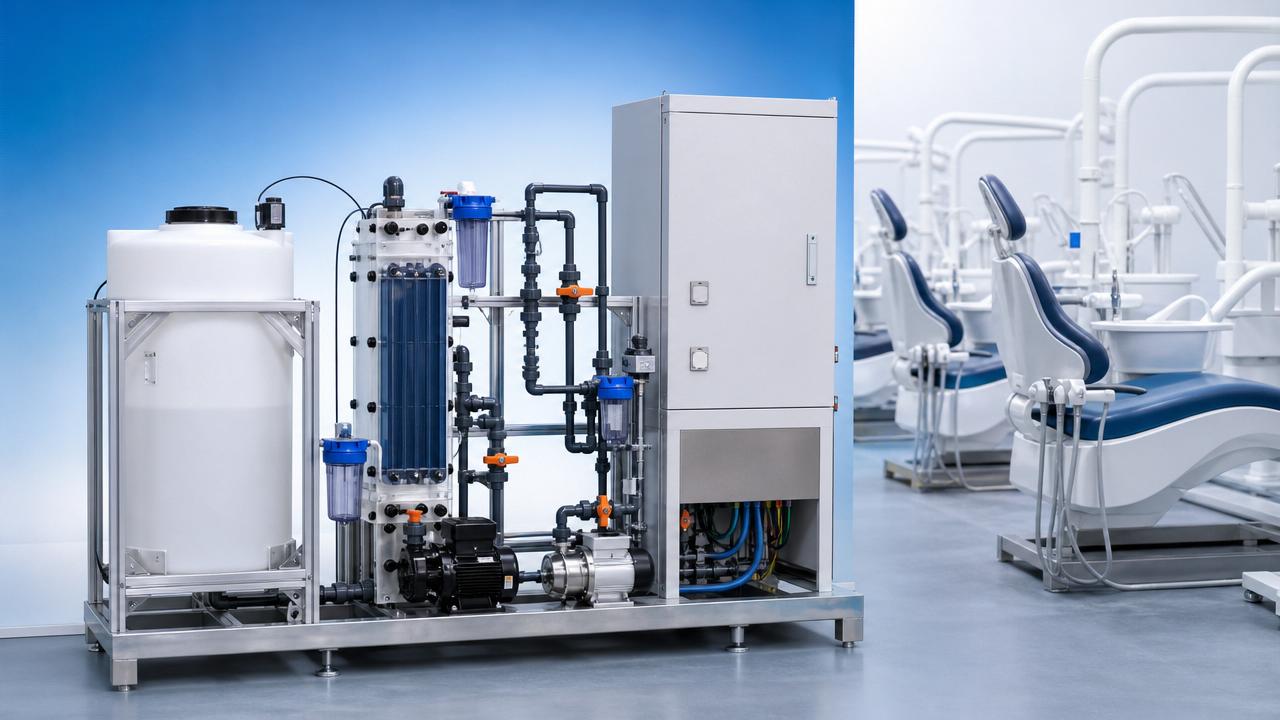
In NaOCl systems, understanding salt and power consumption is essential for improving efficiency, controlling operating costs, and ensuring stable disinfection performance. For automation equipment and appliance-related industries, these factors affect output quality, maintenance cycles, and system reliability. A well-designed NaOCl system balances electrochemical performance, energy use, and salt dosing to support safe and consistent disinfection.
Salt and Power Consumption in NaOCl Systems
NaOCl systems produce disinfectant through electrolysis of salt water. Salt consumption determines electrolyte strength, while power consumption drives the reaction inside the electrolyzer.
If salt concentration is too low, available chlorine output may drop. If it is too high, scaling, waste, and operating instability can increase.
Power consumption is closely linked to electrode design, control logic, water quality, and flow rate. Efficient automation equipment reduces unnecessary energy loss and maintains repeatable disinfection results.
Key Industry Concerns and Performance Signals
In automated disinfection equipment, salt and power consumption are watched as indicators of system health and production efficiency.
- Salt consumption affects chemical cost and chlorine stability.
- Power consumption affects total operating expense.
- Voltage fluctuation can reduce electrolysis efficiency.
- Water pressure and purity influence output consistency.
- Control systems help optimize dosing and runtime.
Application Value in Automated Disinfection Equipment
Optimized salt and power consumption improves more than cost. It also supports product standardization, safer operation, and easier remote management in intelligent equipment platforms.
For example, Hypochlorous Acid Generator for Dental Chair Pipeline Disinfection applies PLC control, modular design, and remote 4G management.
Its model XY-SAEW-300W delivers 300 L/h, with 420 W rated power and effective chlorine concentration of 68.9 mg/L. This balance supports controlled consumption and stable pipeline disinfection.
In dental chair pipelines, instant generation is especially important. It helps maintain disinfection strength while avoiding long storage periods and concentration decay.
Typical Scenarios and Reference Points
- Stomatological hospitals needing centralized and frequent disinfection
- Dental clinics requiring compact automated systems
- Dental outpatient clinics focusing on compliance and efficiency
In these scenarios, low-corrosion and residue-free disinfectant is valuable. It protects pipelines, valves, and precision components while keeping maintenance predictable.
Practical Optimization Suggestions
- Keep inlet water pressure within the designed range.
- Monitor salt dosing to avoid underfeeding or overfeeding.
- Use automation controls to stabilize runtime and output.
- Inspect electrolyzer life and scaling conditions regularly.
- Match concentration settings to actual disinfection demand.
A system with adjustable concentration, industrial-grade control, and compliant safety testing can deliver better long-term value in NaOCl systems and related appliance equipment.
Next-Step Considerations
When evaluating NaOCl systems, compare not only output capacity but also salt and power consumption under real operating conditions. Focus on control precision, component life, and disinfection stability.
For pipeline disinfection environments, reviewing equipment such as the Hypochlorous Acid Generator for Dental Chair Pipeline Disinfection can help identify a practical path toward efficient, automated, and compliant system deployment.
NEWS
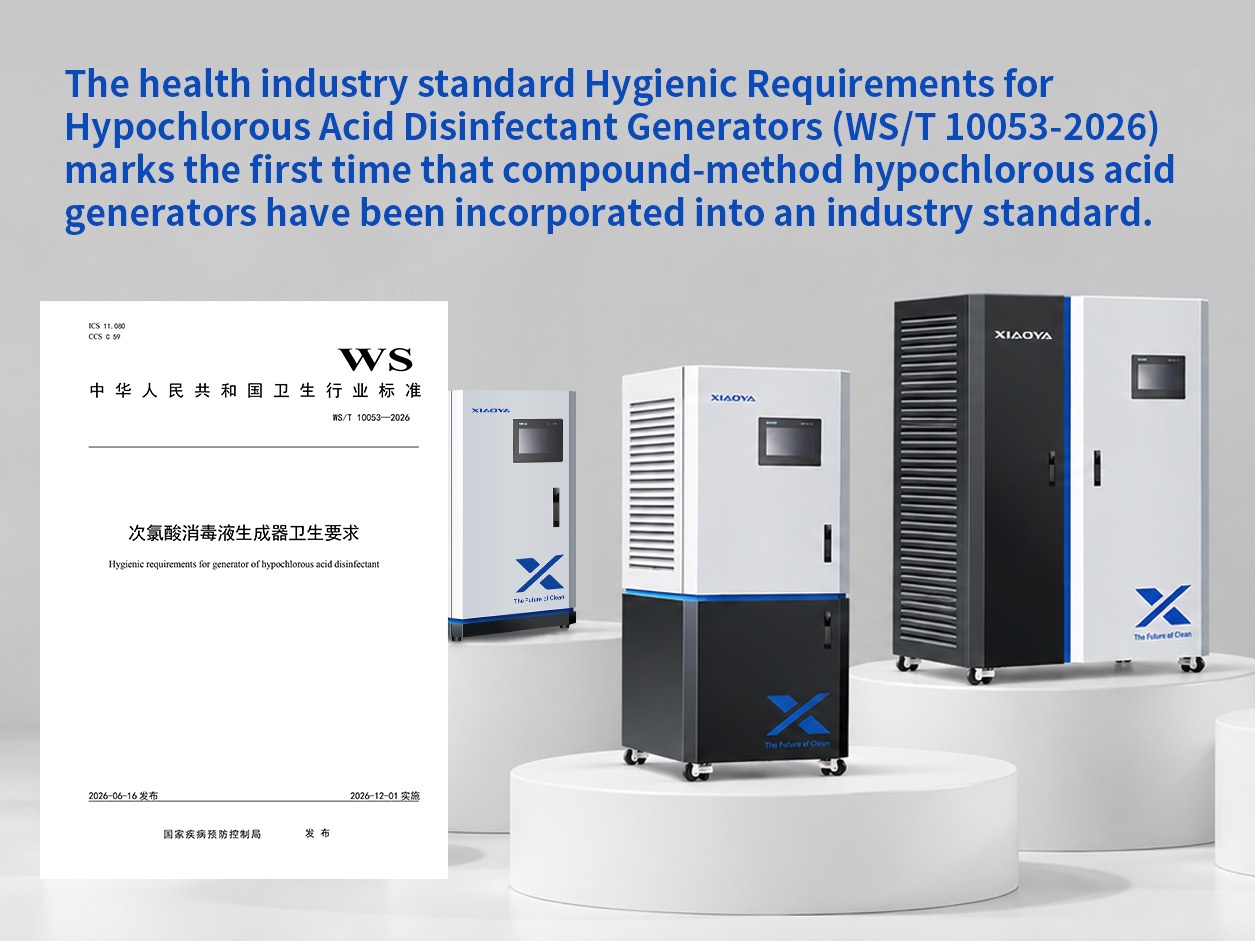
 WS/T 10053-2026 Includes the Compound Method for the First Time: Standard Signals and Market Opportunities for Mass Agricultural Production of Hypochlorous Acid Generators
 Evaluating HClO Generator Lifecycle Costs Beyond the Initial Equipment Price
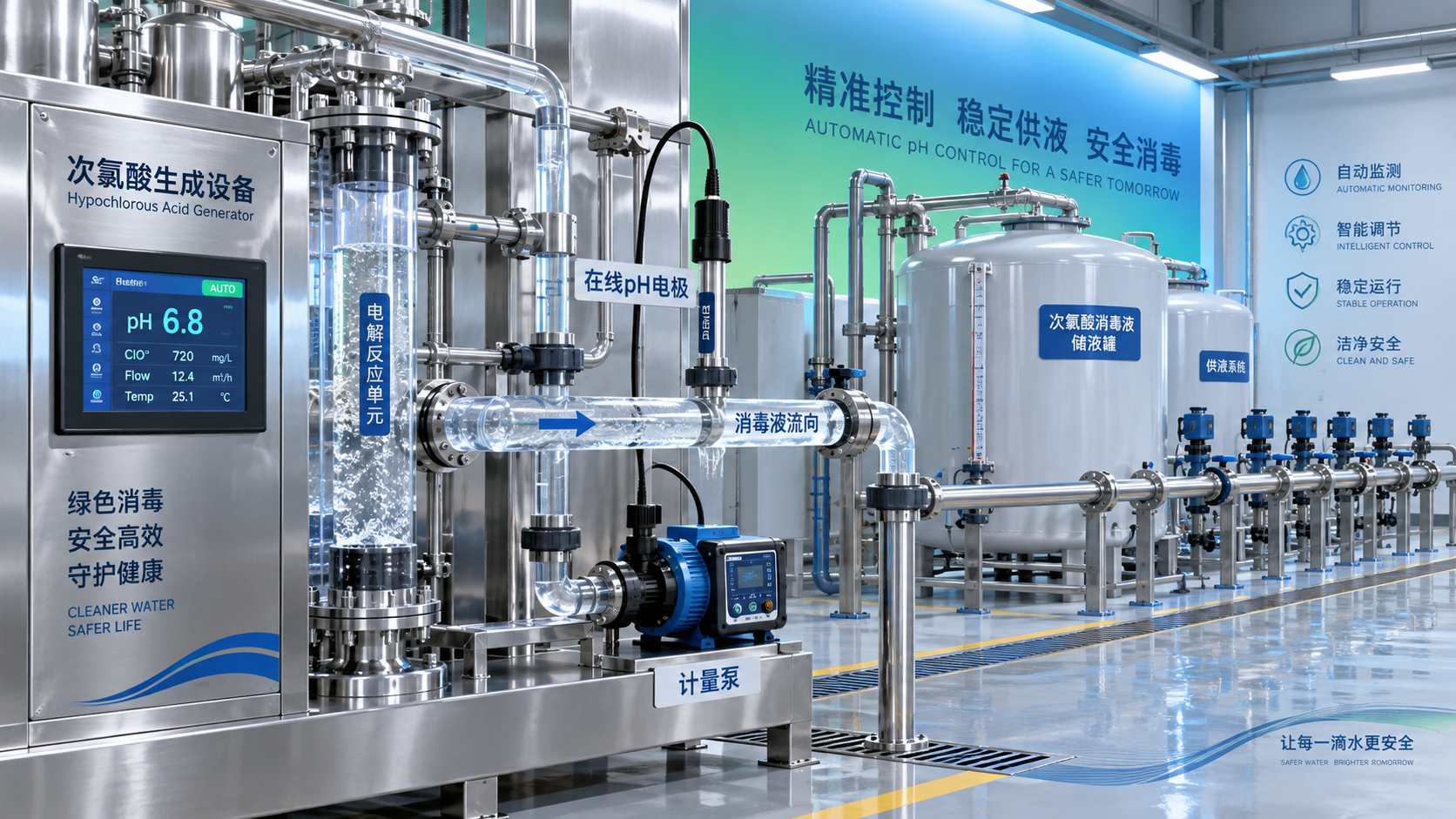
 HClO Generator pH Control: Why It Determines Disinfection Performance
- Which Safety Features Matter Most When Buying an HClO Generator?
 Troubleshooting Low ORP Readings on a Hypochlorous Acid Machine
Leave us a message

Xiaoya Group was founded in 1979,expert in the electrolyzed water industry.
Get in Touch
*We respect your confidentiality and all information are protected.