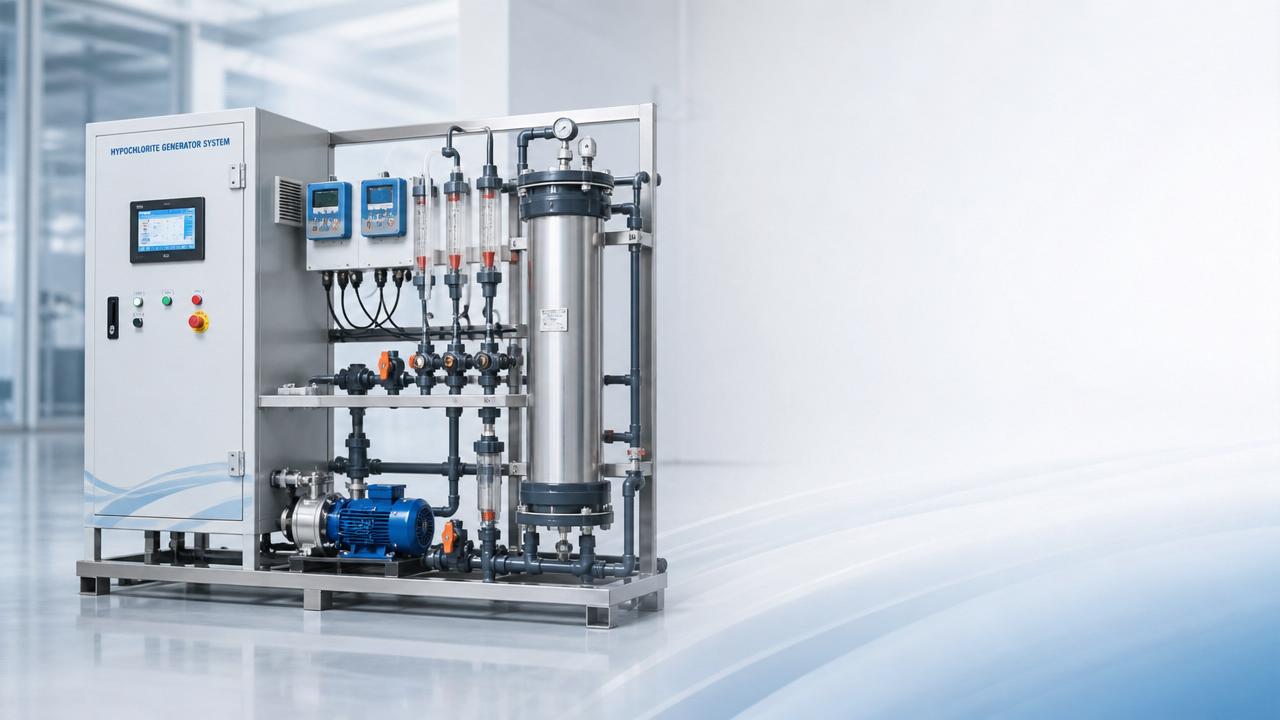
Sourcing high-quality hypochlorite generators from reliable Chinese manufacturers can help automation equipment buyers secure consistent disinfection performance, cost efficiency, and scalable production support. For companies focused on kitchen and bathroom appliances, health care and disinfection appliances, clean energy, and small household appliances, choosing the right manufacturing partner is essential to ensuring product reliability, innovation capability, and long-term market competitiveness.
In the automation equipment sector, this decision affects more than component cost. It influences dosing accuracy, assembly compatibility, production lead time, after-sales response, and the ability to adapt systems for different disinfection or water treatment requirements. Buyers looking for long-term supply stability should evaluate Chinese manufacturers from both an engineering and operational perspective.
Why Hypochlorite Generator Quality Matters in Automated Equipment
A hypochlorite generator is often integrated into automated systems that require predictable output, controlled flow, and safe operation across 8 to 24 hours of daily runtime. In appliance-related manufacturing, even a small fluctuation in concentration or electrode stability can affect disinfection efficiency, maintenance cycles, and final product consistency.
Key performance points buyers should verify
- Electrolytic efficiency under continuous operation
- Output consistency across different water quality conditions
- Corrosion resistance of electrodes and internal piping
- Control system compatibility with PLC, sensor, or automated filling units
- Maintenance interval, spare parts access, and operator safety design
Application fit across four major industries
For enterprises active in kitchen and bathroom appliances, health care and disinfection appliances, clean energy, and small household appliances, the generator must support compact integration, stable output, and efficient production scaling. A typical buyer may request pilot quantities of 50 to 200 units first, then expand to annual demand once field performance is confirmed.
The table below highlights practical evaluation factors that matter when sourcing from Chinese manufacturers for automation equipment projects.
For most B2B projects, output stability and control integration are more critical than headline price alone. A lower-cost unit may increase service interventions, cause production delays, or require redesign during installation.
How to Identify Reliable Chinese Manufacturers
Reliable sourcing starts with a structured supplier review. Buyers should compare at least 3 to 5 manufacturers and examine production capability, engineering communication, sample responsiveness, and customization discipline. In automation equipment procurement, a supplier that answers technical questions within 24 to 72 hours usually indicates a more mature project support process.
A practical 5-step supplier screening process
- Confirm application scope such as disinfection, water treatment, or appliance integration.
- Review technical drawings, operating logic, and component lists.
- Request a sample or pilot configuration for bench testing.
- Assess production lead time, packaging method, and spare parts support.
- Verify after-sales communication process and engineering revision capability.
Questions that reduce sourcing risk
Ask whether the manufacturer can support batch consistency over 500 to 2,000 units, whether core parts are made in-house or outsourced, and how design updates are managed. These details are especially important for businesses integrating R&D, production, and operation, where supply chain delays can disrupt new product launches.
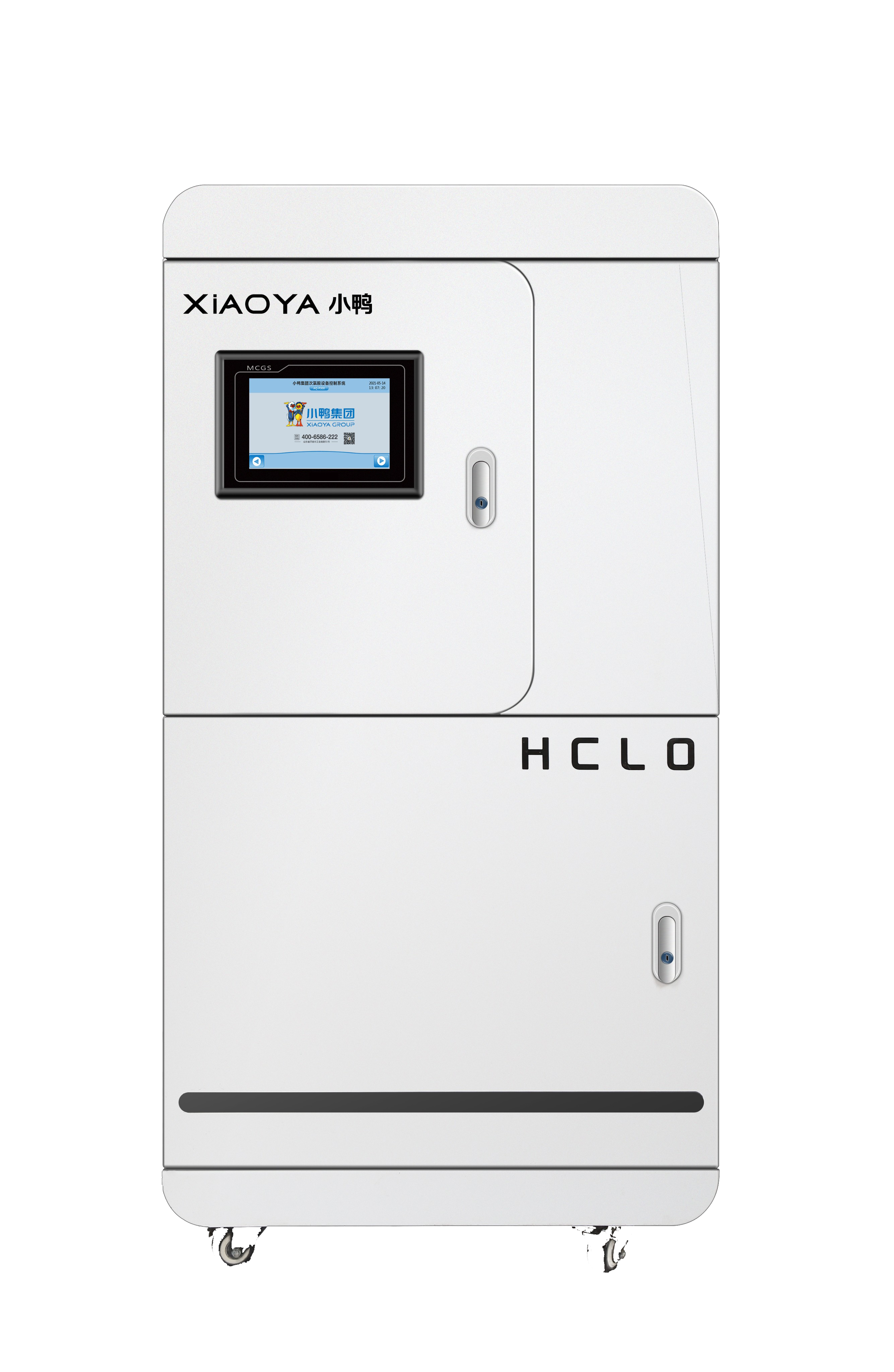
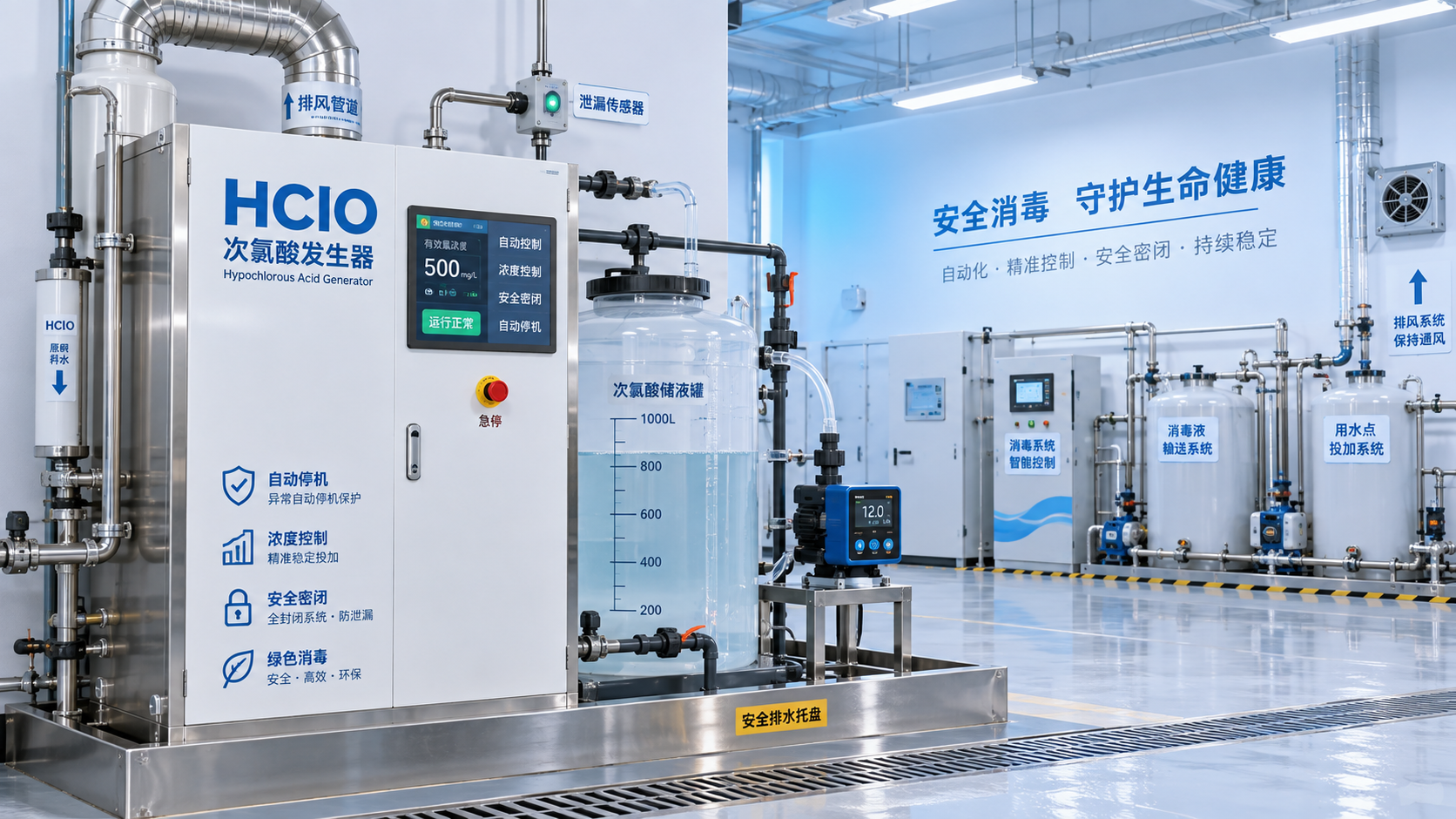
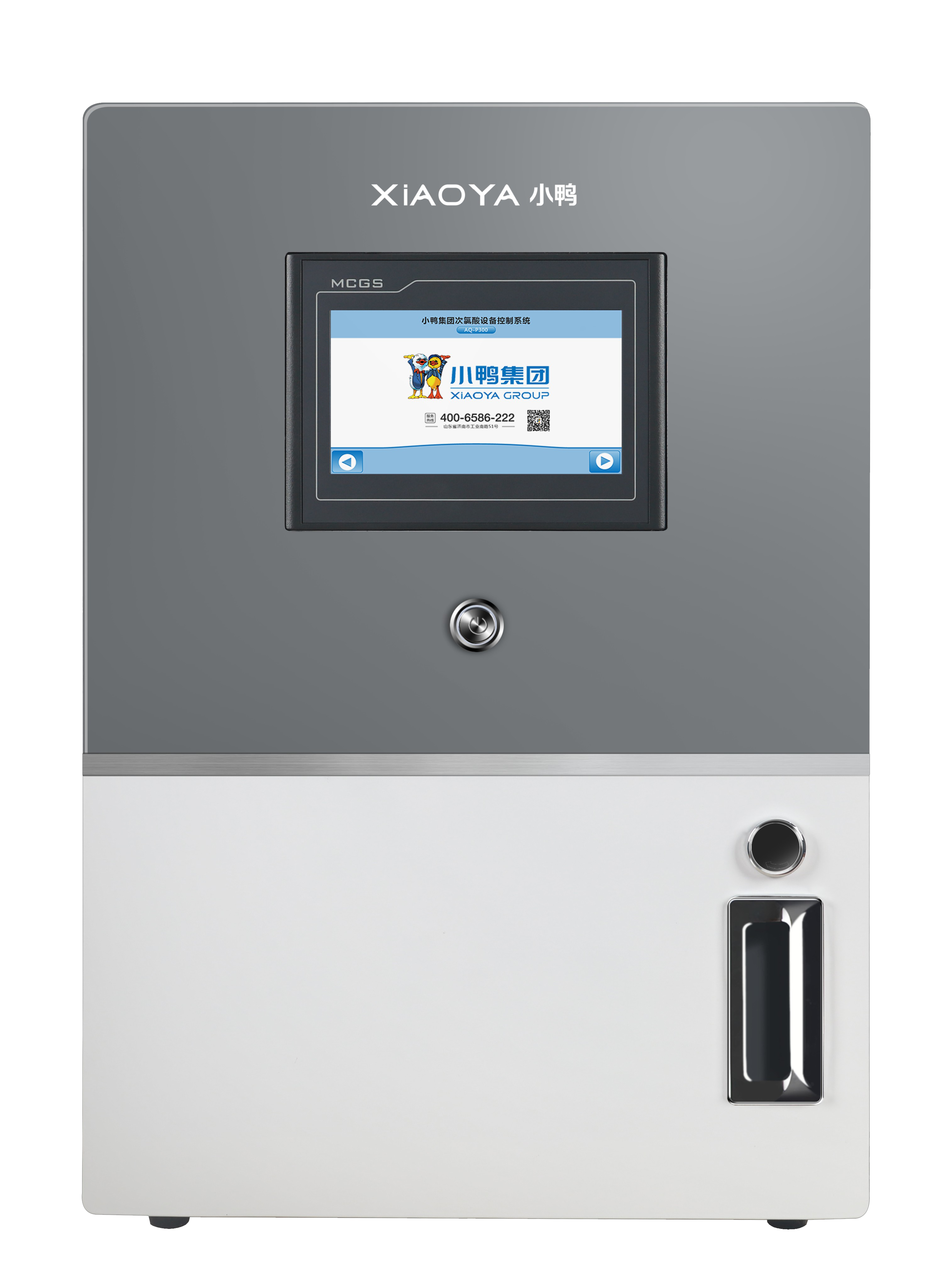
Some buyers also look for efficient, application-ready solutions such as the Pure Hypochlorous Acid (HClO) Electrolyzer, which is designed to produce hypochlorous acid solution for disinfection and water treatment. In many automated systems, a cost-effective and efficient electrolyzer can simplify integration while supporting stable output requirements.
The comparison below can help procurement teams separate capable manufacturers from traders with limited engineering depth.
A supplier with transparent lead times and clear technical feedback is usually better equipped for repeat orders. This matters when your business serves multiple product lines and needs synchronized production across appliances, disinfection systems, and related automated equipment.
Implementation, Maintenance, and Long-Term Value
Selecting a high-quality hypochlorite generator is only the first step. Long-term value depends on installation planning, operator training, maintenance access, and upgrade flexibility. A well-matched system should fit into a 3-stage rollout: pilot validation, batch integration, and stable operational scaling.
Common implementation priorities
- Reserve maintenance access around pumps, electrodes, and control modules
- Define inspection frequency, often every 30 to 90 days depending on usage
- Align water quality input with the generator’s operating requirement
- Prepare spare consumables for the first 6 months of operation
Avoiding frequent buyer mistakes
Many sourcing problems come from incomplete technical briefs. If buyers only request price and capacity, they may miss critical factors such as interface standards, enclosure requirements, or electrolyte management. Sharing 4 core items upfront—application, runtime, output target, and installation environment—usually improves quotation accuracy and reduces redesign work.
For manufacturers and brand owners seeking dependable Chinese partners, the right hypochlorite generator supplier should combine engineering understanding, scalable production, and responsive support. If you are evaluating automation equipment for disinfection or water treatment, now is the time to compare technical options, review integration requirements, and consult product details to build a more reliable sourcing plan. Contact us to get a customized solution and learn more about suitable generator configurations for your application.
NEWS
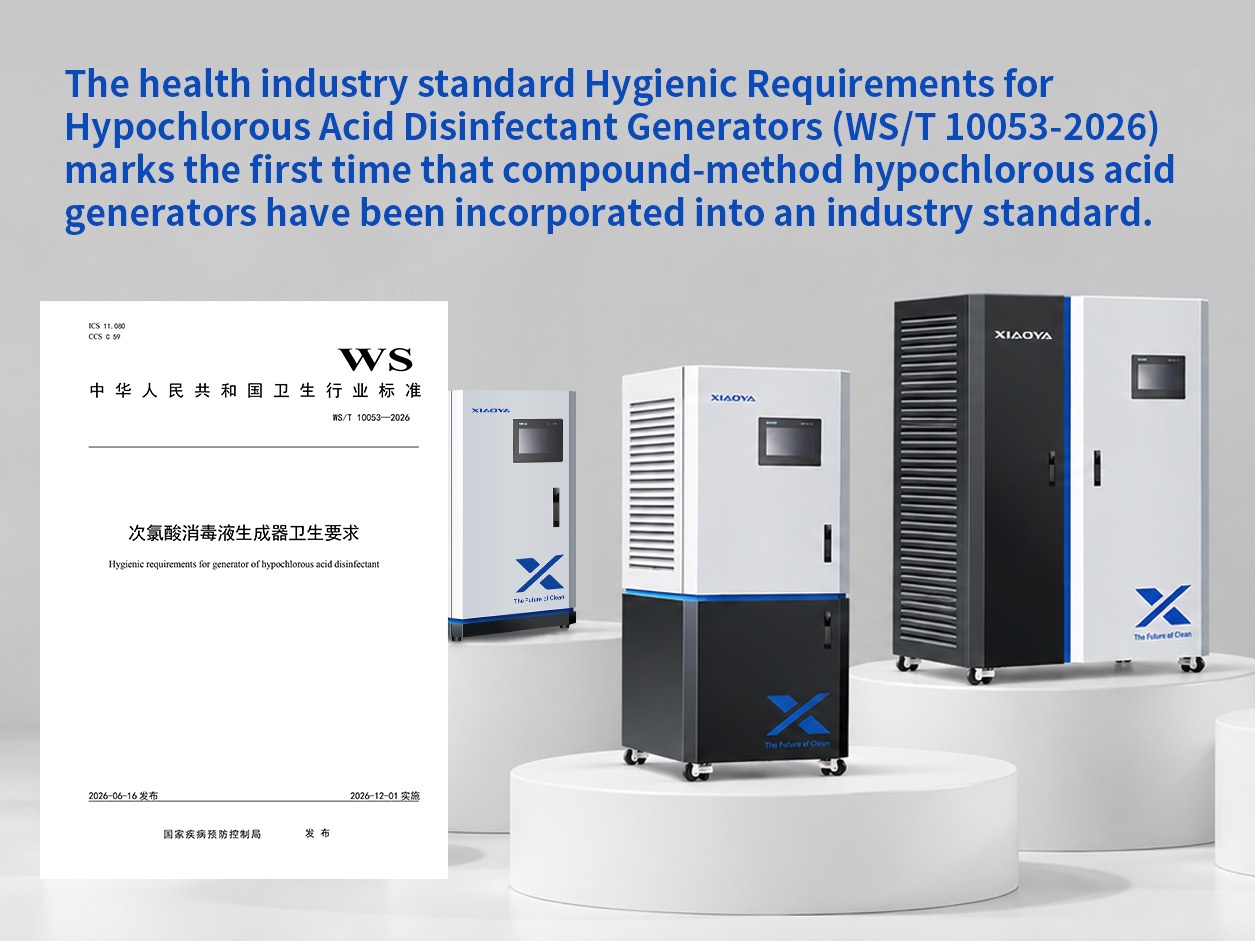
 WS/T 10053-2026 Includes the Compound Method for the First Time: Standard Signals and Market Opportunities for Mass Agricultural Production of Hypochlorous Acid Generators
 Evaluating HClO Generator Lifecycle Costs Beyond the Initial Equipment Price
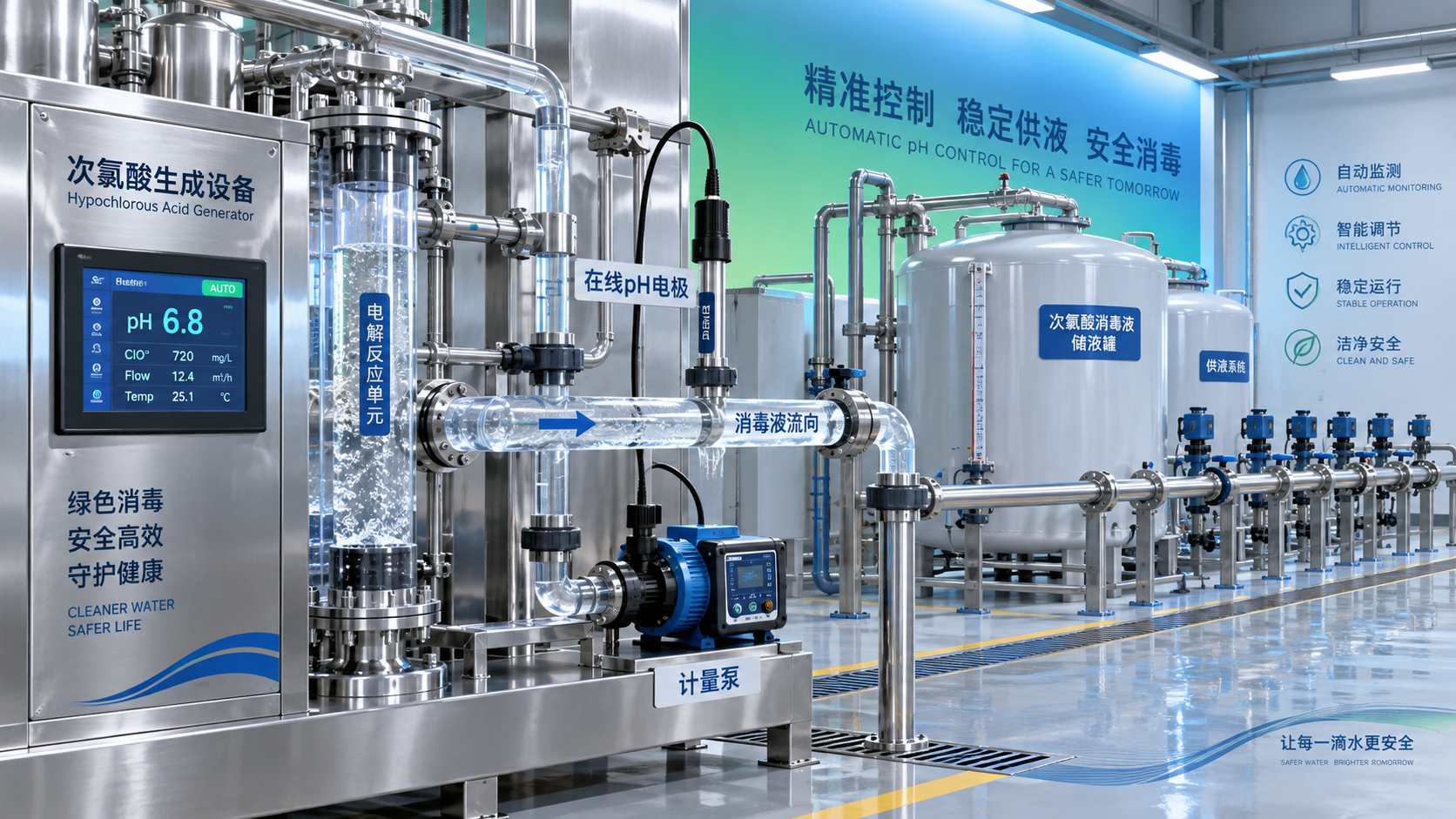
 HClO Generator pH Control: Why It Determines Disinfection Performance
- Which Safety Features Matter Most When Buying an HClO Generator?
 Troubleshooting Low ORP Readings on a Hypochlorous Acid Machine
Leave us a message

Xiaoya Group was founded in 1979,expert in the electrolyzed water industry.
Get in Touch
*We respect your confidentiality and all information are protected.