news
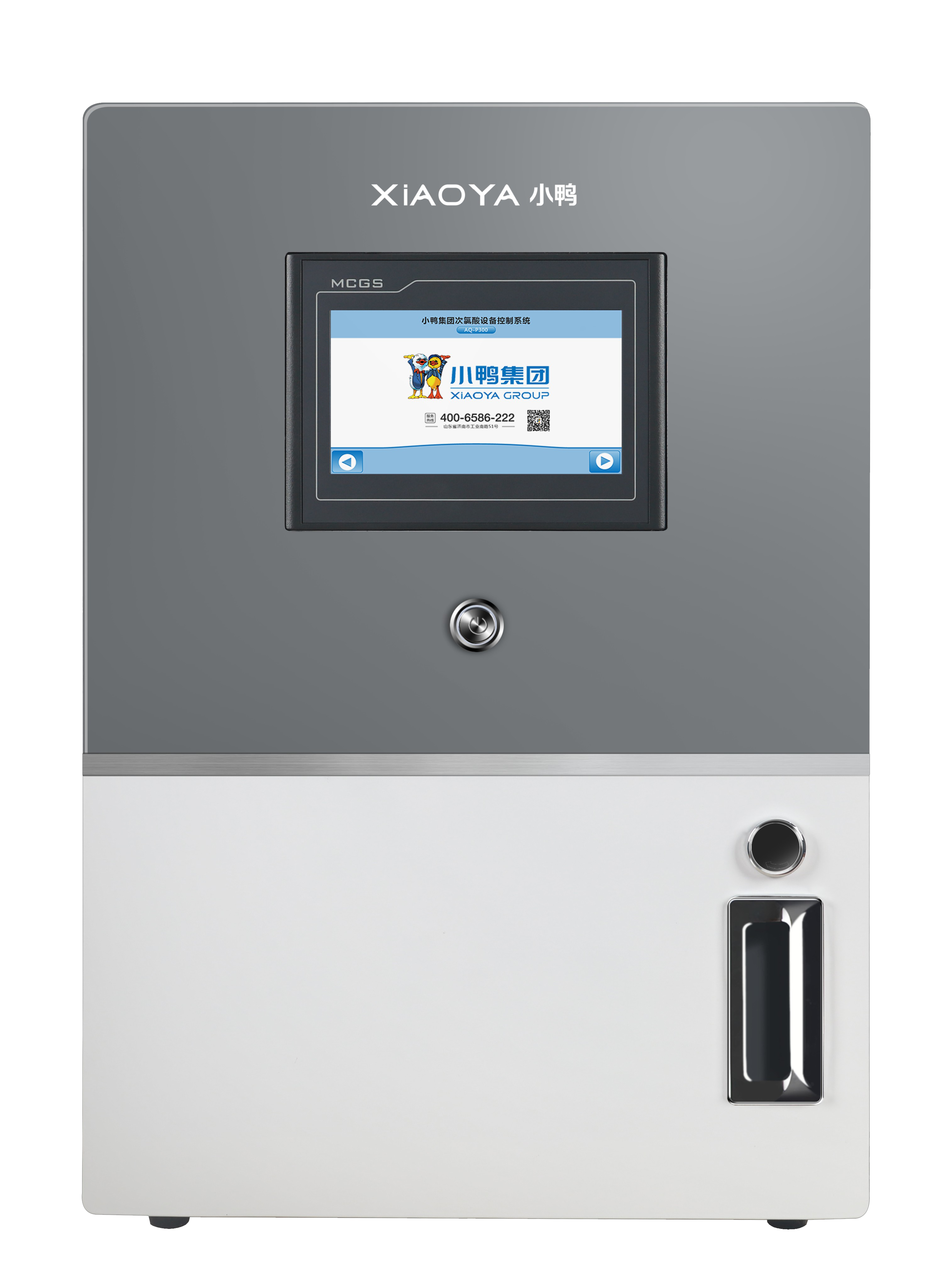
In the modern pursuit of high-efficiency sterilization and environmental sustainability, hypochlorous acid (HOCl) has emerged as a revolutionary solution in the chemical disinfection field, thanks to its superior bactericidal efficacy and human-safe profile. However, because HOCl is inherently unstable and cannot be stored for long periods, the Hypochlorous Acid Generator has become a critical piece of technology, enabling the on-demand production of fresh, potent disinfectant for both public health and industrial applications.
The Core Electrochemical Mechanism
At its fundamental level, a hypochlorous acid generator acts as a precision electrochemical reaction chamber. By applying a constant, controlled current to an electrolyte solution containing sodium chloride (salt), the device induces a redox reaction between water molecules and chloride ions. This process is far from a simple electric current pass-through; it involves a complex sequence of anodic oxidation and cathodic reduction, precisely synthesizing hypochlorous acid molecules in a weak acidic environment.
The complexity of this operation is first evidenced in The Core Principles of Hypochlorous Acid Generator Technology—specifically how micro-controlled current is applied to maximize electrolysis efficiency while minimizing energy loss from overpotential, which serves as the bedrock for ensuring the purity of the disinfectant.
Architectural Precision and Material Science
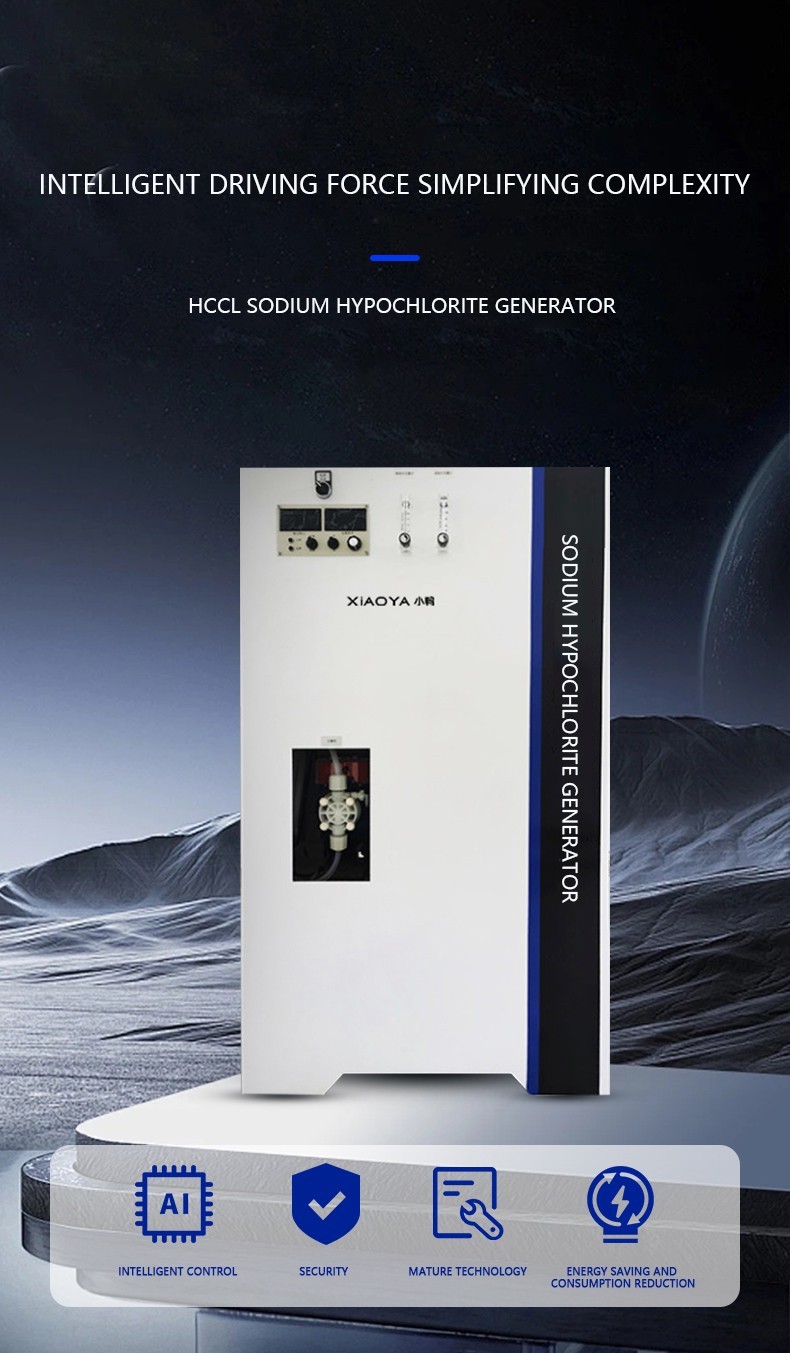
To maintain stable, long-term output, the internal architecture of these systems must be capable of withstanding highly corrosive environments. From the geometric design of the electrolytic cell to the selection of corrosion-resistant chamber materials, Anatomy and Components of a Hypochlorous Acid Generator encompasses considerations ranging from fluid dynamics to advanced materials engineering.
The development of the core electrodes is particularly vital. Electrode Material Selection for Hypochlorous Acid Generator Longevity is not merely a matter of material choice; it involves sophisticated deposition processes where precious metal coatings (such as iridium, ruthenium, or platinum) are applied to titanium substrates. These coatings determine the electrocatalytic activity of the electrodes when faced with high-salinity water, directly dictating whether the device can maintain a stable HOCl output concentration after thousands of hours of operation.
Precision Control: Reaching the "Golden Zone"
The key to high-quality hypochlorous acid lies in the precise control of the reaction environment. The bactericidal activity of HOCl is extremely sensitive to pH levels. If a generator fails to control the pH precisely, the solution may drift toward sodium hypochlorite (the main component of bleach), which significantly weakens sterilization efficiency and increases irritability. Therefore, Understanding pH Balance in Hypochlorous Acid Generator Output is not just about acidity; it is about how the device uses real-time sensing and algorithmic intervention to lock the pH within the "Golden Zone" of 5.0 to 6.5.
Furthermore, The Electrolysis Process: How Hypochlorous Acid Generator Works details every step of the transformation, from the salt ions entering the cell to the water molecules being cleaved to form HOCl. In industrial applications, this process must be supported by rigorous real-time monitoring. The technologies discussed in Safety Mechanisms in Modern Hypochlorous Acid Generator Systems—such as automatic current adjustment and closed-loop concentration monitoring—ensure that the device operates within safe and efficient thresholds, whether in a commercial or home setting.
Environmental Variables and Long-term Maintenance
Despite the stability of the electrochemical principle, fluctuations in inlet water quality pose a significant challenge to output in real-world scenarios. The Role of Water Quality in Hypochlorous Acid Generator Performance highlights the severe impact of minerals (such as calcium and magnesium ions) on electrode scaling, and explains why industrial applications must integrate pre-treatment systems.
For the end-user, owning a high-performance device is only the starting point; the core of performance lies in how it is maintained over time. Maintenance and Calibration of Your Hypochlorous Acid Generator provides a systematic logic for upkeep, including electrode descaling strategies and concentration calibration procedures. Regardless of whether you are utilizing Commercial vs. Industrial Hypochlorous Acid Generator designs, standardized maintenance procedures are the "lifeline" that ensures consistent disinfection efficacy.
The Future Roadmap of Technology
Standing at the forefront of electrochemical technology, the hypochlorous acid generator is undergoing a profound transformation. The focus of Future Innovations in Hypochlorous Acid Generator Technology extends beyond simple generation toward "smart" integration. The next generation of these devices will feature IoT connectivity, enabling remote real-time reporting of disinfectant concentration, automated diagnostics of electrode health, and AI-driven optimization of current curves based on changing water quality.
NEWS
 Public Facility HOCl Storage: Managing Heat, Light, and Shelf Life
 On-Site HOCl vs. Purchased Disinfectant for Municipal Buildings
- Sizing a Public Facility HOCl Generator for Peak Cleaning Demand
- What Can a Hypochlorous Acid Generator Do for Public Facility Cleaning?
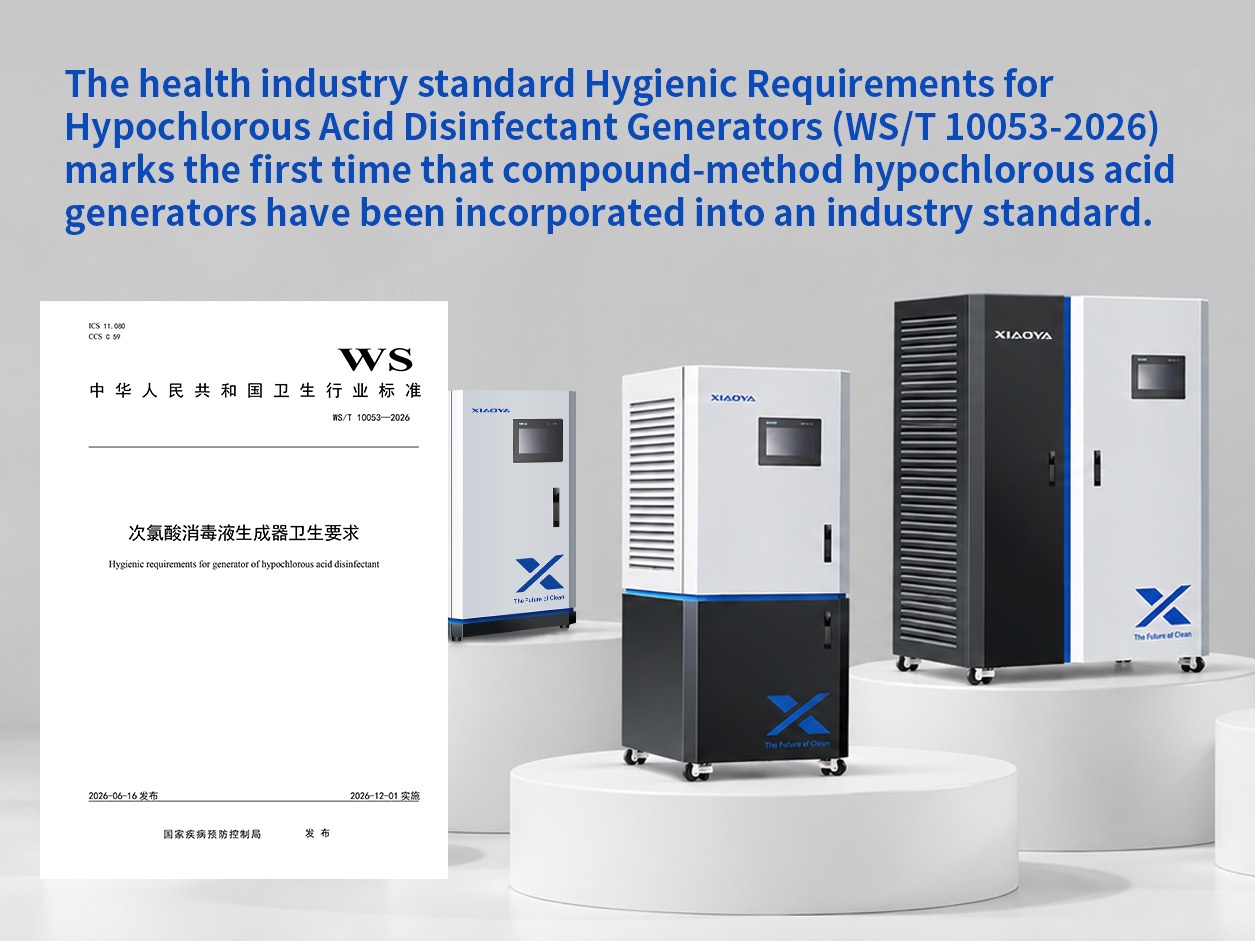
 WS/T 10053-2026 Includes the Compound Method for the First Time: Standard Signals and Market Opportunities for Mass Agricultural Production of Hypochlorous Acid Generators

Leave us a message

Xiaoya Group was founded in 1979,expert in the electrolyzed water industry.
Get in Touch
*We respect your confidentiality and all information are protected.