news
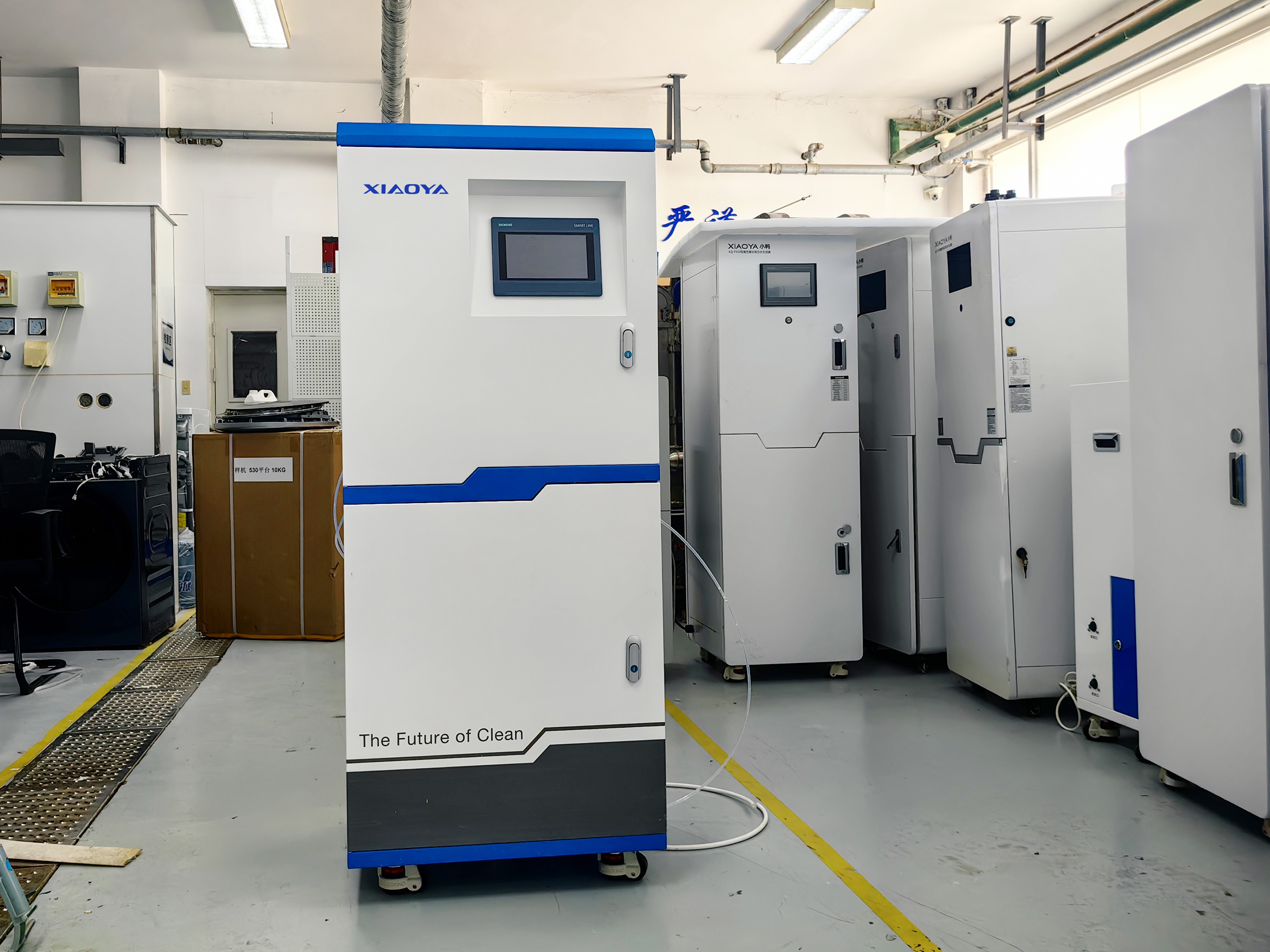
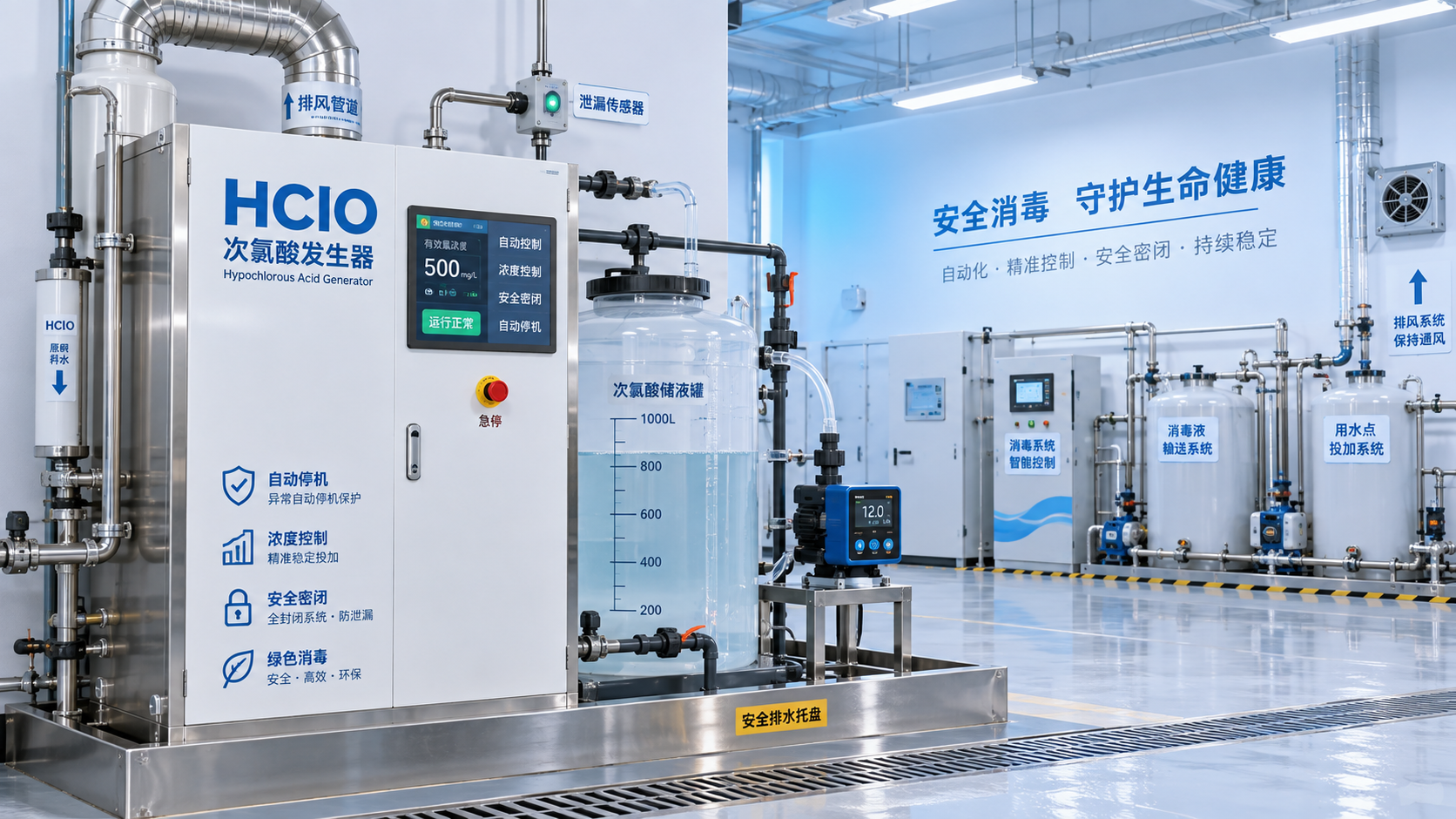
Latest R&D Breakthrough: This high-purity, slightly acidic hypochlorous acid (HOCl) generator utilizes advanced membrane separation technology—specifically perfluorosulfonic acid proton exchange membranes (such as Nafion membranes). This represents the cutting-edge, mainstream industrial process for producing high-quality and highly stable hypochlorous acid.
Core Principle: Operating via selective ion permeation, the membrane body contains fixed sulfonic acid functional groups. Utilizing electrostatic effects for precise ion screening, the membrane allows only sodium ions (Na⁺) to pass through directionally. It effectively blocks the transmembrane migration of chloride (Cl⁻) and hydroxide (OH⁻) ions, fundamentally suppressing side reactions.
Compared to traditional membraneless electrolysis, the core advantages of the sulfonic acid membrane are reflected across the following dimensions:
1. Ultra-High Product Purity with Virtually Zero Harmful Byproducts
Physical Isolation of Side Reactions: Thanks to the selective ion-permeation mechanism, the fixed sulfonic acid groups on the membrane precisely screen ions via electrostatic effects. This ensures only Na⁺passes through while blocking Cl⁻ and OH⁻, eliminating side reactions at the source.
Performance Benchmarks: In the 100% isolated mode at pH 2–3, chlorine gas purity reaches ≥98% with no redundant byproducts, while caustic soda (NaOH) purity reaches 32%–35%. Additionally, it supports a dual-electrolysis mode to produce high-purity hypochlorous acid with extremely low residual chloride, making it ideal for high-standard water applications in the food and cosmetics/beauty industries.
Minimal Byproducts: The system effectively suppresses the formation of chlorates and potentially carcinogenic trihalomethanes (THMs). This ensures that the generated hypochlorous acid fully complies with stringent food-grade and even pharmaceutical-grade water quality standards.
2. Significantly Improved Electrolytic Efficiency with Lower Energy and Salt Consumption
Sulfonic acid membranes possess exceptionally high ionic conductivity (primarily conducting H⁺or Na⁺), which drastically reduces the internal resistance of the electrolytic cell:
Voltage and Energy Reduction: Utilizing a perfluorosulfonic/carboxylic acid bilayer composite membrane achieves a lower electrolytic cell voltage. Data indicates that operating energy consumption can be reduced by approximately 23.5% compared to single-membrane systems.
Enhanced Current Efficiency: The current efficiency of the membrane-based system is typically about 1.2 times that of membraneless or traditional forced-circulation systems. For the same yield of available chlorine, power consumption is reduced by roughly 17%, and salt consumption (raw material consumption) is cut by about 16%.
3. Precise, Wide-Range pH Adjustment (pH 2–7) for Enhanced Stability
Wide-Range Precise pH Tuning: The pH value remains highly stable, perfectly satisfying strict, customized Oxidation-Reduction Potential (ORP) requirements for clients.
Low Residual Chlorine: With precise control over extended pH ranges, the solution yields a 99.7% hypochlorous acid content at pH 5.0 with an ultra-high oxidation potential. In the pH 7.0 neutral water mode, the output can be heavily diluted to lower salinity, resulting in exceptionally low residual chlorine.
4. Superior Corrosion Resistance and Extended Equipment Lifespan
Acid and Alkali Resistance: The sulfonic acid membrane substrate resists harsh acid and alkali corrosion, fully supporting acid-washing maintenance.
Ultra-Long Lifespan: 1. Features a triple-cleaning system (automated water flushing + self-cleaning + acid washing) to ensure an ultra-long operational life.
2. The electrolysis unit supports a maximum operating lifespan of up to 30,000 hours, far exceeding the industry average.
3. The modular design allows for easy assembly and disassembly. The well-engineered electrolytic cell enables individual replacement of localized worn components, significantly extending the overall lifespan of the machine.
5. Highly Customizable to Meet Diverse Industrial and Operational Conditions
Based on a production rate of 1 ton/hour at 100 ppm, the consumption per ton of hypochlorous acid water is optimized as follows:
Standard Operating Conditions: Salt consumption: 500–700g; Power consumption: 0.7–0.87 kW·h.
Low-Salt Condition (Preferred for Food & Cosmetics): Salt consumption: 300g; Power consumption: 1.75 kW·h (high voltage, ultra-low residual chloride).
Low-Energy Condition (Preferred for Livestock & Disinfection): Salt consumption: 1400g; Power consumption: 0.35 kW·h (low voltage, maximized electricity savings).
6. Comprehensive Economic Benefit Comparison
From a long-term operational perspective, although the initial equipment procurement cost for the sulfonic acid membrane system is slightly higher, it delivers immense value through reduced energy and salt consumption, alongside an extended equipment lifespan:
The comprehensive operating cost of the membrane electrolytic cell is approximately 46% lower than traditional membraneless electrolysis methods.
It is approximately 56% lower than traditional diaphragm methods.
NEWS
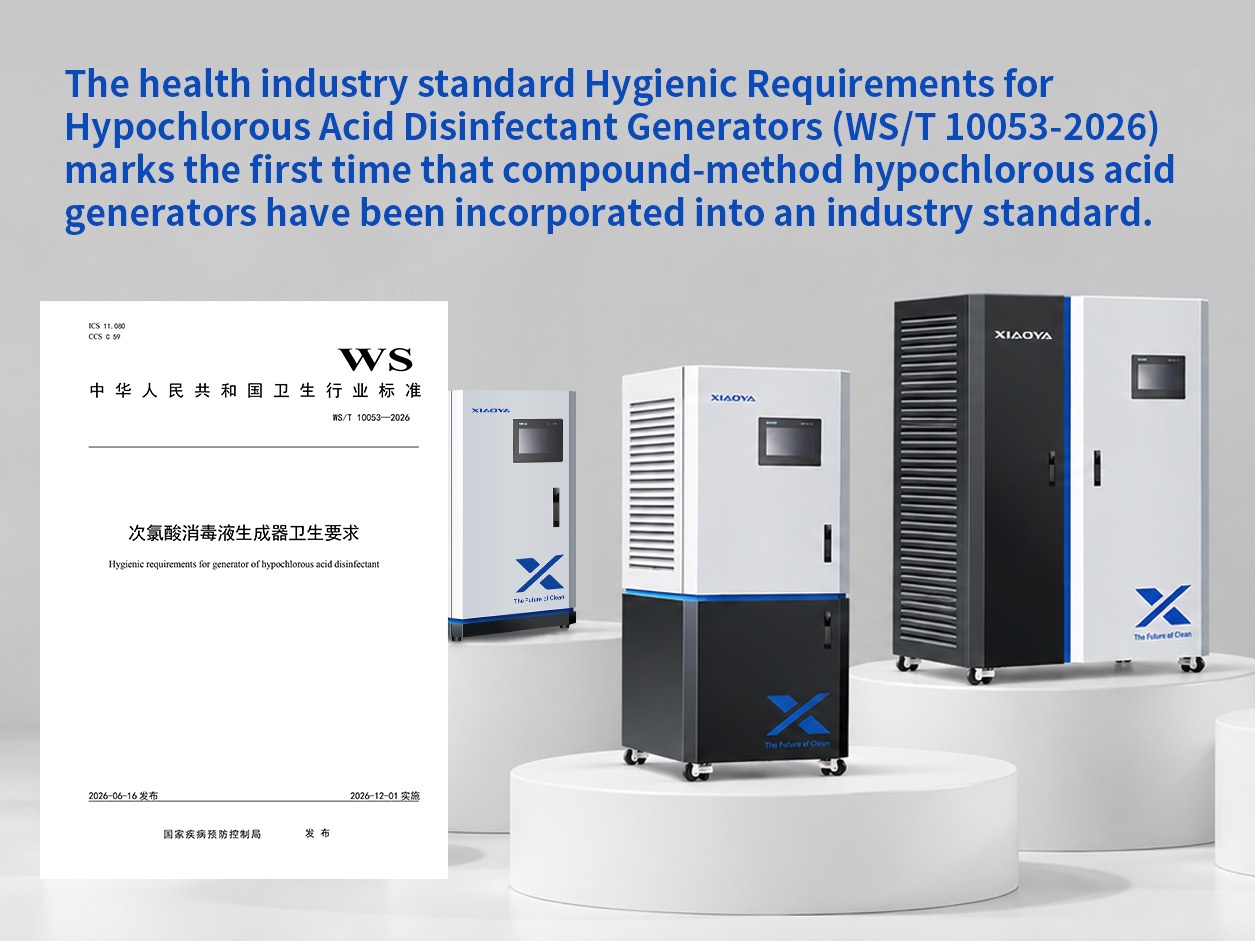
 WS/T 10053-2026 Includes the Compound Method for the First Time: Standard Signals and Market Opportunities for Mass Agricultural Production of Hypochlorous Acid Generators
 Evaluating HClO Generator Lifecycle Costs Beyond the Initial Equipment Price
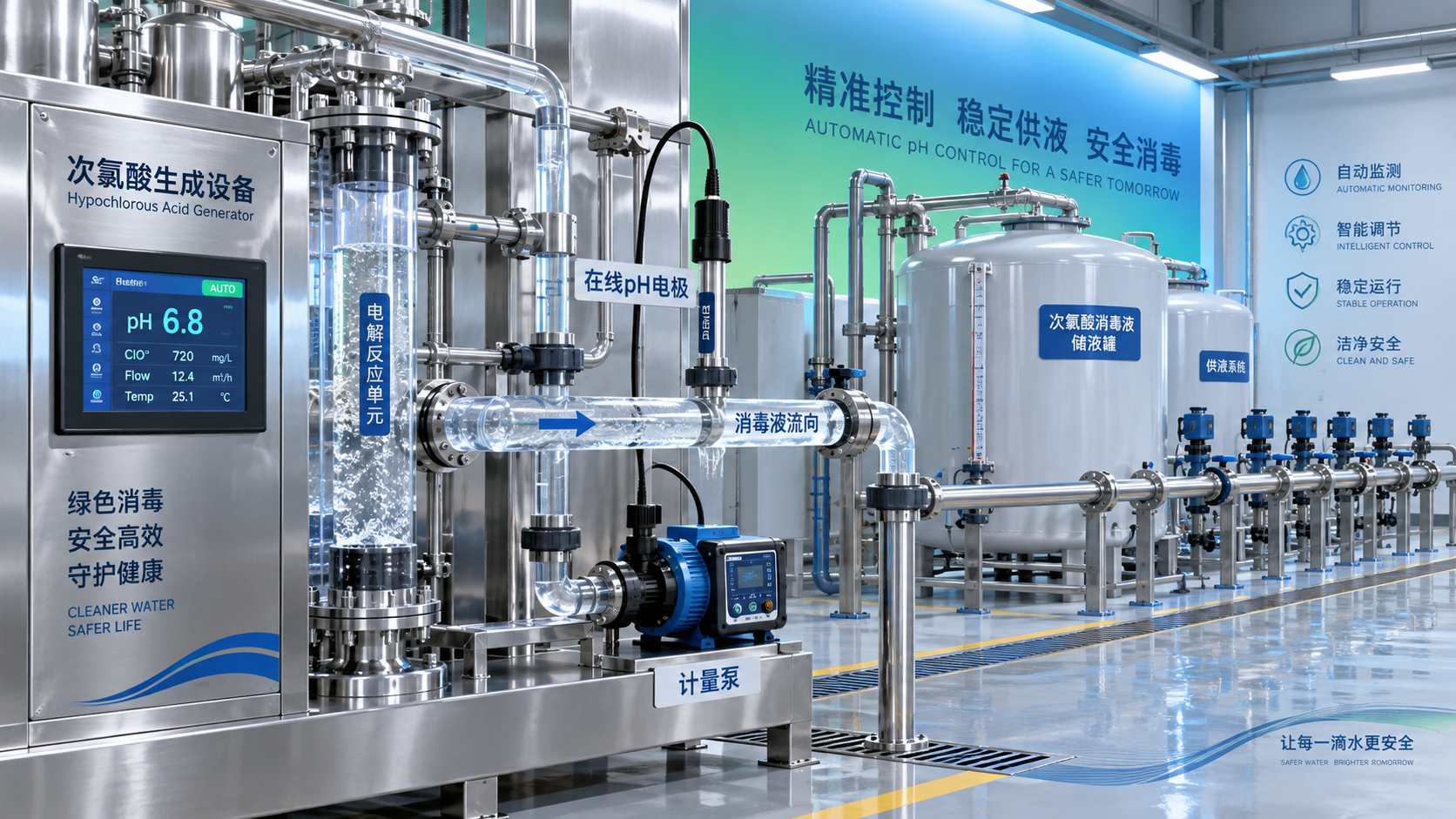
 HClO Generator pH Control: Why It Determines Disinfection Performance
- Which Safety Features Matter Most When Buying an HClO Generator?
 Troubleshooting Low ORP Readings on a Hypochlorous Acid Machine
Leave us a message

Xiaoya Group was founded in 1979,expert in the electrolyzed water industry.
Get in Touch
*We respect your confidentiality and all information are protected.