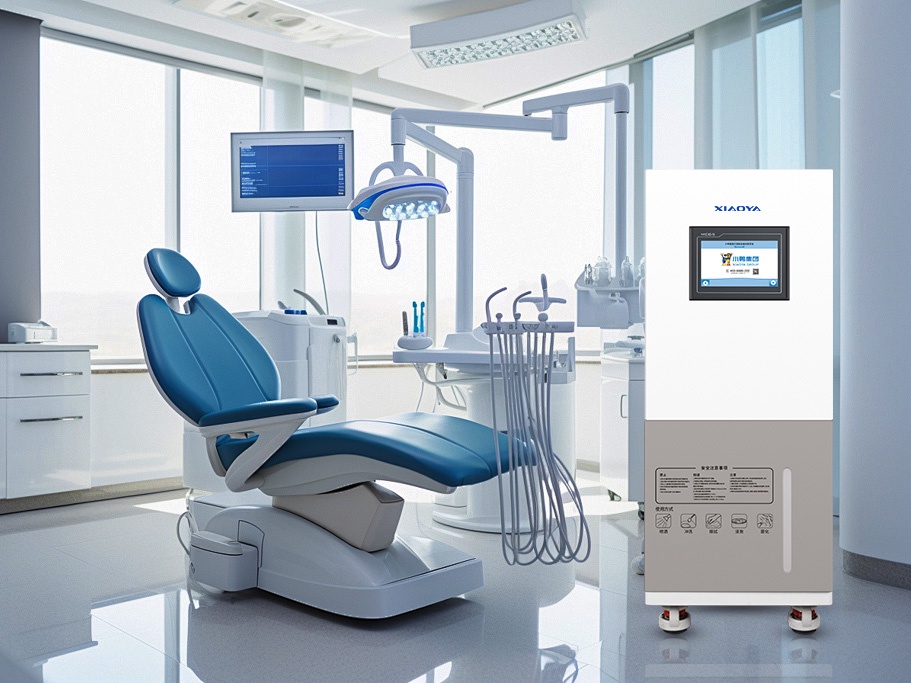
Dental-Specific Hypochlorous Acid Generator | One-Stop Elimination of DUWL Biofilms, Ensuring Infection Control Compliance for Dental Clinics
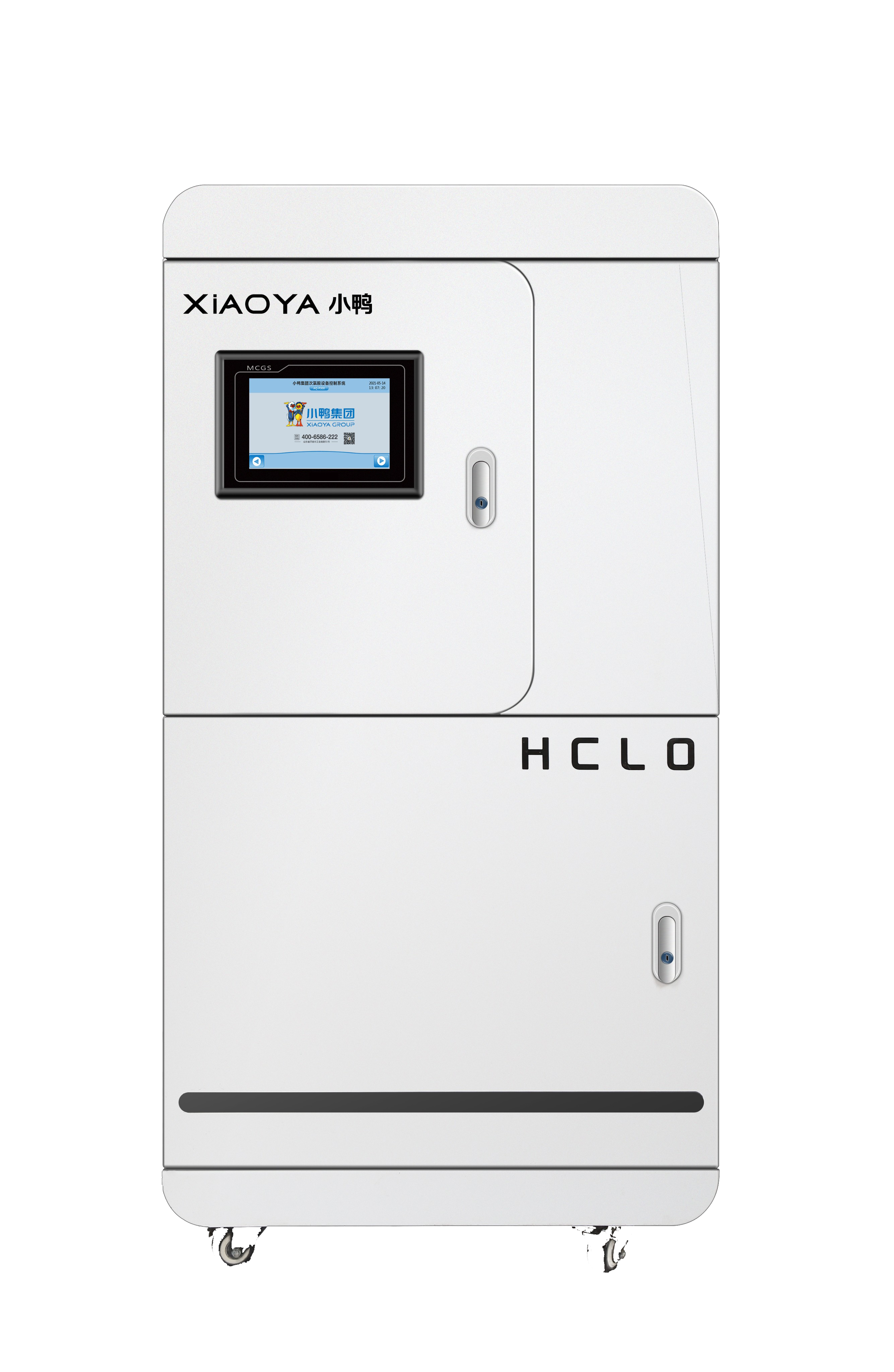
As global infection control standards in dentistry continue to tighten, dental unit waterline (DUWL) biofilms and excessive bacterial counts in tubing have become major regulatory compliance pitfalls where clinics and chain dental hospitals easily lose points. Traditional disinfectants, such as chlorine-containing liquids and glutaraldehyde, not only corrode the internal plastic tubing of dental chairs but also fail to penetrate the stubborn biofilms formed on tube walls, easily leading to cross-infection of patients' oral mucosa. Specifically engineered for dental applications, the Shandong Xiaoya Group Medical Hypochlorous Acid Generator leverages proprietary membrane electrolysis technology to generate slightly acidic hypochlorous acid (SAEW) on-site. This provides a one-stop solution to the long-standing challenge of long-term DUWL disinfection, serving as core equipment for dental institutions upgrading to standardized infection control.
I. Unique Disinfection Pain Points in the Dental Industry
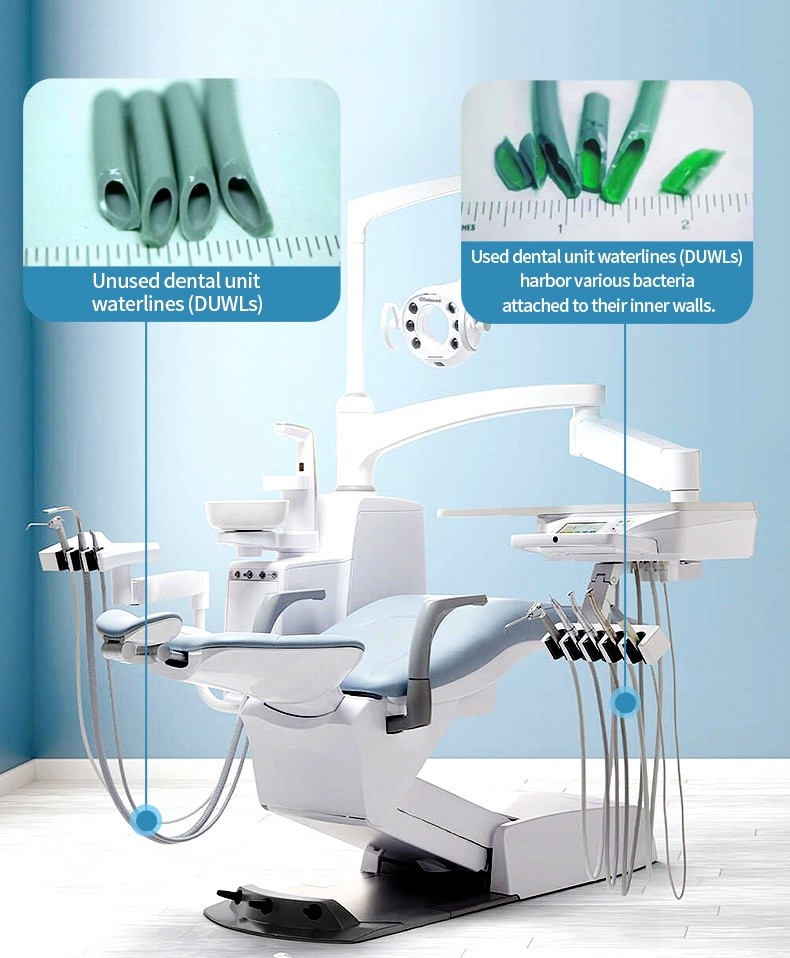
The internal pipelines of a dental unit are slender and characterized by slow water flow. During overnight idle periods, microorganisms in the water rapidly adhere to the tubing walls, forming a dense biofilm. This biofilm harbors Pseudomonas aeruginosa, Legionella, and various periodontal pathogens. Conventional disinfection methods only kill free-floating bacteria in the water but cannot eliminate deep-seated bacterial colonies within the biofilm, causing the total colony count to easily exceed medical water quality standards.
1.High Corrosiveness of Traditional Chemicals: Long-term use of conventional chemical disinfectants degrades dental unit pipelines and 3-way syringes, significantly shortening the service life of clinical equipment.
2.Labor-Intensive Manual Cleaning: Disassembling and flushing pipelines manually is time-consuming and exhausting. Synchronizing this cleaning across multiple dental chairs in mid-to-small clinics consumes substantial nursing work hours.
3.Inadequate Penetration and Bacterial Rebound: Disinfectants like quaternary ammonium compounds and effervescent disinfection tablets lack sufficient penetrating power, offering only short-term bacteriostasis. Bacteria rapidly multiply and rebound once disinfection stops.
4.High Irritation and Pungent Odors: Harsh chemical agents emit pungent odors that continuously irritate the respiratory tracts and oral mucosa of both dentists and patients.
II. Core Disinfection Advantages of the Xiaoya Dental Hypochlorous Acid Generator
Equipped with a self-developed medical-grade electrolysis module, the device prepares slightly acidic hypochlorous acid (SAEW) with a pH of 5.0–6.5 on-site. The available free chlorine concentration can be customized. It penetrates the tubing biofilm within 1 minute, achieving a 99.99% kill rate against common oral pathogens, perfectly matching the full-cycle disinfection needs of dental waterlines.
1.Fully Automated Dental Unit Waterline Circular Disinfection:
A single generator can connect to the water supply systems of 1 to 15 dental units and supports scheduled automatic circulation soaking. After clinic hours at night, the system automatically initiates a high-concentration fluid cycle to flush and soak the pipelines. Before opening the next morning, it automatically dilutes and flushes out any pipeline residue. During clinical intervals, it switches to a low-concentration water supply to inhibit bacteria from adhering to pipeline walls in real time. The entire process runs fully automatically without requiring manual operation by nurses, dramatically lowering the labor costs of infection control. Moreover, the slightly acidic hypochlorous acid is gentle and non-corrosive, meaning long-term use will not damage precise dental unit pipelines or dental handpiece accessories.
2.Full-Scenario Disinfection Coverage for Dental Clinics: Beyond core waterline disinfection, the hypochlorous acid water generated by the device adapts to all clinical disinfection scenarios:Low Concentration (20–50 ppm): Used for pre-treatment patient gargling, eliminating the tooth staining and taste distortion issues associated with chlorhexidine.Medium Concentration: Used to soak burs, extraction instruments, and silicone rubber impressions. It leaves zero chemical residue and requires no secondary rinsing with fresh water.Air & Surface Disinfection: When paired with an atomizing device, it can spray and disinfect clinical air, dental units, and door handles in occupied environments.
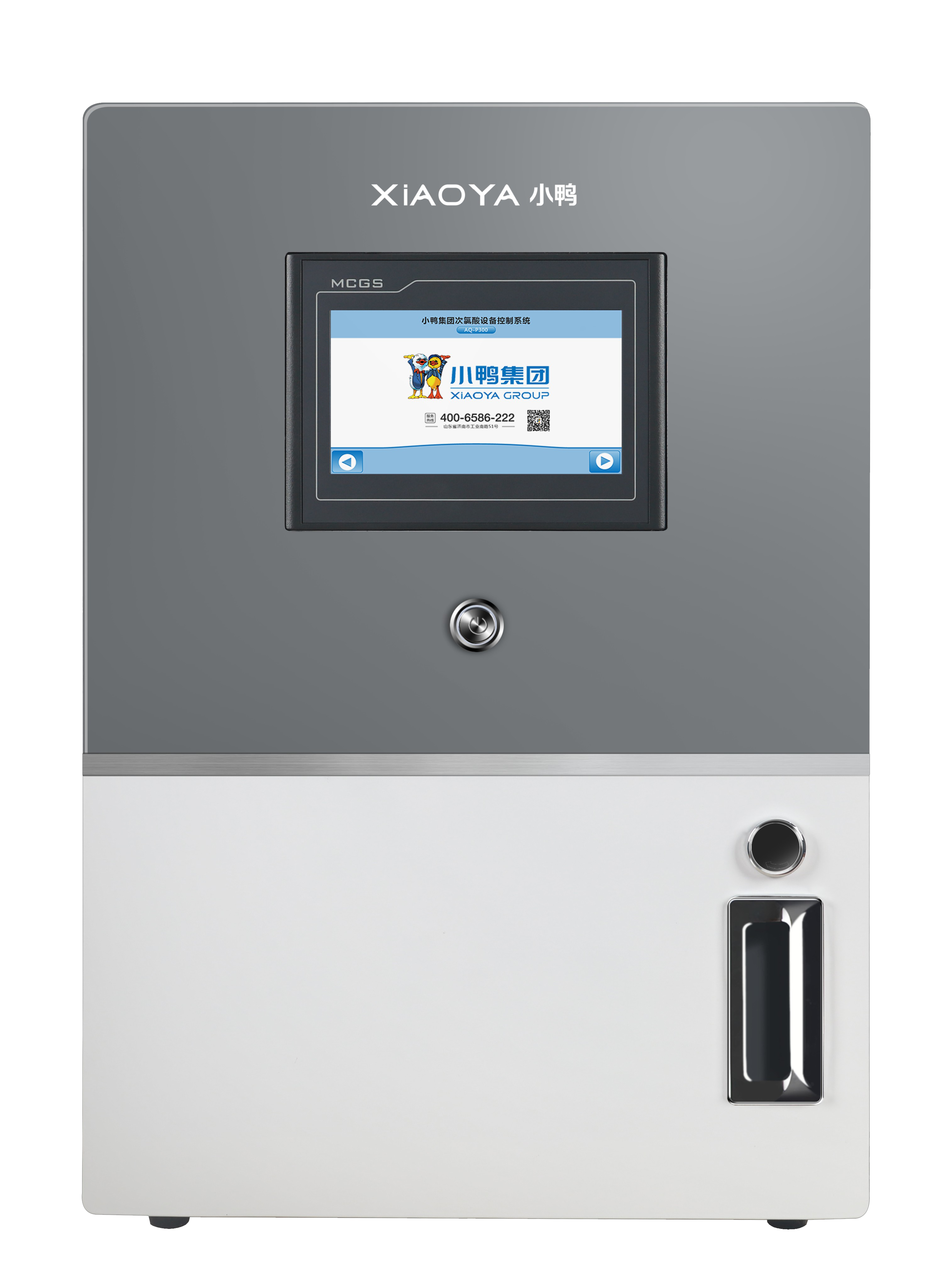
3.Medical-Grade Intelligent IoT Control for Regulatory Compliance and Traceability: The device features an industrial-grade PLC touchscreen operating system and a built-in 4G IoT module, enabling remote viewing of equipment operational data and disinfection logs via computers or smartphones. The system automatically preserves complete disinfection logs, fully meeting the traceability and inspection standards required for medical regulatory infection control ledgers. The entire machine is equipped with multiple protective sensors for water shortage, salt shortage, over-temperature, and abnormal water pressure, triggering an automatic shutdown and alarm in case of failure. Its compact footprint allows for easy installation even in cramped clinic utility rooms.
III. Core Value Delivered to Dental Institutions
Currently, the Xiaoya Dental Hypochlorous Acid Generator has been exported in batches to dental clinics and chain dental hospitals across Southeast Asia, the Middle East, Europe, and the Americas. Deployment delivers three core returns:
1.Effortless Compliance with Infection Control Audits: It eradicates microbial contamination in dental waterlines at the source, stably maintaining clinical water up to standard to smoothly pass annual domestic and international dental infection control inspections.
2.Substantial Reduction in Comprehensive Disinfection Costs: Generating disinfectant on-site eliminates the need to purchase and store bulky bottled chemical agents, slash-cutting annual disinfection consumable costs while eliminating the man-hours required for periodic manual pipeline scrubbing.
3.Optimized Patient Experience: The disinfecting fluid leaves no pungent odor and causes no stinging sensation on the oral mucosa. Its use in post-operative wound irrigation can aid anti-inflammatory efforts and reduce swelling, effectively lowering patient complaints related to post-operative infections.
Backed by years of deep technological expertise, the full range of Xiaoya hypochlorous acid generators holds complete medical disinfection qualifications and supports OEM/ODM customization services. Equipment flow rates and specifications can be tailored based on the number of dental chairs and installation space constraints, providing a stable, long-term, and comprehensive waterline disinfection solution for the global dental industry.
NEWS
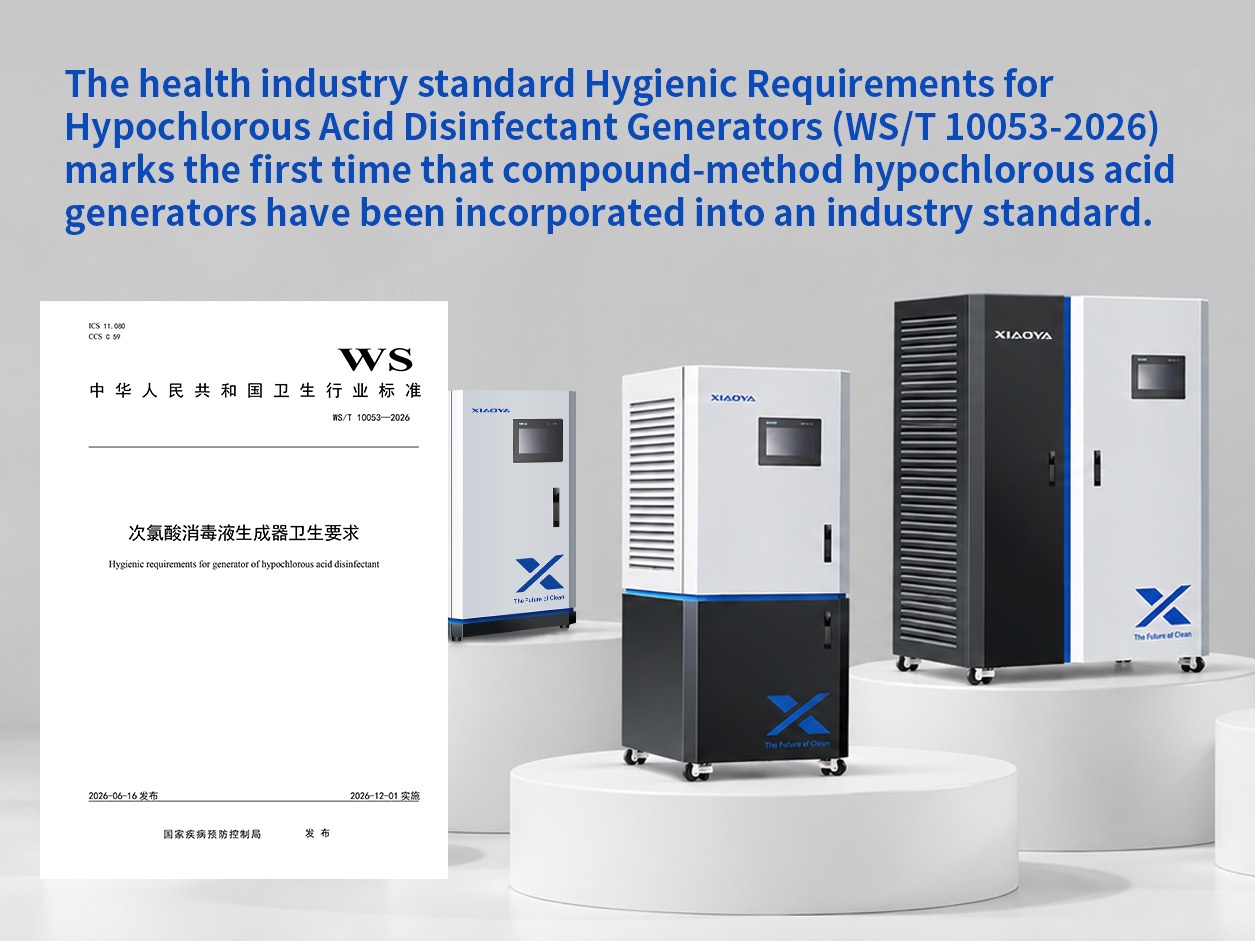
 WS/T 10053-2026 Includes the Compound Method for the First Time: Standard Signals and Market Opportunities for Mass Agricultural Production of Hypochlorous Acid Generators
 Evaluating HClO Generator Lifecycle Costs Beyond the Initial Equipment Price
 HClO Generator pH Control: Why It Determines Disinfection Performance
- Which Safety Features Matter Most When Buying an HClO Generator?
 Troubleshooting Low ORP Readings on a Hypochlorous Acid Machine
Leave us a message

Xiaoya Group was founded in 1979,expert in the electrolyzed water industry.
Get in Touch
*We respect your confidentiality and all information are protected.