news
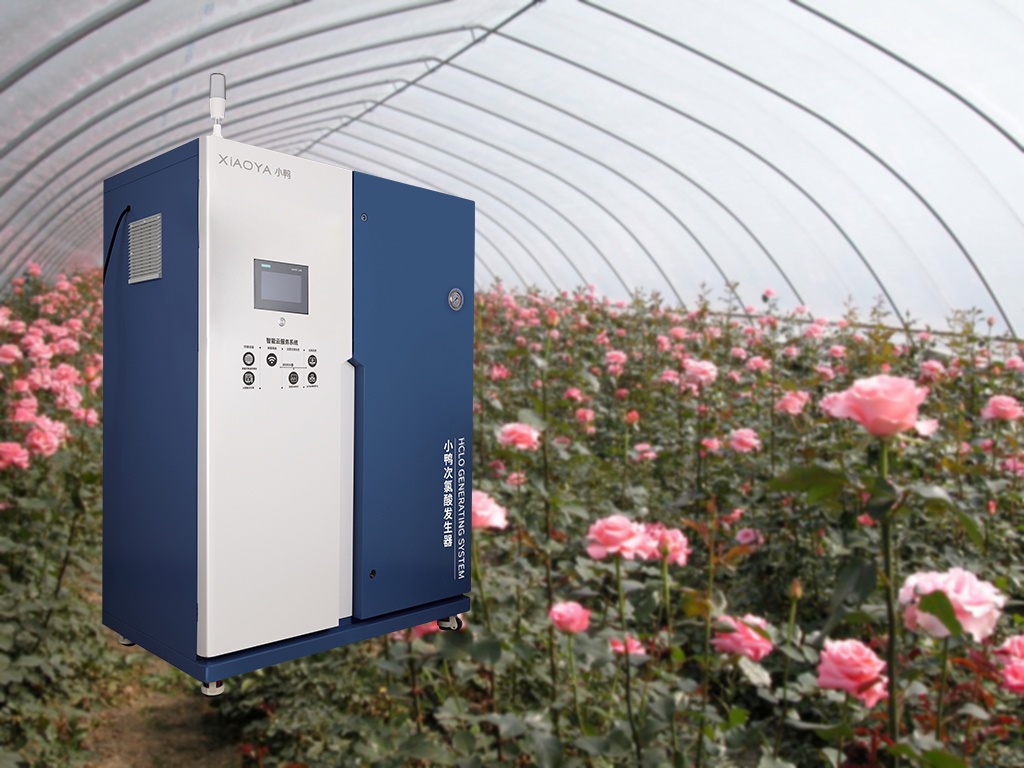
Hypochlorous acid (HOCl) generators are fully applicable for rose cultivation, suitable for both greenhouse fresh-cut roses and potted roses.
I. Four Core Uses in Rose Cultivation
1. Foliar Disease Prevention and Control Spraying (Powdery Mildew, Gray Mold, Black Spot)
Roses are highly susceptible to gray mold, powdery mildew, and black spot. Hypochlorous acid can replace chemical fungicides, leaving zero chemical residue, causing no damage to flower buds, and posing no harm to pollinating bees.
l Prevention: 30–50 PPM, sprayed on both sides of the leaves weekly during the evening.
l Disease Outbreak: 80–120 PPM, sprayed for 2–3 consecutive days to control the spread of fungal spores.
l Contraindication: Strictly avoid concentrations exceeding 200 PPM. High concentrations will burn petals and scorch the edges of tender leaves.
2. Irrigation Water / Drip Irrigation System Sterilization to Prevent Root Rot
Bacteria and algae growing in irrigation pipes and reservoirs can easily trigger root rot in roses. A generator continuously produces low-concentration hypochlorous acid to purify the water source.
l Standard Concentration: 0.5–2 PPM applied alongside irrigation water. Long-term use will not burn roots or cause salt accumulation (models electrolyzing potassium chloride are preferred).
3. Greenhouse Environment + Equipment Disinfection
Atomized disinfection of floors, seedbeds, shears, pots, and harvesting baskets blocks cross-infection. A 100–150 PPM spray can be used in the greenhouse air; it is safe for ongoing operations and does not require clearing the area.
4. Post-harvest Preservation of Fresh-Cut Roses (Core Advantage)
Fresh-cut roses suffer heavy losses from gray mold rot. Hypochlorous acid can significantly extend vase life:
l Stem Dipping: Dip stems in 30 PPM for 5 minutes to kill bacteria at the cut end.
l Light Petal Spraying: A brief 30 PPM spray reduces the incidence of gray mold by over 80% and extends the flowering period by 2–3 days.
II. Selecting Raw Materials for the Two Generator Types (Roses are salt-sensitive; note the distinction)
1. Sodium Chloride (Table Salt) Electrolysis Models
Long-term irrigation can lead to the accumulation of sodium and chloride ions. Since roses are only moderately salt-tolerant flowers, this model is not recommended for large-scale, long-term greenhouse cultivation, though it can be used for short-term foliar spraying.
2. Potassium Chloride Electrolysis Models for Agriculture (Recommended for Rose Bases)
Potassium is an essential element for rose blooming, and this type has an extremely low chloride ion content. Long-term irrigation will not cause soil salinization. It simultaneously sterilizes and supplements potassium fertilizer, promoting plump flower buds and deep green leaves.
III. Key Precautions for Use
l Spraying Time: Spray in the early morning or evening. Avoid intense midday sunlight to prevent brown sunspots on the leaves. Ensure good ventilation after spraying to allow the plants to dry quickly.
l Do Not Mix: Do not mix with chemical fertilizers, foliar fertilizers, pesticides, or alkaline agents, as this will neutralize the solution, rendering it ineffective or even producing harmful substances.
l Test on a Small Scale First: For new varieties, young seedlings, or during the budding stage, test-spray a few plants first. Apply to the entire garden only after confirming no burning occurs.
l Use Freshly Made: Hypochlorous acid has poor stability. It should be used within 24 hours of production by the generator. Prolonged storage will drastically reduce its bactericidal efficacy.
NEWS
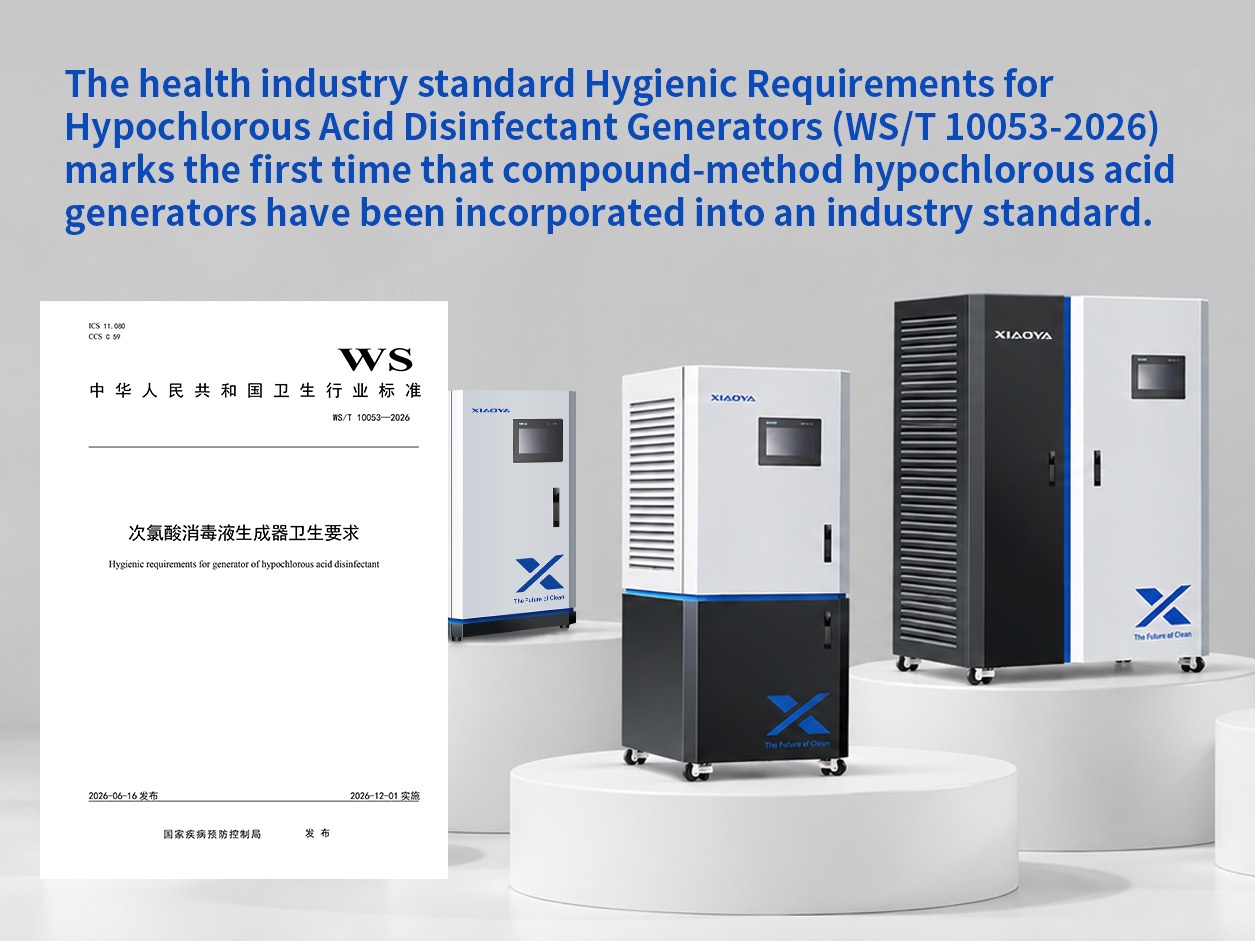
 WS/T 10053-2026 Includes the Compound Method for the First Time: Standard Signals and Market Opportunities for Mass Agricultural Production of Hypochlorous Acid Generators
 Evaluating HClO Generator Lifecycle Costs Beyond the Initial Equipment Price
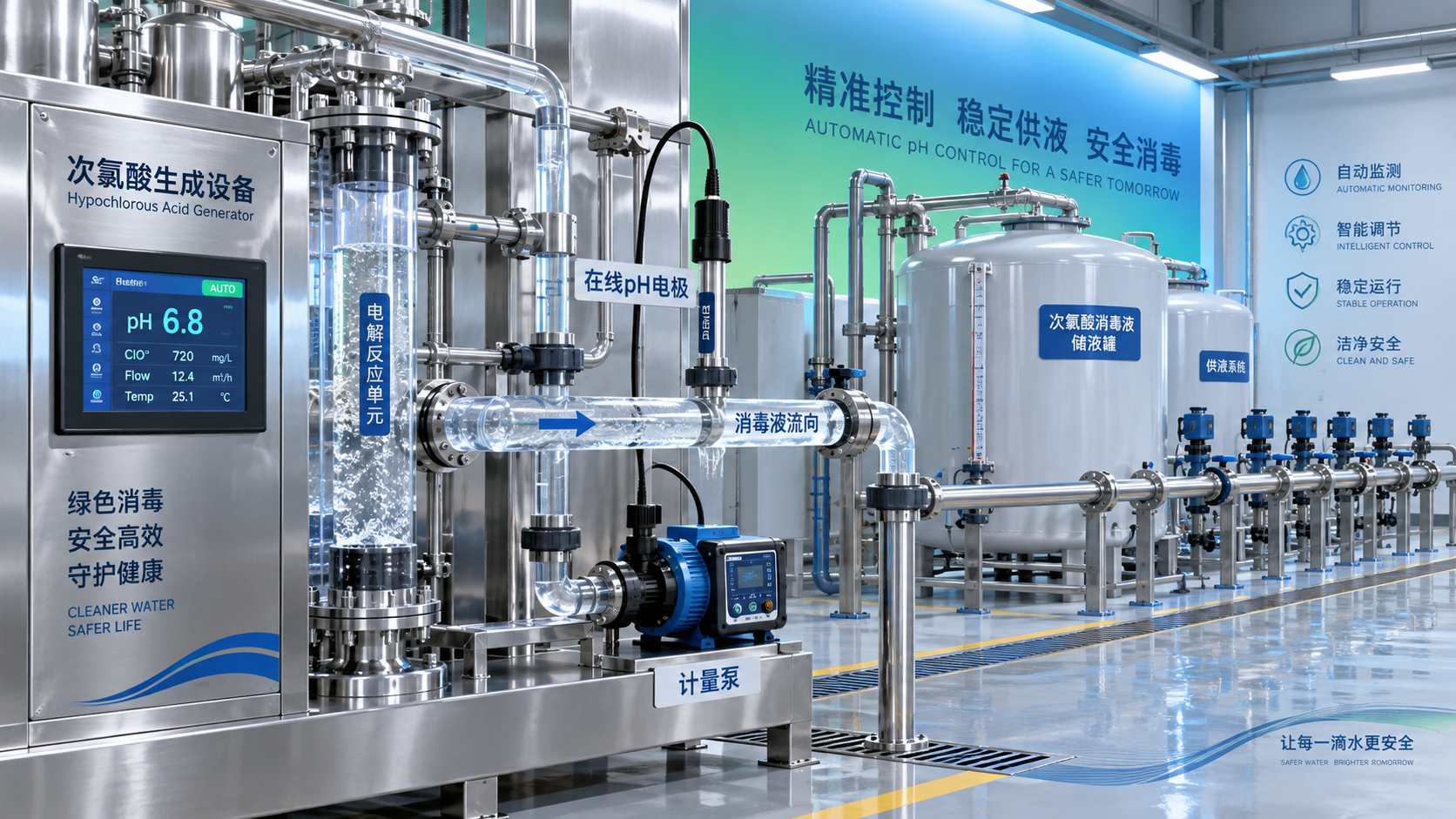
 HClO Generator pH Control: Why It Determines Disinfection Performance
- Which Safety Features Matter Most When Buying an HClO Generator?
 Troubleshooting Low ORP Readings on a Hypochlorous Acid Machine
Leave us a message

Xiaoya Group was founded in 1979,expert in the electrolyzed water industry.
Get in Touch
*We respect your confidentiality and all information are protected.