news
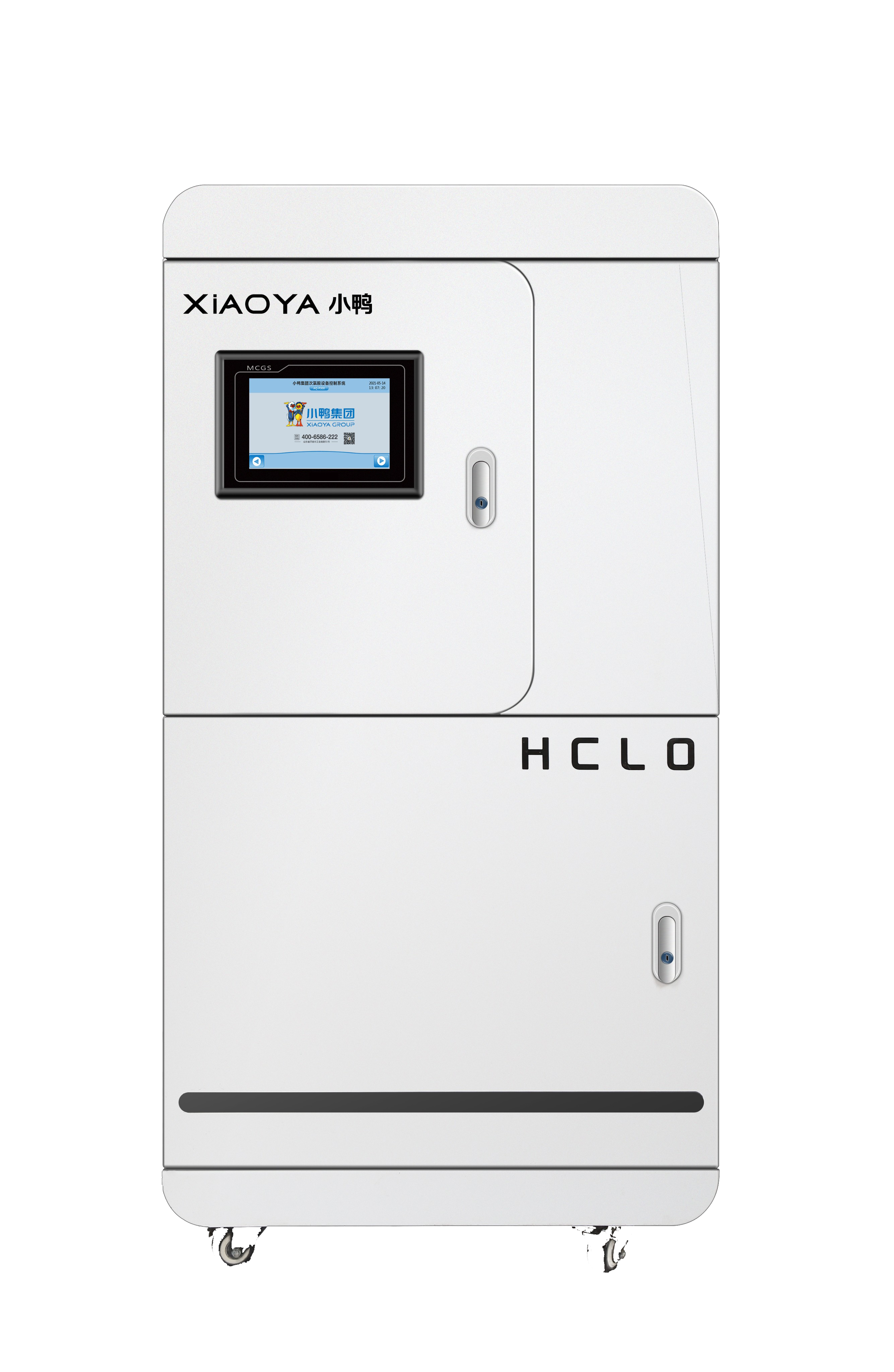
Water quality requirements are the real foundation of HOCl disinfection on horse farms
The easiest mistake is to treat a Hypochlorous Acid Full-Scenario Disinfection System for Horse Farms as if it were only a dosing device. It is not. Its performance depends on water chemistry long before disinfectant reaches a drinking line, wash bay, stall floor, or equipment surface. If the incoming water is unstable, rich in hardness, loaded with suspended matter, or carrying too much organic material, the system may still run, but the disinfection result becomes inconsistent. On a horse farm, that inconsistency matters because water is not used in one neat process. It moves through animal drinking, grooming, boot washing, tack cleaning, walkway sanitation, and sometimes stable cooling or general utility cleaning. Each use places a different demand on the same disinfection logic: keep microbial risk down without creating a residue problem or adding unnecessary handling risk.
That is why water quality requirements should be understood as operating conditions, not as a side note. When people ask whether HOCl systems are “safe” or “effective,” the more precise question is whether the source water allows the system to generate and deliver a stable disinfecting solution within its intended pH and concentration window. In practical farm terms, clean water is what makes automated disinfection predictable.
What horse farms are really trying to control
Horse farms are not only managing pathogens in drinking water. They are also managing cross-contact between animals, staff, feed areas, wash areas, drainage zones, and shared tools. A system based on hypochlorous acid is attractive because HOCl is the more active disinfecting species in chlorine chemistry under mildly acidic conditions, and it can be used across multiple hygiene points with less operational complexity than many traditional chemical routines. But that benefit only holds when the generated solution remains chemically stable enough to do its job.
For this reason, the phrase “water quality requirements” usually covers four things at once: the cleanliness of the feed water, the mineral and pH profile of that water, the compatibility of the piping and storage setup, and the match between target use and available disinfectant concentration. If one of those is off, the user may blame the disinfectant when the real issue is the water matrix.
The key parameters are not complicated, but they do need to be respected
In horse-farm applications, the most important baseline requirement is that feed water should be visually clear and low in suspended solids. Mud, rust, sand, and organic debris do not just make water look dirty; they consume disinfectant demand. In other words, part of the available oxidizing capacity is spent reacting with contaminants before it ever reaches the microbial target. That is why a farm with surface-water influence, old storage tanks, or unstable well water often needs pretreatment before disinfection automation becomes reliable.
Hardness and scaling risk are the next practical concern. Calcium and magnesium do not automatically make HOCl unusable, but high-mineral water can shorten maintenance intervals, foul electrodes, and reduce consistency in systems that rely on electrochemical generation. The same applies to water with elevated iron or manganese, which can stain, precipitate, and interfere with downstream cleanliness. On the farm side, users often notice the symptom before the cause: dosing looks normal, but the sanitation result is uneven and maintenance frequency creeps up.
pH deserves special attention because it affects the balance between hypochlorous acid and less active hypochlorite forms. Some on-site generation systems are designed to work in a mildly acidic range. One example in this category is the Sodium hypochlorite generator, which lists a pH value of 5-6.5 and identifies hypochlorite (HClO) as the main bactericidal factor. That parameter range matters more than many buyers realize. If source water conditions or poor control logic push the chemistry away from the intended range, the label concentration alone will not tell the full story of disinfection strength.
Why “full-scenario” use changes the standard
A horse farm does not use water the way a single-purpose industrial line does. Drinking systems demand consistency and material compatibility. Surface sanitation has to deal with manure residue, bedding dust, and repeated wetting cycles. Grooming or wash areas may have intermittent high demand and varying soil loads. Because of that, a Hypochlorous Acid Full-Scenario Disinfection System for Horse Farms should not be judged by one concentration number alone.
A more useful way to evaluate the standard is to ask three operational questions:
- Can the incoming water stay stable enough for repeatable on-site generation?
- Can the system maintain the intended effective chlorine range at the actual points of use?
- Is the farm separating “clean enough to disinfect” from “too dirty for chemistry alone”?
That third point is often missed. HOCl is a disinfection tool, not a substitute for physical cleaning. Heavy organic loading on floors, drains, buckets, or grooming tools reduces chemical efficiency. On farms, this means pre-rinsing and debris removal remain part of the hygiene standard even when the disinfection process is automated.
Equipment design matters because farm conditions are not laboratory conditions
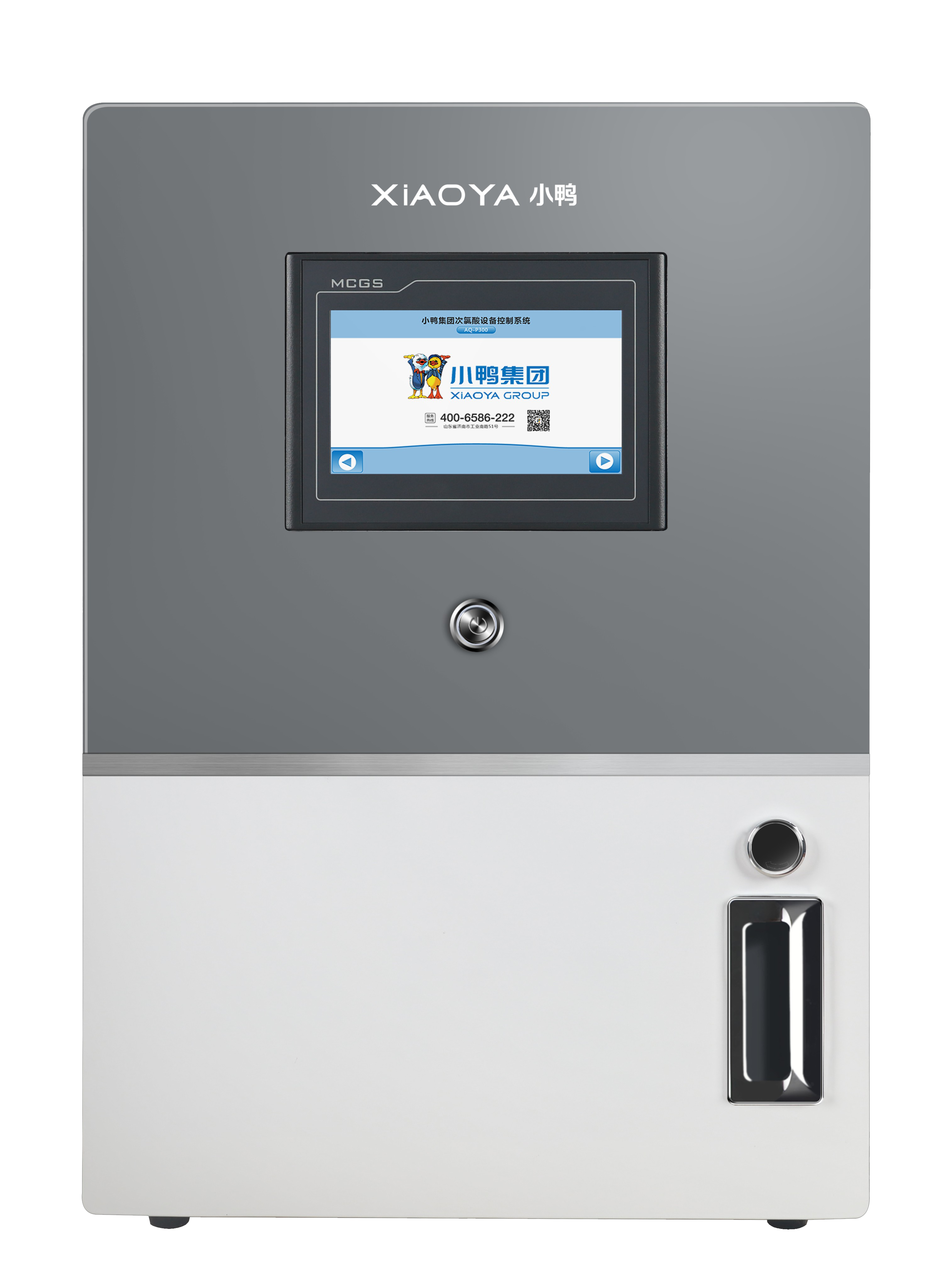
For end users, water quality requirements are also tied to how forgiving the equipment is. Systems built for on-site preparation often appeal to facilities that want to avoid the storage and handling burden of conventional hazardous disinfectants. In that context, a compact PLC-controlled generator with food-grade salt and tap-water input is not just a convenience detail; it changes daily management. A unit configured with PVC shell material, automated control, and moderate power demand can fit farms that need practical operation rather than chemical-room complexity. The same product category may also offer effective chlorine concentrations such as 10-120 mg/L for use scenarios where output must be adjustable rather than fixed.
Still, no equipment spec cancels out poor source water. Even mature, high-reliability electrolysis systems with relatively simple structures and long electrolyzer life, such as service life above 8000 hours in some models, depend on routine attention to feed-water condition, salt quality, dosing calibration, and storage hygiene. That is the unglamorous part of biosecurity, but it is usually where long-term stability is won or lost.
Common misunderstandings that lead to weak results
One misunderstanding is that stronger concentration always means better farm hygiene. In reality, concentration has to match use case, contact conditions, and material compatibility. Overdosing can create avoidable corrosion or residue concerns, while underdosing can leave a false sense of security.
Another is that all chlorine-based systems behave the same. They do not. The generated chemistry, pH window, control method, and point-of-use conditions all affect performance. Buyers often compare technologies by headline terms alone without asking how the system behaves in actual farm water.
A third is that compliance language equals universal suitability. Product claims about health standards or familiar reporting processes may be useful indicators of maturity, but they do not replace site-specific judgment. A farm with variable well water, long branch lines, or seasonal contamination pressure still needs its own water assessment and operating discipline.
What a sensible purchasing and setup decision looks like
For a horse farm owner, the best decision framework is fairly direct. Start with source-water testing, especially for turbidity, hardness tendency, iron or manganese risk, and pH behavior. Then look at whether the disinfection objective is mainly drinking-water protection, facility sanitation, or both. After that, check whether the system’s generation range, control method, and maintenance demands fit real staffing conditions on the farm.
If a system is intended for broad utility disinfection and on-site preparation, it should be easy to install, straightforward to monitor, and realistic to maintain. That is where a solution like a Sodium hypochlorite generator may fit, especially in facilities that prefer lower handling risk and simplified chemical management. But the real standard is not whether the machine can generate disinfectant on paper. It is whether the farm can keep water conditions within the range that allows the chemistry to remain stable and useful from generation to application.
In other words, water quality requirements are not a technical footnote in HOCl farm disinfection. They are the difference between a system that merely operates and one that actually protects horses, staff workflows, and daily hygiene routines the way it was intended to.
NEWS
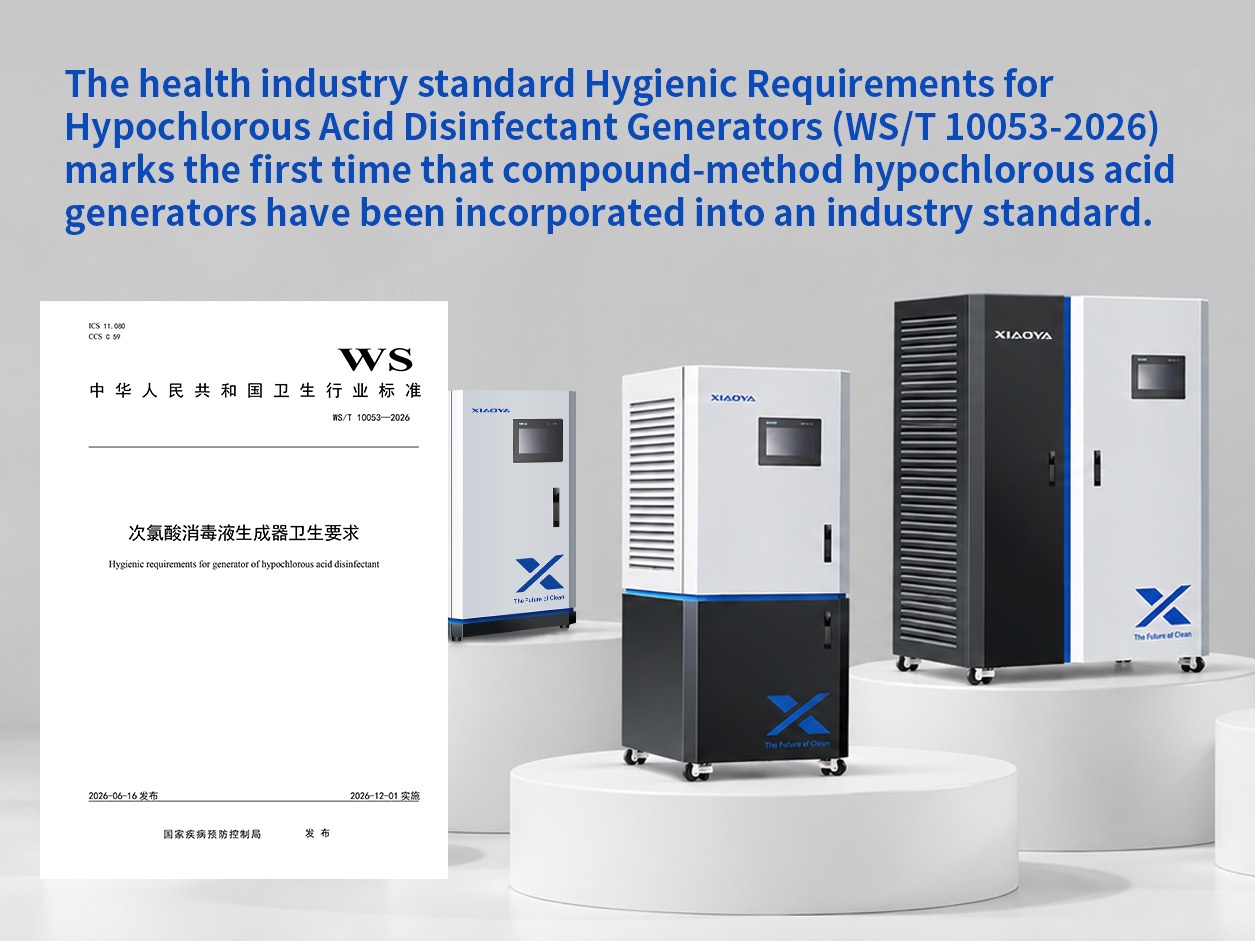
 WS/T 10053-2026 Includes the Compound Method for the First Time: Standard Signals and Market Opportunities for Mass Agricultural Production of Hypochlorous Acid Generators
 Evaluating HClO Generator Lifecycle Costs Beyond the Initial Equipment Price
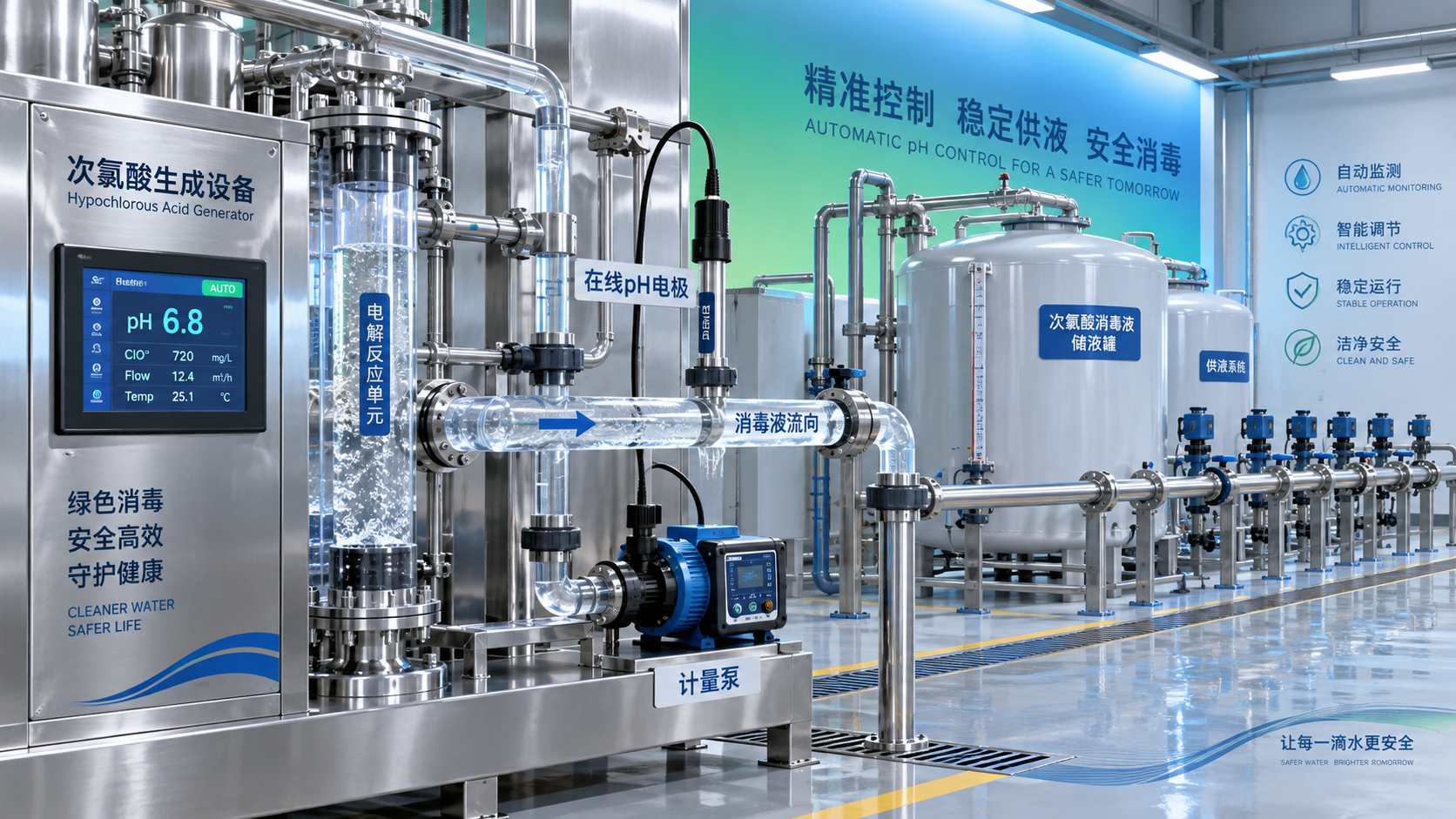
 HClO Generator pH Control: Why It Determines Disinfection Performance
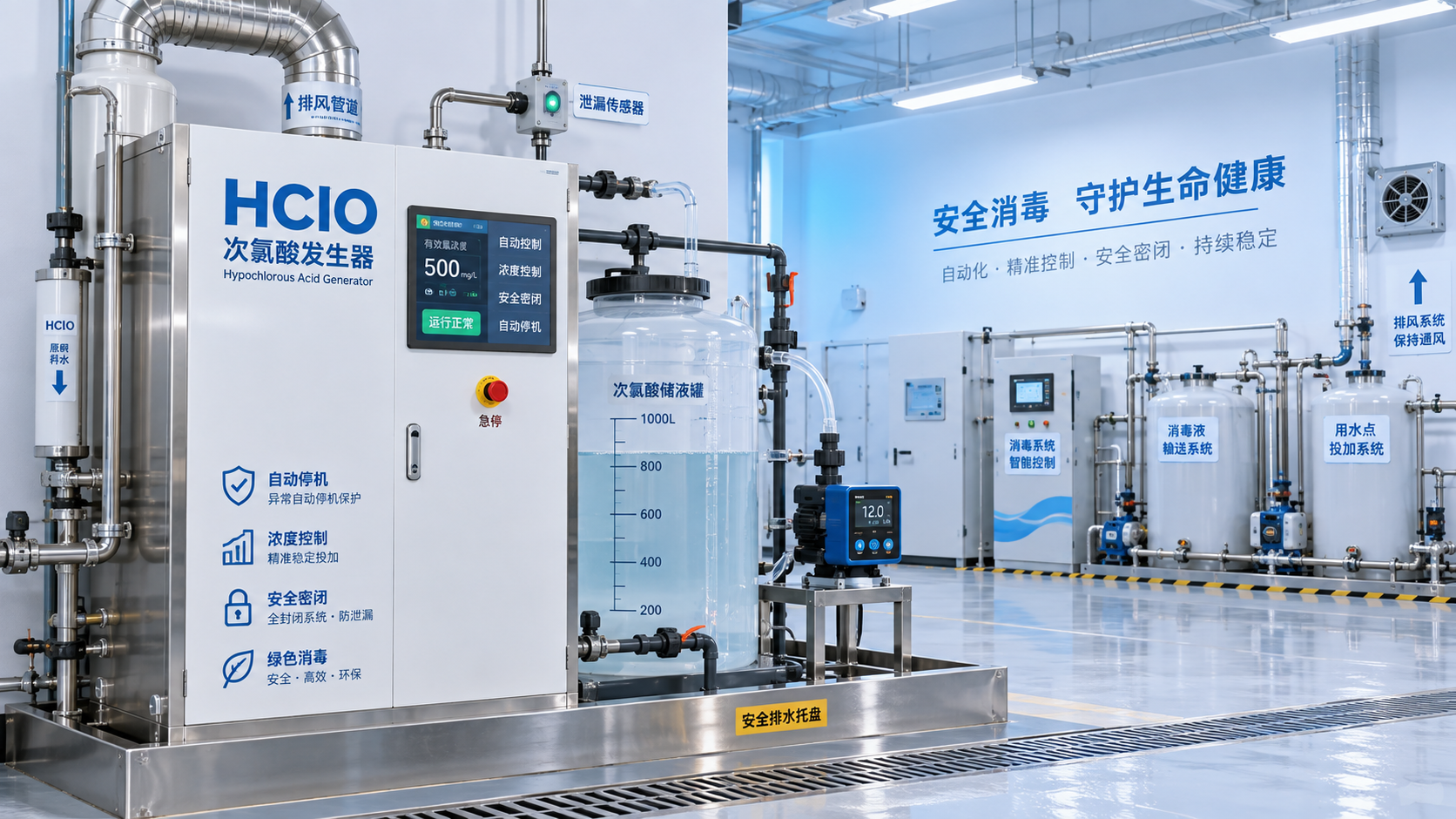
- Which Safety Features Matter Most When Buying an HClO Generator?
 Troubleshooting Low ORP Readings on a Hypochlorous Acid Machine
Leave us a message

Xiaoya Group was founded in 1979,expert in the electrolyzed water industry.
Get in Touch
*We respect your confidentiality and all information are protected.