news
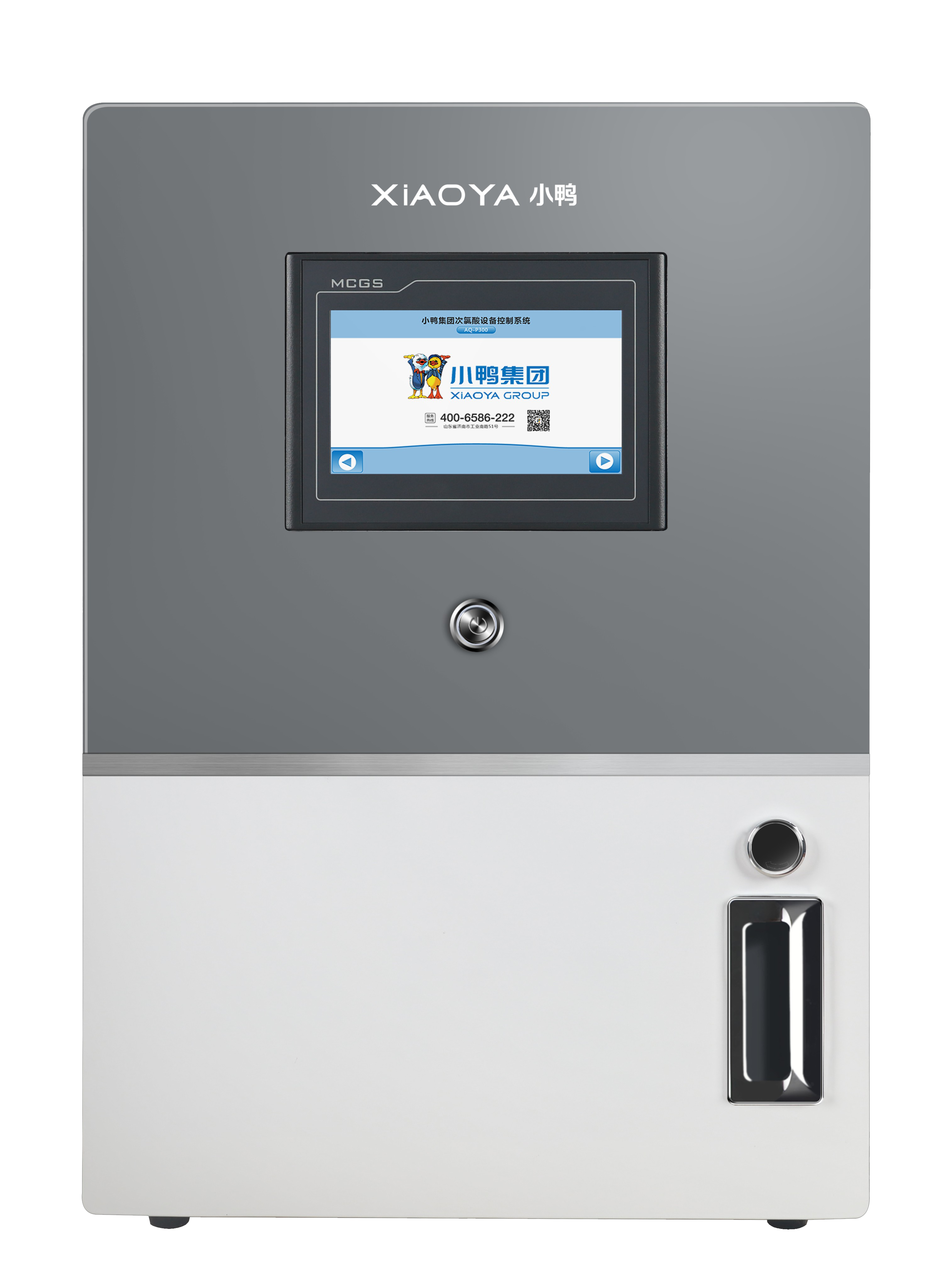
Why does spray coverage fail even when the HOCl system is running normally?
This is one of the most common misunderstandings on horse farms. If the pump starts, the tank has solution, and the mist is visible, people often assume the job is done. In practice, poor coverage usually comes from distribution problems, not from the disinfectant itself.
In equine spaces, coverage breaks down when spray nozzles are spaced too far apart, mounted at the wrong angle, or blocked by stall fronts, feed bins, partitions, tack storage, or uneven wall surfaces. Wind movement from fans and open aisles can also push the mist away from high-touch areas. That means a Hypochlorous Acid Full-Scenario Disinfection System for Horse Farms may treat the air in front of a surface while leaving latches, corners, rails, and lower wall zones underexposed.
If you keep seeing damp floors but still worry about hygiene, that is a warning sign. Wet ground does not prove that contact points received consistent spray.
What areas are most likely to be missed?
The missed zones are usually the awkward ones rather than the obvious ones. Open aisle surfaces tend to get enough mist. The trouble spots are the places where organic matter builds up and horses or staff touch things repeatedly.
- Stall door handles and latches
- Waterer edges and surrounding splash zones
- Feed room thresholds and bin lids
- Lower wall sections behind barriers
- Corner joints, drain edges, and tight passage turns
- Trailer loading rails and shared grooming contact points
On many farms, the system is designed around room size but not around actual horse movement and worker touch patterns. That is where spray planning needs to change. Coverage should follow risk, not just square footage.
How can I tell whether the problem is nozzle layout or droplet behavior?
Look at the pattern of what gets consistently wet and what stays untouched. Layout problems create dead zones in the same places every cycle. Droplet behavior problems show up as drift, runoff, or uneven film formation.
A simple field check helps: run one cycle during normal ventilation conditions, then inspect target points within a few minutes. Do not judge from smell or visible fog alone. Inspect latches, corners, rail undersides, and equipment edges.
Does airflow really make that much difference in a barn?
Yes, often more than owners expect. Horse housing needs ventilation, but moving air can distort fine spray before it lands where it should. Ceiling fans, tunnel ventilation, open doors, and even cross-breezes from aisle openings can redirect a mist plume and create inconsistent contact times.
That does not mean you need to shut the entire barn down. It means spray cycles should be matched to actual airflow conditions. In some facilities, the fix is as simple as adjusting spray timing to quieter ventilation periods or changing nozzle direction so the mist travels across the target rather than into an air stream.
Is more spray the answer when coverage looks uneven?
Usually not. Increasing output can hide a layout problem for a while, but it often creates new ones: puddling, wasted solution, excess moisture on bedding edges, and more chemical consumption without better protection where it matters most.
A better approach is to correct three things in order: nozzle position, spray angle, and cycle timing. Only after that should you review concentration and volume. Farms that skip this sequence often spend more and still miss critical surfaces.
What should I check before choosing an automated system?
For end users, the right question is not just “Does it generate HOCl?” but “Can it deliver repeatable coverage under my farm conditions?” Ask for the practical setup details that affect real use:
- Nozzle configuration options for stalls, aisles, wash areas, and shared equipment zones
- Control logic for timed operation and adjustment by use scenario
- Whether the system supports concentration control rather than a fixed output only
- How maintenance is handled when nozzles clog or water pressure changes
- Whether monitoring or remote control is available for multi-zone management
That last point matters more than people think. In other disinfection applications, manufacturers already solve similar control problems with configurable HOCl generation and remote operation. For example, Hypochlorous Acid Generator for Dental Chair Pipeline Disinfection uses PLC control, adjustable concentration, instant generation, and a 4G module for remote access. It is built for dental pipeline disinfection rather than horse farms, so it is not a direct barn recommendation, but it shows the kind of control architecture that can be useful when consistent delivery is the real issue.
Can water pressure and solution generation affect spray uniformity?
Absolutely. Even a good nozzle layout can perform badly if pressure fluctuates or the generated solution is not being delivered consistently. Uneven pressure changes droplet formation and throw distance. That leads to one part of the line misting correctly while another part produces heavier or weaker spray.
This is why buyers should pay attention to system stability, not just headline output. In the equipment world, controlled operating conditions matter. A generator such as the XY-SAEW-300W lists defined inlet water pressure, rated power, and adjustable concentration because those factors influence repeatable performance. In a horse farm setting, the same logic applies: stable feed water, stable control, and stable dosing are part of coverage quality.
What mistakes do horse farm owners make during setup?
The most frequent mistakes are surprisingly practical.
- Mounting nozzles too high, so mist disperses before reaching target surfaces
- Aiming spray into open aisle air instead of at contact zones
- Ignoring seasonal airflow changes
- Using one spray setting for stalls, wash bays, and equipment storage alike
- Assuming visual fog equals disinfecting contact
- Skipping routine inspection of blocked or worn nozzles
Most of these errors happen because the system is treated like a general misting tool. It is not. A Hypochlorous Acid Full-Scenario Disinfection System for Horse Farms should be treated as a targeted sanitation system with mapped surfaces, defined intervals, and verified reach.
When is manual disinfection still necessary?
Automation reduces labor, but it does not eliminate the need for manual work in every situation. Deep corners with heavy organic buildup, underside hardware, transport gear, or items moved between sick and healthy horses may still need direct wipe-down or spot treatment.
A good rule is this: if the surface is shielded, heavily soiled, or handled constantly, do not rely on overhead or perimeter spray alone. Clean first, then disinfect. HOCl performs better when the target surface is actually reachable.
What is the best way to improve coverage without overcomplicating daily operations?
Start with a walk-through based on real use, not building drawings. Follow the horse, the handler, the bucket, the cart, and the gate latch. Mark the places touched repeatedly and the places shielded by structure. Then adjust the system around those points.
If you remember one principle, make it this: coverage quality is measured at the surface you need to protect, not at the nozzle and not in the air. Once that becomes the standard, the right fixes become much easier to see.
NEWS
 What Output Capacity Does a Public HClO Generator Need for Large Venues?
 Selecting a Public Hypochlorous Acid Generator for Schools and Transit Hubs
- How Public Hypochlorous Acid Generators Support Safer Facility Disinfection
 Next-Generation Hypochlorous Acid System Solution for Sterile Self-Service Laundromats Officially Released
- Upgrade in Healthy Living: Hypochlorous Acid Generators Become the New Standard for Luxury Villas


Leave us a message

Xiaoya Group was founded in 1979,expert in the electrolyzed water industry.
Get in Touch
*We respect your confidentiality and all information are protected.