news
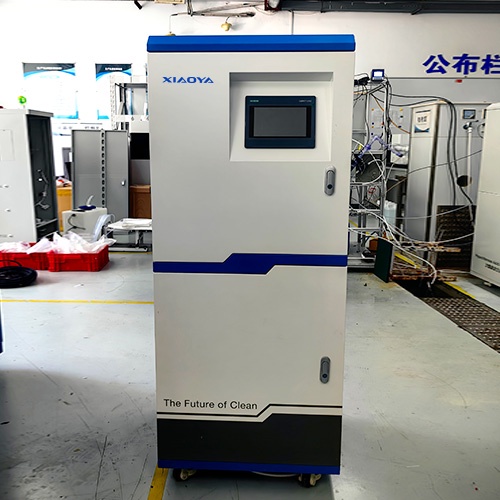
Start with the compliance points that affect daily use
When a procurement team reviews an HOCl solution for a horse farm, the real question is not just whether the system can produce disinfectant. The question is whether it can do that consistently, safely, and in a way that fits farm operations, audit needs, and equipment standards. A Hypochlorous Acid Full-Scenario Disinfection System for Horse Farms may look similar on a brochure to a general-purpose disinfectant unit, but the compliance points that matter on an equine site are more specific: concentration control, material safety, application suitability, recordability, and the credibility of supporting certifications.
That is where many buying decisions go wrong. Buyers focus on output volume first, then discover later that the system cannot document concentration stability, does not match the intended use area, or creates extra handling steps for staff.
Which certifications actually matter for a horse farm HOCl system?
The practical answer is this: look at certifications and recognitions that relate to equipment safety, disinfectant use context, and market acceptance, then check what each one actually covers.
For example, CE usually speaks to conformity for the equipment side in applicable markets. References to organizations such as the US FDA, EPA, USDA, Japan's Ministry of Health, Labour and Welfare, or the World Health Organization should not be treated as interchangeable labels. Each name may relate to a different type of recognition, regulatory framework, or product category. Procurement should ask for the underlying documents and verify:
- Whether the document applies to the equipment, the disinfectant solution, or both
- Whether it matches the target market where the farm operates
- Whether the intended use includes animal facilities, environmental disinfection, or related sanitation scenarios
- Whether the model being quoted is the same model covered by the file
A supplier mentioning multiple international bodies is useful only if the paperwork clearly ties those claims to the offered configuration.
Is disinfection efficacy enough on its own?
No. Kill performance matters, but compliance review should always ask under what conditions that performance was achieved. If a system states that it kills 99.99% of bacteria, viruses, and fungi in 30 seconds, buyers should check the concentration range, contact time, and use scenario behind that claim.
On a horse farm, disinfection conditions vary widely. Walkways, stall entrances, grooming zones, transport areas, and equipment surfaces do not all need the same concentration or exposure time. A system with adjustable available chlorine concentration, such as 10-120 ppm for different scenarios, is easier to align with real operating needs than a fixed-output unit. What matters from a compliance standpoint is not the highest possible claim, but whether the farm can apply the right concentration in a controlled and repeatable way.
What technical parameters should procurement check before comparing quotes?
A fast way to separate workable systems from risky ones is to review a short technical checklist.
This is also where a product like Hypochlorous Acid Full-Scenario Disinfection System for Horse Farms becomes easier to assess: the quoted figures should map directly to your use plan, not sit in isolation on a specification sheet.
Why is concentration control a compliance issue, not just a performance issue?
Because poor concentration control can create two opposite problems. If the solution is too weak, the farm may miss the intended sanitation result. If it is stronger than needed, operators may increase material exposure, operating cost, and handling complexity without getting meaningful extra benefit.
For horse facilities, that matters around water-sensitive equipment, metal fittings, entry disinfection points, and enclosed stable areas. A unit that allows concentration adjustment by scenario is more compliant with real-site management because it supports separate settings for footwear disinfection, surface spraying, odor control, or vehicle-related sanitation. Procurement should ask for the operating logic behind these settings, not just the concentration range itself.
What safety points should be reviewed for use around horses and staff?
The main check is whether the system is designed to produce a solution suitable for routine use in animal environments without leaving problematic residues or creating an unnecessarily harsh exposure profile. Claims such as non-corrosive, residue-free, or non-irritating are relevant, but procurement should connect them to the farm’s actual contact surfaces and workflow.
Review these points in order:
- Surface compatibility for metal, plastic, rubber, and stable hardware
- Whether the use method involves direct spray, fogging, soaking, or point disinfection
- Whether staff can operate the unit without manual mixing errors
- Whether storage and refill steps are simple enough for daily use
A common mistake is approving a system that performs well in controlled testing but creates extra procedural burden on site. In practice, that often leads to skipped cycles or inconsistent dosing.
Do automation and data functions really matter for standards compliance?
Yes, especially when the farm wants repeatability across shifts or locations. Manual preparation leaves too much room for variation. A PLC-based control interface and data export function are not just convenience features; they support standardization. Procurement teams should ask whether the system logs batch settings, output conditions, or operating history in a form that can be reviewed internally.
This matters more on larger sites such as racecourses, breeding bases, and equestrian colleges, where one inconsistent operator habit can affect multiple zones. If your farm has documented hygiene procedures, the equipment should fit that structure instead of relying on memory or handwritten adjustments.
How should buyers judge operating cost without ignoring compliance?
Low operating cost is useful only when the system still meets required performance and control standards. A figure such as 0.06 CNY per liter may look attractive, but procurement should read it together with output range, power consumption, electrolyte handling, and component life. A 420 W system with an electrolyzer service life of at least 5000 hours gives a better basis for lifecycle comparison than a simple “low-cost” claim.
The same goes for odor management. If a unit can support ammonia reduction above 70%, that has operational value in stable environments, but the buying decision should still check whether that result is relevant to the intended concentration and application method on your site.
What documents should procurement request before approval?
Before issuing a purchase decision, ask for a document set that lets you match claims to the offered unit:
- Model-specific specification sheet
- Certification or conformity documents tied to the quoted model
- Operating manual with concentration setting logic
- Maintenance schedule and core component life statement
- Electrical requirements and installation conditions
- If available, data export or control function description
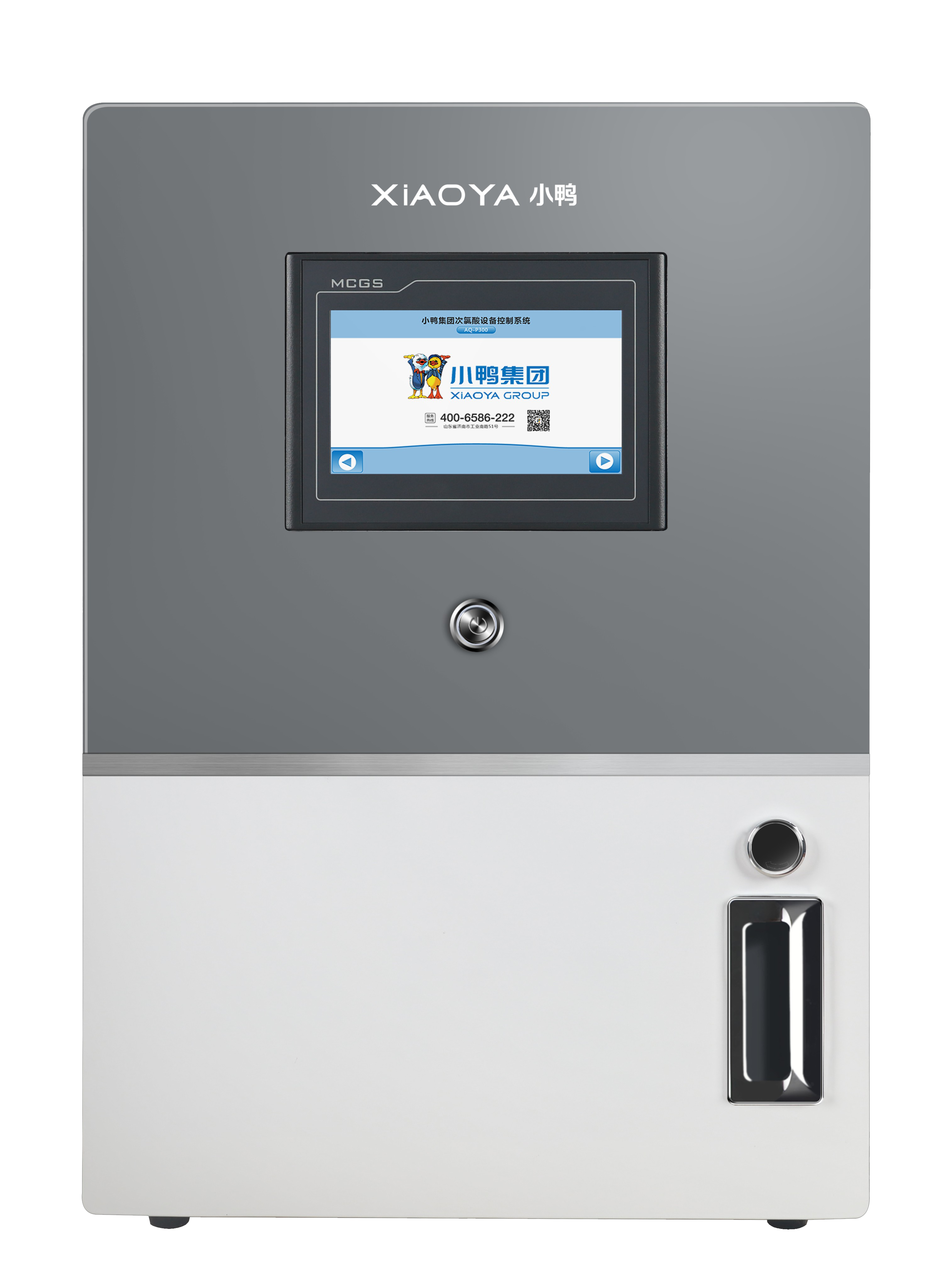
For an AQ-P300-type configuration, details such as 220/50 power input, 5 L electrolyte tank capacity, and output capacity should appear consistently across the quotation, technical sheet, and operating documentation. If those documents do not align, stop the approval process and resolve that mismatch first.
What is the most reliable way to make the final buying decision?
Use a simple filter: buy the system only if its documents, concentration control, operating method, and site fit all point in the same direction. A capable horse farm HOCl system should do more than produce disinfectant. It should support defined use scenarios, stable output, safe handling, and recordable operation with certifications that actually match the offered model and market.
If one part is strong and the rest are vague, that is not a compliance-ready purchase. For procurement, the best decision usually comes from choosing the unit that is easiest to verify on paper and easiest to run correctly every day.
NEWS
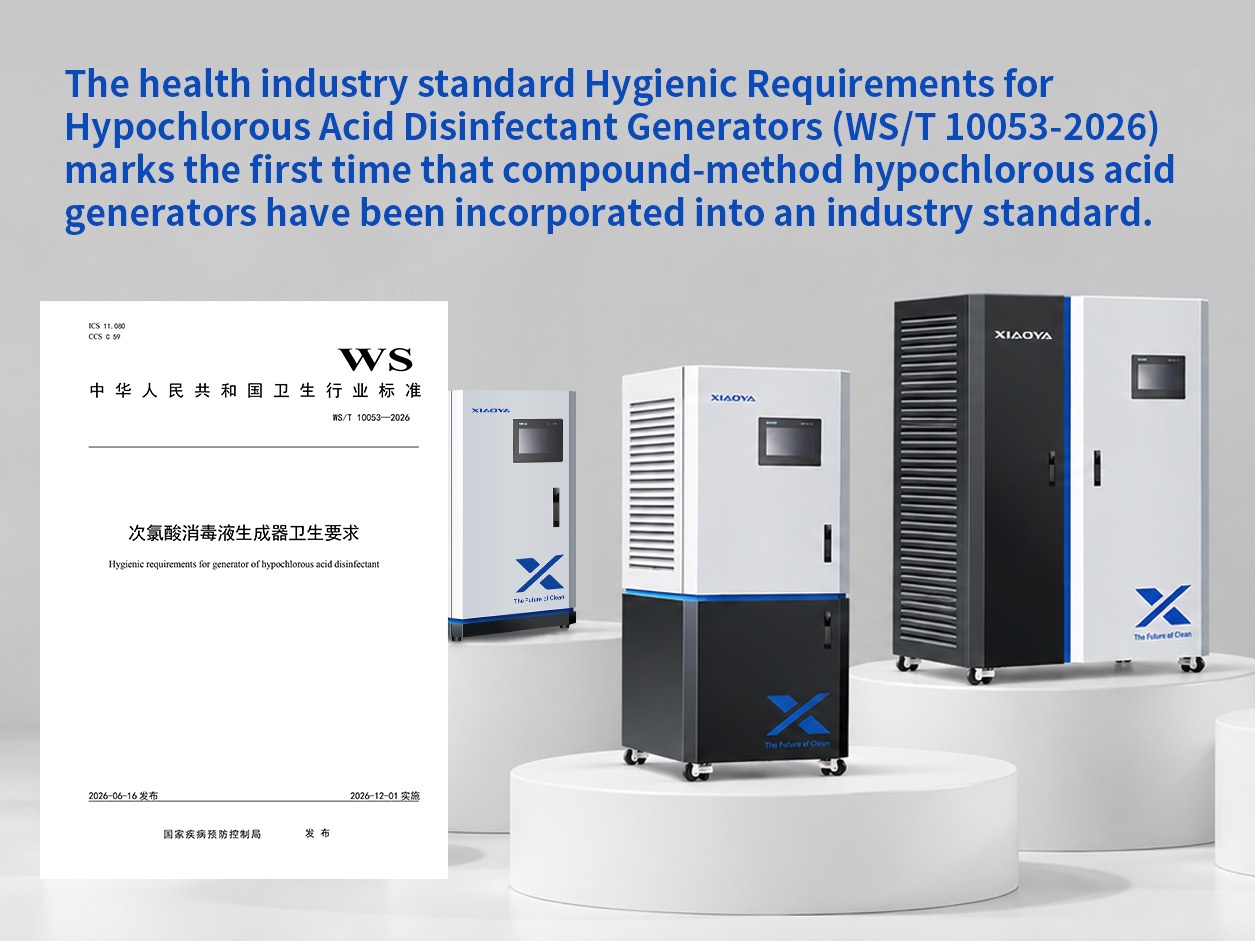
 WS/T 10053-2026 Includes the Compound Method for the First Time: Standard Signals and Market Opportunities for Mass Agricultural Production of Hypochlorous Acid Generators
 Evaluating HClO Generator Lifecycle Costs Beyond the Initial Equipment Price
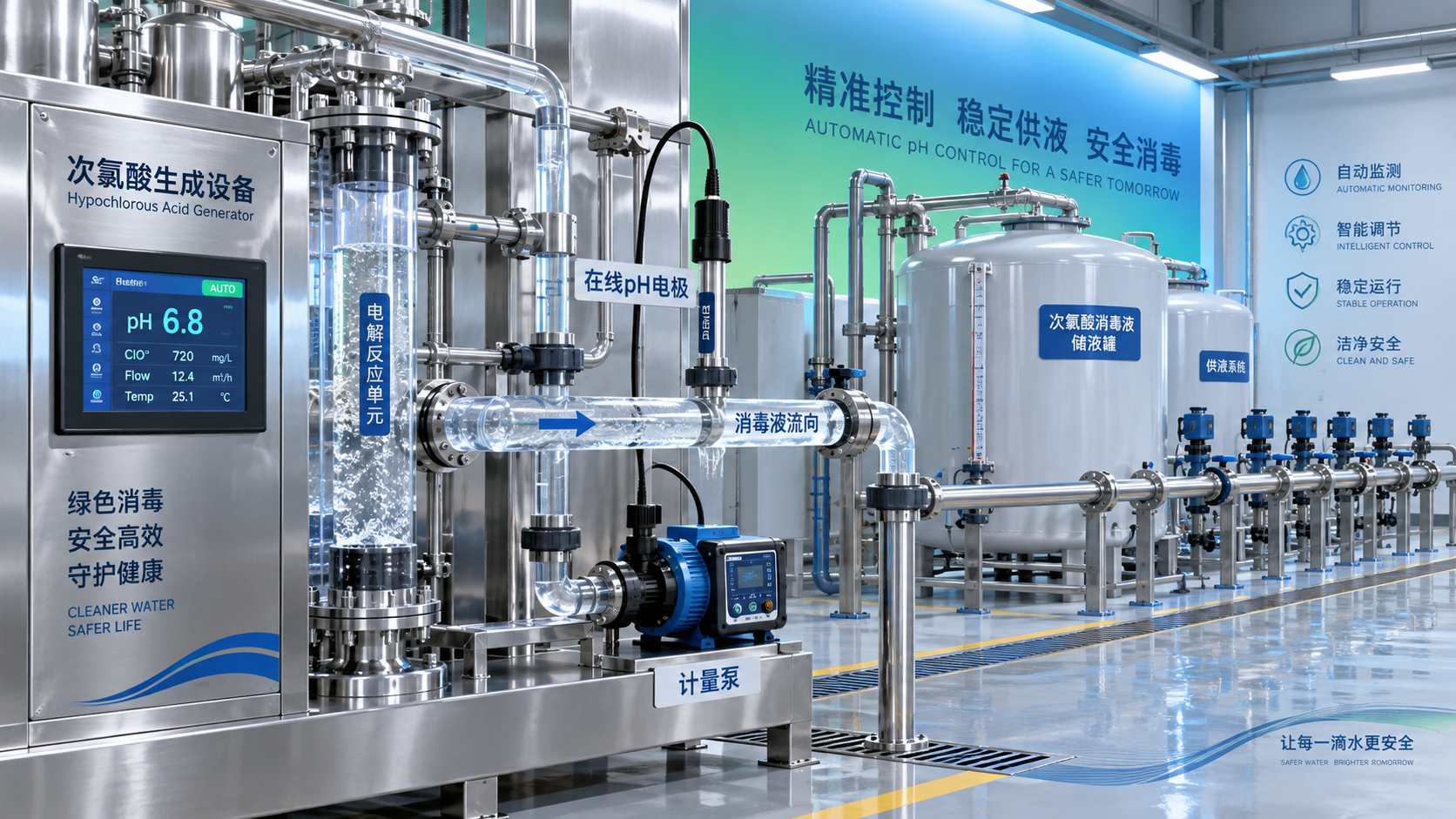
 HClO Generator pH Control: Why It Determines Disinfection Performance
- Which Safety Features Matter Most When Buying an HClO Generator?
 Troubleshooting Low ORP Readings on a Hypochlorous Acid Machine
Leave us a message

Xiaoya Group was founded in 1979,expert in the electrolyzed water industry.
Get in Touch
*We respect your confidentiality and all information are protected.