news
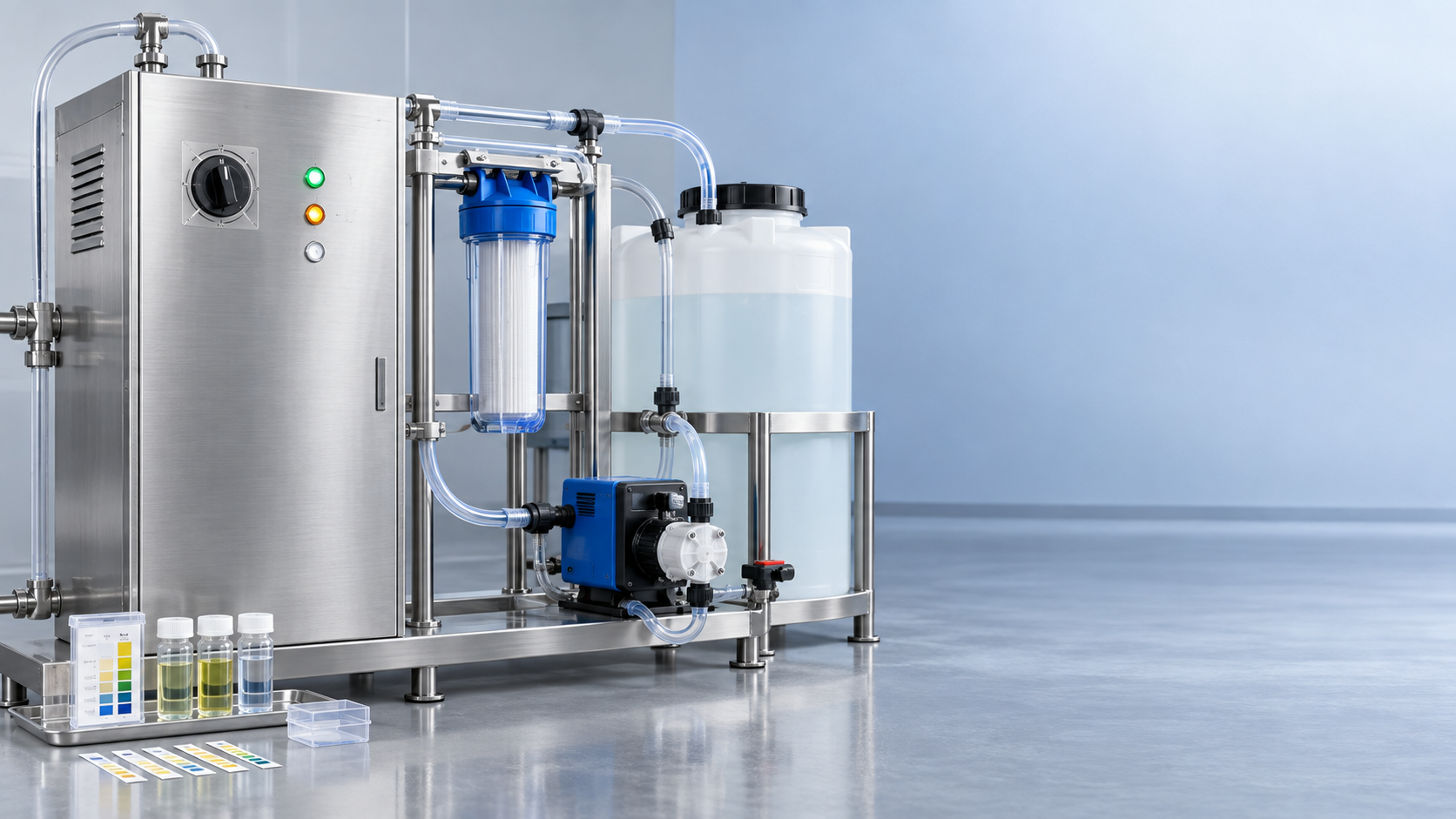
For procurement teams, the best hypochlorous acid machine is rarely the unit with the highest headline output or the lowest purchase price. It is the unit that can produce the required solution concentration and volume consistently from the site’s available water and power supply, while remaining practical to clean, verify, and service.
That distinction matters because specifications are often presented as isolated numbers. A claimed production rate says little without its concentration range, duty cycle, input-water assumptions, and verification method. Before comparing quotations, buyers should define the disinfection task in operational terms: how much solution is needed per shift, where it will be used, how it will be applied, and who will be responsible for checking the output.
Start with the required output, not the machine size
Output capacity should be evaluated as usable finished solution, not simply as a large number on a brochure. A machine may be rated by liters per hour, but the relevant question is whether it can deliver that volume at the concentration required for the intended application.
For example, a facility using hypochlorous acid solution for surface disinfection may need a steady daily supply for spray bottles, mop stations, fogging equipment, or automated dosing points. A unit that makes enough solution in a short batch may work well for one shift. Another site may need continuous availability, larger storage capacity, or a second unit to avoid interruption during maintenance.
- Required liters per day, including peak rather than average demand
- Target available chlorine concentration or the site’s internal process requirement
- Whether output remains stable across the full production cycle
- Batch production, continuous production, or both
- Storage time between generation and use
- Capacity loss when operating at a higher concentration setting
Ask suppliers to state output and concentration together in the same operating condition. A capacity figure without that context makes side-by-side comparison unreliable. It is also sensible to leave reasonable capacity margin for cleaning cycles, demand spikes, and normal component aging, rather than specifying a machine that must run at its limit every day.
Concentration control is a procurement requirement
Hypochlorous acid performance depends on solution chemistry, so concentration control deserves more attention than a simple “adjustable” claim. Buyers should understand the adjustment range, the increment of adjustment, how the machine measures or estimates its output, and what happens when feedwater quality changes.
A useful comparison separates three issues that are often blurred together: generated concentration, confirmed concentration, and concentration at the point of use. A display value may show a target setting, but procurement teams should ask how that value is established and how operators can independently verify it. If the machine will support hygiene processes with documented procedures, the ability to take repeatable readings and keep records can be as important as the generation module itself.
pH control also belongs in the discussion because it affects solution characteristics and storage behavior. The right specification is application-dependent. Buyers do not need to become chemists, but they should require a clear explanation of which inputs are controlled, which values are monitored, what alarms are available, and which external test tools the supplier expects the operator to use.
Do not assume that a wider advertised concentration range is automatically better. A broad range is valuable only when the site has a defined use for it and the equipment can reliably operate within that range under local conditions. A narrower, well-controlled range may be easier to manage for a standardized cleaning program.
Check the conditions behind the specification sheet
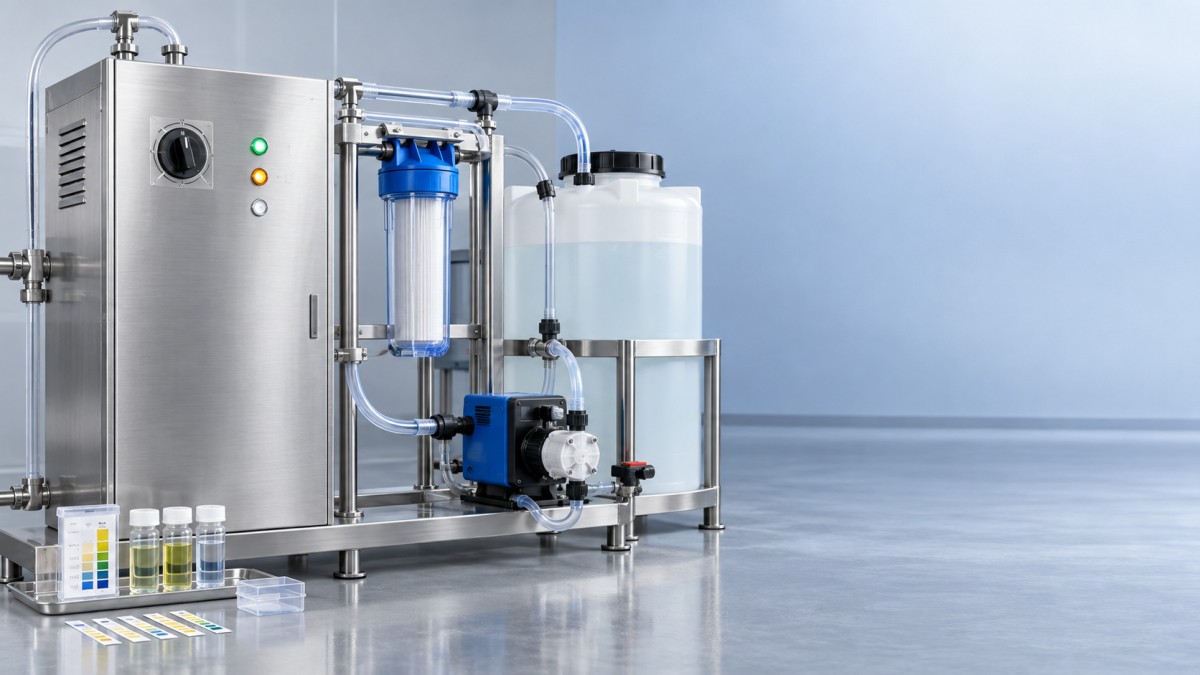
Water quality is one of the most common reasons a hypochlorous acid machine performs differently after installation than it did during a demonstration. Hardness, conductivity, dissolved solids, chlorine content, sediment, and microbiological conditions can all affect generation, maintenance frequency, or the need for upstream treatment.
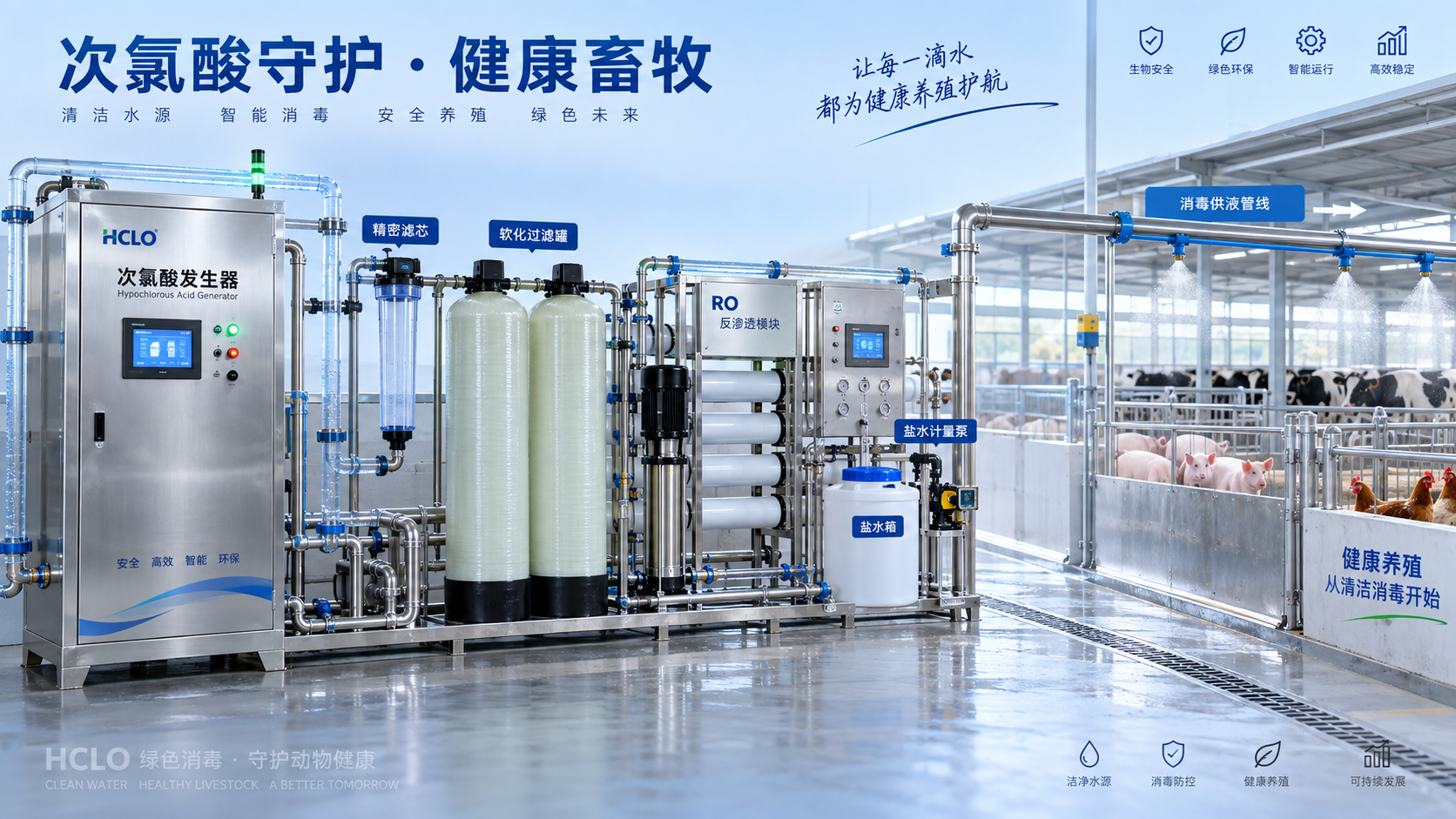
Request a written statement of acceptable feedwater conditions. If the supplier recommends filtration, softening, reverse osmosis, or another pretreatment step, treat that equipment as part of the system scope. A low generator price can become misleading when essential pretreatment, tanks, pumps, installation materials, and monitoring tools are excluded.
The same principle applies to salt or other consumable inputs. Clarify the required grade, consumption rate at the planned output, storage requirements, and whether substitutions affect warranty or output consistency. Procurement should also confirm electrical requirements, drainage, ventilation, installation footprint, and the availability of water pressure at the intended location.
Inspect the parts that determine uptime
For an automated disinfection equipment purchase, the enclosure is only one part of the quality assessment. The more important question is which wetted components come into contact with water, salt solution, and generated product. Electrodes, cells, tubing, fittings, pumps, sensors, seals, valves, and storage tanks should be suitable for the operating chemistry and expected cleaning regime.
Ask for a maintainable-parts list before placing an order. It should identify routine consumables, recommended replacement intervals, normal cleaning tasks, and the work required to access service components. “Low maintenance” is too vague for a purchasing decision. A team needs to know whether routine care can be completed by trained site personnel or requires a technician visit.
Automation features should be assessed in the same practical way. Useful features may include scheduled production, low-water protection, dosing control, automatic flushing, fault alarms, usage logs, and remote status visibility. Their value depends on the operating model. A small facility with an operator present during each batch may not need remote connectivity. A multi-site organization or a facility where sanitation runs outside normal hours may benefit substantially from alarms and production records.
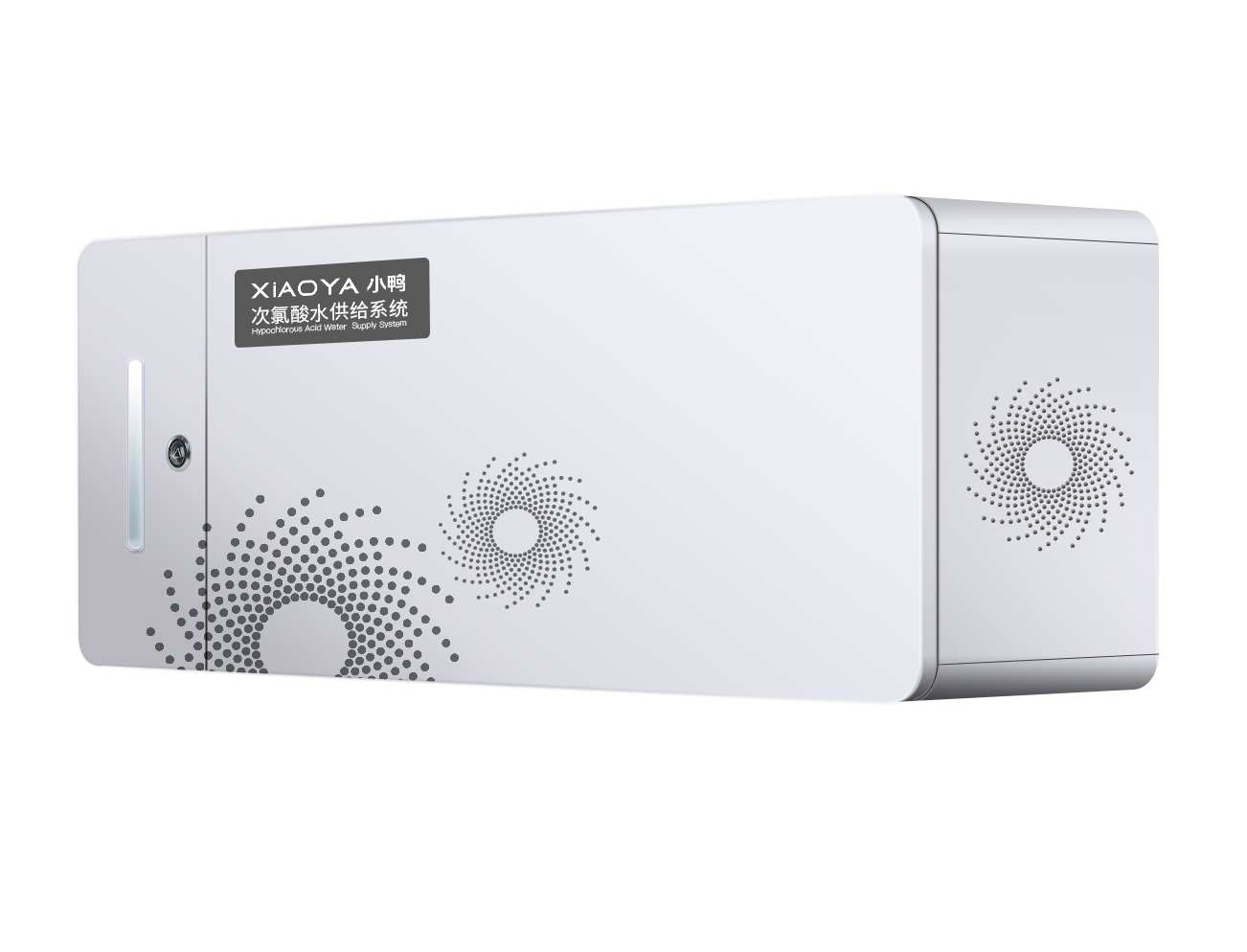
When comparing systems intended for public hygiene applications, buyers can use a unit such as the Hypochlorous Acid Generator for Public Health (AQ-P1000) as a prompt for the right questions: What is the intended operating scale? Which functions are built into the generator? What support equipment is needed around it? The evaluation should remain tied to the site’s required workflow rather than product naming or appearance.
Separate safety evidence from general product claims
A hypochlorous acid machine may involve electrical equipment, chemical generation, pressurized water connections, and storage of solution. Safety review should therefore cover the complete installation, not only the generator cabinet.
Procurement teams should request applicable compliance documentation for the destination market and verify that the documentation corresponds to the offered configuration. It is important to distinguish between equipment safety documentation and claims about the generated solution’s use. A machine can be electrically compliant while the purchaser still needs separate internal procedures, labeling, dilution rules, or validation for a particular disinfection application.
Review these points with facilities, safety, and quality stakeholders before issuing a purchase order:
- Electrical protection, grounding, emergency stop, and leakage safeguards
- Alarm behavior for low water, abnormal operation, empty consumables, or sensor faults
- Ventilation and drainage needs for the installation area
- Protection against unauthorized setting changes
- Instructions for cleaning tanks, lines, and dispensing equipment
- Required operator training and the availability of operating documentation in the working language
For use in healthcare-adjacent, food-contact, or regulated sanitation environments, the internal approval process may require more than equipment specifications. Bring the responsible quality or compliance team into the review early enough to define the evidence they need. This avoids choosing a technically suitable unit that later cannot be integrated into the site’s procedures.
Compare total operating burden over the service life
The purchase price is visible, but the operating burden determines whether the equipment remains useful after installation. A disciplined comparison should include electricity, water, consumables, pretreatment media, test supplies, routine labor, replacement parts, calibration or sensor checks, and expected service visits.
There is also a cost of inconsistency. If output cannot be verified easily, operators may overproduce, discard solution, repeat cleaning work, or fall back to purchased chemicals whenever readings are uncertain. A more expensive machine can be justified when it reduces these recurring operational frictions, but only when the required controls are actually used by the site.
Supplier reliability should be examined through operational commitments rather than broad statements about capability. Ask who performs commissioning, what training is included, where spare parts are held, how faults are diagnosed, and what response process applies when production stops. Obtain the warranty scope in writing, including exclusions related to water quality, consumables, installation, and user maintenance.
Use a common comparison sheet before requesting final quotations
The most effective buyer checklist converts vague comparisons into common fields. Give each supplier the same demand profile and ask them to respond to the same questions: required output at target concentration, feedwater limits, system inclusions, routine maintenance, replacement components, monitoring method, installation requirements, warranty, and service responsibilities.
This approach exposes an important difference between machines that appear similar. One quotation may include the generator alone, while another includes pretreatment, tanks, monitoring tools, commissioning, and training. One may quote a peak generation rate, while another states the usable rate at the requested concentration. Aligning these details before negotiations produces a more defensible purchasing decision.
A hypochlorous acid machine should ultimately be selected as part of a controlled sanitation process. When the expected volume, chemistry control, local utilities, maintenance capacity, and supplier support are evaluated together, buyers can avoid paying for output they cannot use or accepting a low-cost system that is difficult to sustain.
NEWS
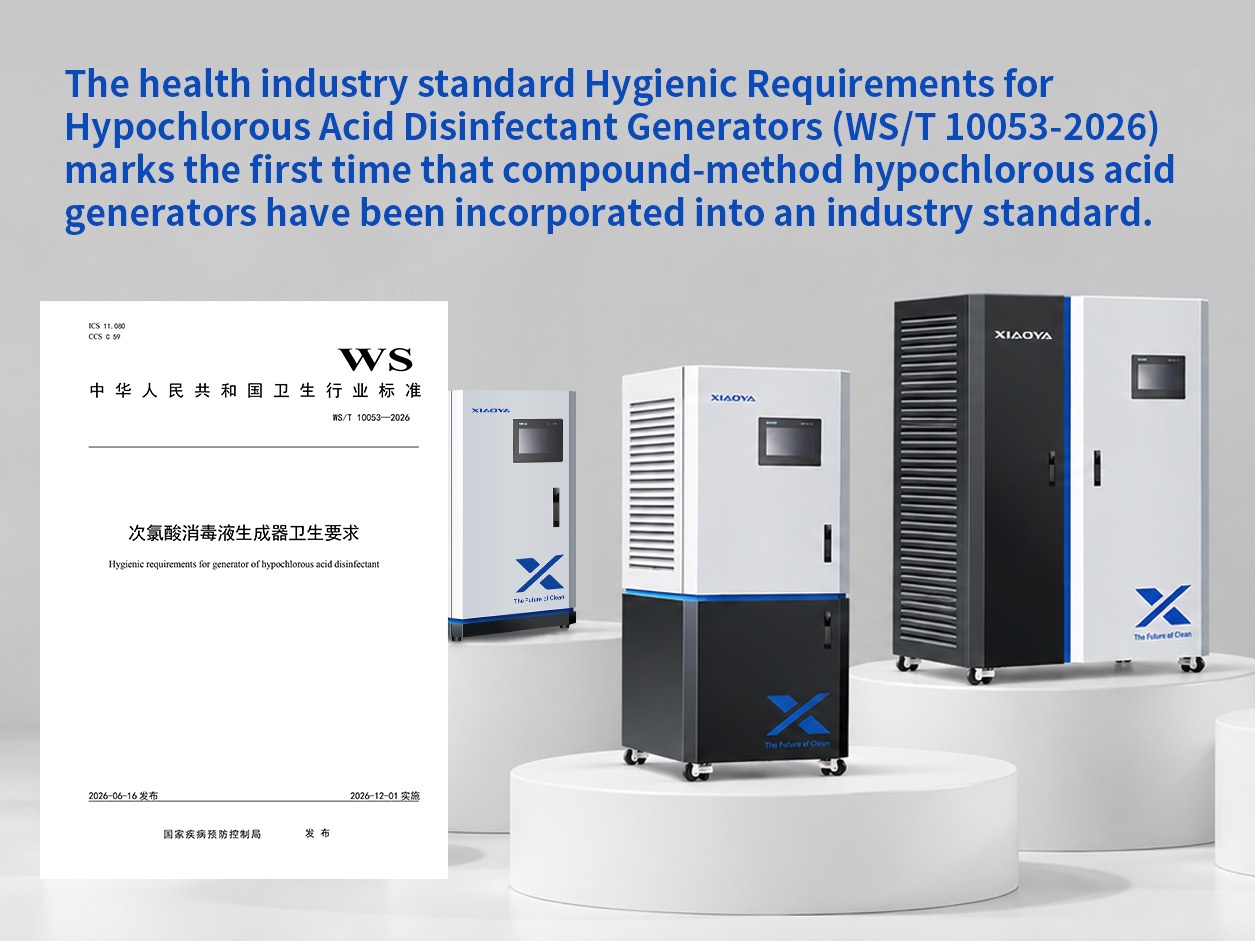
 WS/T 10053-2026 Includes the Compound Method for the First Time: Standard Signals and Market Opportunities for Mass Agricultural Production of Hypochlorous Acid Generators
 A Buyer’s Checklist for Comparing Hypochlorous Acid Machine Specifications
- Hypochlorous Acid Machine Fundamentals: From Electrolysis to Usable HClO
 Comparing Mobile and Fixed Livestock HClO Generators for Large Farms
- Water Quality Requirements for Livestock Hypochlorous Acid Generation
Leave us a message

Xiaoya Group was founded in 1979,expert in the electrolyzed water industry.
Get in Touch
*We respect your confidentiality and all information are protected.