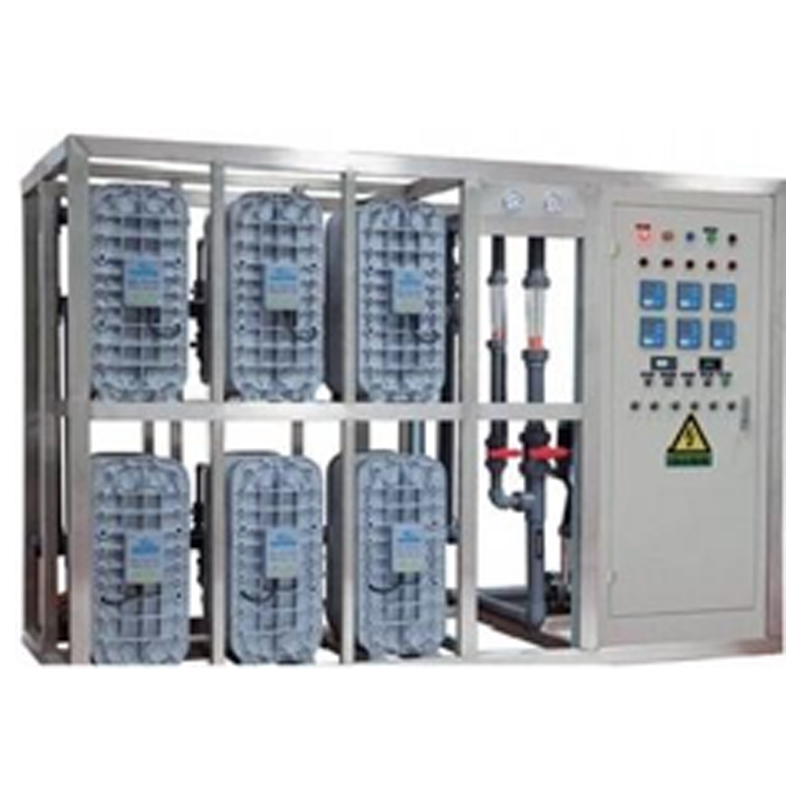
Why do industrial facilities use an on-site hypochlorous acid generation system?
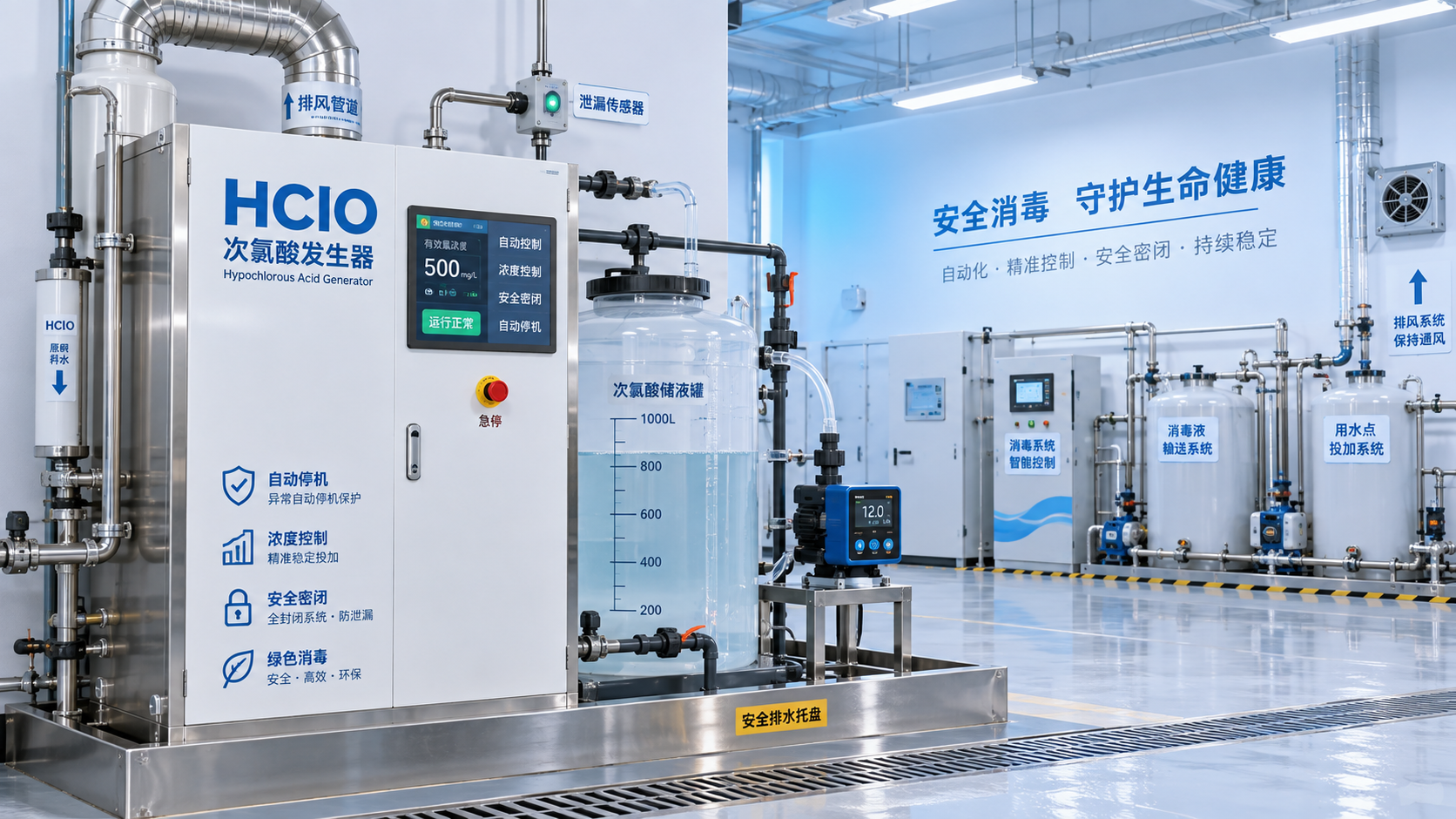
An on-site hypochlorous acid generation system makes disinfectant where it will actually be used.
That matters in automated facilities with strict hygiene targets, repeatable workflows, and limited tolerance for chemical handling risks.
Instead of storing large volumes of purchased chemicals, the system generates a fresh sanitizing solution on demand.
In practical terms, this supports cleaner production zones, safer operator routines, and more stable sanitation control.
For operations tied to kitchen and bathroom appliances, healthcare and disinfection appliances, clean energy, and small household products, that reliability is often the main reason interest keeps growing.
What does the system actually do during daily production?
The simplest answer is that it creates a disinfecting solution for routine sanitation tasks.
An on-site hypochlorous acid generation system is commonly used for cleaning contact surfaces, rinse water control, equipment sanitation, and support areas that need microbial management.
In automated settings, the value is not only disinfection strength.
It is also about consistency, because the solution can be produced in a controlled way and integrated into standard operating procedures.
This is especially useful where product cleanliness affects brand quality, such as appliance assembly, component washing, packaging zones, and water treatment support systems.
More commonly, facilities use it to reduce dependency on transported disinfectants and to shorten response time when cleaning demand changes.
Where is an on-site hypochlorous acid generation system most suitable?
Not every production line needs the same setup, but several environments benefit clearly.
- Appliance manufacturing areas with frequent surface cleaning and process water control.
- Healthcare or disinfection appliance production where sanitation records must stay stable.
- Clean energy workshops that want lower chemical storage pressure.
- Small household product plants with compact lines and shared cleaning stations.
The best fit usually appears where hygiene is important, labor efficiency matters, and chemical logistics create hidden operational cost.
An on-site hypochlorous acid generation system also makes sense when a facility wants better control over dosing frequency and sanitation timing.
A quick way to judge basic fit
How is it different from buying disinfectant in bulk?
The difference is not only where the solution comes from.
Bulk chemicals may seem simple at first, but they involve transport, storage, shelf life, dilution control, and handling procedures.
An on-site hypochlorous acid generation system shifts the model toward local production and operational control.
That can reduce exposure to supply disruption and help align sanitation with automated production rhythms.
In some facilities, related equipment such as the Sodium Hypochlorite Electrolyzer is considered when comparing disinfection routes.
A membrane-free electrolysis approach, using low-concentration salt solution and no extra chemical agents, may appeal where simple input materials and compact layouts are preferred.
Needless to say, the better choice depends on process design, water conditions, and how sanitation is documented on site.
What should be checked before choosing one?
Selection usually goes wrong when attention stays only on output capacity.
A more useful evaluation looks at the full operating context.
- Water quality and whether pretreatment is required.
- Required concentration range and daily usage pattern.
- Integration with existing automation, tanks, and dosing points.
- Ventilation and gas management, especially where hydrogen byproducts may appear.
- Maintenance access, electrode life, and operating documentation.
For example, some electrolytic systems remove hydrogen through push-type technology that helps gas leave the compact electrode area quickly with circulating solution flow.
That detail may sound technical, but it affects safety planning and equipment layout in real factories.
Are there common misunderstandings about an on-site hypochlorous acid generation system?
Yes, and they often lead to poor implementation rather than poor technology.
One misunderstanding is that any generated solution will work equally well in every process.
In reality, concentration, contact time, water chemistry, and application method all matter.
Another mistake is treating the system as a standalone machine.
It should be viewed as part of a sanitation workflow that includes monitoring, storage, distribution, and verification.
There is also a cost misconception.
The decision should not focus only on equipment price.
A better comparison includes chemical purchasing, handling time, waste reduction, downtime risk, and consistency of cleaning performance.
What is the smartest next step if the technology looks relevant?
Start by mapping where sanitation actually affects production quality, compliance, or line stability.
Then compare current chemical use with the operational logic of an on-site hypochlorous acid generation system.
In many cases, the answer becomes clearer after reviewing water input, usage peaks, dosing points, and maintenance limits.
If electrolytic disinfection is under review, it also helps to compare adjacent options such as Sodium Hypochlorite Electrolyzer solutions used in water treatment equipment and electrolytic disinfection devices.
The key is not to chase a trend.
It is to match sanitation technology with process control, safety expectations, and the realities of automated industrial operation.
When that match is clear, implementation decisions become far more practical and far less speculative.
NEWS
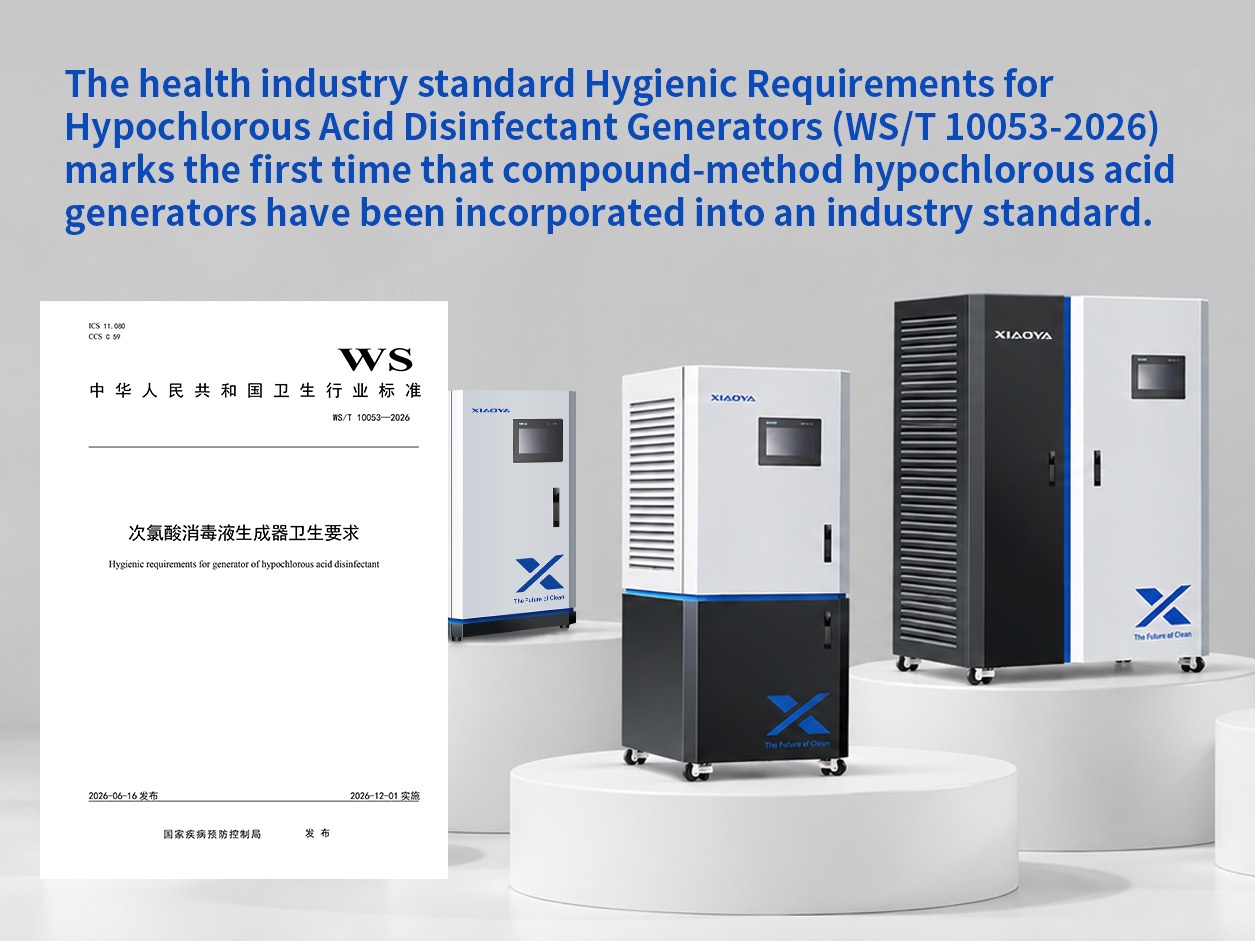
 WS/T 10053-2026 Includes the Compound Method for the First Time: Standard Signals and Market Opportunities for Mass Agricultural Production of Hypochlorous Acid Generators
 Evaluating HClO Generator Lifecycle Costs Beyond the Initial Equipment Price
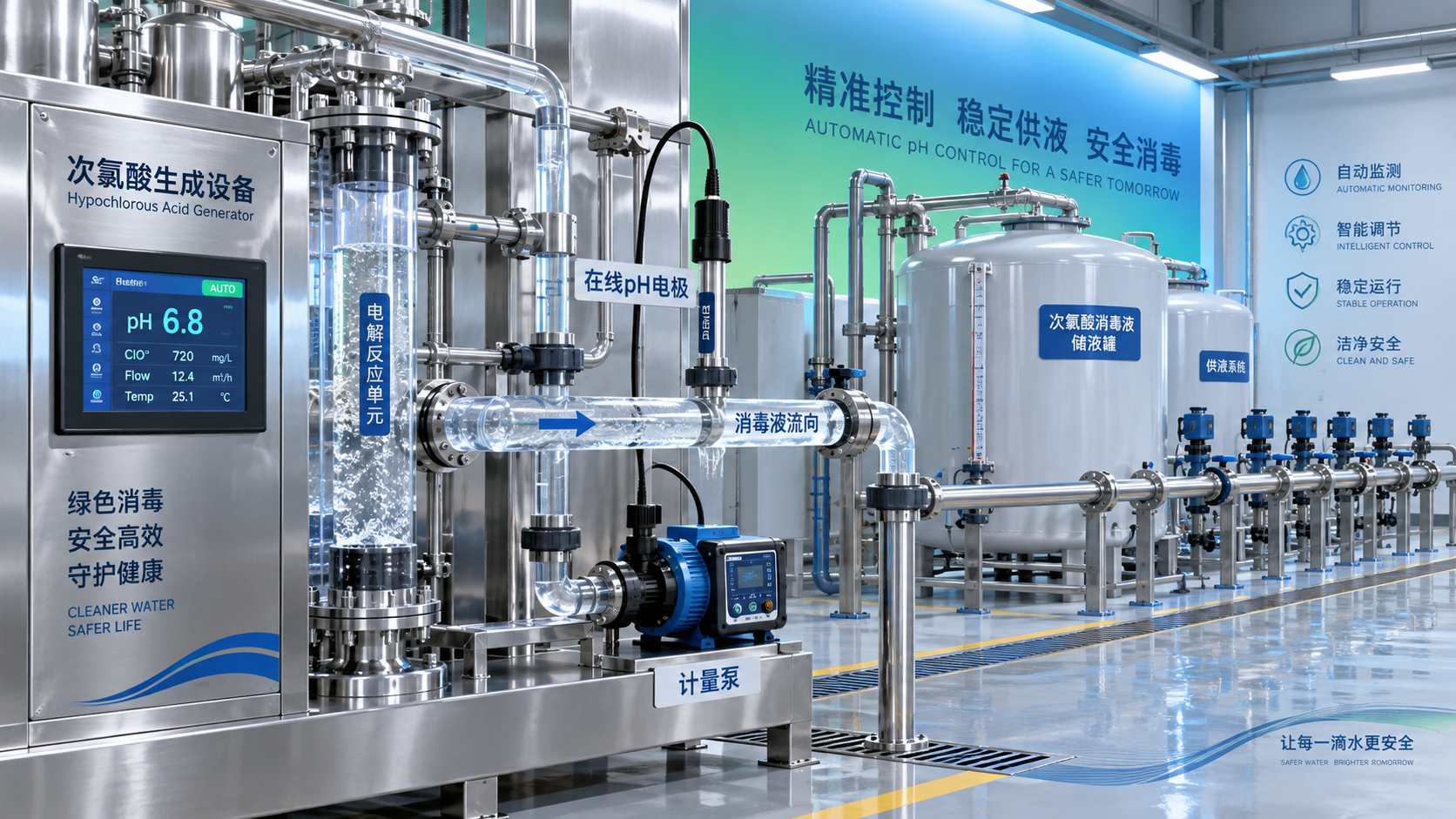
 HClO Generator pH Control: Why It Determines Disinfection Performance
- Which Safety Features Matter Most When Buying an HClO Generator?
 Troubleshooting Low ORP Readings on a Hypochlorous Acid Machine
Leave us a message

Xiaoya Group was founded in 1979,expert in the electrolyzed water industry.
Get in Touch
*We respect your confidentiality and all information are protected.