news
Sodium hypochlorite remains one of the most familiar disinfectants in commercial and household applications. It is inexpensive, broadly effective, and easy to source. That is exactly why the question matters: if it is so common, what is the disadvantage of sodium hypochlorite in real operating environments?
For appliance manufacturers, water-treatment equipment developers, and buyers evaluating disinfection systems, the disadvantages are not theoretical. They show up in corroded metal parts, degraded seals, unstable concentration during storage, stronger odor complaints, and higher safety-management requirements. In automated equipment, those issues can directly affect uptime, service life, compliance, and total cost of ownership.
The main problem is that sodium hypochlorite is a strong oxidizing chemical, but its practical performance is less stable than many users assume. In simple manual cleaning, that may be manageable. In precision disinfection modules, enclosed water circuits, dosing systems, and consumer appliances, the weaknesses become more important.
Corrosion is often the biggest operational disadvantage
In automation equipment and household appliance systems, materials compatibility is usually the first concern. Sodium hypochlorite can attack metals such as carbon steel, some grades of stainless steel under unfavorable conditions, copper, and aluminum. It may also affect elastomers, coatings, adhesives, and certain plastics over time.
This matters because many disinfection-related products are not built around a single resistant material. A kitchen appliance, bathroom appliance, health-care disinfection device, or water-treatment unit may combine pumps, valves, tubing, sensors, nozzles, brackets, electrical connectors, and seals from multiple suppliers. A chemical that looks acceptable in one part of the system can shorten the life of another.
In practice, corrosion risk rises when concentration control is poor, contact time is longer than designed, temperature increases, or residual chemical remains in stagnant areas. Manufacturers that use sodium hypochlorite in cleaning or disinfection cycles often discover that maintenance cost is not driven by the chemical price alone, but by hidden damage to wetted components.
This is why procurement teams increasingly ask for full compatibility validation instead of relying on generic “chemical-resistant” claims from suppliers.
It is unstable, which complicates quality control
Another major disadvantage is instability. Sodium hypochlorite degrades during storage, especially when exposed to heat, light, or contamination. As it ages, the available chlorine concentration drops. That creates a practical problem for any process that depends on consistent disinfection strength.
For exporters and OEM manufacturers, this instability creates several downstream risks:
- more difficult concentration verification at the point of use;
- shorter shelf-life expectations;
- performance variation across transport and warehouse conditions;
- higher probability of underdosing or compensatory overdosing.
Underdosing can reduce microbial control. Overdosing increases corrosion, residue, odor, and safety concerns. In other words, instability pushes users toward a narrower operating window while making that window harder to maintain.
For automated dosing systems, that means additional calibration, testing, and monitoring. For finished appliances sold into different climate zones, it can also mean different field outcomes even when the same product design is used.
Safety and handling requirements are more demanding than many end users expect
Sodium hypochlorite is common, but “common” should not be confused with “low risk.” It can irritate skin, eyes, and the respiratory system. Improper mixing with acids can release chlorine gas, and mixing with ammonia-containing cleaners can generate hazardous chloramine compounds. Those are well-known chemical safety issues, but they remain relevant because consumer and light-commercial environments are not always controlled by trained operators.
From a design and business perspective, this creates several challenges:
- clear labeling and usage instructions become critical;
- child-safety and leak-prevention design may be necessary;
- transport and storage controls become part of the product responsibility chain;
- customer misuse can turn into a warranty, reputation, or liability issue.
For brands serving health care, kitchen, and bathroom scenarios, chemical misuse risk is not a minor detail. It affects packaging choices, training materials, after-sales service, and market acceptance.
Residue, odor, and user experience can limit product acceptance
Technical effectiveness is only part of the decision. In many appliance-related applications, user acceptance matters just as much. Sodium hypochlorite has a recognizable chlorine odor that some users associate with cleanliness, but others see as harsh, unpleasant, or unsafe. In enclosed indoor settings, that can become a serious objection.
Residue is another issue. If rinsing is incomplete or concentration is too high, surfaces may retain chemical traces that affect smell, appearance, or material finish. In kitchen applications, users are often especially sensitive to anything that touches food-contact surroundings, even when the system is technically compliant.
That is one reason many manufacturers are reassessing whether sodium hypochlorite is the right chemistry for premium consumer products. A disinfectant that works in institutional cleaning may not be ideal in a compact, visible, daily-use appliance where odor and surface appearance influence product reviews.
Its effectiveness depends heavily on use conditions
One common misunderstanding is that sodium hypochlorite is universally reliable as long as the concentration is high enough. In reality, efficacy is affected by pH, organic load, contact time, temperature, and application method. If soils are not removed first, disinfectant performance can drop. If the solution is not prepared or stored correctly, real-world activity may differ from nominal concentration.
For technical teams, the disadvantage is not simply reduced efficacy. It is process sensitivity. A disinfection chemistry that performs well only when multiple variables are tightly controlled may be difficult to integrate into mass-market equipment or decentralized use environments.
That concern becomes stronger in automated systems designed for low-maintenance operation. The more sensitive the chemistry, the more robust the sensing, dosing, and user guidance need to be.
Compliance and materials validation increase development effort
In sectors connected to health care, sanitation, water treatment, or consumer appliances, disinfection is not just a chemistry question. It is a compliance and validation question. Depending on target market and application, companies may need to review chemical-contact materials, residual risk, labeling, transport classification, and product-specific regulatory expectations. Exact requirements vary by jurisdiction and use case, so product teams should verify current rules before launch.
Even when sodium hypochlorite itself is accepted for a given use, integrating it into a device can trigger broader design obligations. Tanks may require venting consideration. Feed lines may require upgraded materials. Sensors may need protection against oxidative drift. Service intervals may need to be shortened to maintain reliability.
For procurement and engineering teams, this often changes the original cost logic. A cheap chemical can lead to a more expensive system architecture.
Why many manufacturers are evaluating alternatives
The disadvantages of sodium hypochlorite do not mean it has no place in the market. It remains useful where cost pressure is high, process control is strong, and materials are selected accordingly. But in applications where equipment longevity, user safety, storage simplicity, and lower chemical burden matter, alternatives are gaining attention.
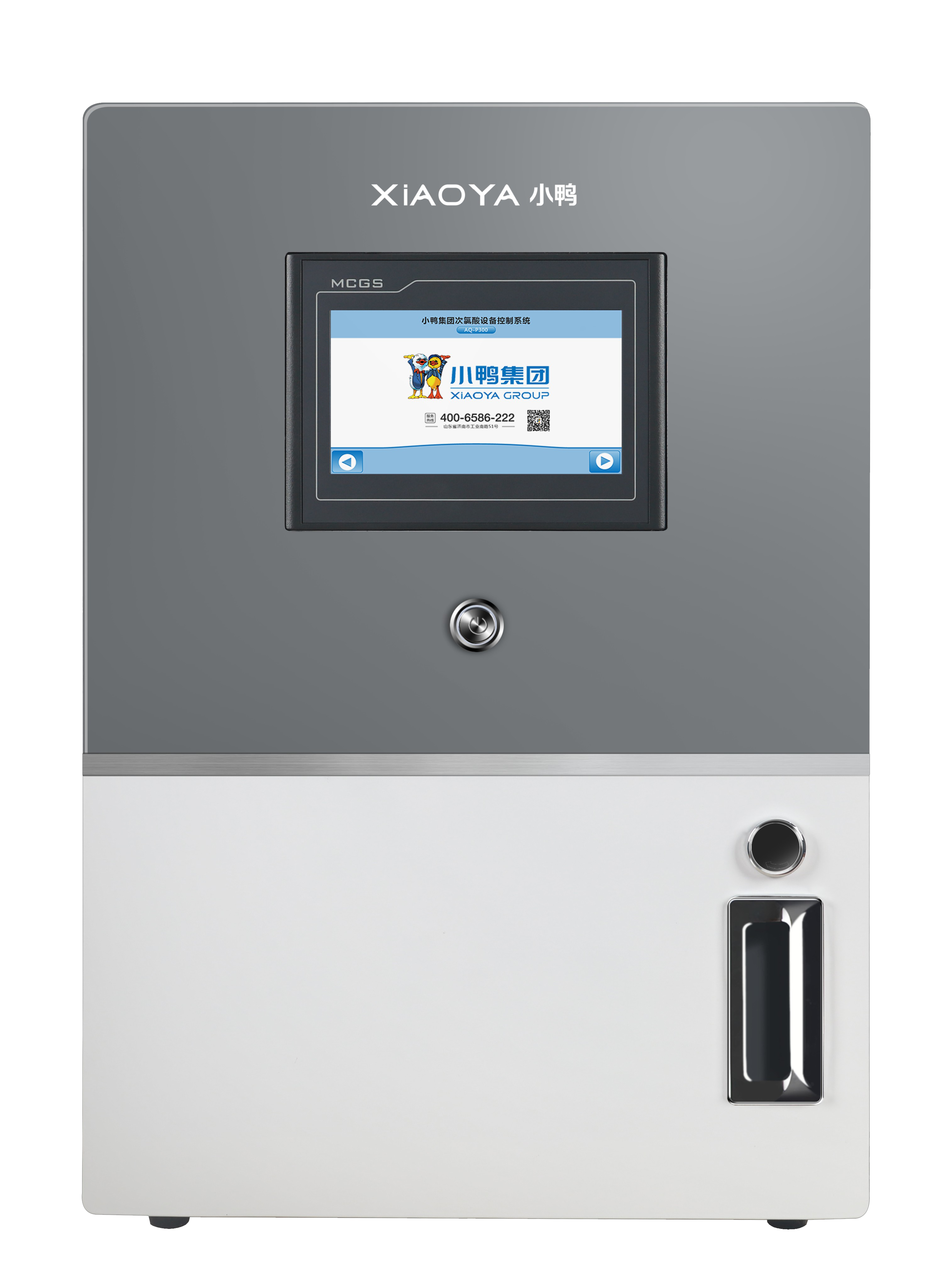
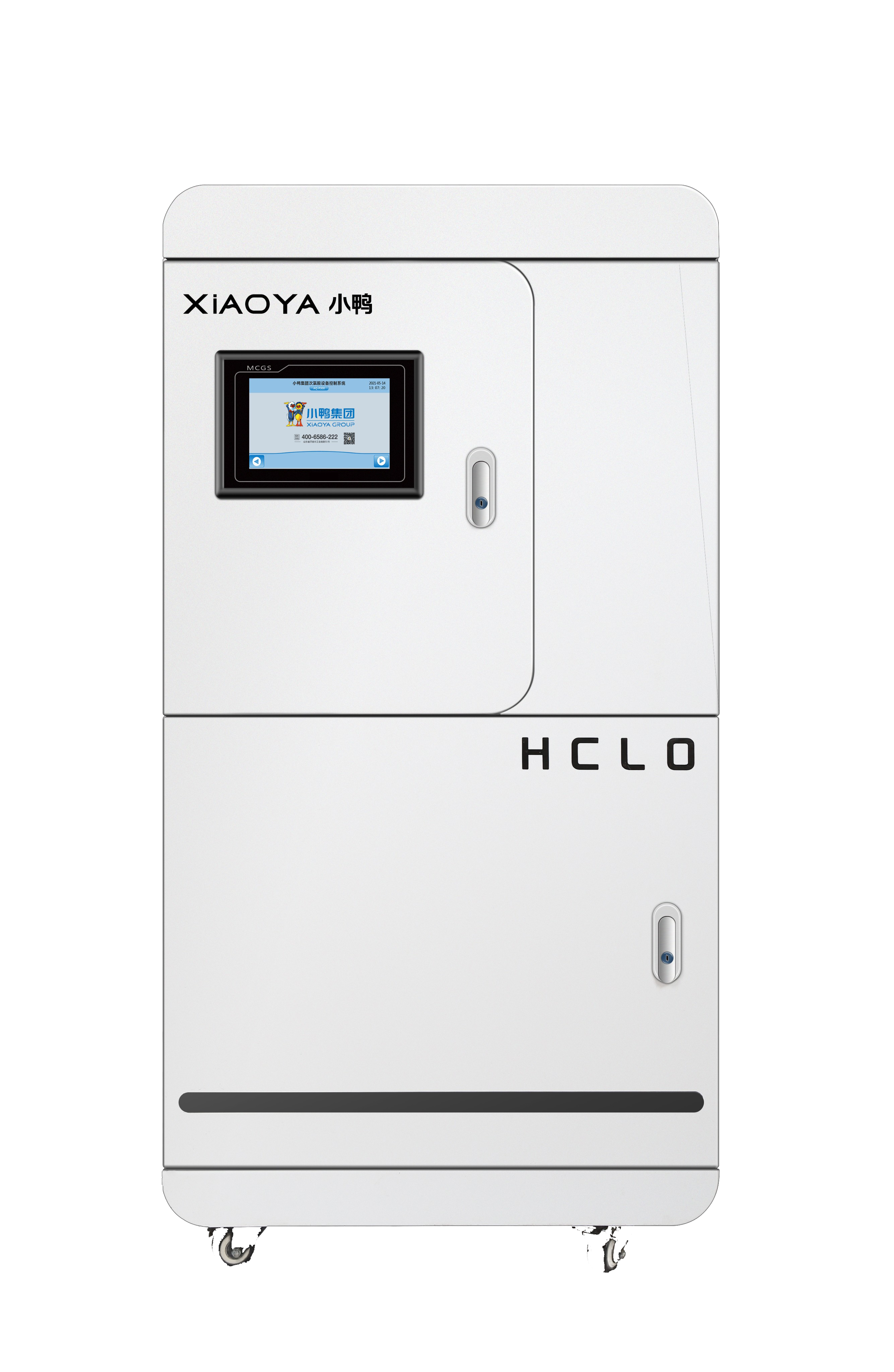
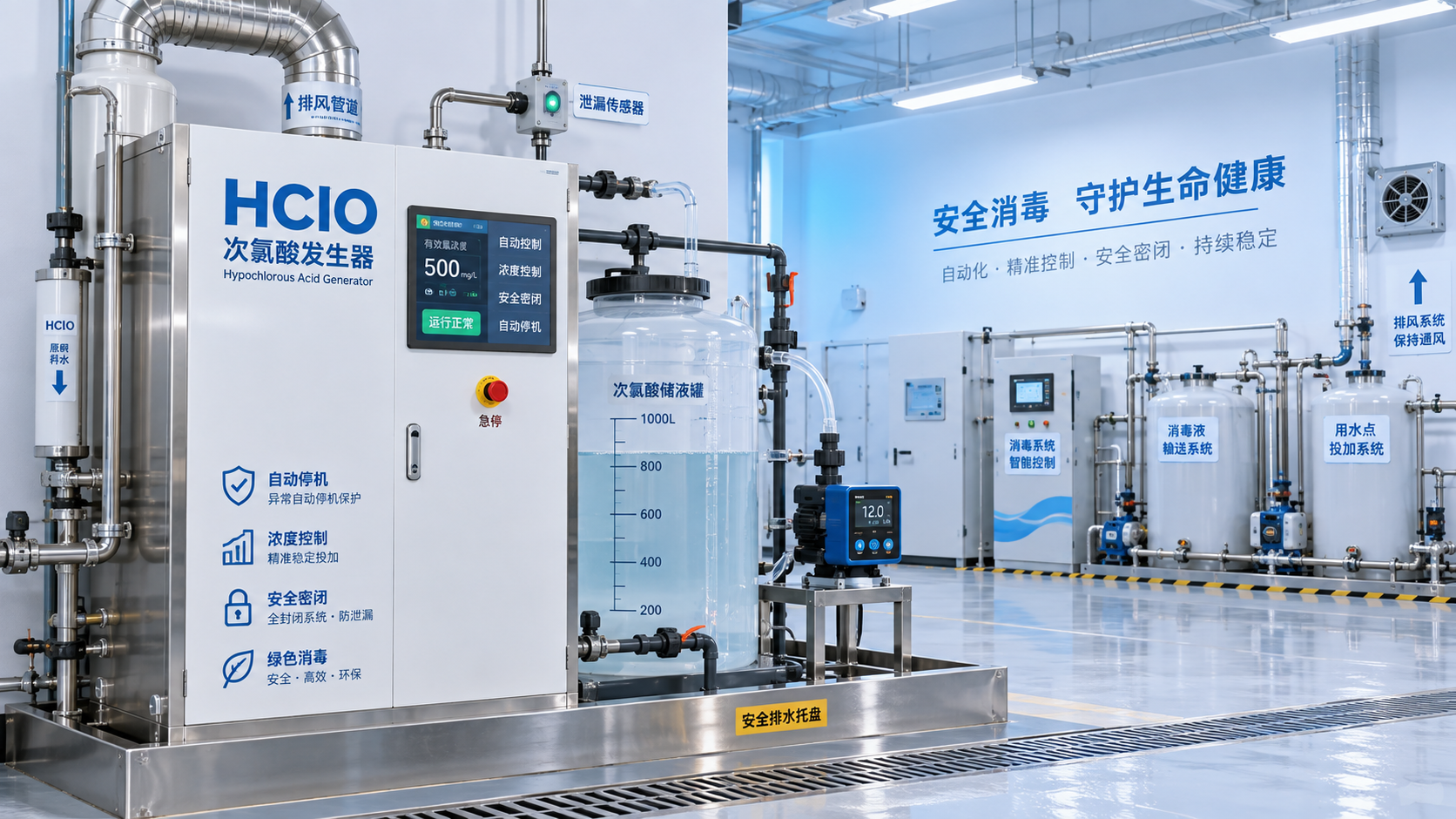
One route is on-site generation of more application-friendly disinfectant solutions. For example, some manufacturers evaluating disinfection and water-treatment integration look at systems such as the Pure Hypochlorous Acid (HClO) Electrolyzer, which is designed to produce hypochlorous acid solution for disinfection and water treatment. The commercial interest here is not novelty for its own sake. It is the possibility of reducing storage dependence, improving operational efficiency, and aligning better with equipment-oriented design requirements.
The key point for buyers is not to replace one chemical with another based on marketing language. It is to compare the full system impact: materials compatibility, required concentration control, service burden, operator safety, odor profile, and lifecycle cost.
What decision-makers should examine before choosing sodium hypochlorite
When assessing whether sodium hypochlorite is suitable, the right question is not “Does it disinfect?” It is “What will it do to the product, the user environment, and the operating model over time?”
Useful evaluation points include:
- Which metals, seals, plastics, and adhesives are exposed?
- How stable is the chemical through storage and logistics?
- How precisely can concentration and dosing be controlled?
- Will end users handle the product safely and consistently?
- Does chlorine odor or residue affect customer acceptance?
- What maintenance cost results from oxidation-related wear?
- Are there simpler or safer alternatives for the same function?
In export manufacturing, these questions matter even more because usage conditions vary across markets. A system that performs acceptably in a controlled domestic setting may face different temperatures, water quality, storage periods, and user habits overseas.
So, what is the disadvantage of sodium hypochlorite? In industry terms, its disadvantages are less about headline disinfecting power and more about operational trade-offs: corrosion, instability, handling risk, odor, residue, and higher system-management complexity. For low-complexity applications, those trade-offs may still be acceptable. For automated equipment, premium appliances, and long-life disinfection systems, they often become the deciding factor.
That is why the market conversation is shifting. The smarter comparison today is no longer chemical price versus chemical price. It is performance plus durability plus safety plus controllability. Once that broader lens is applied, sodium hypochlorite is not always the low-cost option it first appears to be.
NEWS
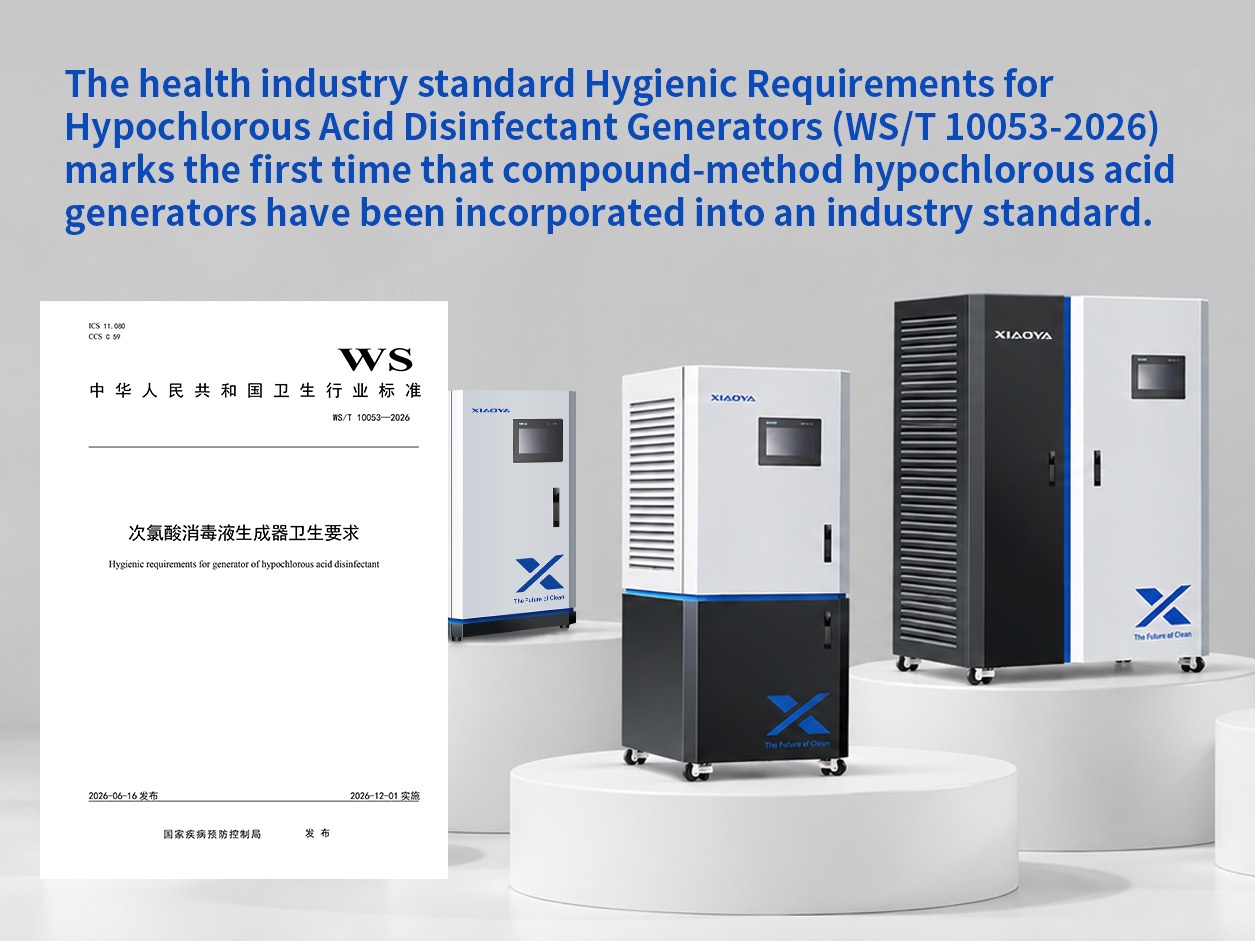
 WS/T 10053-2026 Includes the Compound Method for the First Time: Standard Signals and Market Opportunities for Mass Agricultural Production of Hypochlorous Acid Generators
 Evaluating HClO Generator Lifecycle Costs Beyond the Initial Equipment Price
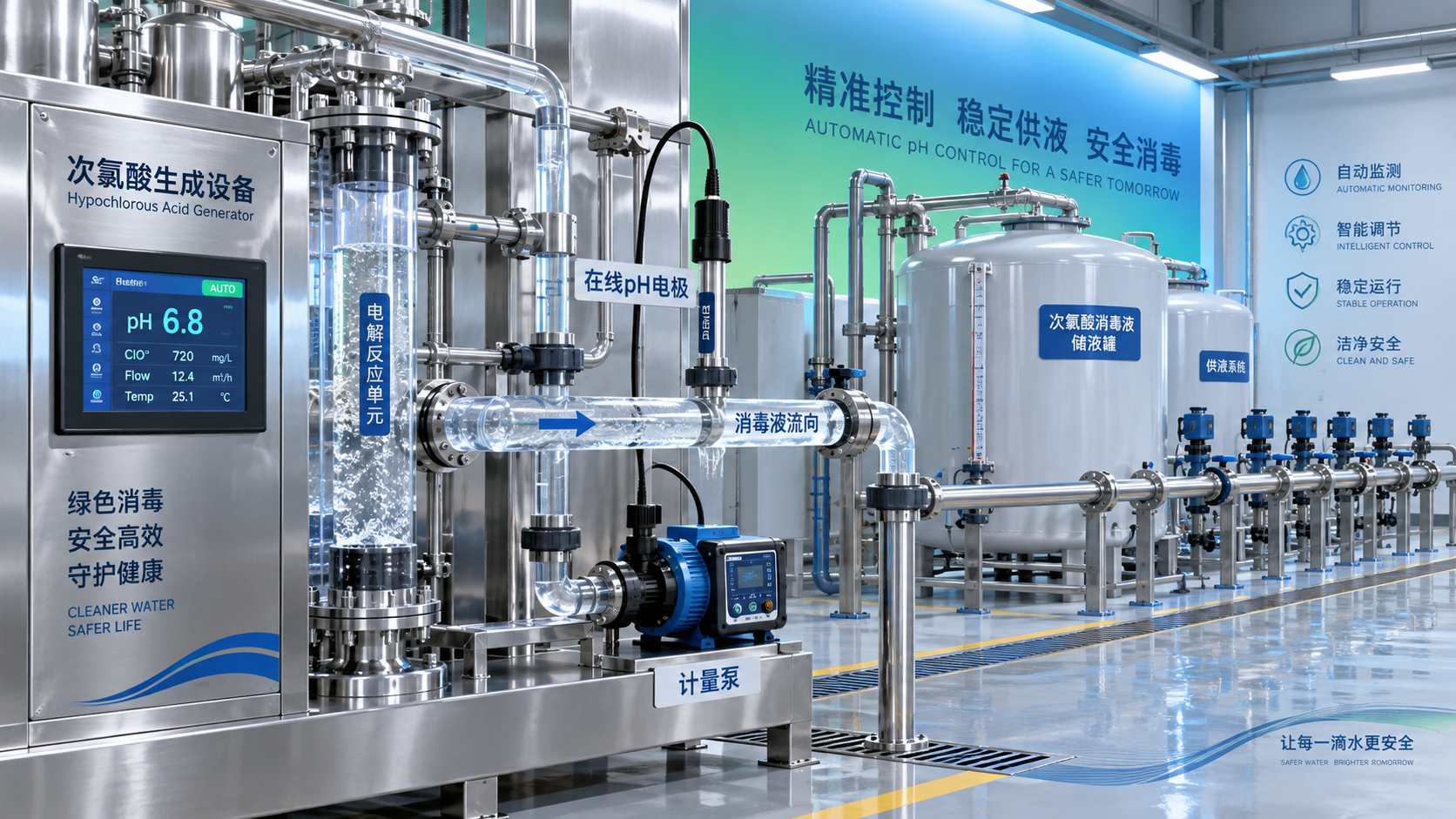
 HClO Generator pH Control: Why It Determines Disinfection Performance
- Which Safety Features Matter Most When Buying an HClO Generator?
 Troubleshooting Low ORP Readings on a Hypochlorous Acid Machine
Leave us a message

Xiaoya Group was founded in 1979,expert in the electrolyzed water industry.
Get in Touch
*We respect your confidentiality and all information are protected.