news
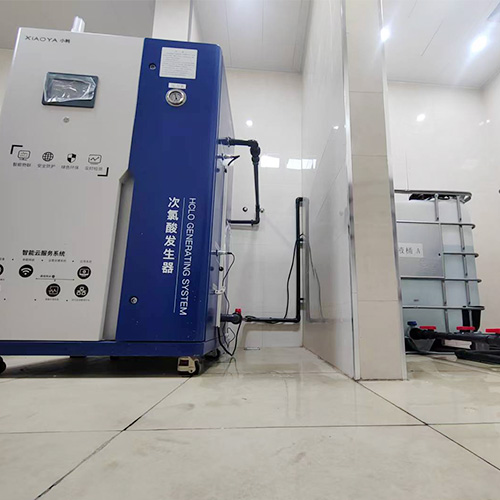
What Really Drives Sodium Hypochlorite Generator Price?
When evaluating Sodium Hypochlorite Generator price, buyers need to look beyond the initial cost and consider performance, safety, energy efficiency, and long-term operating value. For manufacturers focused on disinfection appliances, clean energy solutions, and small household equipment, choosing the right generator can improve production reliability and product quality. This guide explores the key factors that influence pricing and helps you identify the most cost-effective solution for your business.
In practice, the price gap between two systems that look similar on paper can be surprisingly large. One unit may be positioned as a basic on-site chlorine generation device, while another includes tighter concentration control, a more durable electrolyzer, better automation, and cleaner integration into a production environment. For companies that combine R&D, manufacturing, and operations across kitchen and bathroom appliances, healthcare and disinfection appliances, clean energy products, and small household devices, those differences are not minor. They affect maintenance planning, compliance, and product consistency.
The cheapest quote is rarely the real benchmark
A low purchase price can be attractive, especially during early project budgeting. But with sodium hypochlorite generation equipment, the more useful question is: what are you actually buying? Price usually reflects a mix of output capacity, electrode quality, dosing precision, automation level, enclosure design, water quality tolerance, and after-sales support.
For example, a generator intended for light intermittent use does not need the same build standard as a unit running daily in a factory or institutional disinfection process. If your operation depends on stable disinfectant concentration for repeatable downstream performance, poor control accuracy can become more expensive than the machine itself. Rework, unstable disinfection results, operator intervention, and premature component replacement tend to show up later, not in the quotation sheet.
The main pricing factors buyers should compare
Capacity is the obvious one, but not the only one. Higher output generally means a higher price, yet output should be matched to actual demand rather than selected “just in case.” Oversizing can increase capital cost, footprint, and idle capacity. Undersizing creates another problem: the system runs continuously at the edge of its limits, which can shorten service life and reduce concentration stability.
The electrolysis cell is often where quality differences become real. Electrode materials, coating quality, and the expected service life of the electrolyzer have a direct impact on replacement cycles. If one supplier offers a lower machine price but cannot clearly explain cell lifespan, that usually deserves a second look.
Control systems also influence cost. A basic manual setup is cheaper. A PLC-based machine with touch-screen control, operating records, and data export will cost more, but in automated equipment environments, that extra control can save labor and reduce errors. This is especially relevant when the generator is not a standalone utility, but part of a broader production or sanitation workflow.
Operating cost matters more than many buyers expect
A sodium hypochlorite generator is not just a capital purchase. It is a utility system with ongoing consumption of electricity, salt or electrolyte materials, water, replacement parts, and labor. In automated manufacturing settings, downtime can be the hidden cost that dwarfs all the others. If a machine is difficult to clean, calibrate, or troubleshoot, its nominally lower price quickly becomes less attractive.
Energy efficiency should be discussed in relation to actual output and concentration. A unit that appears efficient at one operating point may behave differently under variable loads. Buyers should also ask whether the system maintains stable disinfectant quality when production rhythms change. That is a practical issue in factories where demand is not perfectly flat through the day.
This is why experienced buyers tend to ask for a basic lifecycle view: expected cell life, routine maintenance intervals, spare parts availability, and the skill level required for operators. Those questions do not always lower the quotation, but they usually improve the purchase decision.
Application changes the price logic
Not every disinfection scenario needs the same chemistry profile or system architecture. Some users are evaluating sodium hypochlorite generation for surface sanitation or water treatment. Others are comparing it with hypochlorous acid systems because they need lower irritation, reduced residue, or better compatibility with people, animals, and sensitive environments.
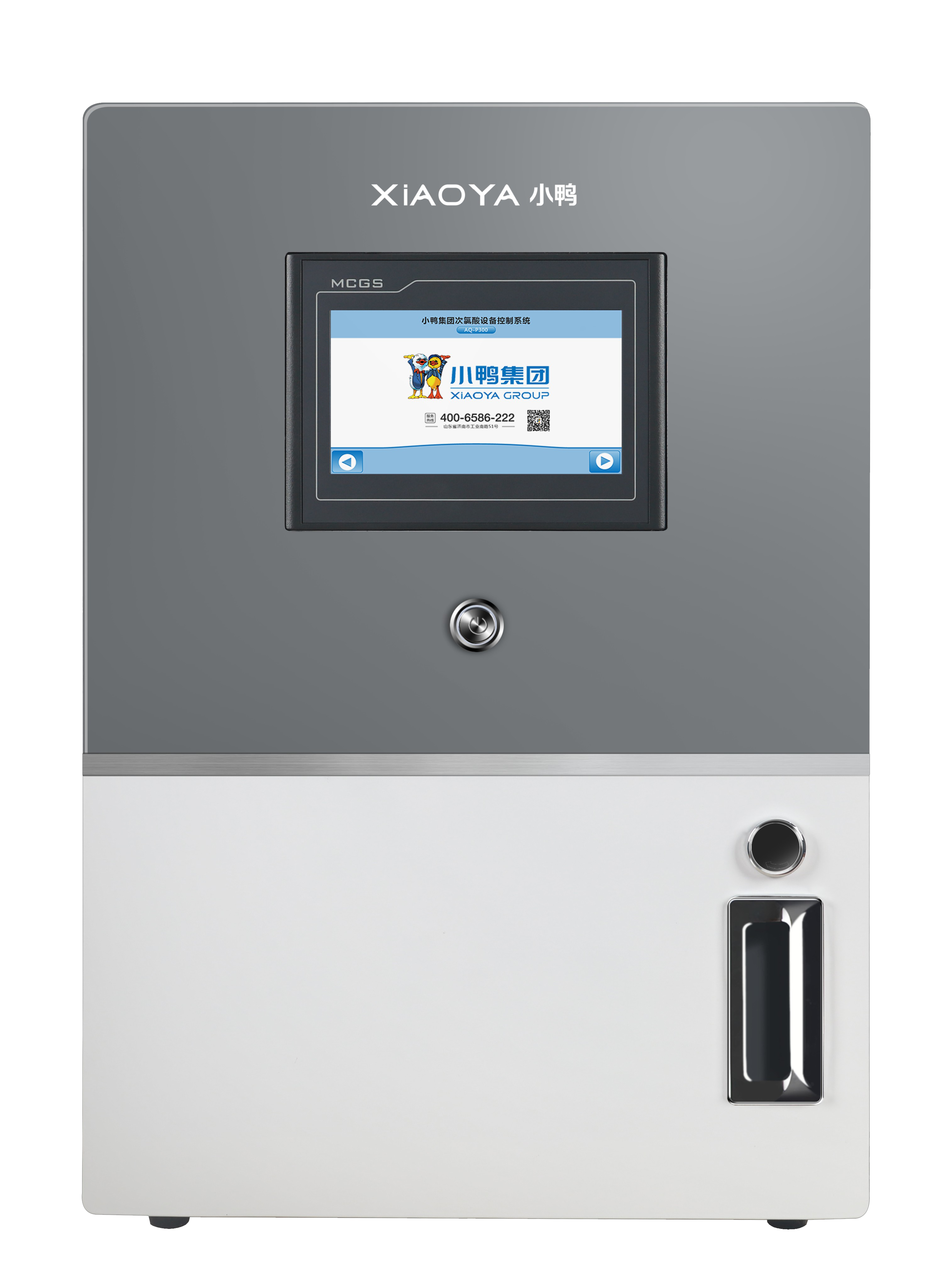
That comparison matters. In animal care, healthcare-adjacent environments, and high-frequency sanitation areas, buyers often move beyond simple chlorine output and start looking at pH range, active ingredient profile, odor control, and control precision. A good example is Hypochlorous Acid Full-Scenario Disinfection System for Horse Farms, designed for horse farms, racecourses, breeding bases, and equestrian facilities. Its AQ-P300 configuration lists an output of 180–300 L/h, pH 5.0–6.5, available chlorine concentration of 10–120 ppm depending on use scenario, rated power of 420 W, and PLC touch-screen control with data export. Those details illustrate a broader market reality: once a system is expected to deliver stable concentration, human-friendly application, and traceable operation, price is no longer driven by output alone.
In that segment, features such as stable concentration within ±10 ppm, electrolyzer life of at least 5000 hours, and recognized compliance references like CE or agency recognition can justify a higher upfront figure if the project requires dependable sanitation rather than just chemical generation.
Questions worth asking before you compare suppliers
A useful supplier conversation should go beyond “What is your best price?” Some practical questions are more revealing:
- Is the quoted output continuous or short-term maximum output?
- What water quality conditions are assumed for stable operation?
- How often does the electrolyzer typically need replacement?
- Can the system integrate with existing automation or data logging requirements?
- What concentration range can be achieved consistently, not just theoretically?
- What consumables and maintenance items should be budgeted annually?
Suppliers with real engineering experience usually answer these questions clearly, even if the answer is “it depends on the project.” That is often a better sign than a quick low quote with very little technical context.
How to think about value instead of sticker price
If your business sits at the intersection of appliance manufacturing, sanitation technology, and integrated production, value comes from fit. The right system should match your required output, your control expectations, your maintenance resources, and the way your team actually works. Some projects benefit from a simpler sodium hypochlorite generator with fewer electronic layers. Others need more precise automated control because disinfection quality is tied directly to product performance or operating safety.
So, what is a fair Sodium Hypochlorite Generator price? There is no universal number that means much on its own. A fair price is one that reflects verified capacity, stable performance, realistic operating cost, and a support model you can actually use. If a quotation does not make those things visible, it is incomplete no matter how competitive it looks.
Before making a final decision, it is worth asking suppliers to break the offer into equipment cost, core component life, automation features, and expected maintenance burden. That one step usually reveals whether you are comparing machines, or comparing long-term solutions.
NEWS
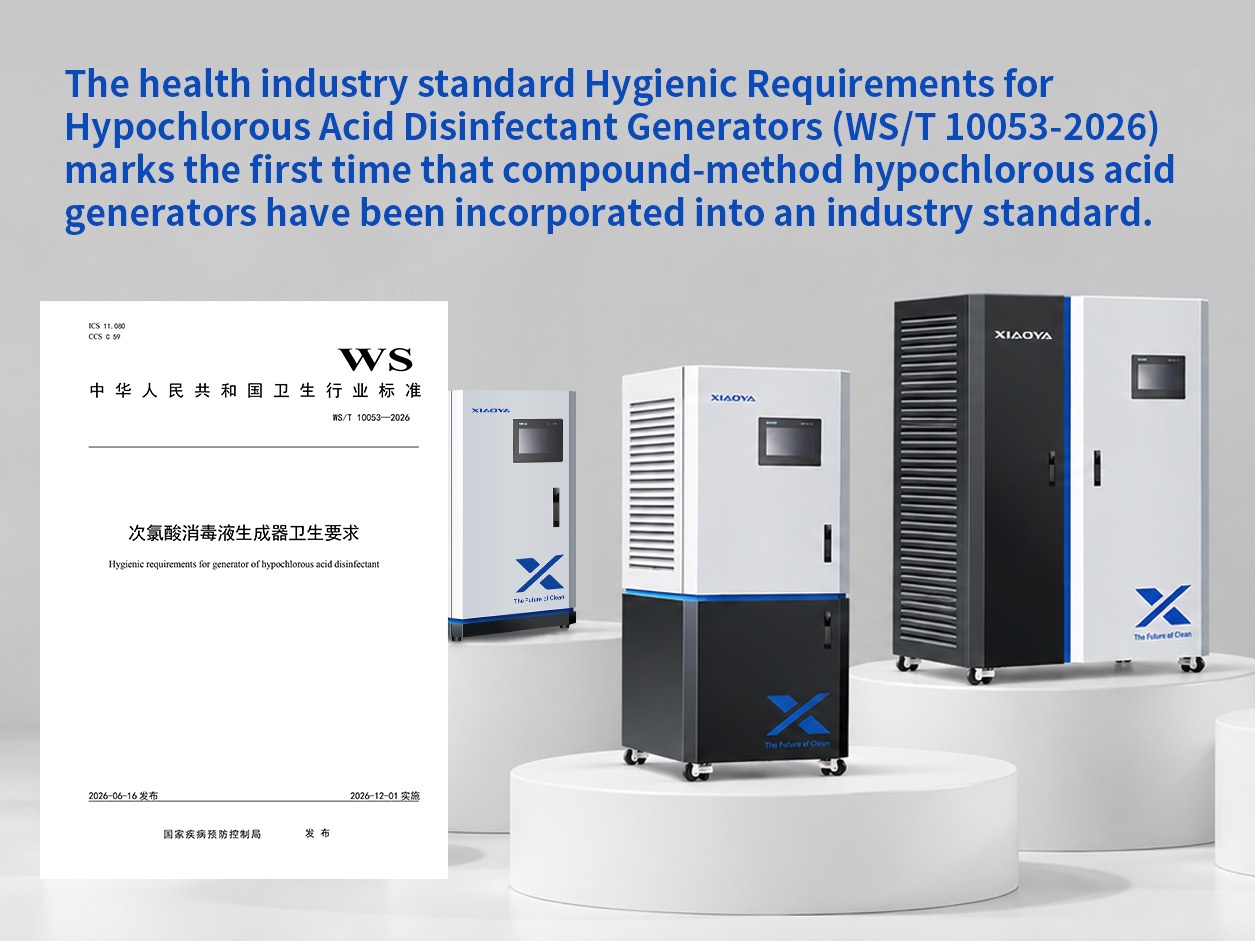
 WS/T 10053-2026 Includes the Compound Method for the First Time: Standard Signals and Market Opportunities for Mass Agricultural Production of Hypochlorous Acid Generators
 Evaluating HClO Generator Lifecycle Costs Beyond the Initial Equipment Price
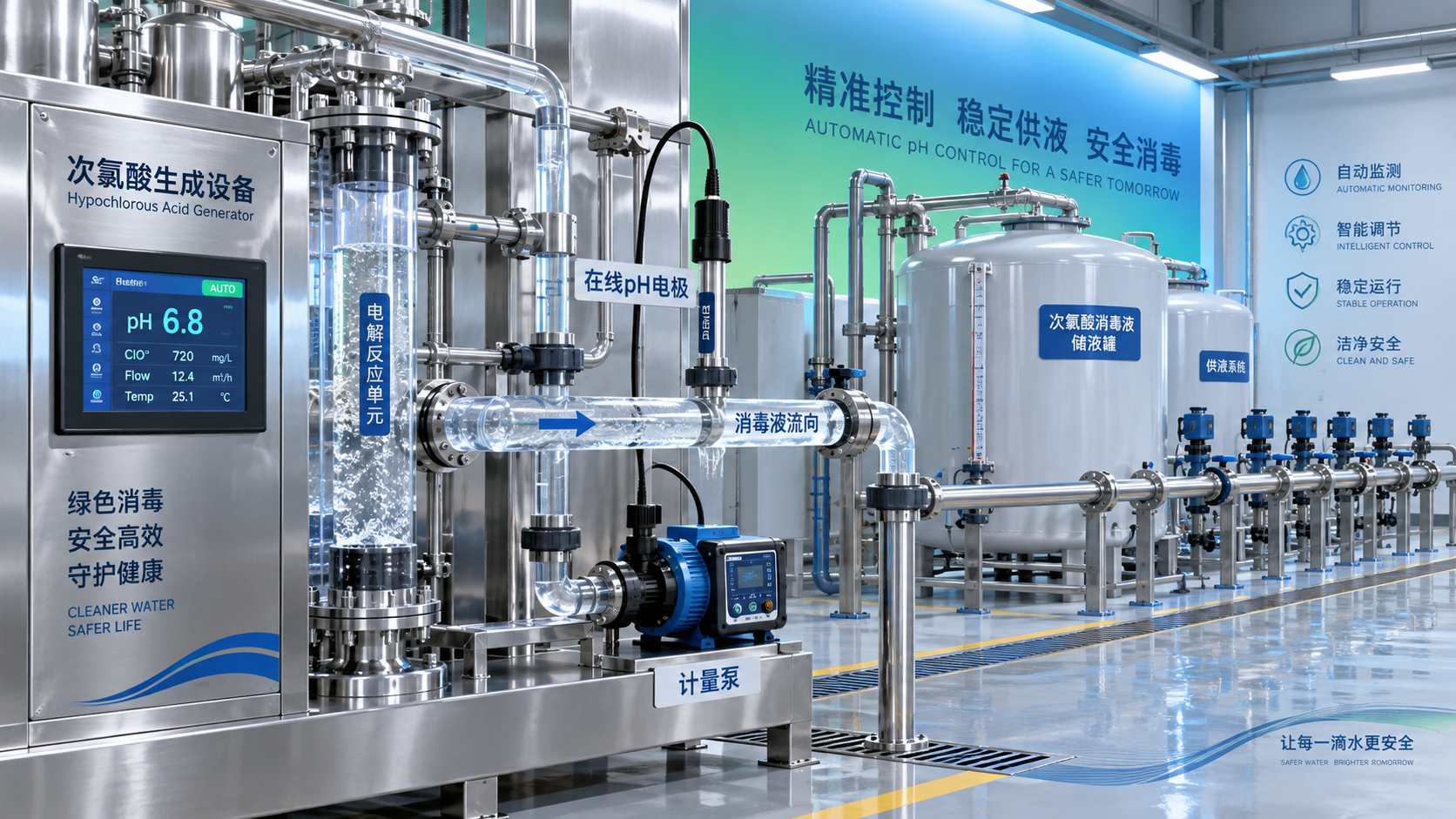
 HClO Generator pH Control: Why It Determines Disinfection Performance
- Which Safety Features Matter Most When Buying an HClO Generator?
 Troubleshooting Low ORP Readings on a Hypochlorous Acid Machine
Leave us a message

Xiaoya Group was founded in 1979,expert in the electrolyzed water industry.
Get in Touch
*We respect your confidentiality and all information are protected.