news
1.Introduction & Market Overview
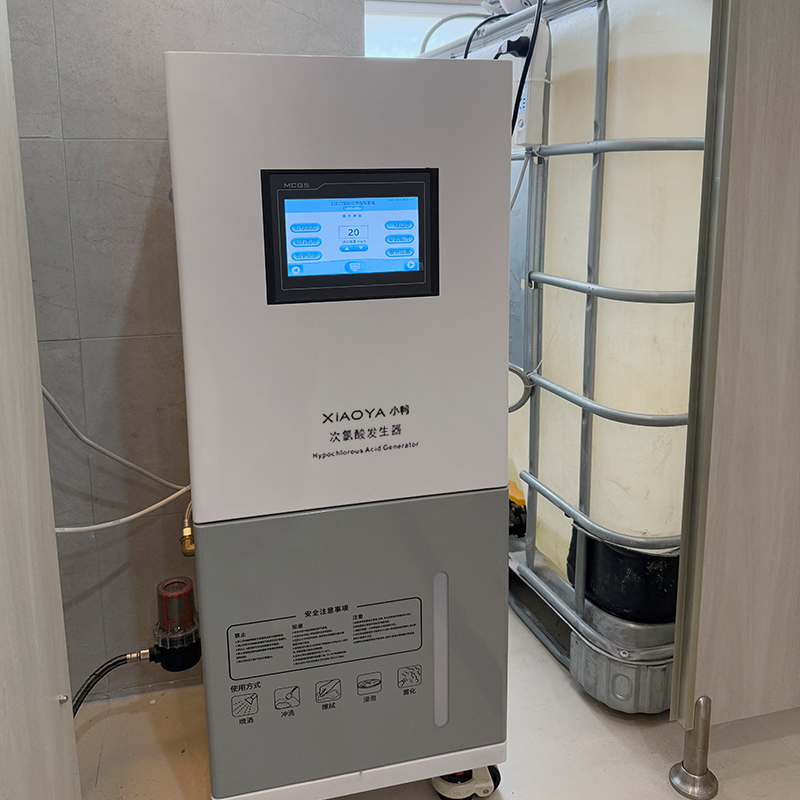
Industrial sectors in Pakistan—ranging from textile mills in Faisalabad to hospitals in Karachi—face severe disinfection challenges. Traditional commercial bleach and imported chemicals degrade rapidly in the intense 40°C+ summer heat and suffer from volatile PKR exchange rates.
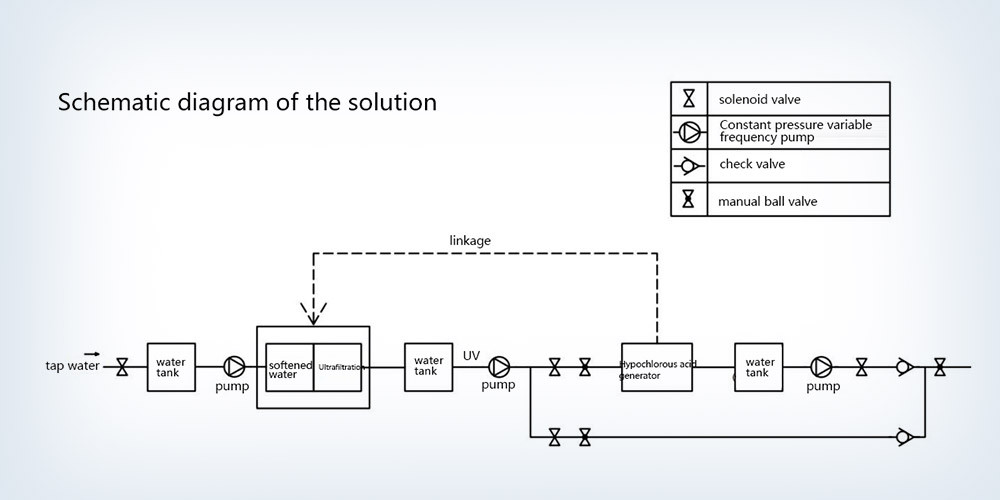
An on-site hypochlorite generator provides the ultimate solution. By using only local water, salt, and electricity, businesses can produce a powerful, fresh disinfectant on-demand, reducing operational costs by up to 85%.
2. Hypochlorite Generator Technical Principles & Input Optimization
The system operates via electrochlorination, passing a diluted brine solution through a specialized electrolytic cell to create stable, non-explosive sodium hypochlorite ($NaOCl$). To understand the exact chemical equations and anodic coating physics of this process, consult our technical guide: [How Electrochlorination Systems Work: The Tech Guide].
Optimizing utility consumption is vital for controlling your factory's running costs. To calculate precise power and salt ratios based on local commercial tariffs, review our data log: [Salt and Power Consumption for NaOCl Systems].
Safety is a prime benefit of this technology. Unlike pressurized chlorine gas, on-site generation maintains a safe chemical concentration under 1%. For full plant layout and hydrogen safety standards, see our manual: [On-site Chlorine Generation Safety & Standards Guide].
3. Comparative Matrix: Disinfection Sourcing in Pakistan
4. Sector Applications Across Pakistan
Textile Processing: Industrial mills require massive chemical volumes for fabric bleaching. Utilizing a specialized [Sodium Hypochlorite Generator for Pakistan Textile Plants] insulates manufacturers from market inflation and ensures consistent product quality.
Healthcare Systems: Controlling hospital-acquired infections (HAIs) requires maximum sanitization efficacy. Implementing a [Hypochlorite Generator: Hospital Disinfection in Karachi] guarantees safe floor, laundry, and wastewater sterilization without emitting harsh toxic fumes.
Municipal Water Works: Public water authorities face constant safety liabilities when handling toxic gases. Transitioning to [Electrochlorination for Pakistan Municipal Water Plants] removes hazardous cylinders from residential zones while ensuring safe drinking water.
5. Overcoming Local Environmental Challenges
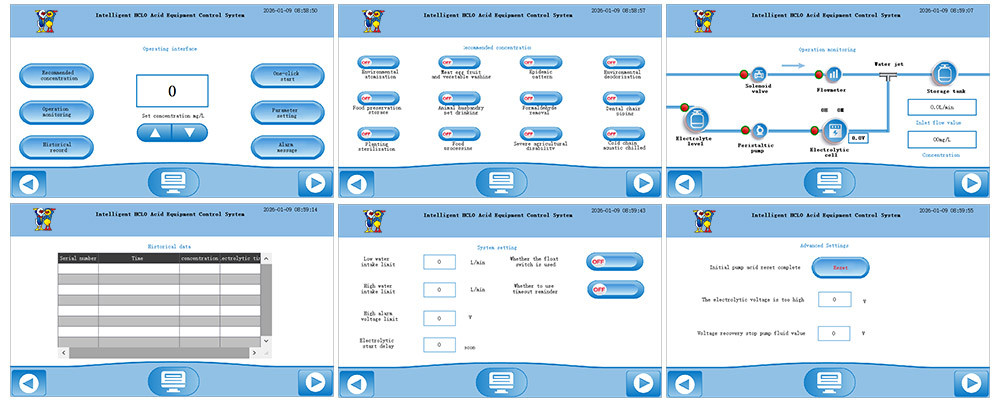
Groundwater in Pakistan frequently exhibits high hardness levels (calcium and magnesium), which can cause rapid scaling on electrolysis cathodes. To prevent electrode failure and maintain peak efficiency, systems must deploy smart pre-treatment configurations. Learn about our automated reverse-polarity self-cleaning cycles in our report: [Overcoming Pakistan Water Hardness in NaOCl Generators].
6. Financial Analysis & Sourcing Strategy
Transitioning to an on-site system replaces unpredictable chemical bills with a stable asset. To review exact capital expenditure breakdowns and localized amortization schedules, access our commercial report: [Hypochlorite Generator Price Guide & ROI in Pakistan].
For deep-dive research into how on-site generation eliminates transport risks and delivers higher chemical potency compared to legacy gas cylinders, see our study: [On-site Hypochlorite Generator vs. Traditional Liquefied Chlorine].
Long-term system reliability depends on proper preventative maintenance. To access step-by-step cell descaling and PLC diagnostic workflows, download our technical document: [Industrial Hypochlorite Generator Maintenance Manual].
Furthermore, selecting an international manufacturing partner with Tier-1 components is vital for securing a trouble-free supply chain. Learn how to verify industrial certifications and build robust procurement lines by reading our whitepaper: [Sourcing High-Quality Hypochlorite Generators from Reliable Chinese Manufacturers].
7. FAQ
Q1: What is the initial investment and ROI for a hypochlorite generator in Pakistan?
Answer: The initial investment varies by machine capacity, but because running costs are limited to local salt and electricity, the system reduces sanitizer expenses by up to 80%. For most Pakistani industrial buyers, the typical payback period (ROI) ranges from 6 to 12 months.
Q2: How does Pakistan's local water quality affect the electrochlorination system, and how to solve it?
Answer: High groundwater hardness can cause mineral scaling on the cathodes, dropping efficiency. Our generators solve this by integrating automatic water softeners and smart PLCs programmed with automated reverse-polarity cleaning cycles to ensure a 15+ year lifespan.
Q3: What raw materials are required for on-site sodium hypochlorite generation?
Answer: The equipment requires only three basic inputs: soft water, electricity, and standard industrial-grade salt. Facilities can cheaply utilize local rock salt sourced directly from the Khewra Salt Mines, ensuring full independence from import delays and chemical market shortages
8. Action Plan: Transition to Cost-Effective Disinfection
Protect your facility from rising chemical prices and summer potency loss. Our heavy-duty on-site generators are engineered to withstand local voltage fluctuations, high ambient heat, and harsh water profiles across Pakistan.
Ready to optimize your biosecurity? Contact the technical engineering team at
NEWS
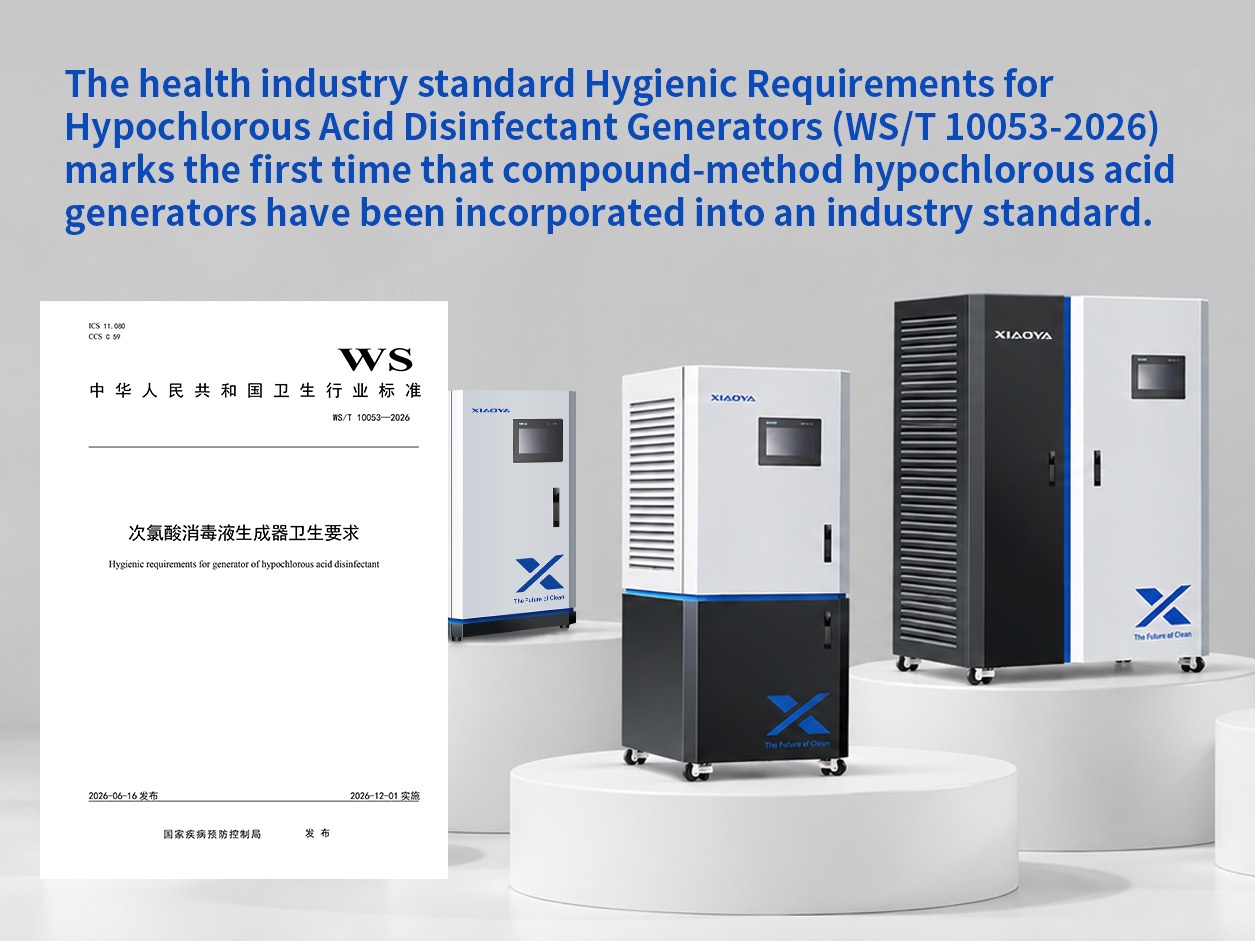
 WS/T 10053-2026 Includes the Compound Method for the First Time: Standard Signals and Market Opportunities for Mass Agricultural Production of Hypochlorous Acid Generators
 Evaluating HClO Generator Lifecycle Costs Beyond the Initial Equipment Price
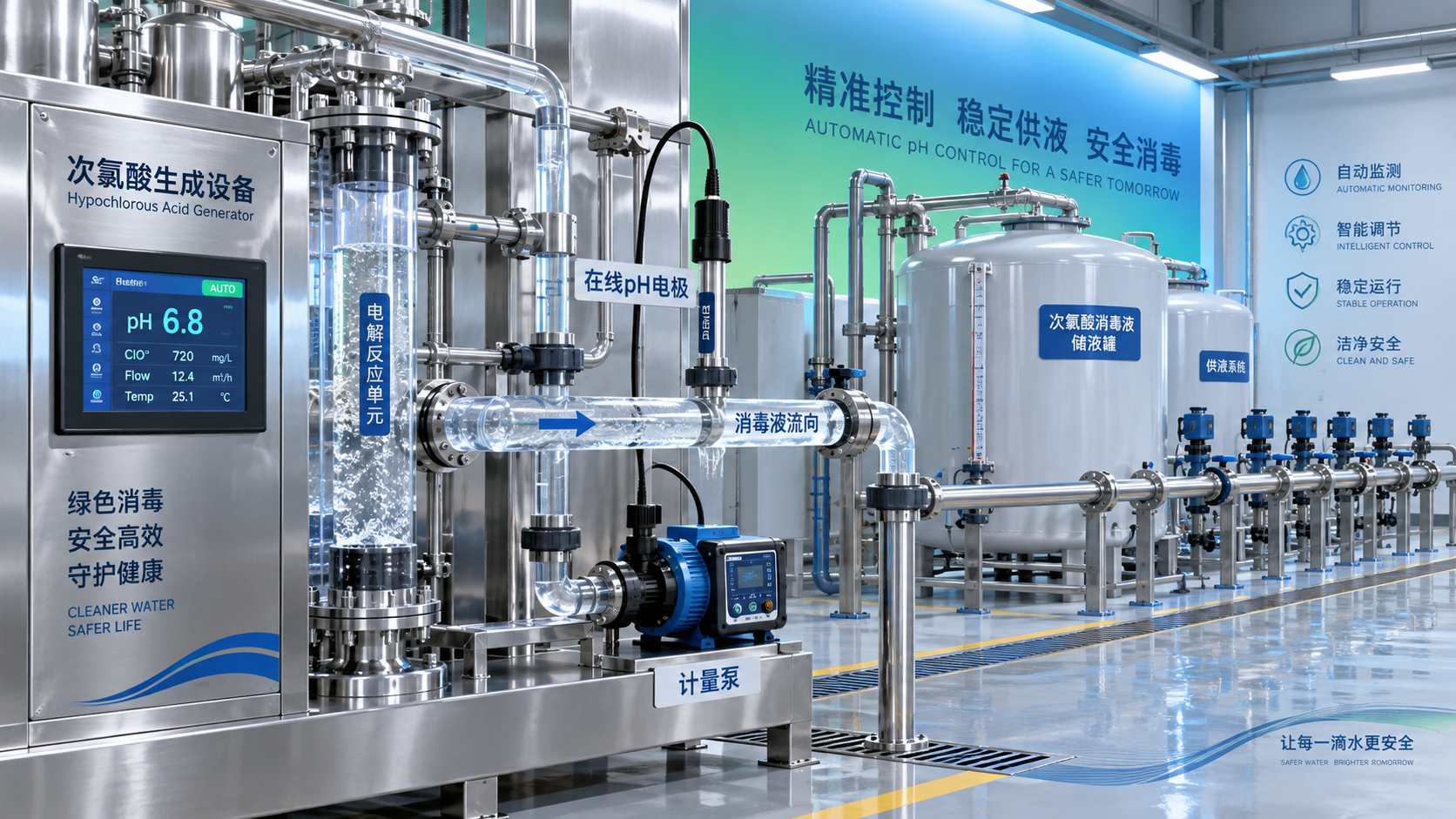
 HClO Generator pH Control: Why It Determines Disinfection Performance
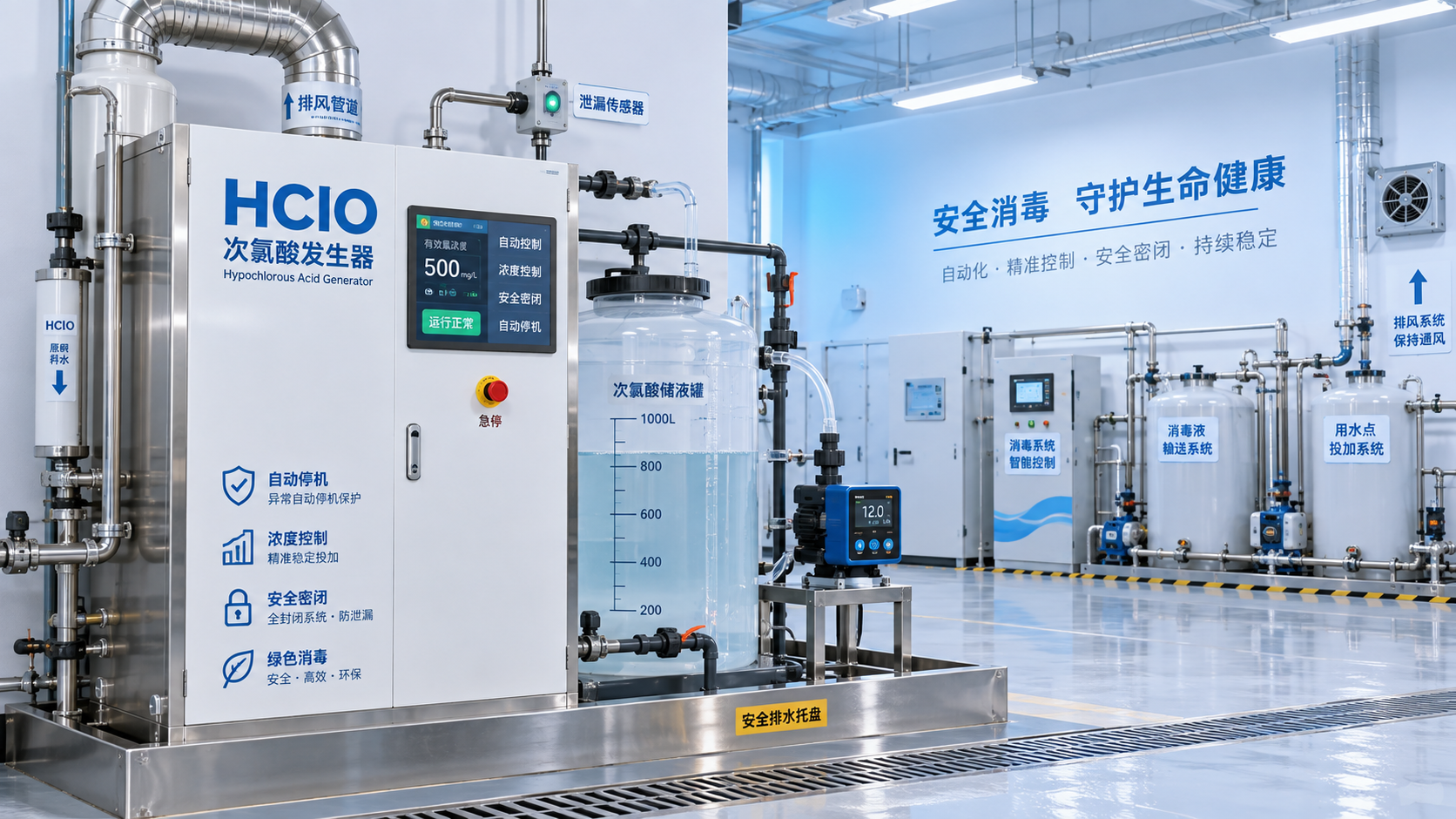
- Which Safety Features Matter Most When Buying an HClO Generator?
 Troubleshooting Low ORP Readings on a Hypochlorous Acid Machine
Leave us a message

Xiaoya Group was founded in 1979,expert in the electrolyzed water industry.
Get in Touch
*We respect your confidentiality and all information are protected.