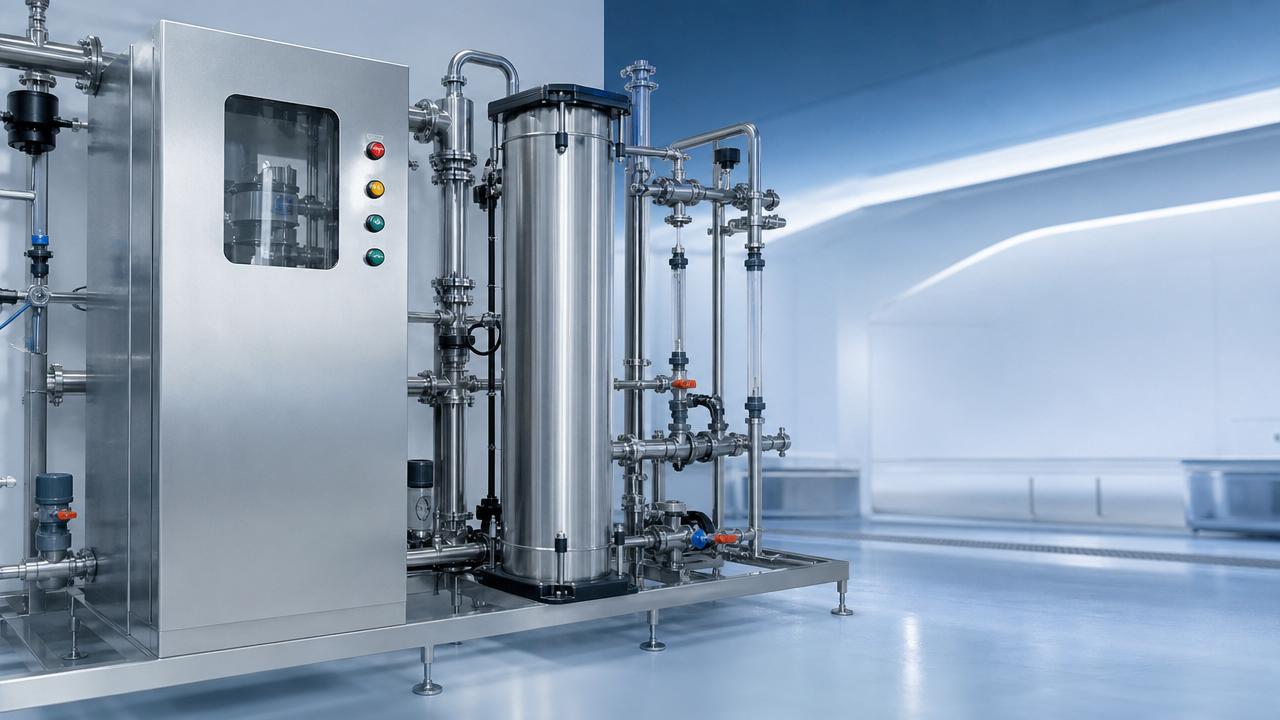
In personal safety, disinfection is shifting from harsh chemistry to precision hygiene. Hypochlorous Acid generators stand out because they produce a disinfectant that is effective, mild, and automation-friendly.
For automation equipment and appliance innovation, this matters. Safer disinfectant production supports health care, household applications, and smarter sanitation systems without adding unnecessary chemical risk.
Why safer disinfectant demand is accelerating
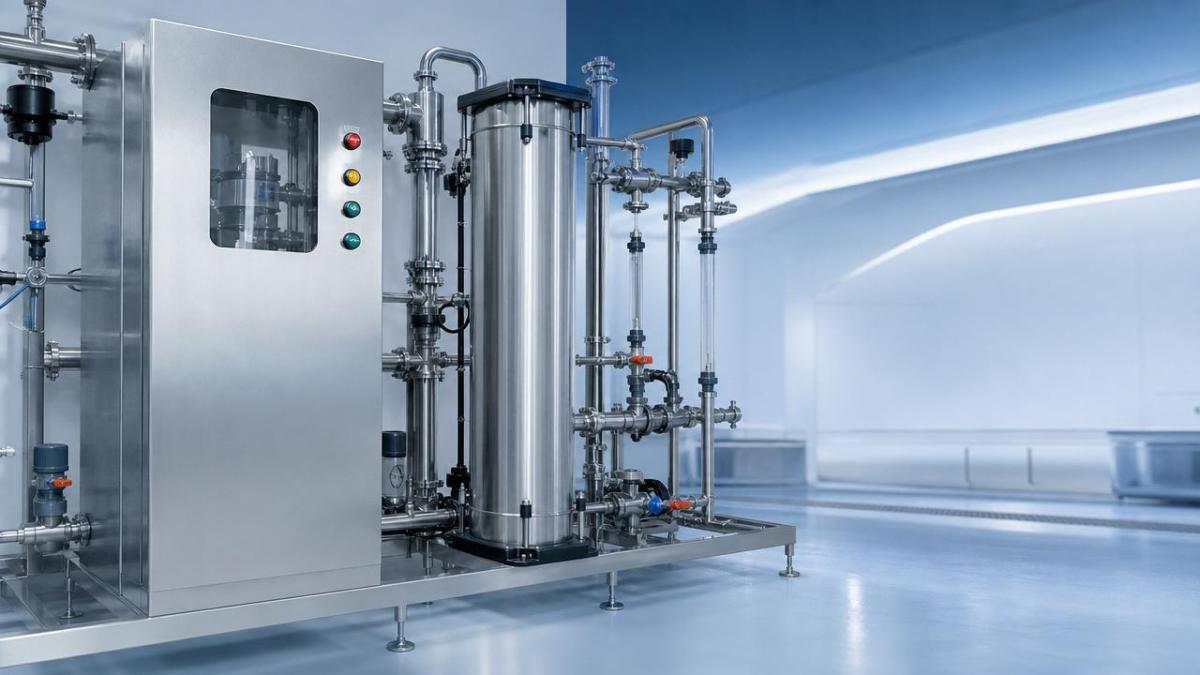
The market no longer values disinfection strength alone. Personal safety now includes surface compatibility, residue control, air quality impact, and easier operation in sensitive environments.
This change is visible across health care appliances, clean equipment, and automated sanitation systems. Buyers increasingly prefer disinfectant solutions that balance microbial control with user and equipment safety.
What makes Hypochlorous Acid generators a safer technology
Hypochlorous Acid, often written as HClO, is recognized for strong disinfection with a gentler profile than many traditional chemicals. When generated on demand, it reduces storage, handling, and overexposure concerns.
For personal safety, that means fewer compromises. A properly controlled Hypochlorous Acid generator can deliver consistent disinfectant performance while supporting safer daily use in enclosed or treatment-focused spaces.
Key forces behind this trend
- Higher expectations for non-irritating disinfectant performance
- Growing use of automation equipment in sanitation workflows
- Demand for instant generation instead of chemical stockpiling
- Need to protect pipelines, valves, and precision components
- Closer compliance focus in health care and treatment environments
How the shift affects equipment design and daily operations
In automation equipment, safer disinfectant production changes system priorities. Engineers must think beyond sterilization speed and include control logic, concentration stability, remote monitoring, and material compatibility.
Operations also benefit. On-site generation supports fresher disinfectant, reduces transport dependence, and helps maintain consistent routines in clinics, appliance systems, and controlled-use facilities.
A practical example in dental pipeline disinfection
One useful direction is dental chair pipeline sanitation, where personal safety and precision disinfection must work together. This is where automation and Hypochlorous Acid generation show clear value.
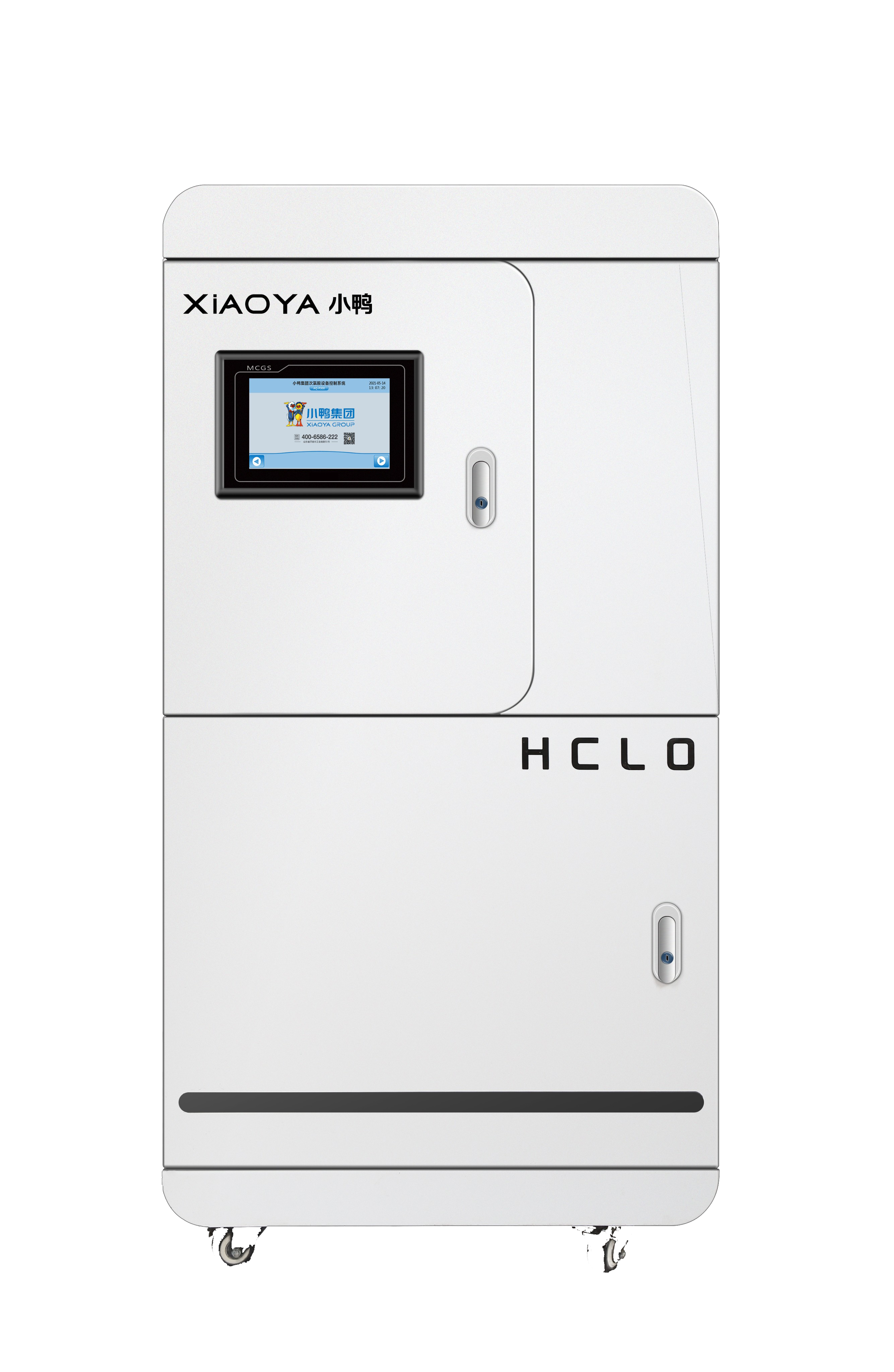
The Hypochlorous Acid Generator for Dental Chair Pipeline Disinfection is designed for stomatological hospitals, dental clinics, and outpatient settings.
With model XY-SAEW-300W, it delivers 300 L/h, a pH value of 6.37, and effective chlorine concentration of 68.9 mg/L. Its main bactericidal factor is Hypochlorous Acid.
Its PLC control system, modular configuration, and 4G remote control reflect the direction of modern automation equipment. Instant generation also helps preserve disinfectant effectiveness during use.
For personal safety, the strongest advantage is balance. It can penetrate biofilm, remain mild and residue-free, and help protect dental chair pipelines and precision components from corrosion.
What deserves closer attention next
- Concentration control for different disinfection scenarios
- Compatibility with existing automated equipment
- Medical qualification and electromagnetic compliance
- Remote operation, data visibility, and maintenance planning
- Lifecycle cost compared with stored chemical disinfectants
A smarter response to rising personal safety standards
The safest disinfectant is not simply the strongest one. It is the one that combines reliable microbial control, controlled generation, equipment protection, and practical use safety.
That is why Hypochlorous Acid generators are gaining momentum. They align with automation, compliance, and the growing expectation that personal safety should come first in every disinfection decision.
If current systems still rely on harsh chemical routines, the next step is clear: evaluate on-site HClO generation, compare control features, and prioritize safer disinfectant performance for long-term hygiene resilience.
NEWS
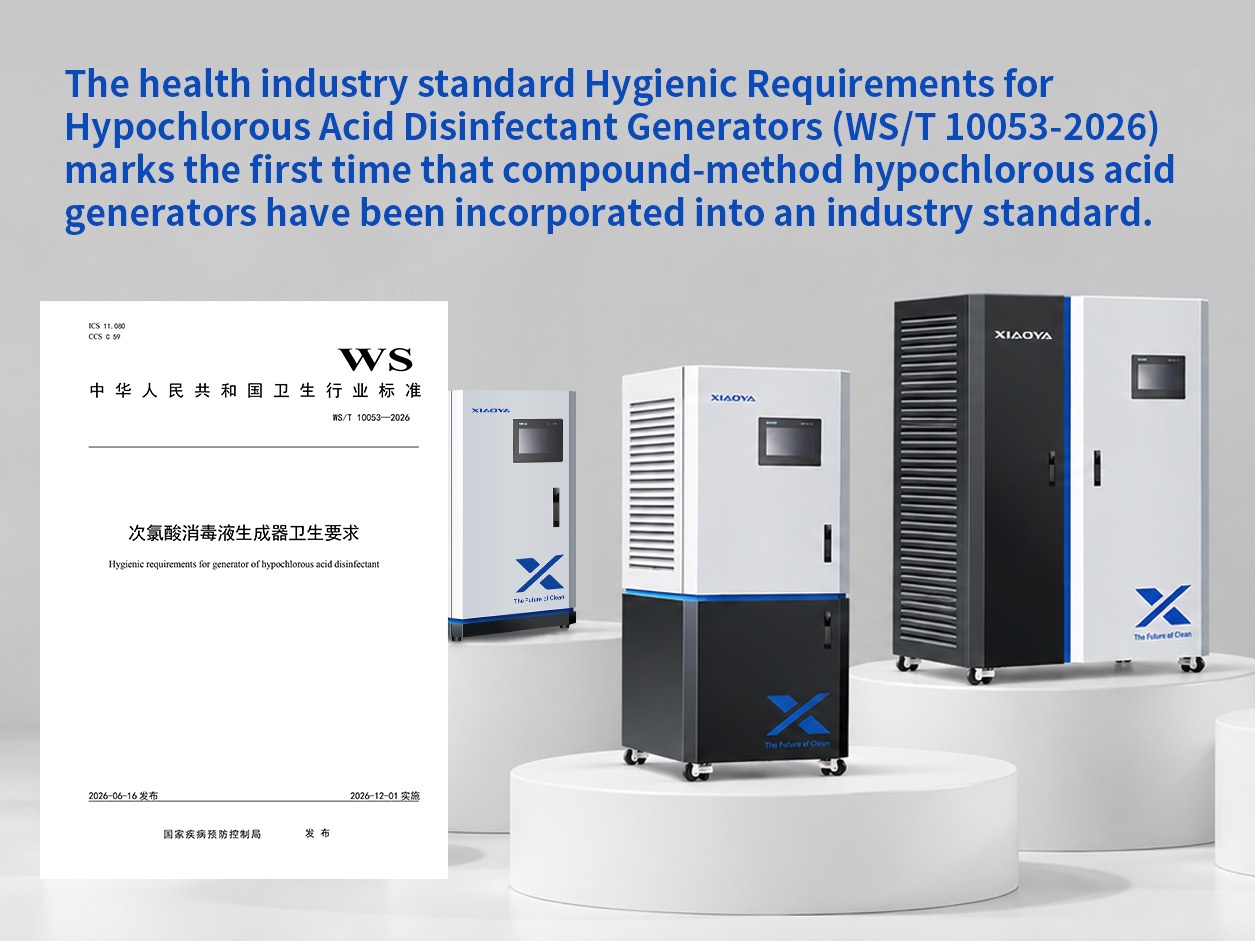
 WS/T 10053-2026 Includes the Compound Method for the First Time: Standard Signals and Market Opportunities for Mass Agricultural Production of Hypochlorous Acid Generators
 Evaluating HClO Generator Lifecycle Costs Beyond the Initial Equipment Price
 HClO Generator pH Control: Why It Determines Disinfection Performance
- Which Safety Features Matter Most When Buying an HClO Generator?
 Troubleshooting Low ORP Readings on a Hypochlorous Acid Machine
Leave us a message

Xiaoya Group was founded in 1979,expert in the electrolyzed water industry.
Get in Touch
*We respect your confidentiality and all information are protected.