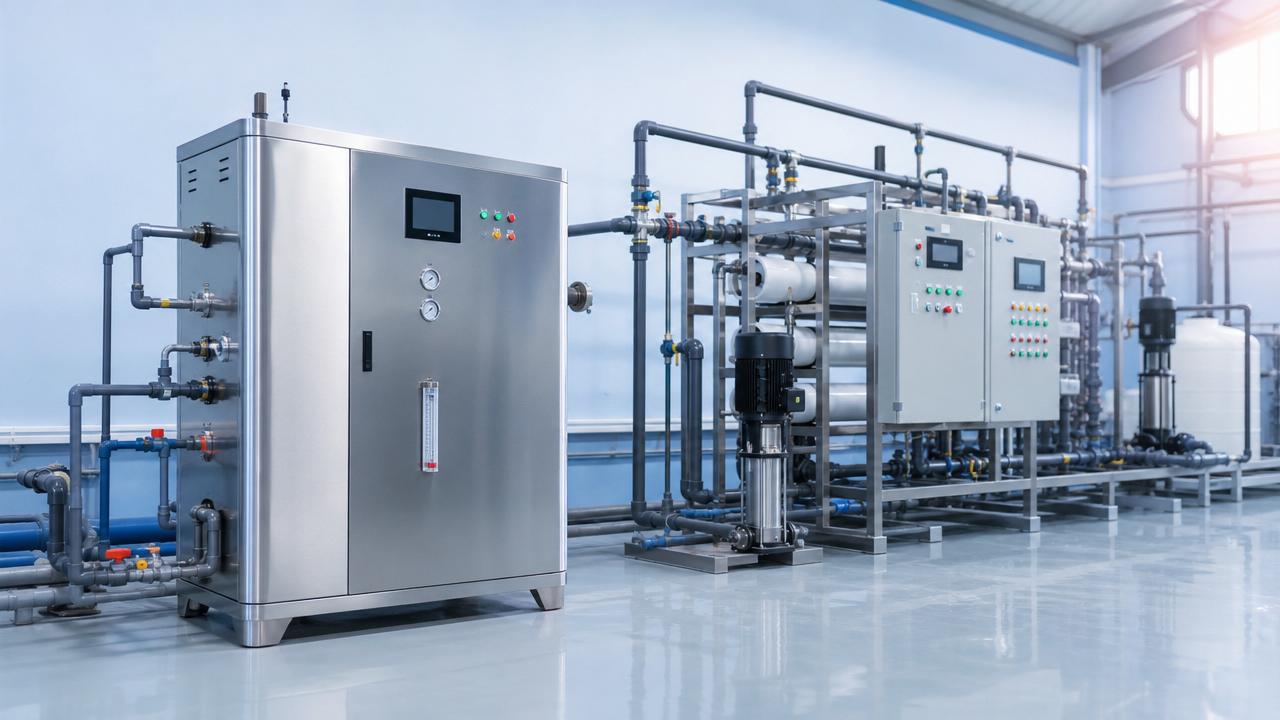
Why the Right Hypochlorous Acid Generator Matters
Choosing a hypochlorous acid generator for industrial use is not just about unit price.
It affects hygiene results, downtime risk, labor needs, and total operating cost.
That becomes even more important in automation-driven production environments.
When lines move fast, disinfection systems must be stable, predictable, and easy to manage.
A poor-fit hypochlorous acid generator can create quality gaps and hidden maintenance costs.
A good one supports cleaner operations and more controlled spending over time.
For manufacturers active in appliances, healthcare, clean energy, and small household products, this choice is strategic.
Start With Application and Daily Demand
First, define where the hypochlorous acid generator will actually be used.
Industrial disinfection needs vary a lot across workshops, tools, tanks, and water systems.
Some sites need continuous output.
Others need short, high-demand batches during cleaning cycles.
This is where many buying mistakes begin.
If output is too low, sanitation plans fail during peak hours.
If capacity is too large, capital cost and chemical waste may increase.
Check these points before comparing models:
- Required solution concentration for each application
- Daily and peak hourly consumption
- Batch production or continuous production needs
- Storage time and on-site distribution method
- Future expansion in new lines or workshops
A hypochlorous acid generator should fit the process, not the other way around.
Check Output Quality, Not Only Output Volume
Many buyers focus on liters per hour first.
That matters, but solution quality matters just as much.
A hypochlorous acid generator must produce consistent, usable HClO output.
Ask for clear data on concentration stability, pH range, and oxidation-reduction potential.
In real operations, unstable output creates uneven disinfection performance.
That can lead to rework, extra testing, or process delays.
It is smart to request:
- Third-party test reports
- Performance data under continuous operation
- Water quality requirements for stable production
- Recommended salt or feed material standards
If the site also handles water treatment, this point becomes even more critical.
Reliable chemistry reduces adjustment time and keeps sanitation routines more predictable.
Review Materials, Durability, and Maintenance Burden
Industrial environments are hard on equipment.
So the internal materials of a hypochlorous acid generator deserve close attention.
Corrosion resistance is essential for electrodes, pipelines, pumps, and fittings.
A lower upfront price can quickly disappear if parts wear out too soon.
Ask direct questions about component lifespan and replacement cycles.
You should also check whether maintenance can be handled by in-house technicians.
Practical review points include:
- Electrode life and replacement cost
- Pump and valve maintenance intervals
- Availability of spare parts
- Cleaning procedures and downtime needed
- Alarm functions for faults or low feed supply
In cost reviews, maintenance labor is often underestimated.
Yet over several years, it can become one of the biggest ownership costs.
Look at Control Integration and System Stability
In automated factories, standalone equipment creates extra work.
A hypochlorous acid generator should support simple control and clear monitoring.
This helps teams react faster and reduce manual checks.
Check whether the system offers stable automation features.
Examples include flow monitoring, concentration display, remote alarms, and production logs.
More importantly, ask how the unit behaves during voltage fluctuation or water quality changes.
That is a stronger sign of real industrial readiness.
If your business values R&D, production, and operational efficiency together, integration should not be treated as optional.
Compare Total Cost, Not Just Purchase Cost
This is where procurement decisions often become clearer.
The cheapest hypochlorous acid generator is not always the most cost-effective choice.
A better comparison uses total cost of ownership.
That includes energy use, water use, consumables, spare parts, downtime, and service support.
For example, an efficient system may cost more upfront but save money every month.
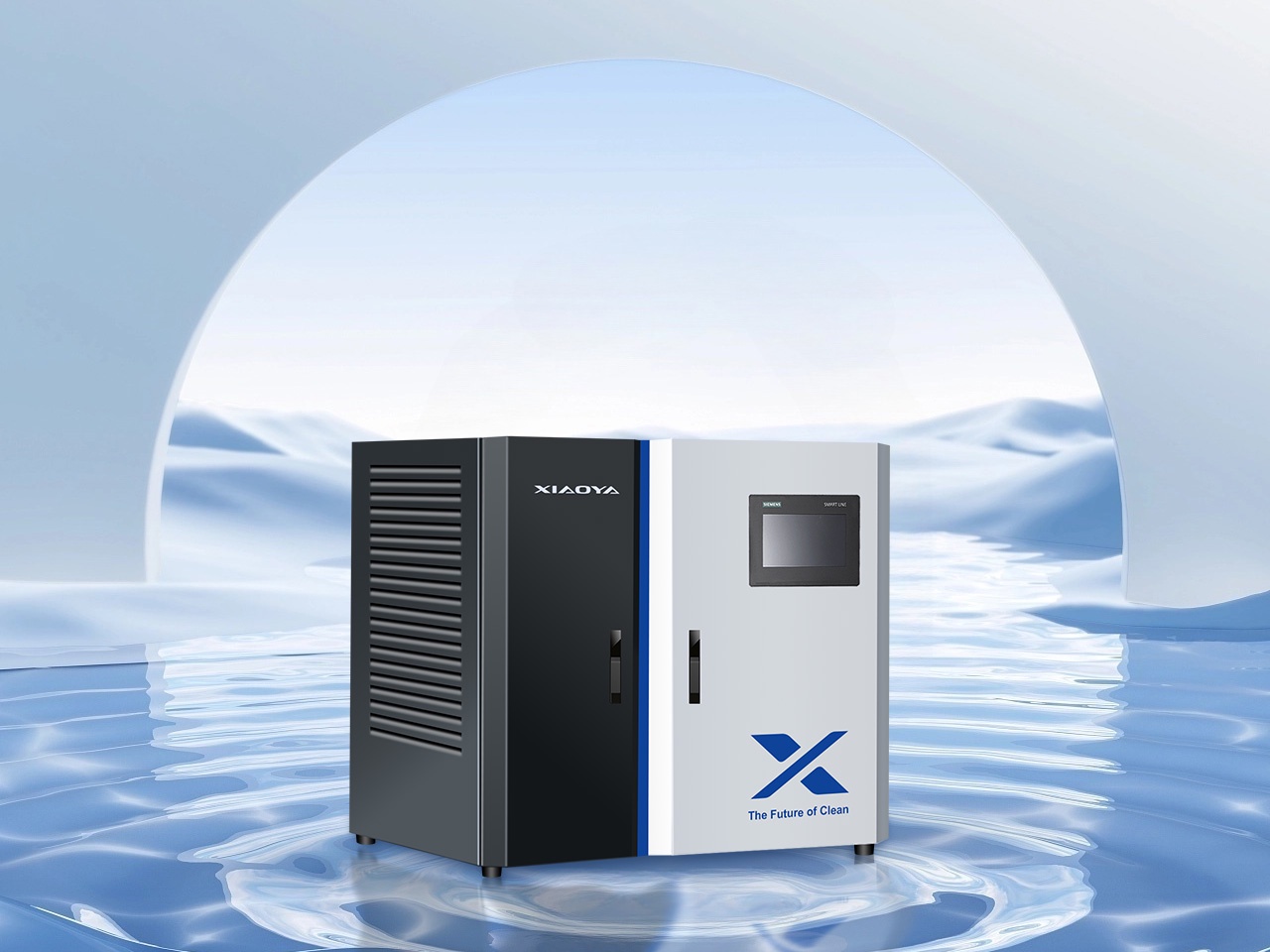
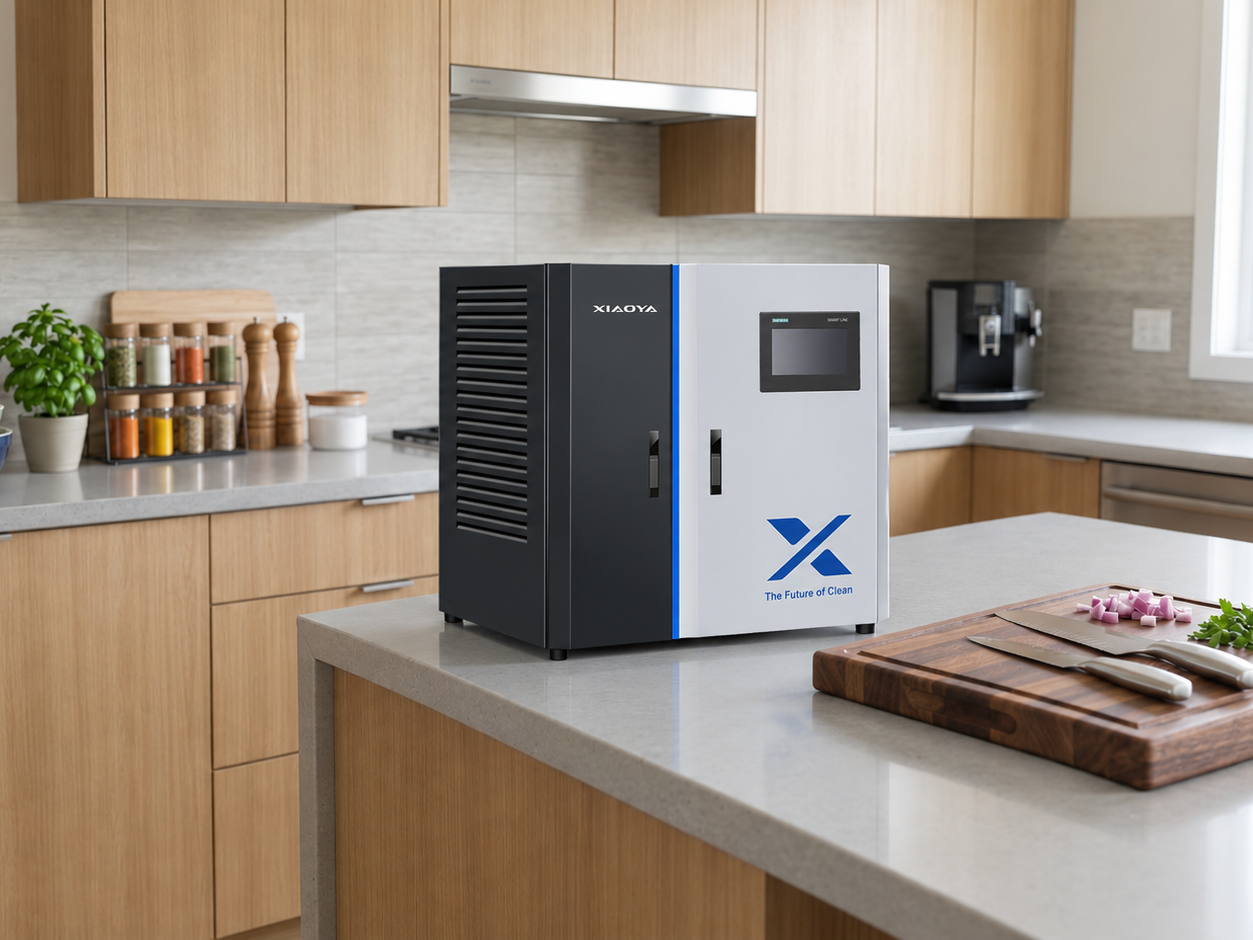
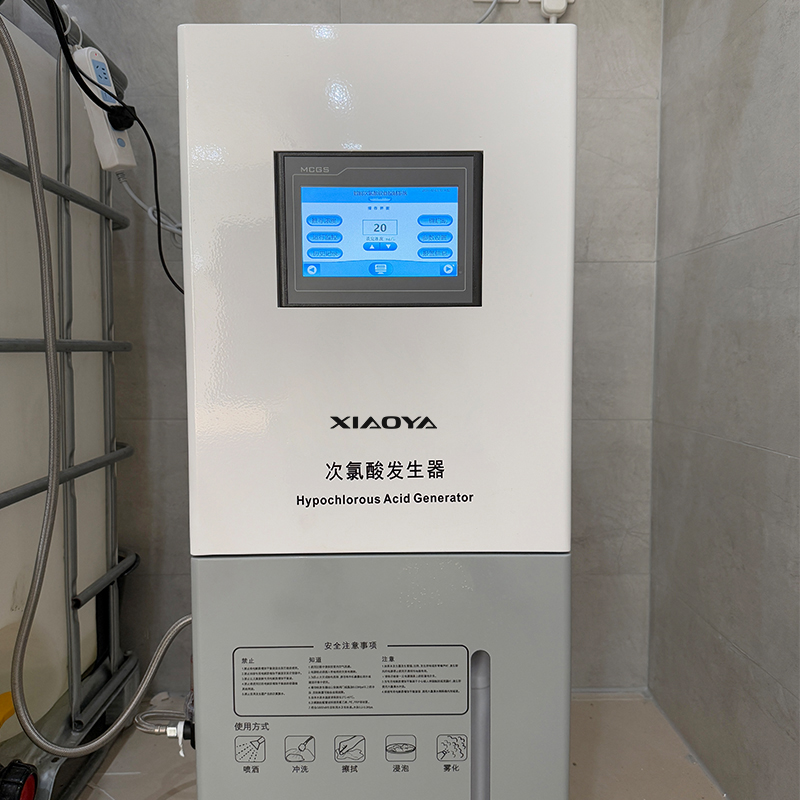
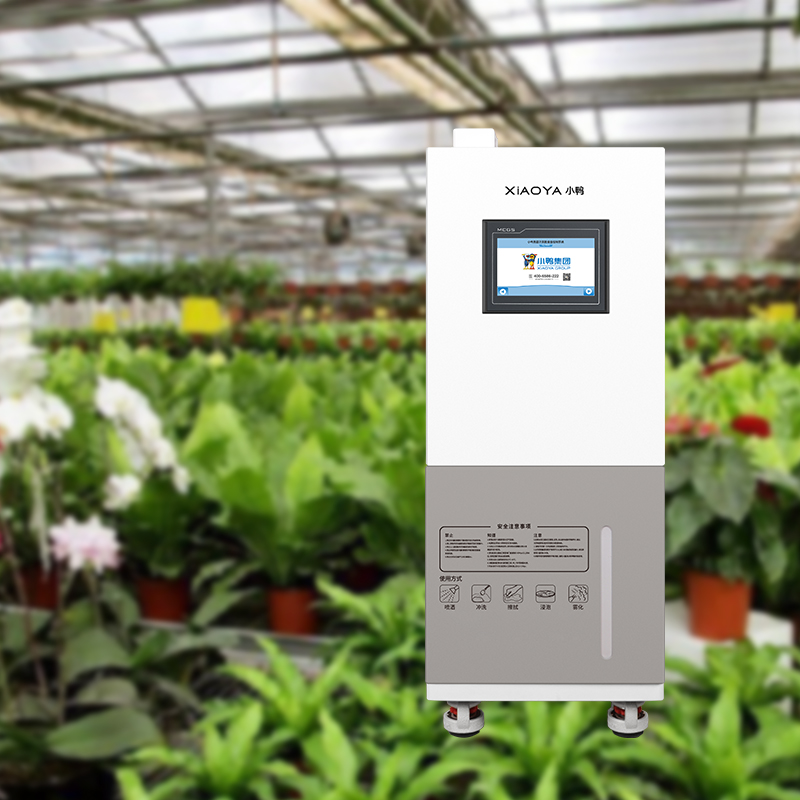
One option worth reviewing is the Pure Hypochlorous Acid (HClO) Electrolyzer.
It is positioned for disinfection and water treatment, with a cost-effective and efficient approach.
When comparing suppliers, build a simple cost checklist:
- Initial equipment and installation cost
- Expected output per unit of energy
- Consumable and water input cost
- Annual maintenance and spare parts budget
- Service response time and warranty coverage
This method makes vendor quotes far easier to compare fairly.
Evaluate the Supplier Behind the Equipment
A hypochlorous acid generator is only as reliable as the support behind it.
That is especially true for industrial buyers with strict uptime targets.
Look at the supplier’s manufacturing depth and technical responsiveness.
Companies that combine R&D, production, and operations often provide better long-term cooperation.
They usually understand customization, process matching, and after-sales follow-up more clearly.
Useful questions to ask include:
- Do they have proven industrial case references?
- Can they support commissioning and operator training?
- How fast can they deliver critical spare parts?
- Can they adapt solutions for future production changes?
From a risk perspective, supplier capability is part of the equipment decision itself.
Final Buying Checklist
Before placing an order, pause and review the full picture.
The best hypochlorous acid generator is not simply the biggest or the cheapest.
It is the one that matches demand, delivers stable HClO quality, and stays economical over time.
A practical final checklist should confirm:
- Application fit and real output needs
- Concentration consistency and system stability
- Material durability and maintenance workload
- Control integration and safety protection
- Total ownership cost and supplier support
If a model performs well in all five areas, it is usually worth serious consideration.
A careful review now can prevent expensive corrections later.
That is the smartest way to buy a hypochlorous acid generator for industrial use.
NEWS
 Next-Generation Hypochlorous Acid System Solution for Sterile Self-Service Laundromats Officially Released
- Upgrade in Healthy Living: Hypochlorous Acid Generators Become the New Standard for Luxury Villas
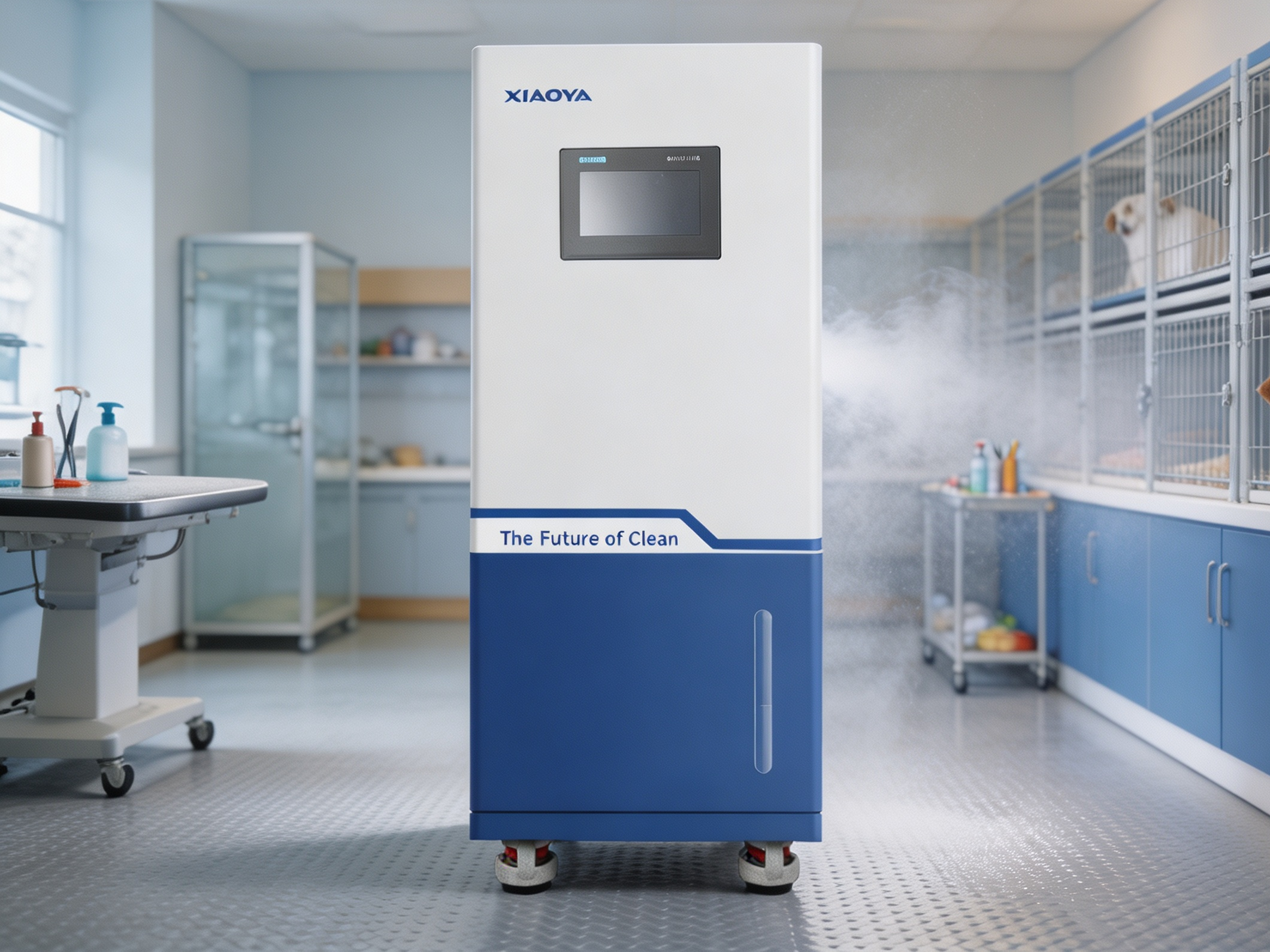
- The Ultimate Solution to Pet Shop Disinfection Challenges! XIAOYA Hypochlorous Acid Generator: Safe Pet Protection with Peace of Mind
 Hypochlorous Acid Generator vs Sodium Hypochlorite Generator
- Hypochlorous Acid Generator Supplier
Leave us a message

Xiaoya Group was founded in 1979,expert in the electrolyzed water industry.
Get in Touch
*We respect your confidentiality and all information are protected.