news
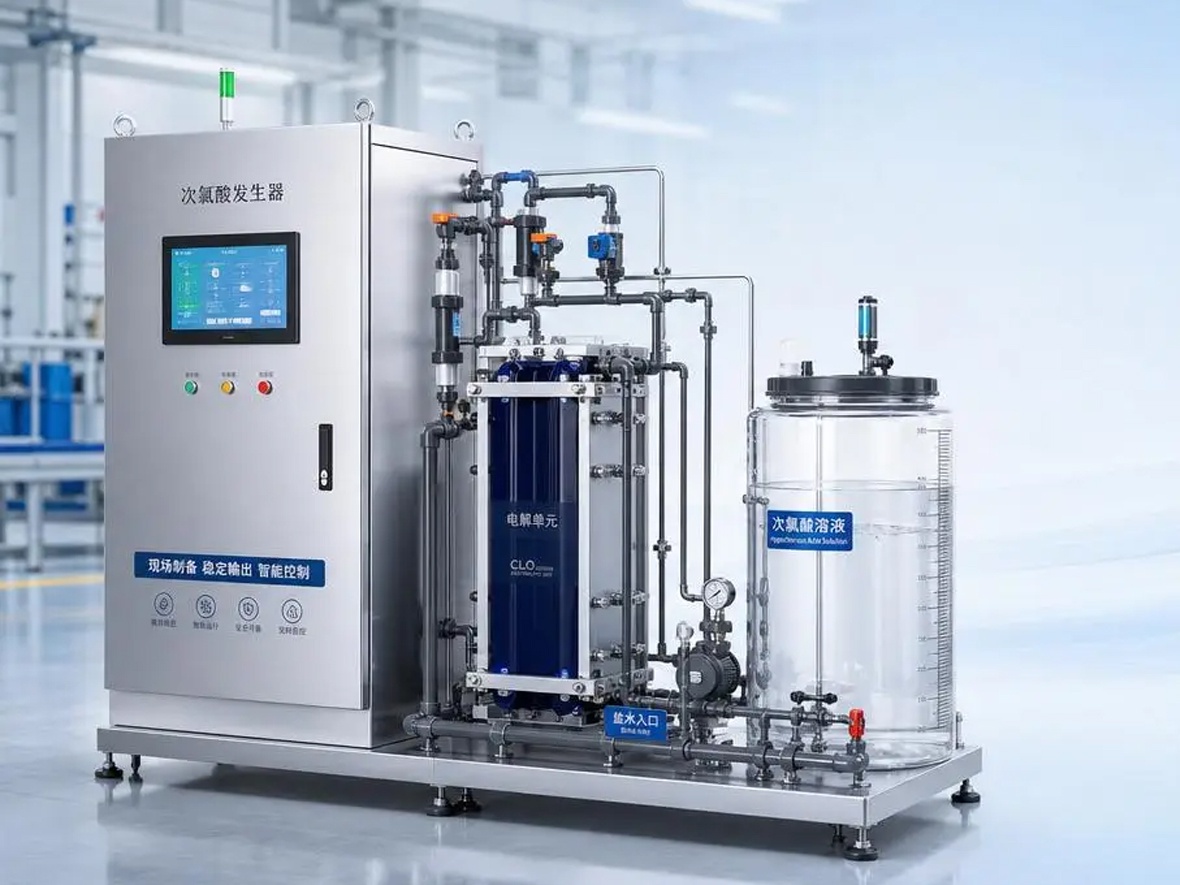
Why are more facilities asking about an HClO generator?
An HClO generator helps produce disinfectant on site instead of relying on frequent deliveries of chemical products.
That matters in hygiene-focused environments where stable supply, controlled concentration, and safer handling are all important.
In automation equipment and appliance manufacturing, this technology is gaining attention for a practical reason.
It connects sanitation needs with process control, repeatability, and lower waste during daily operations.
It is especially relevant in industries linked to kitchen and bathroom appliances, healthcare and disinfection devices, clean energy systems, and small household appliances.
In those sectors, an HClO generator is not just about cleaning. It supports product quality, workplace hygiene, and more standardized disinfection routines.
So, what is an HClO generator in simple terms?
An HClO generator is a device that makes hypochlorous acid through an electrochemical process, usually using water, salt, and electricity.
Hypochlorous acid is known for broad-spectrum disinfection and is widely discussed for surface, equipment, and environmental sanitation.
The key difference is location. Instead of buying ready-made disinfectant, the system produces it where it is needed.
That makes an HClO generator attractive for operations that value fast response, controlled output, and reduced chemical storage.
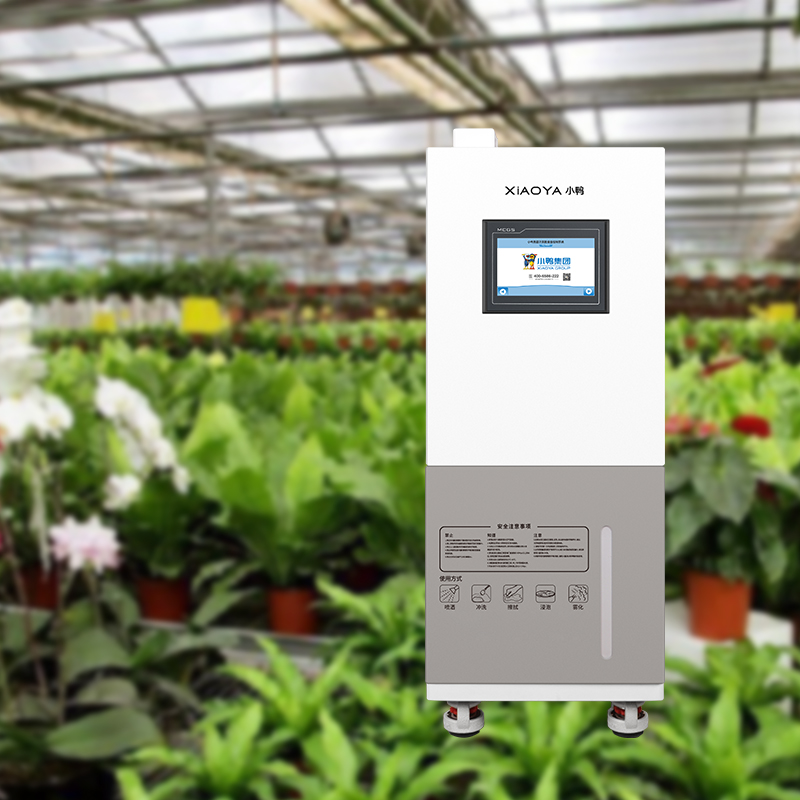
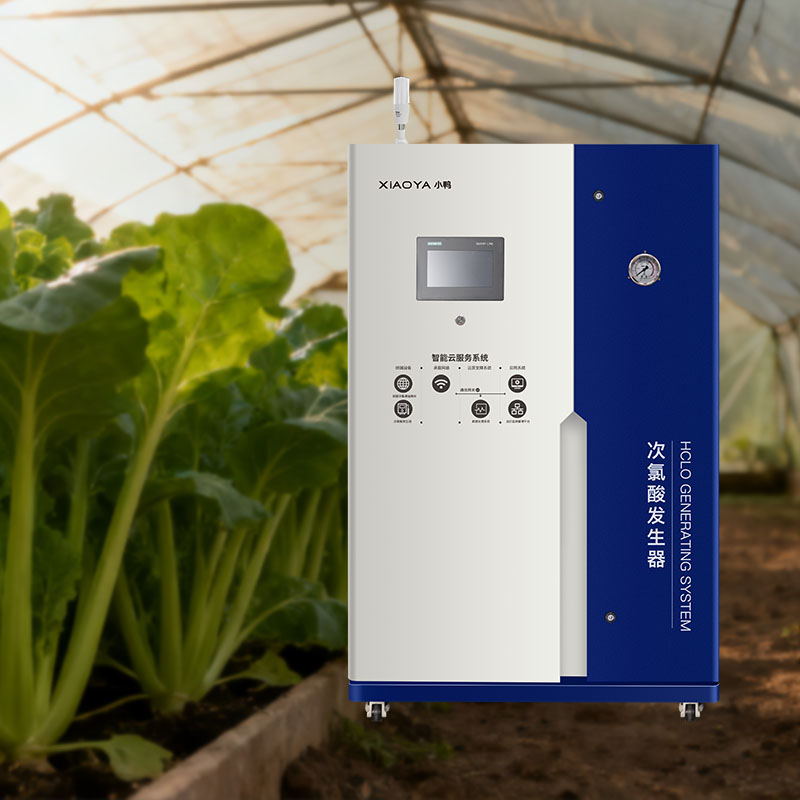
A typical system includes an electrolytic cell, water treatment unit, brine supply, control module, and dosing or storage section.
Some systems are compact and integrated. Others are built for continuous industrial use with automated monitoring.
How does an HClO generator actually produce on-site disinfectant?
The basic principle is electrolysis. A diluted salt solution passes through an energized cell, where chemical reactions create active disinfecting compounds.
When the process is controlled correctly, the output favors hypochlorous acid, which is valued for effective disinfection and practical usability.
In real applications, performance depends on more than switching the machine on.
- Water quality affects stability and electrode performance.
- Salt concentration influences reaction efficiency.
- Cell design shapes output consistency.
- pH and oxidation-reduction potential affect final disinfectant quality.
- Control systems determine whether production stays repeatable over time.
This is why many modern units include sensors, alarms, and automatic adjustment functions.
For automation equipment environments, those features matter because sanitation becomes part of a controlled process, not a manual side task.
A quick reference before choosing a system
A useful way to compare an HClO generator is to look at operating details rather than only output claims.
Where does an HClO generator fit best in real-world use?
The most common fit is any setting that needs repeated, predictable disinfection without complex chemical handling.
That includes public hygiene areas, appliance production lines, healthcare-related equipment environments, and sanitation support zones.
In kitchen and bathroom appliance manufacturing, an HClO generator can support cleaning of surfaces, tools, and certain production areas.
In healthcare and disinfection appliance development, it also helps with validation of hygiene routines and demonstration use.
Some businesses also explore it for service-oriented installations in schools, community facilities, transport nodes, and public buildings.
A practical example is Hypochlorous Acid Generator for Public Health (AQ-P1000), which reflects how this technology is positioned for continuous public hygiene needs rather than one-time cleaning.
What should be compared before deciding on an HClO generator?
The common mistake is comparing only price or nominal capacity.
A better approach is to compare process suitability, maintenance demands, and operating consistency.
An HClO generator should match the sanitation workflow, not just the room size or a brochure specification.
- Check whether concentration stays stable across long operating cycles.
- Review electrode life and replacement intervals.
- Confirm whether spare parts and technical support are available.
- Look at installation requirements, including drainage, power, and feed water conditions.
- Ask how output is verified and recorded for routine management.
For R&D, production, and operational environments, that last point is especially useful because traceability supports more disciplined hygiene control.
Are there any misunderstandings or implementation risks?
Yes, and they are usually operational rather than theoretical.
One misunderstanding is assuming all on-site generated solutions perform the same way. They do not.
Output quality depends on design, controls, water conditions, and maintenance discipline.
Another issue is ignoring storage and use timing. Even when disinfectant is produced on site, proper handling still matters.
More practical concerns include these points:
- Insufficient operator training can lead to unstable output.
- Poor water pretreatment may increase scaling or reduce cell life.
- Unclear application standards can cause overuse or underuse.
- Missing routine checks may hide concentration drift.
In other words, an HClO generator works best when equipment selection and operating rules are planned together.
What is a sensible next step if this technology looks relevant?
Start by mapping the real disinfection task.
Define where the solution will be used, how often production is needed, and what concentration range must be maintained.
Then compare systems based on water requirements, automation level, maintenance intervals, and verification methods.
If the application involves public hygiene or integrated sanitation planning, reviewing solutions such as Hypochlorous Acid Generator for Public Health (AQ-P1000) can help frame what a deployment standard should include.
The main takeaway is simple. An HClO generator is not just a disinfectant device.
It is part of a controlled sanitation system that can support hygiene, efficiency, and more sustainable operations when the fit is right.
That is why the best decisions come from comparing process needs, implementation conditions, and long-term operating discipline together.
NEWS
 Upgrade in Healthy Living: Hypochlorous Acid Generators Become the New Standard for Luxury Villas
- The Ultimate Solution to Pet Shop Disinfection Challenges! XIAOYA Hypochlorous Acid Generator: Safe Pet Protection with Peace of Mind
 Hypochlorous Acid Generator vs Sodium Hypochlorite Generator
- Hypochlorous Acid Generator Supplier
- Hypochlorous Acid Generator Manufacturer
Leave us a message

Xiaoya Group was founded in 1979,expert in the electrolyzed water industry.
Get in Touch
*We respect your confidentiality and all information are protected.