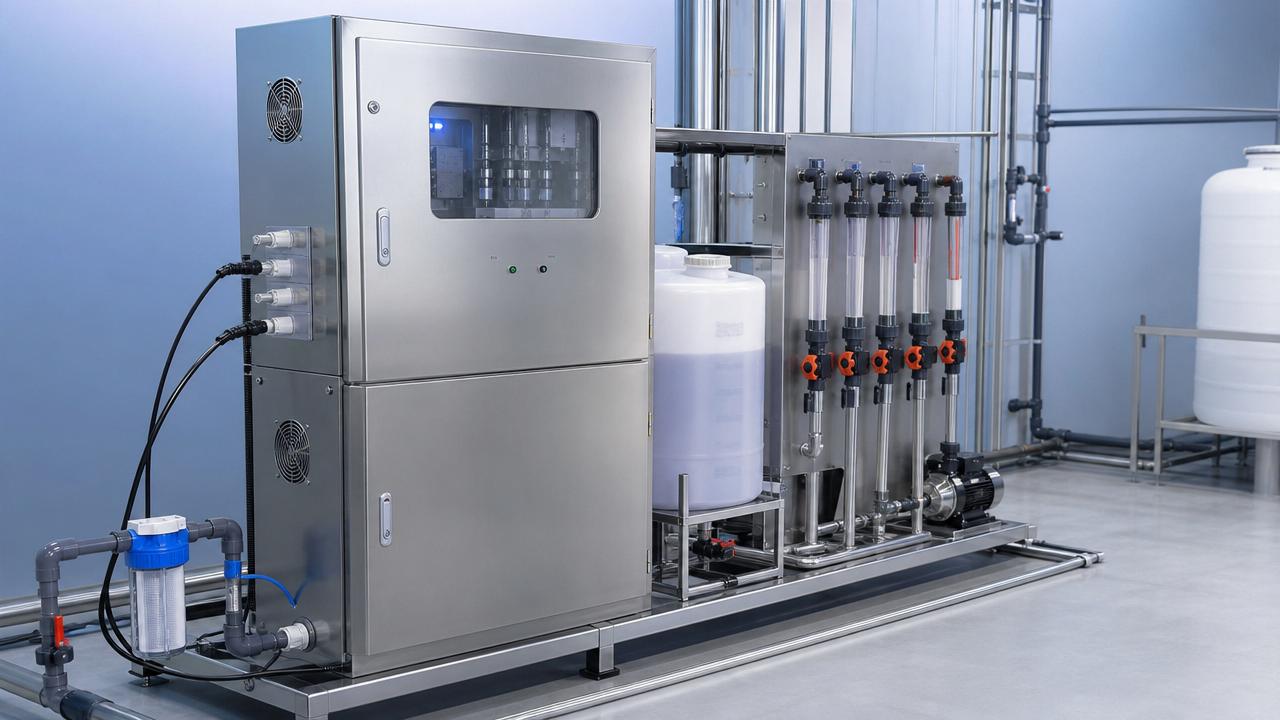
Installing a new hypochlorous acid (HClO) generator correctly is the first step toward safe, efficient, and reliable disinfection performance. Whether used in healthcare, home sanitation, or automated cleaning systems, proper setup helps maximize output, extend equipment life, and ensure stable operation.
In this step-by-step installation guide, you will learn the essential preparation, connection, and safety points needed to get your HClO generator running smoothly from day one.
What Users Need Most Before Installing an HClO Generator
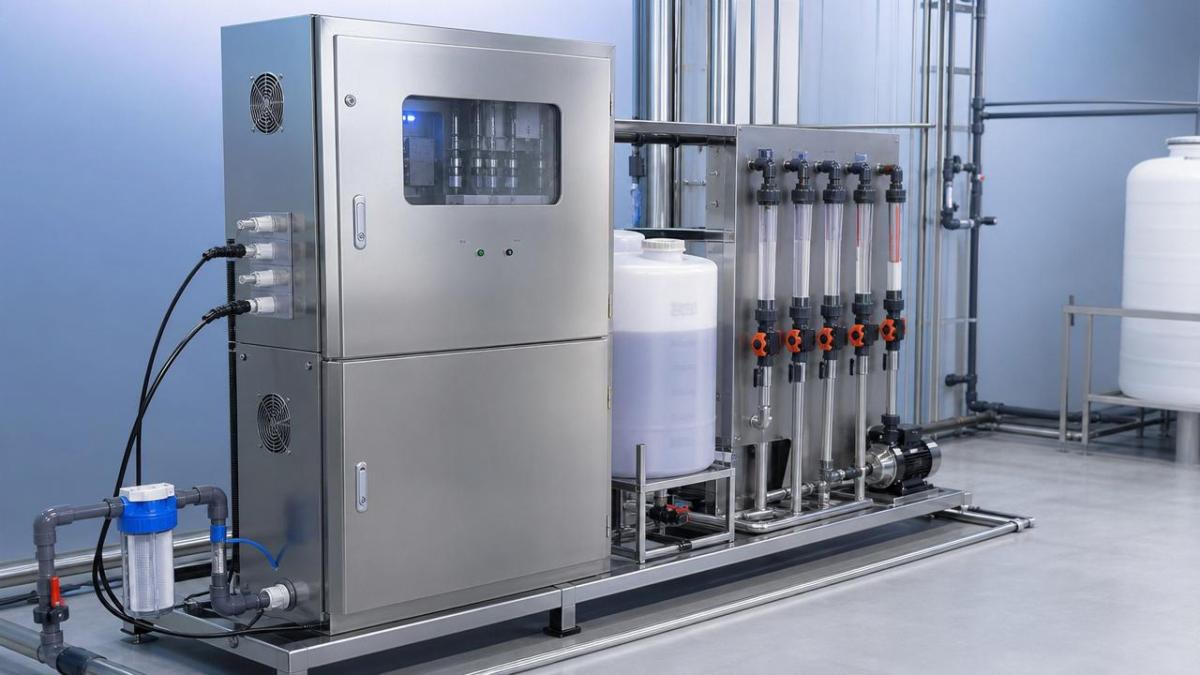
Most readers searching for an HClO generator installation guide want one thing: a safe setup that works correctly the first time. They are usually trying to avoid leakage, unstable output, poor disinfection performance, or premature equipment failure.
For operators, maintenance staff, and purchasing teams, the biggest concerns are practical. They want to know where to place the unit, what utilities are required, how to connect water and power, and which checks are necessary before startup.
If your application involves healthcare, sanitation, or automated equipment, installation quality directly affects output consistency. A correct setup also reduces downtime, protects the electrolyzer, and helps maintain the target effective chlorine concentration during operation.
Step 1: Confirm the Installation Environment
Start by checking the installation area. The generator should be placed on a stable, level surface with enough room for operation, maintenance, and ventilation. Avoid damp corners, direct heat sources, or places exposed to strong vibration.
Review the equipment size and handling needs before moving it into place. For example, one integrated water supply system model measures 1050×302×400 mm and weighs 55.8 kg, so the site should allow safe positioning and service access.
Make sure the surrounding environment supports daily maintenance. Operators should be able to inspect tubing, power connections, the electrolyte tank, and drainage paths without disassembling nearby equipment or moving other machines.
Step 2: Check Utilities Before Any Connection
Before connecting the generator, verify that the incoming power supply matches the rated electrical requirements. Many automated units operate on 220V~/50Hz, and using an unmatched supply can damage internal components or cause unstable startup.
Water quality and water pressure also matter. Since HClO production depends on electrolysis, inconsistent water input can reduce output quality, alter pH performance, and affect the final disinfecting result. Use clean water and follow manufacturer recommendations for pretreatment if required.
Next, check the electrolyte supply. If the unit includes an electrolyte tank, confirm capacity, fill level, and compatibility. A model with a 1 L electrolyte tank should be filled and secured correctly before first operation.
Step 3: Connect Water Inlet, Outlet, and Drainage Properly
Connect the water inlet first, ensuring that fittings are tight but not over-torqued. Use the correct hose diameter, sealing materials, and pressure range recommended by the equipment supplier to prevent leaks and flow instability.
Then connect the outlet based on your actual application. Some systems feed spray devices, storage containers, sanitation lines, or automated cleaning modules. The output route should be short, secure, and protected from contamination.
If your unit includes drainage or overflow management, connect that line carefully as well. Proper drainage protects the installation area and helps prevent corrosion, slipping hazards, and hidden water damage around the machine.
Step 4: Complete Electrical Connection and Safety Checks
Electrical installation should follow local safety codes and be handled by qualified personnel. Use a properly grounded outlet or dedicated circuit, especially in commercial or healthcare environments where stable operation is essential.
Before turning on the unit, inspect the power cord, connectors, switches, and protective devices. Confirm that there is no visible damage and that the machine is dry, secure, and isolated from accidental splashing.
Also verify that emergency shutdown access is clear. This is especially important when the generator is integrated into a broader automation system or installed in busy disinfection areas with multiple operators.
Step 5: Run the First Startup and Verify Output
Once water, power, and electrolyte connections are ready, power on the generator according to the operating sequence in the user manual. Do not rush the first startup, because early checks often reveal connection errors or flow problems.
Observe the machine during the initial production cycle. Check for unusual noise, warning indicators, unstable flow, or leakage. If available, confirm production performance against the rated range, such as 60–100 L/H output.
You should also verify disinfection quality indicators. For many HClO systems, a pH value around 5–6.5 and an effective chlorine concentration within the designed range, such as 10–120 mg/L, are key performance references.
Step 6: Protect Long-Term Reliability from Day One
Installation is not only about starting the machine. It is also about setting up conditions for stable long-term use. Good placement, correct utility matching, and careful first testing help protect critical components like the electrolyzer.
For example, an electrolyzer service life above 8000 hours can only be approached under suitable operating conditions. Poor water quality, wrong voltage, neglected cleaning, or repeated dry running may shorten equipment life significantly.
It is also smart to create a simple maintenance checklist after installation. Include inspections for tubing, scaling, electrolyte level, output consistency, and sanitation of any connected storage or delivery components.
How to Evaluate Whether the Installed System Fits Your Real Application
After installation, decision-makers should assess more than basic operation. Ask whether the unit delivers enough output for the actual disinfection workload, whether the concentration is stable, and whether operators can manage it efficiently.
In practical terms, a system should match both capacity and use scenario. If your process needs compact integration, controlled power consumption, and steady bactericidal performance using hypochlorite, the selected configuration should support those goals clearly.
When reviewing equipment options, technical data such as 410 W rated power, compact dimensions, and application-specific water supply design can help determine whether the generator fits home, medical, or automated sanitation environments.
Conclusion
A successful HClO generator installation is not complicated, but it does require attention to environment, utilities, safety, and startup checks. Getting these basics right helps ensure reliable disinfection performance and reduces preventable operating problems.
For buyers, operators, and facility teams, the best installation approach is practical and systematic: confirm site conditions, connect utilities correctly, test output carefully, and plan for maintenance from the beginning. That is how you turn a new generator into a dependable part of daily sanitation operations.
NEWS
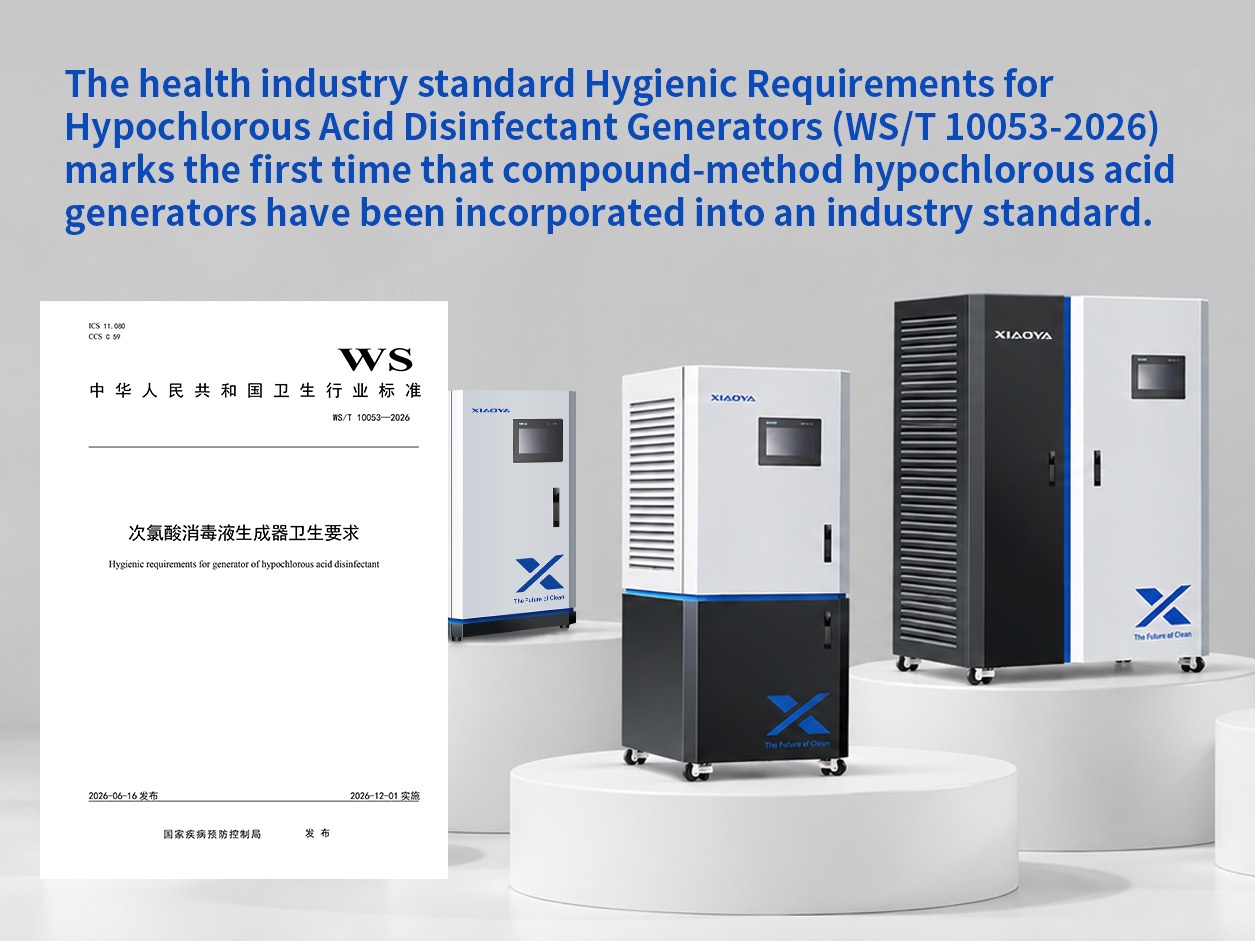
 WS/T 10053-2026 Includes the Compound Method for the First Time: Standard Signals and Market Opportunities for Mass Agricultural Production of Hypochlorous Acid Generators
 Evaluating HClO Generator Lifecycle Costs Beyond the Initial Equipment Price
 HClO Generator pH Control: Why It Determines Disinfection Performance
- Which Safety Features Matter Most When Buying an HClO Generator?
 Troubleshooting Low ORP Readings on a Hypochlorous Acid Machine
Leave us a message

Xiaoya Group was founded in 1979,expert in the electrolyzed water industry.
Get in Touch
*We respect your confidentiality and all information are protected.