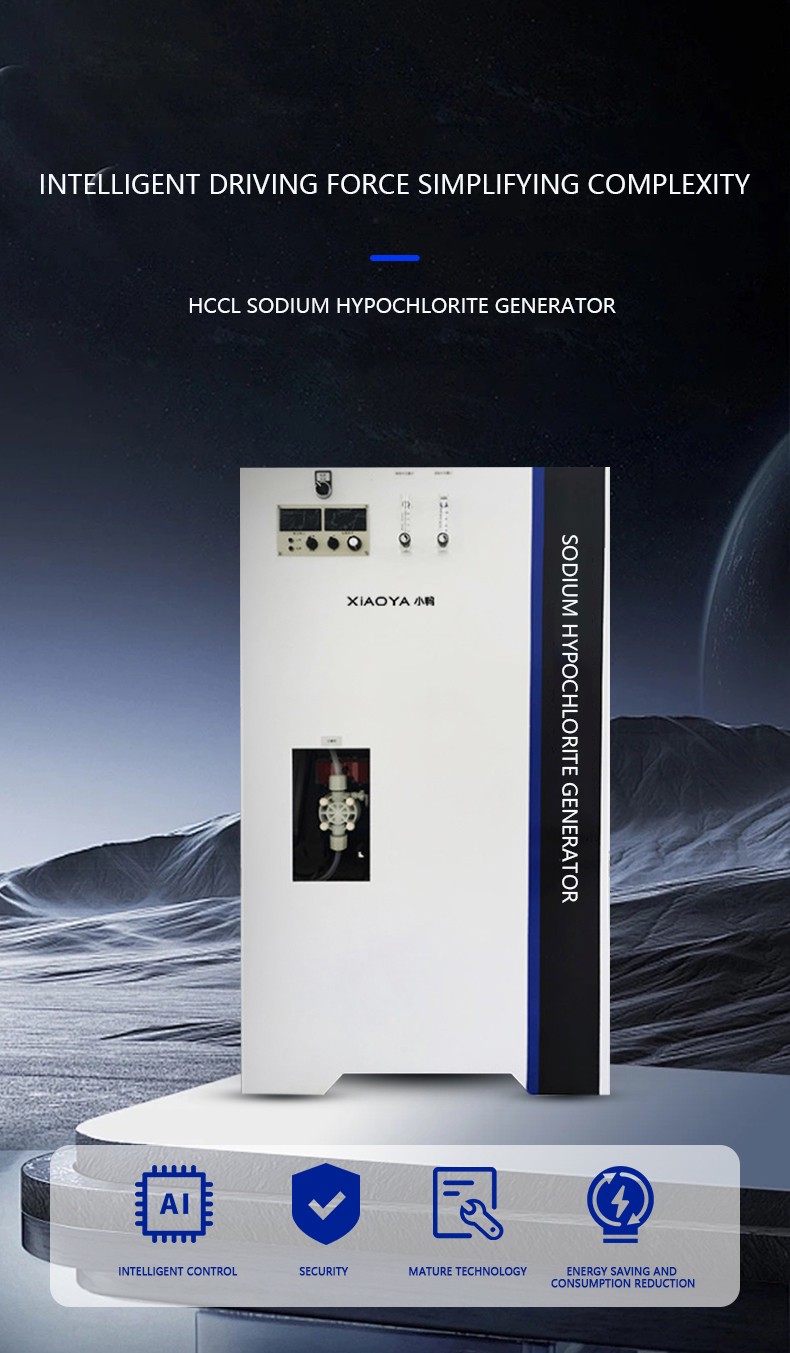
How do Hypochlorous Acid (HClO) Generators transform water, salt, and electricity into a powerful disinfecting solution? In the automation equipment industry, this electrolysis technology is gaining attention for its efficiency, safety, and wide application across healthcare, home appliances, and sanitation systems. This article takes a deep dive into how HClO generators work, explaining the core process, key components, and why they matter for modern disinfection and smart manufacturing.
For buyers, engineers, and project teams, the real question is not only how electrolysis works, but how to evaluate generator stability, output consistency, automation level, and integration value. In sectors such as medical disinfection, kitchen and bathroom appliances, and smart sanitation equipment, those factors directly affect operating cost, compliance, and deployment speed.
What an HClO Generator Does in Automated Disinfection Systems
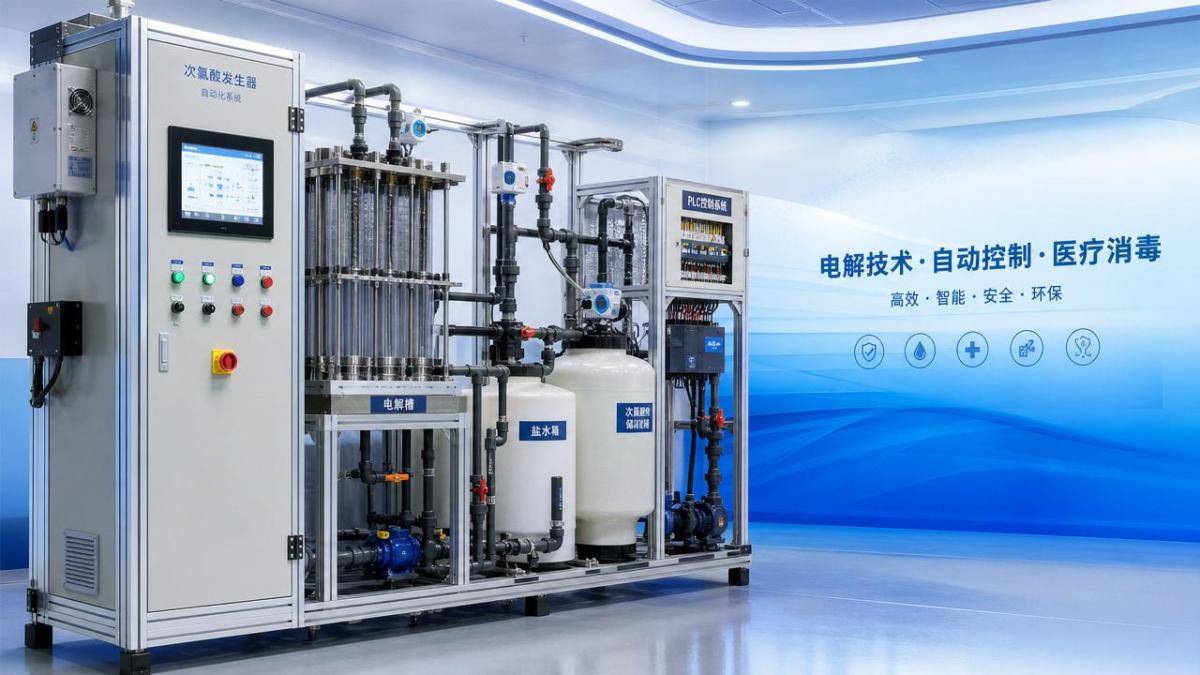
An HClO generator is an automated electrolysis device that converts diluted salt solution and water into hypochlorous acid water. The generated solution usually works within a controlled pH range, often close to weak acidity, because that is where hypochlorous acid shows strong antimicrobial activity with lower irritation risk.
In automation equipment, the value lies in repeatability. Instead of manually preparing disinfectant, the system controls water pressure, electrolyte concentration, current, and runtime through programmed logic. A properly designed unit can maintain output concentration within a target range such as 10–300 mg/L, which is important for hospitals, clinics, and disinfection appliance lines.
Why the Technology Matters
Compared with many conventional chemical dosing methods, on-site generation reduces transport, storage, and frequent replacement of packaged disinfectants. For manufacturing and facility operators, this means fewer handling steps, shorter replenishment cycles, and better process control across 2 to 4 key areas: safety, labor, hygiene consistency, and digital management.
Typical automation benefits
- Automated concentration control for repeatable disinfection performance
- Reduced manual mixing and lower operator intervention frequency
- Compatibility with remote monitoring, PLC systems, and IoT sensors
- Scalable deployment from single-room use to centralized supply points
The following table shows how HClO generators fit different automated application environments and what users usually evaluate first during procurement.
The key takeaway is that an HClO generator is not just a chemical device. In the automation equipment industry, it is a process control unit that must balance chemistry, electrical design, user interface, and operational reliability.
How Electrolysis Produces Hypochlorous Acid
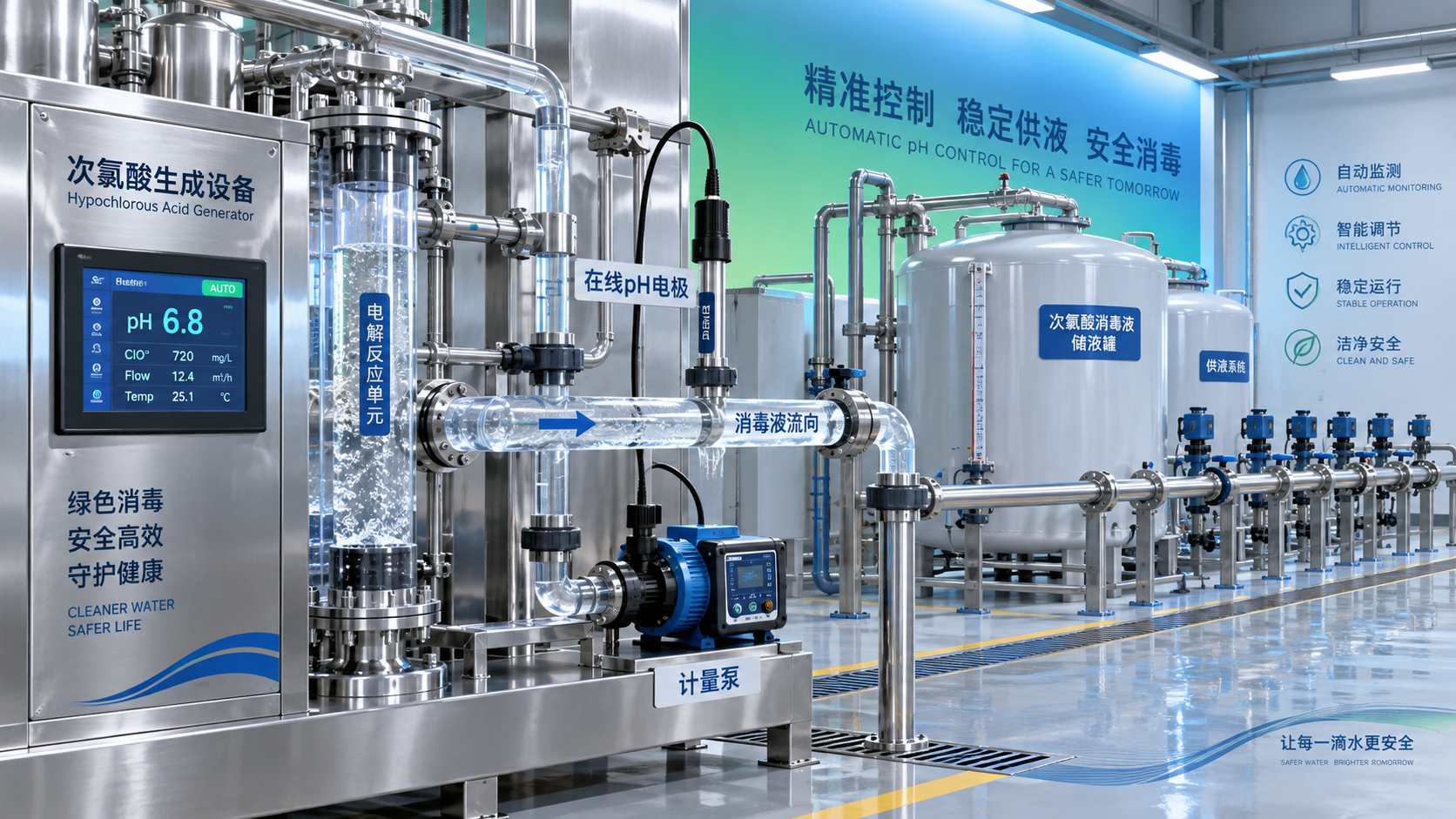
At the core of the system is an electrolyzer. The generator feeds softened or controlled-pressure water, adds a measured amount of electrolyte, and applies electrical current to the cell. During electrolysis, chloride ions participate in reactions that ultimately form available chlorine species. Under the right pH conditions, a higher proportion exists as hypochlorous acid.
The basic process in 4 steps
- Water enters the system at a stable pressure, often within 0.15–0.25 MPa.
- Salt or electrolyte is dosed into a mixing section or tank.
- The electrolyzer runs under controlled voltage, current, and time.
- The generated HClO solution is monitored for pH, ORP, and concentration before delivery.
Why pH and concentration control are critical
If the solution is too acidic or too alkaline, the proportion of active hypochlorous acid drops. That is why automated systems often use sensors for pH and ORP. In practical equipment design, keeping pH around weak acidity, such as 6.37 in one medical-grade configuration, helps improve disinfection effectiveness while preserving material compatibility and user safety.
Concentration must also match the task. Light surface sanitation may need lower available chlorine levels, while high-risk medical contact environments often require tighter process verification. Adjustable output from 10 mg/L to 300 mg/L gives integrators flexibility across 3 to 5 use cases without changing the full system architecture.
Key Components Buyers Should Evaluate
When sourcing an HClO generator for automated applications, component quality matters as much as chemical performance. Procurement teams should review the control platform, sensor package, cell durability, enclosure materials, and maintenance access. Weakness in any one of these areas can raise downtime risk over a 12- to 24-month operating window.
Critical modules inside the system
- Electrolyzer cell with defined service life, often a primary replacement item
- PLC-based control system for stable logic execution and alarms
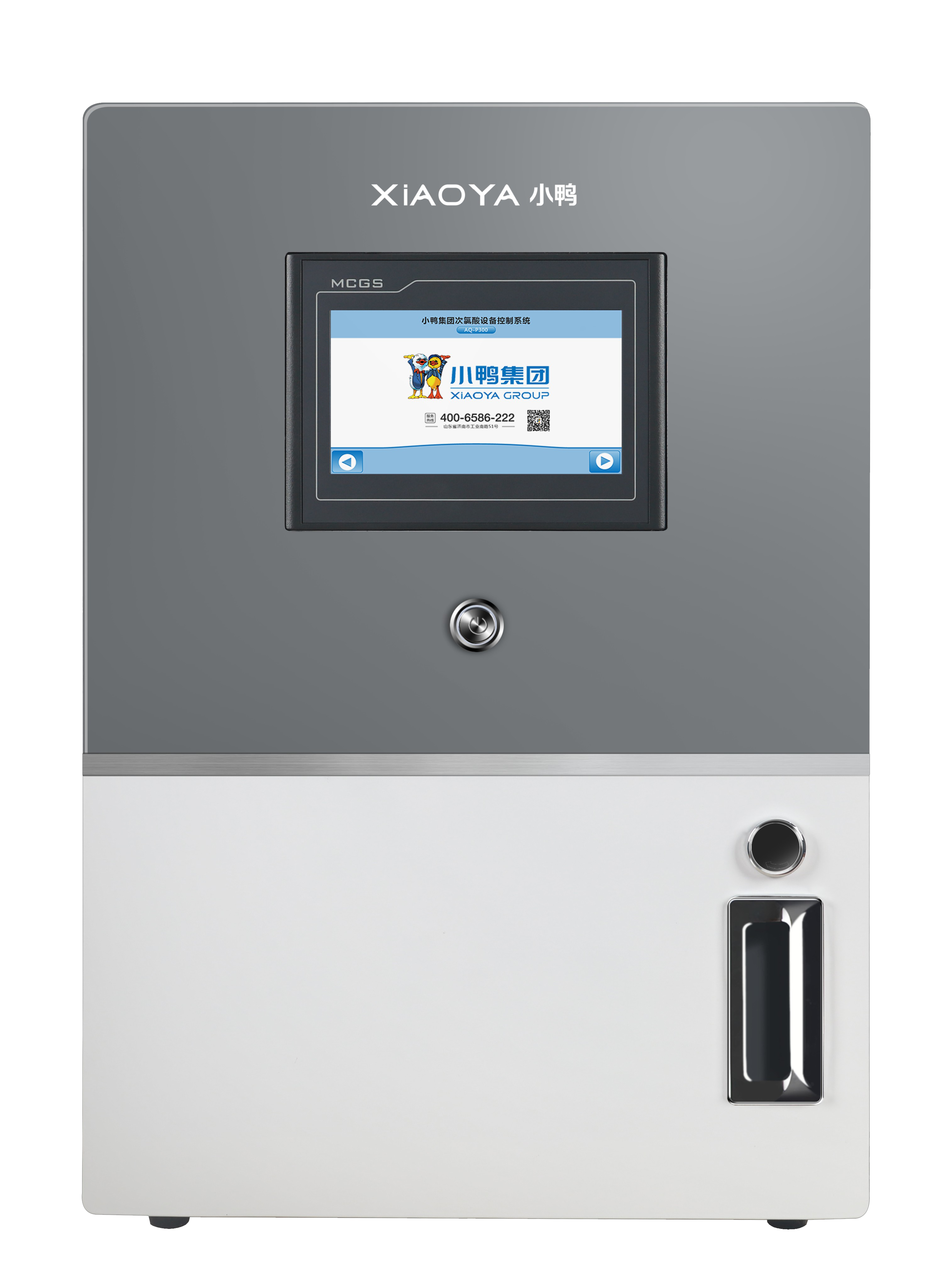
- Touchscreen HMI for parameter setting, records, and operator guidance
- ORP and pH sensors for output verification and feedback control
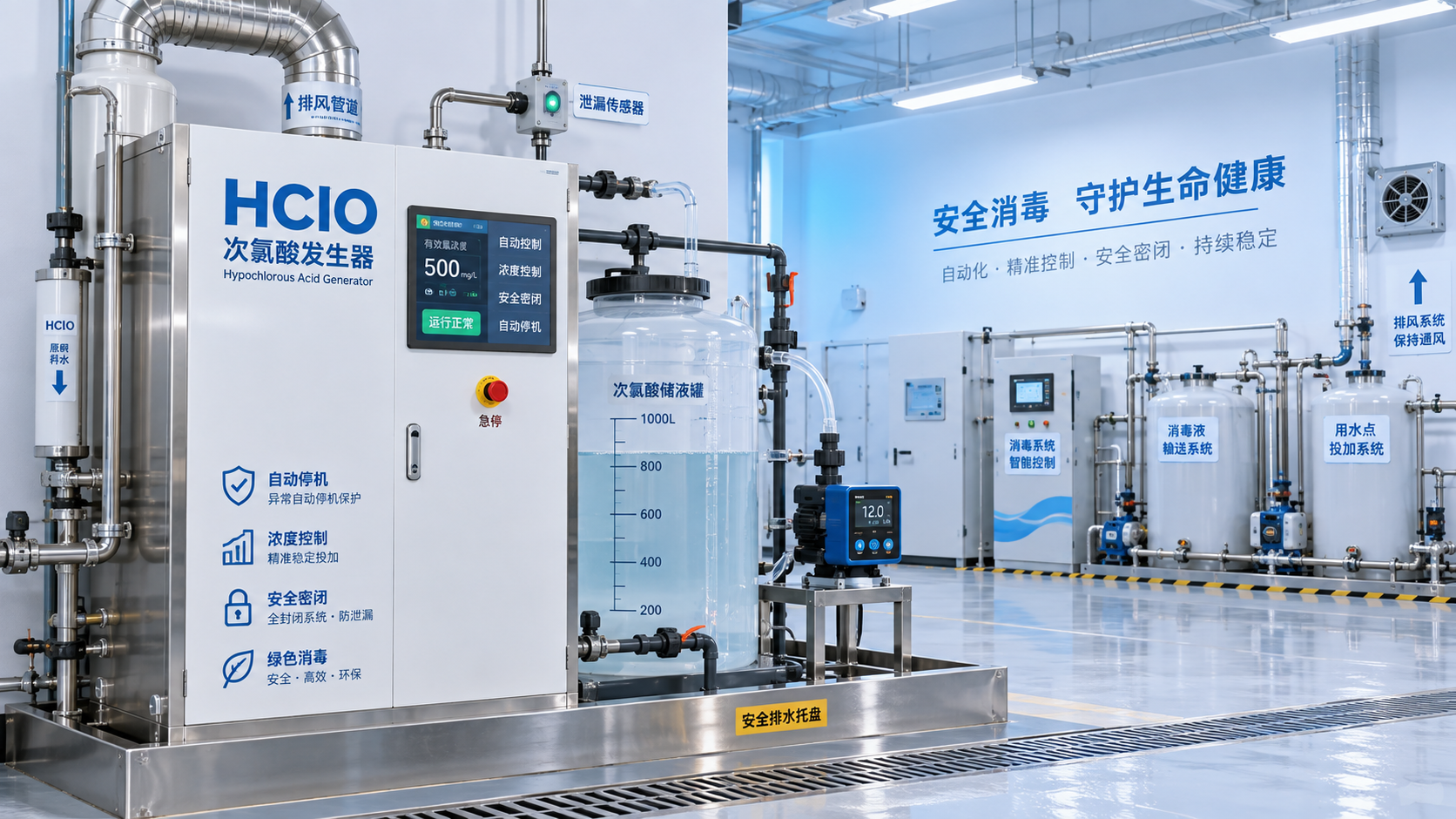
- Corrosion-resistant piping, valves, and fittings for long-term chemical contact
Below is a practical example of a medical-use configuration that illustrates what industrial buyers often compare when choosing equipment.
For healthcare projects, a system such as Hypochlorous acid generator for medical disinfection shows how automation features are increasingly expected: Siemens PLC control, touch-screen operation, optional 4G remote access, IoT connectivity, and sensor-based monitoring. These functions support not only disinfection output, but also daily management and service visibility.
Selection Criteria for Medical and Industrial Deployment
Choosing the right HClO generator requires more than checking output capacity. Buyers should compare 4 dimensions: chemical performance, automation depth, installation suitability, and maintenance burden. This is especially important in hospitals, rehabilitation centers, physical examination centers, and integrated appliance systems where uptime and simplicity both matter.
A practical selection checklist
- Confirm required concentration range and daily demand in liters.
- Check inlet water conditions, power supply, and installation space.
- Review whether pH, ORP, and remote monitoring are standard or optional.
- Estimate maintenance frequency based on electrolyzer life and consumables.
- Assess whether the output is free from unwanted by-products in the intended setup.
Common risks during evaluation
One common mistake is selecting a generator only by peak capacity. A 1000 L/h unit may be ideal for centralized medical disinfection, but oversized equipment can reduce operating efficiency if daily demand is much lower. Another risk is ignoring system integration. If the generator cannot communicate with upstream or downstream devices, users lose automation advantages that justify the investment.
Material compatibility also deserves attention. Corrosion-resistant and acid-alkali-resistant accessories are important because disinfectant contact points, sensors, and piping can degrade faster under poor material choices. In long-cycle operation, that may affect calibration stability, leakage risk, and service cost.
Implementation, Maintenance, and Long-Term Value
A well-designed HClO generation project usually follows 3 stages: requirement confirmation, installation and commissioning, then operating optimization. In many B2B environments, the timeline can range from several days for a standalone deployment to 2–4 weeks for a more integrated automation project involving sensors, remote communication, and piping coordination.
What good long-term operation looks like
The best-performing systems combine stable chemistry with low routine workload. Features such as automatic control, remote access by mobile phone or computer, and touch-screen interfaces reduce operator dependence. For medical teams, another important factor is solution quality: non-toxic, non-irritating, residue-free output is often preferred where environmental burden and user comfort are key concerns.
Maintenance recommendations
- Inspect sensor readings and alarms on a scheduled basis, such as weekly.
- Check electrolyte tank status and dosing accuracy before extended operation.
- Review electrolyzer condition based on actual runtime against the ≥ 3000 h reference.
- Confirm water pressure remains within the designed 0.15–0.25 MPa range.
For organizations seeking medical disinfection automation, the right generator can deliver broad-spectrum antimicrobial performance, operational safety, and lower manual effort in one platform. If you need a configurable solution for hospitals, clinics, or disinfection appliance integration, the Hypochlorous acid generator for medical disinfection is a relevant reference point for evaluating capacity, digital control, and deployment fit.
If you are planning an HClO disinfection project, now is the right time to review output targets, automation requirements, and site conditions together. Contact us to discuss product details, request a customized solution, or explore more automation equipment options for healthcare, sanitation, and smart appliance applications.
NEWS
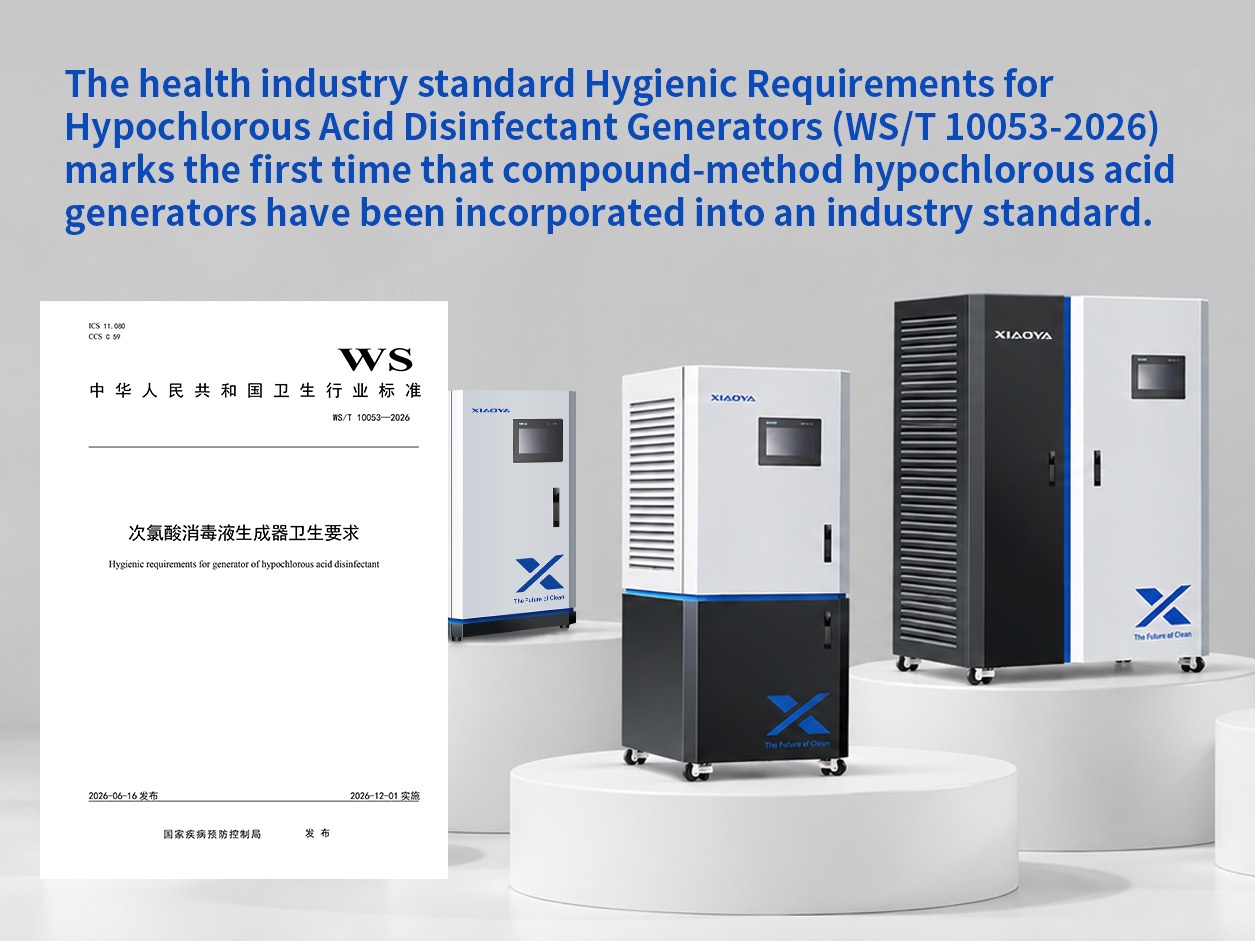
 WS/T 10053-2026 Includes the Compound Method for the First Time: Standard Signals and Market Opportunities for Mass Agricultural Production of Hypochlorous Acid Generators
 Evaluating HClO Generator Lifecycle Costs Beyond the Initial Equipment Price
 HClO Generator pH Control: Why It Determines Disinfection Performance
- Which Safety Features Matter Most When Buying an HClO Generator?
 Troubleshooting Low ORP Readings on a Hypochlorous Acid Machine
Leave us a message

Xiaoya Group was founded in 1979,expert in the electrolyzed water industry.
Get in Touch
*We respect your confidentiality and all information are protected.