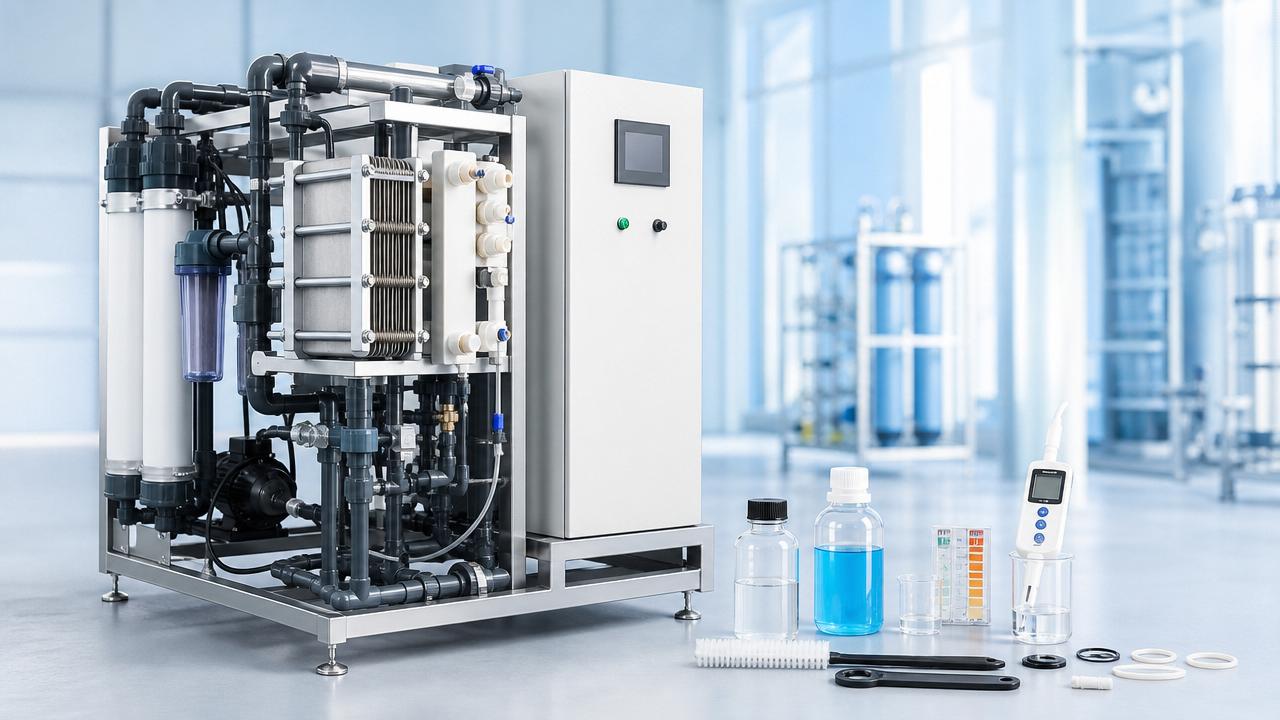
Keeping your hypochlorous acid (HClO) generators in top condition is essential for reliable disinfection, efficiency, and long-term value.
In automation equipment, good maintenance reduces downtime and supports stable output in healthcare, kitchen, bathroom, and household applications.
This guide explains how to maintain your hypochlorous acid (HClO) generators for safe operation, durable performance, and consistent disinfection results over time.
What daily checks keep hypochlorous acid (HClO) generators stable?
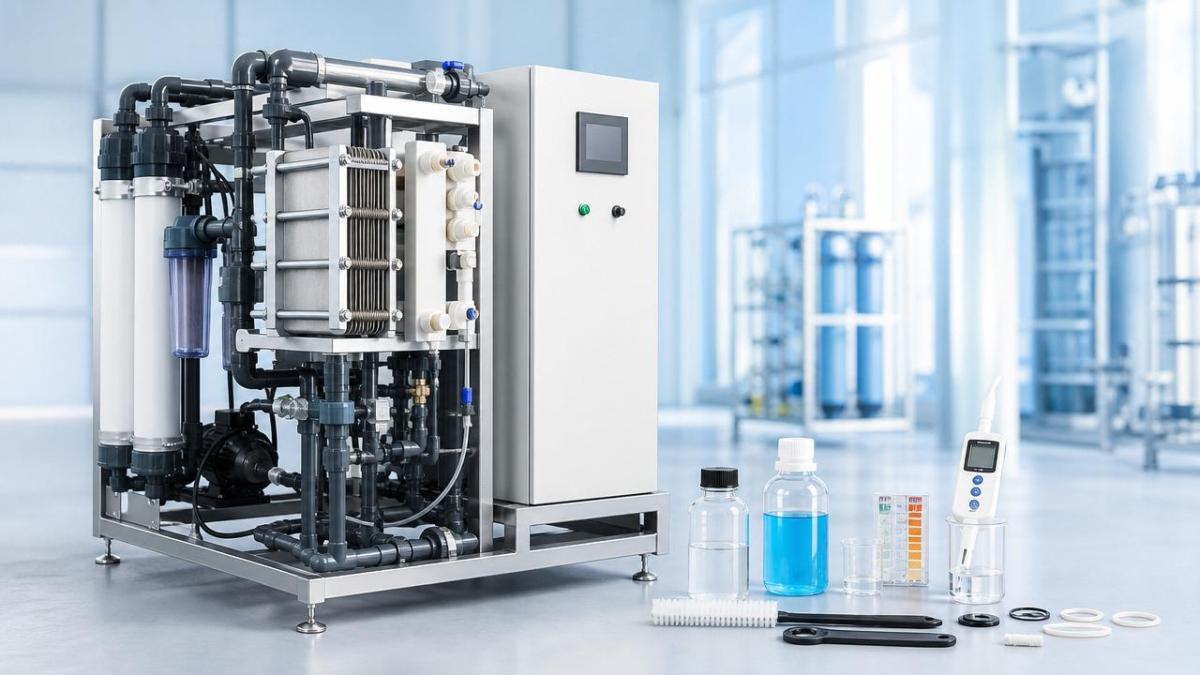
Start with a quick visual inspection before operation.
Check water lines, fittings, the electrolyte tank, and the control panel for leaks, residue, or warning indicators.
Confirm inlet water pressure stays within the recommended range.
Unstable pressure can affect HClO concentration, pH value, and production consistency.
Also verify that generated solution matches your target parameters.
- Check pH and available chlorine concentration
- Inspect cable connections and indicator lights
- Ensure ventilation openings remain unobstructed
- Clean splashes around the machine surface
How often should hypochlorous acid (HClO) generators be cleaned?
Cleaning frequency depends on operating hours, water quality, and electrolyte purity.
For most automation equipment setups, light cleaning should happen weekly, with deeper maintenance performed monthly.
Scale buildup on the electrolyzer reduces efficiency and may shorten component life.
Use manufacturer-approved cleaning steps only.
Avoid harsh chemicals that may damage electrodes, seals, or sensors.
After cleaning, run a short test cycle to confirm normal output and stable readings.
Which parts need the most attention for long-term performance?
The electrolyzer is the core component in hypochlorous acid (HClO) generators.
Its condition directly affects sterilization quality, energy use, and service continuity.
Pay close attention to the water inlet system, electrolyte tank, dosing paths, filters, and monitoring instruments.
If your application involves food processing, equipment reliability becomes even more important.
For example, Hypochlorous Acid Generator for Meat Product Disinfection and Fresh-keeping supports slaughtering, meat processing, and cold chain use.
Its AQ-P300-W model offers 160–300 L/h output, pH 5.0–6.5, and customizable 10–120 ppm concentration.
Regular checks help protect electrolyzer life, which can reach at least 5000 hours under proper conditions.
What common mistakes reduce HClO generator lifespan?
One common mistake is ignoring water quality.
Hard water or contaminated supply water can accelerate scaling and lower disinfection performance.
Another issue is running the equipment without routine calibration or output testing.
Poor records also create maintenance gaps.
Track cleaning dates, concentration results, pressure values, and component replacement intervals.
Do not overload the system beyond rated voltage, power, or designed production capacity.
How can maintenance planning lower cost and downtime?
Preventive maintenance is usually cheaper than emergency repair.
A simple schedule improves consistency and helps avoid unplanned shutdowns.
When should a professional service check be arranged?
Arrange a professional inspection when output drops, pH becomes unstable, or unusual noise appears.
Service support is also useful after long continuous operation or before peak disinfection seasons.
Certified review helps confirm electrical safety, dosing accuracy, and component wear.
This is especially important for systems used in sanitation, food safety, and automated production lines.
Proper maintenance keeps hypochlorous acid (HClO) generators efficient, reliable, and cost-effective.
Build a routine that covers inspection, cleaning, testing, and timely service.
If you need a stable disinfection solution for processing environments, compare technical specifications, application fit, and maintenance support before deployment.
NEWS
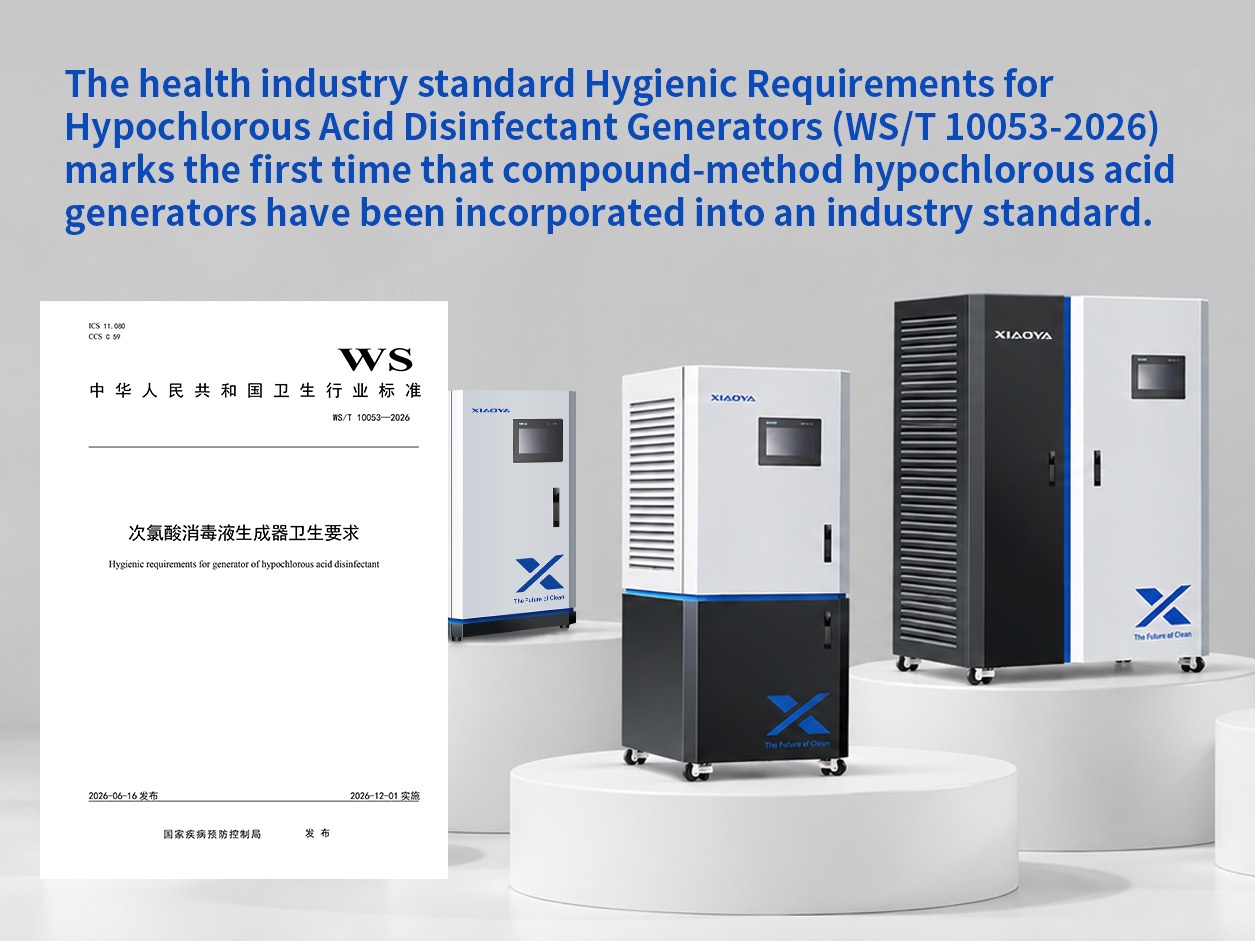
 WS/T 10053-2026 Includes the Compound Method for the First Time: Standard Signals and Market Opportunities for Mass Agricultural Production of Hypochlorous Acid Generators
 Evaluating HClO Generator Lifecycle Costs Beyond the Initial Equipment Price
 HClO Generator pH Control: Why It Determines Disinfection Performance
- Which Safety Features Matter Most When Buying an HClO Generator?
 Troubleshooting Low ORP Readings on a Hypochlorous Acid Machine
Leave us a message

Xiaoya Group was founded in 1979,expert in the electrolyzed water industry.
Get in Touch
*We respect your confidentiality and all information are protected.