news
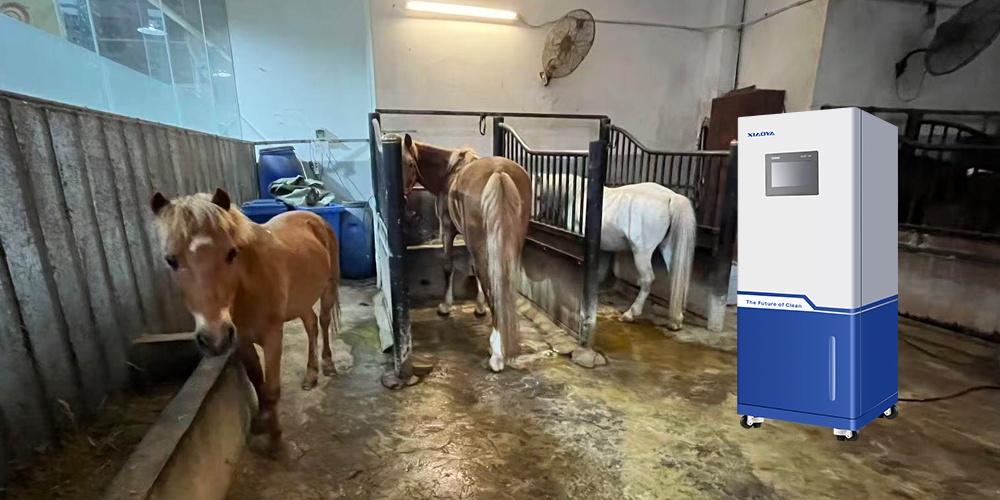
Animal husbandry disinfection is often treated as a routine cost, yet many plans overlook critical gaps that directly affect biosecurity, operating efficiency, and long-term return on investment. For business evaluators assessing automated equipment solutions, understanding these common blind spots is essential to judging whether a disinfection strategy can truly support stable production, compliance, and scalable performance in modern livestock operations.
Why scenario differences matter in Animal husbandry disinfection
In automated farming environments, Animal husbandry disinfection should never be evaluated as a single, fixed process. A breeder house with high stocking density, a hatchery with strict entry control, and a livestock transport corridor all face different contamination pathways, cleaning intervals, and equipment exposure conditions. When a disinfection plan ignores these scenario differences, even a technically acceptable solution can underperform in daily operation.
For business evaluators, the key issue is not only whether a disinfectant can kill pathogens, but whether the full system matches the operating rhythm. In many facilities, disinfection must fit 2 to 4 cleaning cycles per day, variable water quality, and 8 to 16 hours of continuous equipment use. A plan that looks economical on paper may create hidden labor costs, unstable dosing, or downtime if it is not designed around the actual application scene.
This is especially relevant in the automation equipment sector, where R&D, production, and operational integration affect solution reliability. Enterprises with capabilities across health care and disinfection appliances, clean energy, and small household appliance manufacturing often bring stronger process control and product engineering discipline. That matters when evaluators are comparing stable output, service life, and practical integration with farm workflows rather than only comparing purchase price.
Common evaluation dimensions by scenario
Before looking at specific blind spots, it helps to define what changes across scenarios. The same Animal husbandry disinfection target can demand very different automation logic depending on facility type, herd turnover, and sanitation method.
- Contact mode: soaking, spraying, foaming, misting, or line flushing.
- Execution frequency: hourly, per shift, daily, or between production batches every 7 to 30 days.
- Automation need: manual support, semi-automatic dosing, or fully linked control with pumps and sensors.
- Risk tolerance: routine hygiene control versus outbreak-response level sanitation.
Three common application scenarios where blind spots appear
Animal husbandry disinfection plans usually fail not because the idea is wrong, but because the scenario is misread. The table below highlights how evaluation priorities shift across three typical operational environments.
For evaluators, this comparison shows why a generic vendor proposal can be misleading. In a breeding house, a plan may need stable low-to-medium concentration output over long periods, while transport sanitation often depends on fast-response spraying within a 3 to 10 minute operating window. Treating these conditions as identical usually produces weak return on automation investment.
Scenario 1: breeding houses
The most common blind spot in breeding houses is poor separation between cleaning and disinfection. When manure residue, feed dust, or biofilm are not removed first, the selected chemistry may lose efficiency before reaching target surfaces. In practice, this means the system should be judged on cleaning compatibility, dosing stability, and repeatability across 500 to several thousand square meters.
Another issue is overreliance on manual dilution. If concentration adjustment depends on operator experience, output consistency can vary significantly by shift. Automated generation and delivery are usually more valuable where labor turnover is high or where 24-hour operations require repeatable sanitation control.
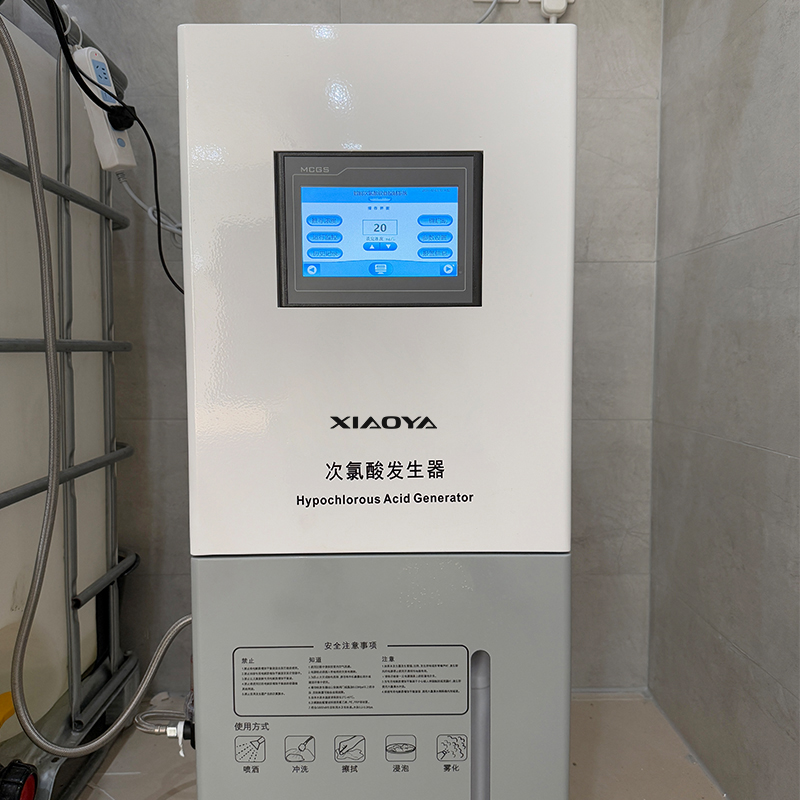
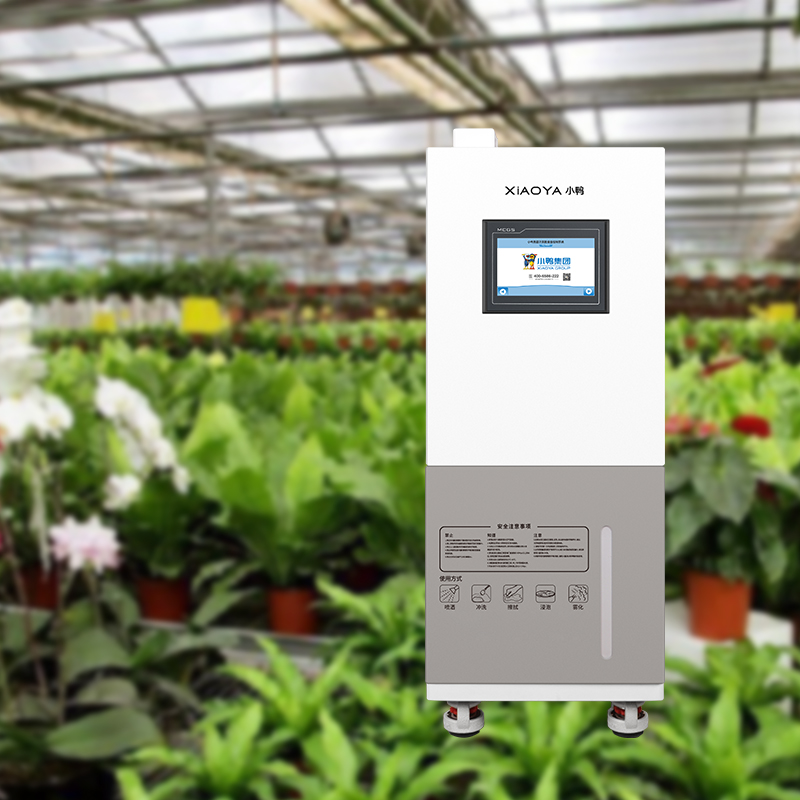
A practical reference from adjacent agricultural sanitation applications is the use of on-site hypochlorous acid generation. For example, Hypochlorous Acid Generator for Fruit Fresh-keeping demonstrates how slightly acidic hypochlorous acid water can be generated through electrolysis with output in the 120 to 300 L/h range, pH 5.0 to 6.5, and effective chlorine concentration of 10 to 200 mg/L. While designed for produce-chain sanitation, this kind of automation logic helps evaluators understand what stable, adjustable, residue-conscious disinfection delivery looks like.
Scenario 2: hatchery and nursery operations
In hatchery or nursery environments, sensitivity is higher and tolerance for residue or harsh exposure is lower. Here, blind spots often appear when buyers select only for kill rate claims without asking how the process affects tool turnover, confined-space use, and repeated daily contact with trays, carts, and small equipment.
Business evaluators should check whether the system supports fine atomization, low-corrosion operation, and manageable replenishment cycles. A rated power level around several hundred watts may be acceptable for localized sanitation nodes, but utility availability, water inlet pressure, and maintenance intervals should be reviewed before approval.
The blind spot here is not under-disinfection alone. It is process mismatch: using a method designed for coarse washdown in a setting that requires frequent, controlled treatment of touchpoints every few hours. That mismatch can increase both sanitation risk and equipment wear.
What evaluators should compare across automation solutions
When comparing Animal husbandry disinfection solutions, price per unit is too narrow. The more useful comparison is lifecycle suitability: output stability, maintenance burden, operator dependence, and adaptation to real site conditions over 12 to 36 months.
Key decision factors
The following table can help evaluators structure a more complete review, especially when disinfection equipment must integrate with existing cleaning stations, transport lines, or centralized utility systems.
A disciplined evaluation also looks at whether the solution can scale from a single sanitation point to multiple nodes. For instance, if a core component has a service life of at least 3,000 hours, that may be acceptable for moderate-duty applications, but the replacement workflow still needs to be reviewed against production calendars and farm access constraints.
Checklist for avoiding common blind spots
- Confirm whether the plan distinguishes between cleaning, sanitizing, and terminal disinfection stages.
- Check if concentration and application mode can be adjusted by area, not only by site.
- Verify the actual daily operating duration and peak-hour demand, not just nominal capacity.
- Review operator workload, refill frequency, and training needs within the first 30 to 90 days.
These checks are especially useful when Animal husbandry disinfection is part of a broader automation upgrade rather than a stand-alone purchase. A technically sound device can still become a weak link if the process around it remains manual and inconsistent.
Frequent misjudgments in scenario adaptation
One recurring misjudgment is assuming that stronger chemistry always means stronger control. In reality, many facilities need balanced performance: pathogen reduction, material compatibility, operator practicality, and manageable residue profile. For this reason, evaluators increasingly review generation methods, pH range, and deployment flexibility alongside traditional sanitation criteria.
Another blind spot is copying a food-processing or cold-chain sanitation setup into livestock use without adaptation. Some technologies translate well in terms of automated generation and application control. For example, the Hypochlorous Acid Generator for Fruit Fresh-keeping is applied across planting bases, processing workshops, cold storage, logistics links, and wholesale environments through soaking, spraying, and atomization. The lesson for livestock projects is not direct substitution, but the importance of matching one solution to multiple operational nodes with clear parameter control.
A third misjudgment is underestimating installation and operating conditions. Even compact units with dimensions around 500 × 510 × 1500 mm and standard 220V/50Hz supply still require site planning, water pressure control in the 0.15 to 0.25 MPa range, drainage considerations, and maintenance access. Ignoring these basics can delay commissioning and weaken the expected benefits of Animal husbandry disinfection automation.
How to move from generic plans to fit-for-site decisions
For business evaluators, the strongest Animal husbandry disinfection plan is the one that reflects the site’s actual scenarios: animal flow, worker movement, sanitation frequency, and available utility conditions. This usually means asking for a parameter-based proposal rather than accepting a standard catalog recommendation.
If your project involves automated sanitation equipment, the most useful next step is to review scenario-specific inputs such as application area, target output, concentration range, operating hours, and maintenance expectations. These factors determine whether a solution should prioritize centralized generation, distributed use points, or flexible mobile deployment.
Why choose us: we understand that evaluation decisions are rarely based on one parameter alone. Our business integrates R&D, production, and operation across disinfection appliances and related automated equipment fields, allowing us to support practical discussions on parameter confirmation, product selection, delivery cycle, customized solutions, certification-related requirements, sample support, and quotation communication. Contact us to discuss which disinfection setup best fits your livestock scenario and how to reduce hidden risk before procurement moves forward.
NEWS
 Next-Generation Hypochlorous Acid System Solution for Sterile Self-Service Laundromats Officially Released
- Upgrade in Healthy Living: Hypochlorous Acid Generators Become the New Standard for Luxury Villas
- The Ultimate Solution to Pet Shop Disinfection Challenges! XIAOYA Hypochlorous Acid Generator: Safe Pet Protection with Peace of Mind
 Hypochlorous Acid Generator vs Sodium Hypochlorite Generator
- Hypochlorous Acid Generator Supplier
Leave us a message

Xiaoya Group was founded in 1979,expert in the electrolyzed water industry.
Get in Touch
*We respect your confidentiality and all information are protected.