




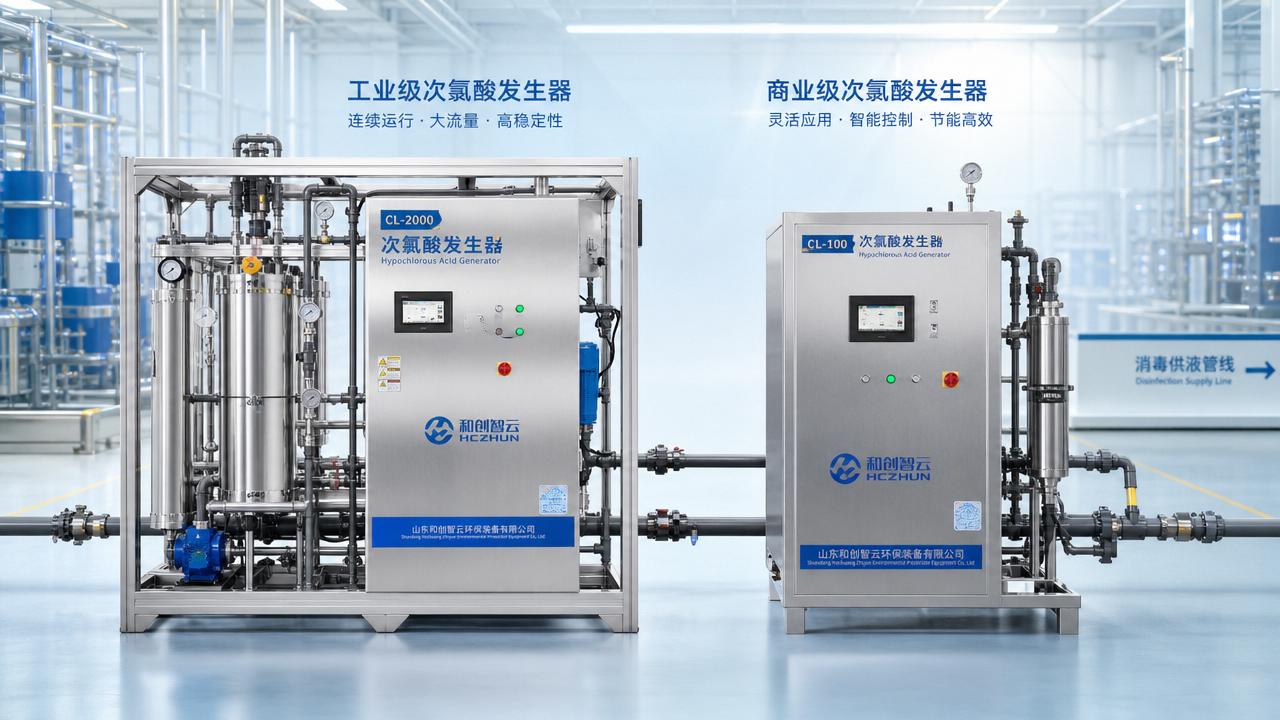
When choosing between industrial and commercial hypochlorous acid (HClO) generators, the right solution depends on your application scale, compliance needs, and automation goals. For businesses in disinfection, health care, and appliance manufacturing, understanding these differences is essential to improving efficiency, safety, and long-term operating value. This guide helps you identify which HClO generator best fits your production or facility requirements.
How are industrial and commercial HClO generators different in real operations?
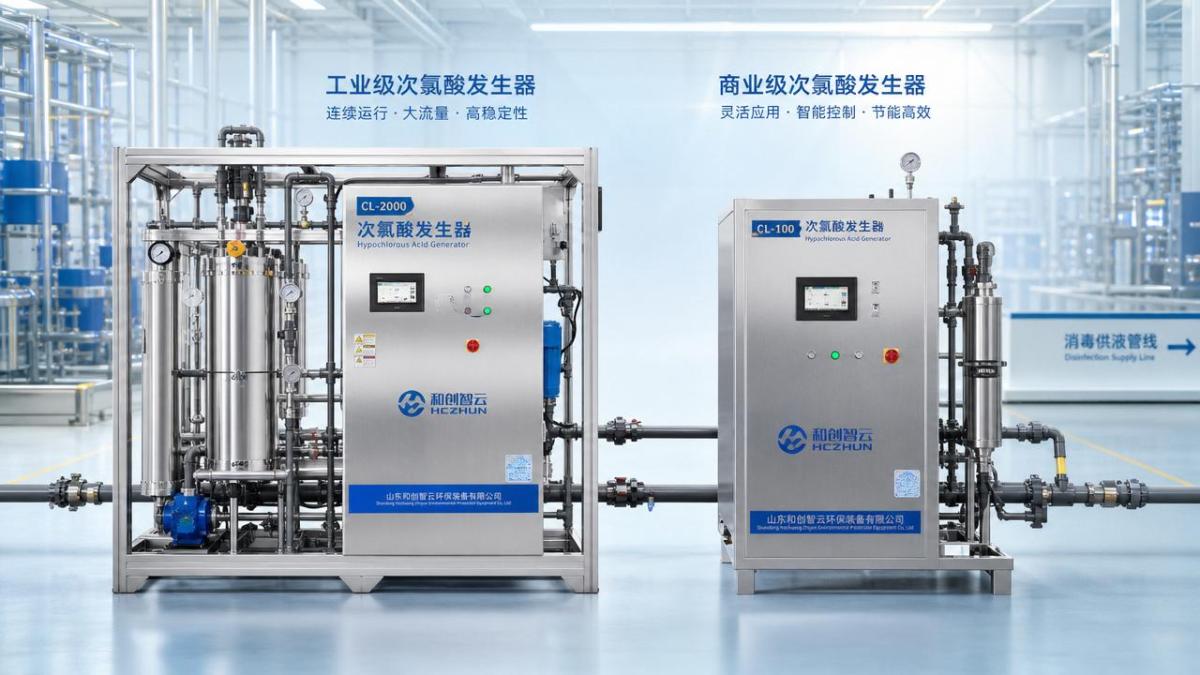
In the automation equipment sector, the difference is not just output volume. It includes control logic, duty cycle, sensor integration, dosing stability, remote monitoring, and how well the system fits a production line or a facility sanitation process.
Commercial HClO generators usually serve hotels, clinics, restaurants, office buildings, and medium-size service environments. Industrial HClO generators are built for heavier workloads, longer runtimes, broader pipe networks, and stricter process consistency.
For manufacturers involved in kitchen and bathroom appliances, health care and disinfection appliances, clean energy systems, and small household appliances, generator selection often links directly to product integration, factory hygiene, and automation compatibility.
- Commercial systems are often chosen for point-of-use disinfection, lower daily water demand, and simpler deployment.
- Industrial systems are preferred when the application requires continuous production, centralized supply, or integration with PLC-based control architecture.
- In regulated environments, stable pH and available chlorine output matter more than headline capacity alone.
Industrial vs. commercial HClO generator comparison for buyers
The table below helps procurement teams compare industrial and commercial hypochlorous acid generators using decision points that matter in automated equipment planning, facility disinfection, and OEM or ODM integration.
If your operation needs traceable process control, high uptime, and scalable disinfectant generation, an industrial HClO generator is usually the better fit. If your use is local, intermittent, and service-oriented, a commercial unit may be sufficient.
Which application scenarios require an industrial HClO generator?
Industrial equipment makes sense when disinfection is part of an operating system, not just a cleaning task. This is common in automated production environments, animal husbandry, health care appliance manufacturing, and facilities with high sanitation frequency.
Typical industrial-use signals
- You need stable HClO concentration for spray, fogging, pipeline treatment, or waterline disinfection.
- Your site runs multiple shifts and cannot tolerate frequent shutdowns or manual adjustment.
- You want to connect the generator to existing automation systems for pH, ORP, flow, and fault monitoring.
- Compliance records, process repeatability, and long-term operating cost are procurement priorities.
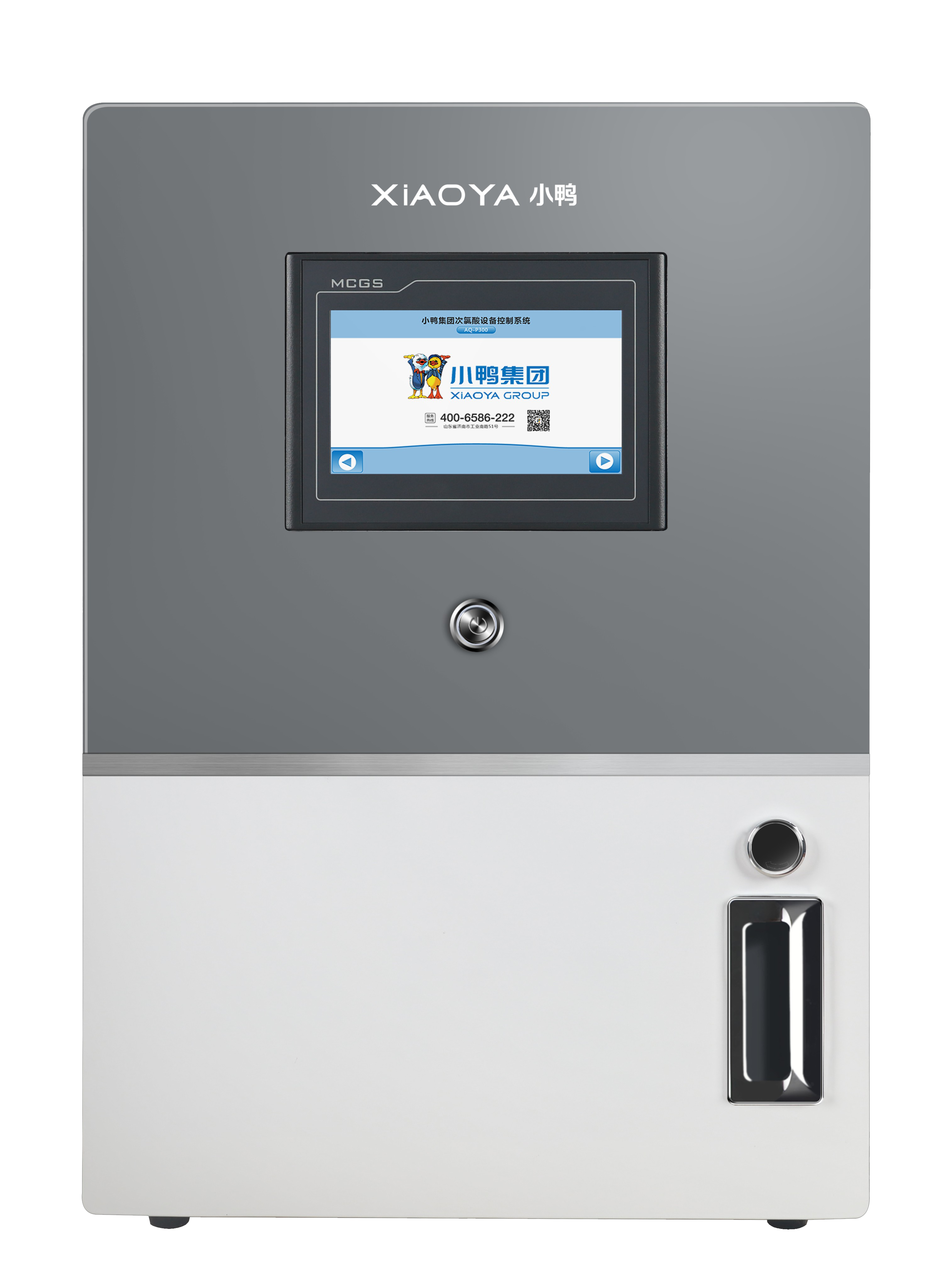
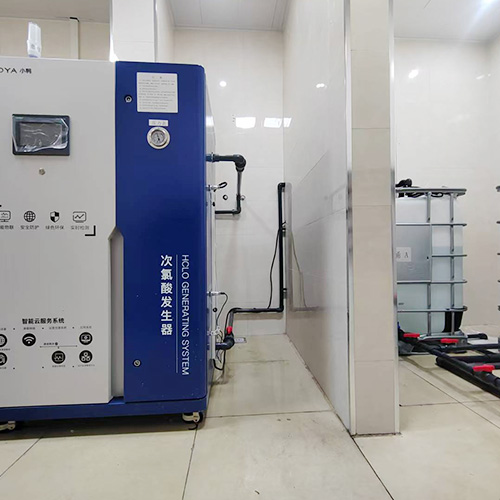
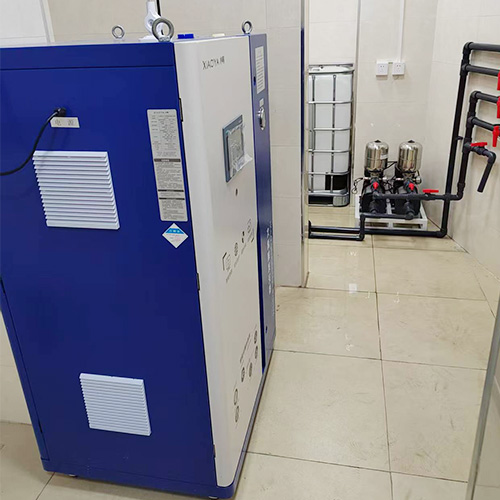
A practical example is Hypochlorous Acid Generator for Animal Husbandry and Breeding. In large-scale pig farms, chicken farms, and cattle or sheep farms, the system supports safe disinfection with livestock present, deodorization, drinking water pipeline treatment, and intelligent monitoring for high-frequency field use.
Its AQ-P1000 model is designed around a production capacity of 1000 L/h, with customizable available chlorine concentration from 10 to 300 mg/L, rated power of 420 W, and an electrolyzer service life of at least 3000 hours. For buyers managing labor efficiency and hygiene risks, these specifications point clearly toward industrial-grade positioning.
What technical parameters should you check before buying?
Many buyers focus only on liters per hour. That is rarely enough. In hypochlorous acid generator selection, output quality, control architecture, and maintenance intervals affect actual operating value more than nominal production alone.
Use the following parameter checklist when comparing industrial and commercial HClO generators for automation equipment applications.
For companies integrating R&D, production, and operation, these parameters also affect downstream product design and service support. That is especially relevant when the HClO generator is part of a broader automated disinfection appliance or process solution.
How should procurement teams make the right selection?
A good buying decision matches application needs with equipment architecture. The goal is not to buy the biggest machine. The goal is to buy the right level of automation, output stability, and compliance readiness for your site.
A practical selection workflow
- Define the use case clearly: surface spraying, waterline disinfection, deodorization, process sanitation, or integrated equipment supply.
- Calculate required output based on peak-hour demand, not only average daily consumption.
- Confirm whether you need PLC communication, remote diagnostics, and sensor-based protection.
- Review maintenance constraints, spare part planning, and operator skill level.
- Check whether concentration range and material compatibility fit your pipes, nozzles, tanks, and operating environment.
Companies with strengths in kitchen and bathroom appliances, health care and disinfection appliances, clean energy, and small household appliances usually benefit from suppliers that understand both equipment engineering and end-use sanitation scenarios. That cross-domain capability reduces integration risk.
What about cost, compliance, and long-term operating value?
The lowest purchase price does not always produce the lowest ownership cost. In HClO generator projects, hidden costs often come from unstable output, extra labor, poor monitoring, premature electrolyzer wear, and difficult service access.
- Industrial systems usually require higher initial investment but lower unit operating cost at scale.
- Commercial systems may cost less upfront but can become inefficient when demand rises or when manual supervision remains high.
- For regulated sectors, documented control of pH, concentration, and fault alarms can support internal quality management and audit preparation.
When reviewing compliance, ask suppliers about standard electrical configuration, material durability, operating records, and available test documentation relevant to disinfection use. A reliable supplier should explain what is documented and what requires customer-side validation in the final application.
FAQ: common buying questions about industrial and commercial HClO generators
How do I know if a commercial HClO generator is too small?
If your site needs continuous output, multi-zone disinfection, central piping, or remote control integration, a commercial unit may quickly reach its limits. Frequent refilling, unstable concentration, or manual intervention are common warning signs.
Is higher chlorine concentration always better?
No. The correct concentration depends on the application, contact time, spray method, and material compatibility. A wider adjustable range is usually more valuable than a single high-output setting because it supports different sanitation tasks safely.
What features matter most in automated equipment integration?
Look for stable electrolyzer performance, PLC-based control, real-time monitoring of pH or ORP, flow sensing, level protection, and fault alarms. These features reduce operator burden and improve process repeatability.
Can one system support both disinfection and deodorization?
In many industrial sanitation settings, yes. Hypochlorous acid can be used not only for microbial control but also for odor reduction in demanding environments such as livestock facilities, waste handling zones, and high-use service areas.
Why choose us for HClO generator selection and project support?
We understand that buyers in automation equipment do not need generic advice. They need application-based selection, engineering clarity, and realistic delivery planning. Our business combines R&D, production, and operation experience across kitchen and bathroom appliances, health care and disinfection appliances, clean energy, and small household appliances.
That means we can support you with parameter confirmation, output matching, control logic discussion, customization scope, and application fit for commercial or industrial HClO generators. If you are evaluating livestock sanitation, pipeline disinfection, integrated appliance development, or plant-level deployment, we can also discuss whether the AQ-P1000-type configuration is appropriate for your use case.
Contact us to discuss product selection, concentration range, delivery cycle, automation requirements, certification-related questions, sample support, and quotation planning. A clearer technical brief at the start usually saves significant time and cost later.
NEWS
 Disinfection Empowers Orthodontic Safety: Hypochlorous Acid Generators Build a Sterile Defense Line for Dental Instruments
- Accumulating Strength and Reaching New Heights: A Record of the Production Breakthrough of Xiaoya Small Home Appliances' Hypochlorous Acid Generators
 How Do HOCl Generators Turn Salt and Water into Cleaning Solutions?
 Medical HOCl Generator Procurement: Service, Training, and Traceability
- Integrating a Medical HOCl Generator into Hospital Cleaning Stations
Leave us a message

Xiaoya Group was founded in 1979,expert in the electrolyzed water industry.
Get in Touch
*We respect your confidentiality and all information are protected.