news
Technological Foundation
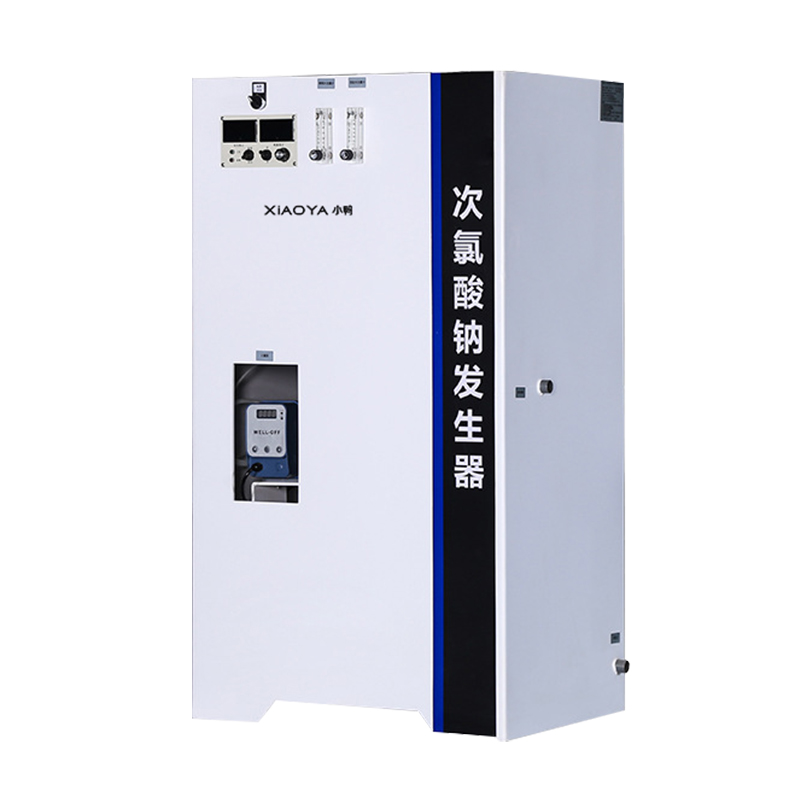
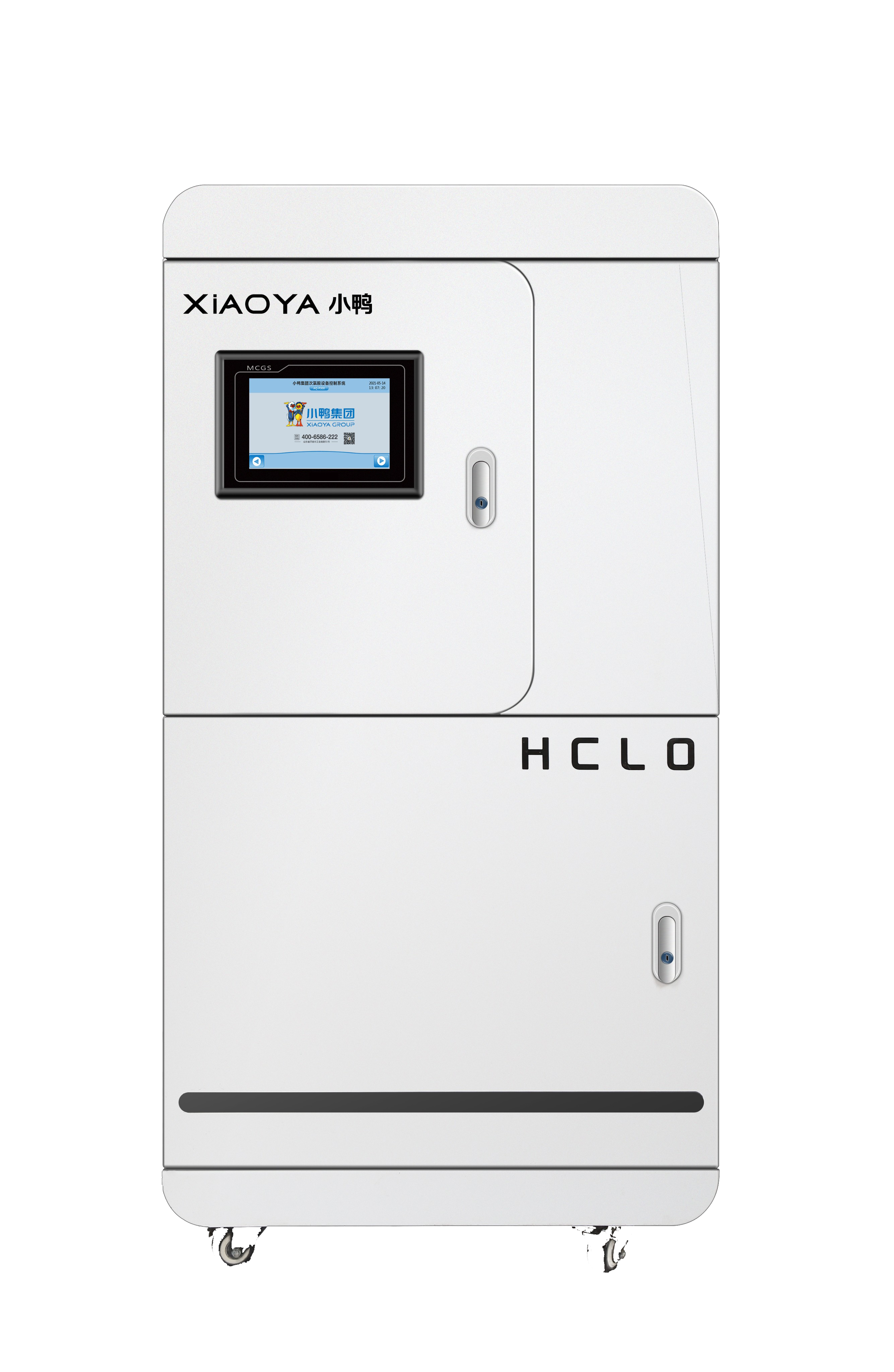
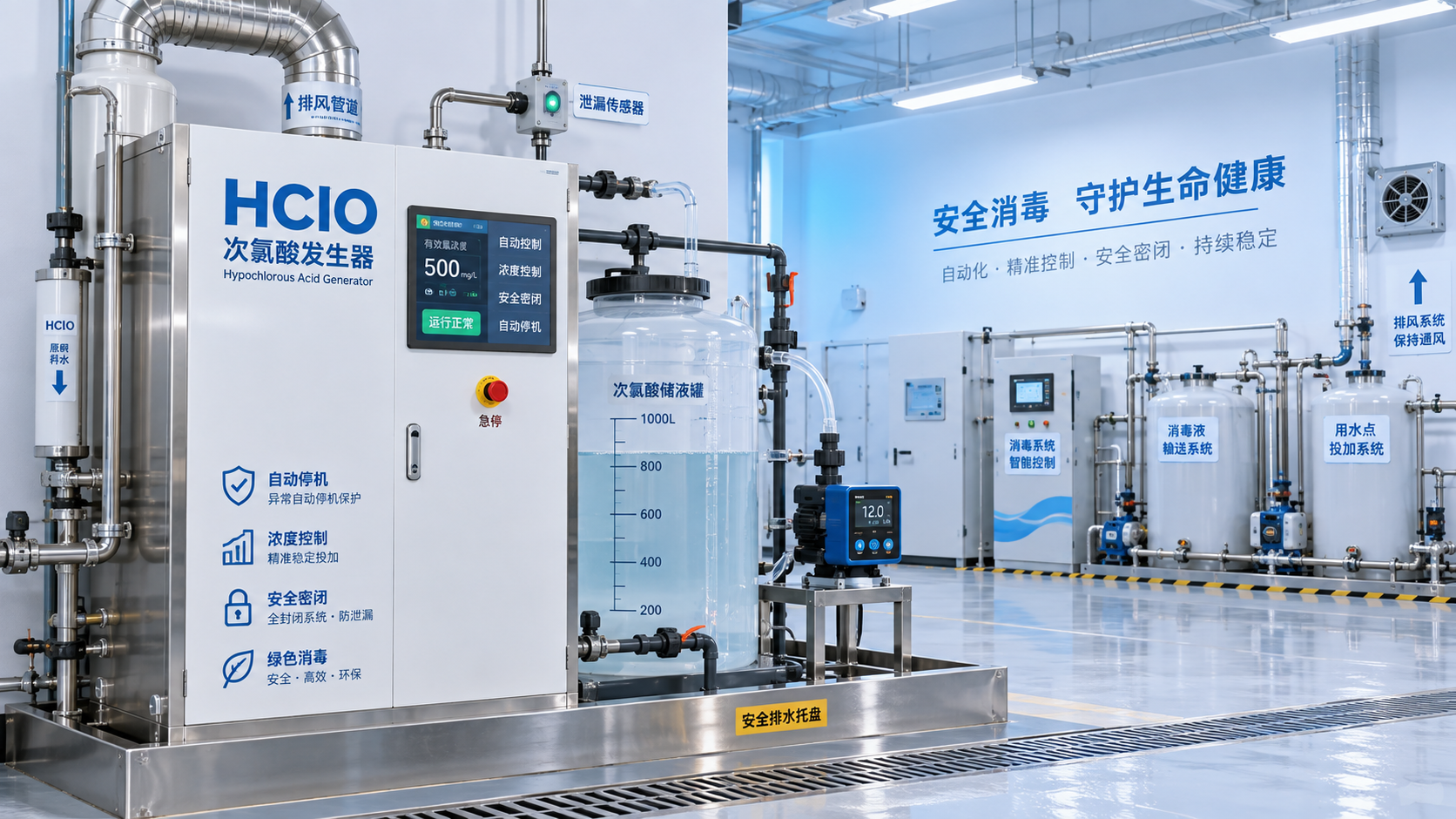
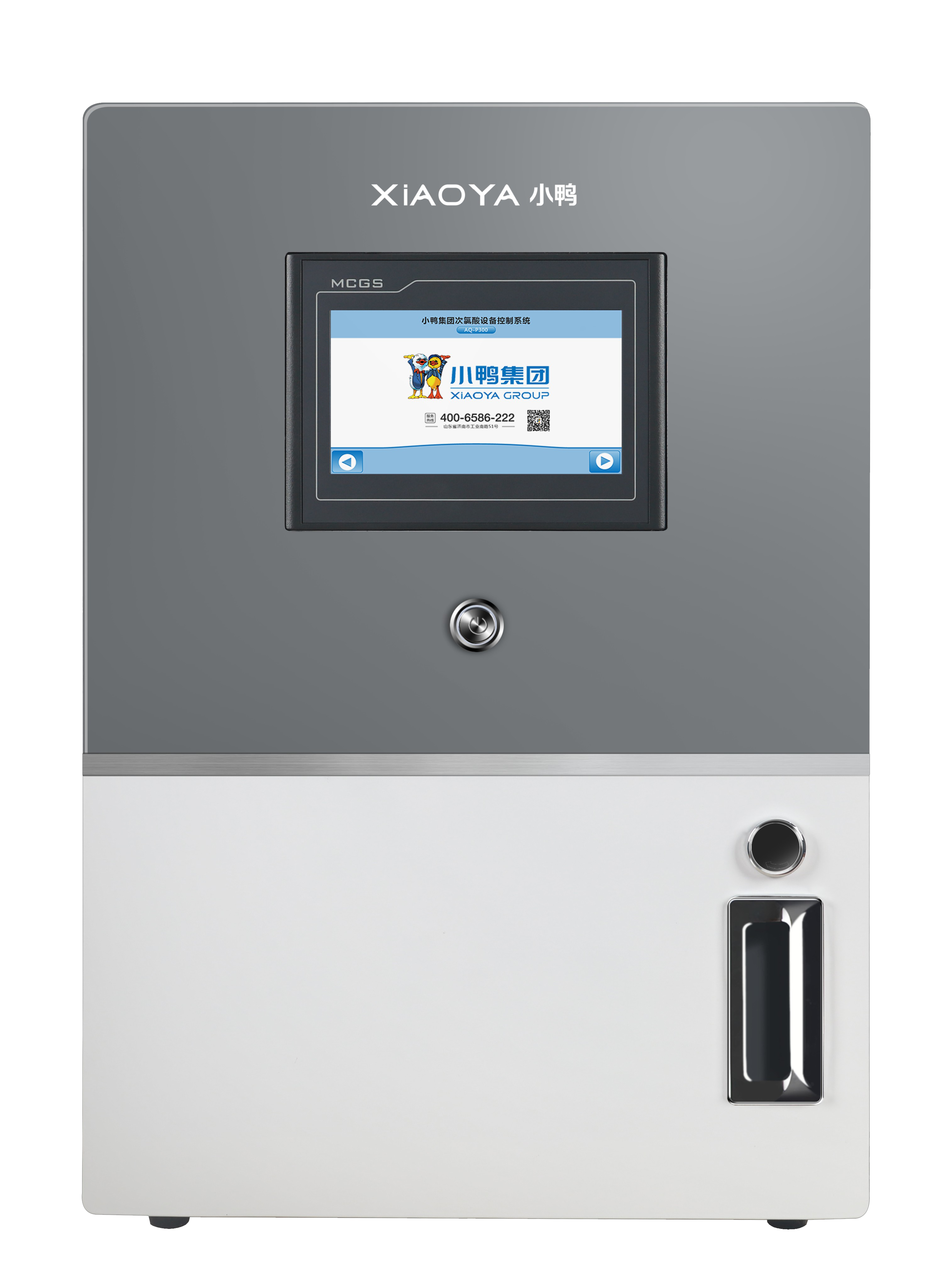
Modern biosecurity relies on precision. Hypochlorous Acid (HClO) Generators represent the pinnacle of on-site disinfectant production. To maximize utility, one must first explore How Hypochlorous Acid (HClO) Generators Work: A Deep Dive into Electrolysis Technology. By converting simple brine into a high-purity oxidant, these systems eliminate the logistical burden of hazardous chemical storage.
Multi-functional Roles of HClO
The solution produced by Hypochlorous Acid (HClO) Generators serves multiple critical functions:
Pathogen Eradication: HClO targets the cell membrane and interrupts metabolic pathways. It is highly effective against Norovirus, E. coli, and MRSA.
Odor Neutralization: It chemically reacts with organic odors ($NH_3$, $H_2S$), making it ideal for waste management and agriculture.
Biofilm Removal: In industrial cooling towers or food pipes, it strips away stubborn biofilms that other chemicals miss.
Product Selection Strategy
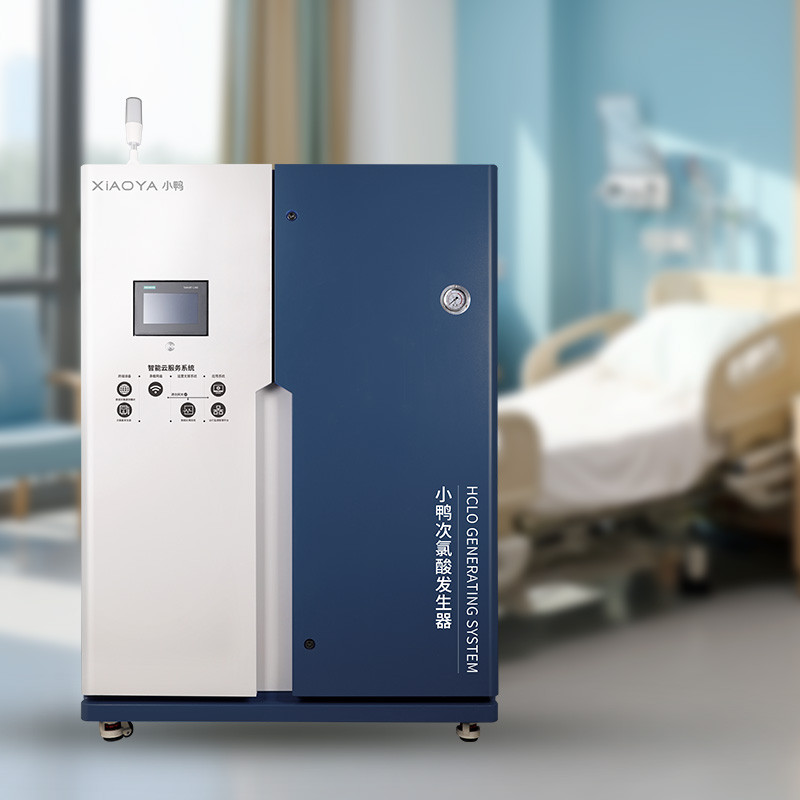
A key business decision involves Industrial vs. Commercial Hypochlorous Acid (HClO) Generators: Which One Do You Need?
Operation & Sustainability
Implementing this technology starts with A Step-by-Step Installation Guide for Your New Hypochlorous Acid (HClO) Generators. Once operational, the focus shifts to How to Maintain Your Hypochlorous Acid (HClO) Generators for Long-term Performance to prevent mineral buildup and ensure consistent concentration.
The long-term value is clear: The Cost-Effectiveness of On-site Hypochlorous Acid (HClO) Generators Compared to Traditional Bleach proves that raw material savings often pay for the equipment within months. Furthermore, The Future of Sustainable Disinfection: Eco-friendly Hypochlorous Acid (HClO) Generators aligns with ESG goals by reducing plastic waste and carbon footprints.
Sector-Specific Applications
Livestock: The Role of Hypochlorous Acid (HClO) Generators in Modern Livestock Bio-security ensures pathogen-free drinking water and sterile air.
Food Processing: Top 10 Benefits of Installing Hypochlorous Acid (HClO) Generators in Food Processing Plants highlights the shift toward chemical-free organic rinsing.
Personal Safety: Safety First: Why Hypochlorous Acid (HClO) Generators Produce the Safest Disinfectant confirms its non-toxic nature for human skin and respiratory systems.
FAQ
Q1: How does HClO compare to Alcohol for surface disinfection?
Unlike Alcohol, HClO is non-flammable and more effective against spores and non-enveloped viruses. It is also safer for large-scale fogging.
Q2: What is the ideal pH for the generated solution?
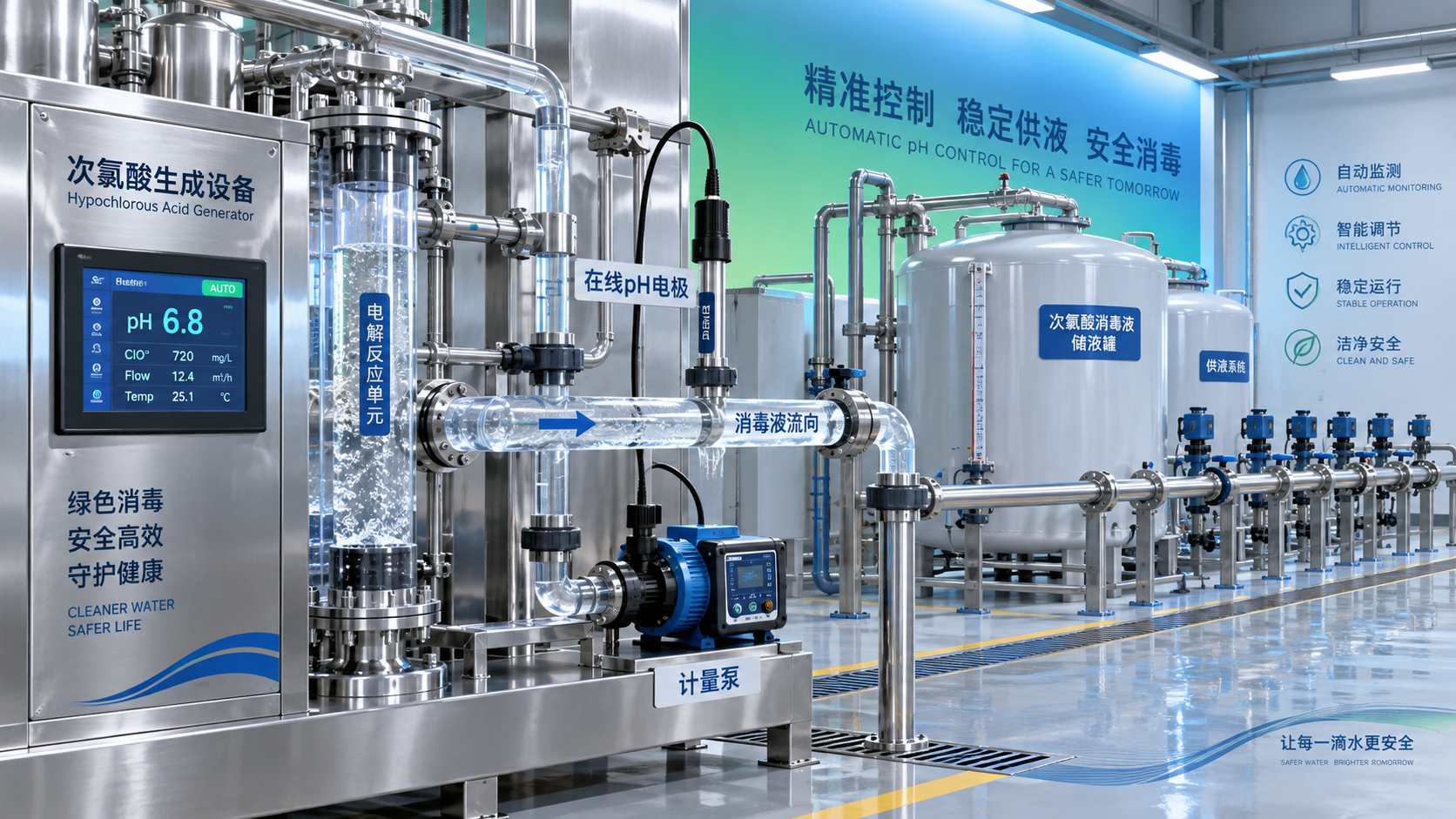
The "Sweet Spot" for maximum germicidal activity is a pH between 5.0 and 6.5. High-end Hypochlorous Acid (HClO) Generators include automated pH sensors to maintain this range.
Q3: Can I use tap water for the generator?
While possible, soft water is highly recommended to prolong the life of the electrolysis cell and prevent scale formation.
NEWS
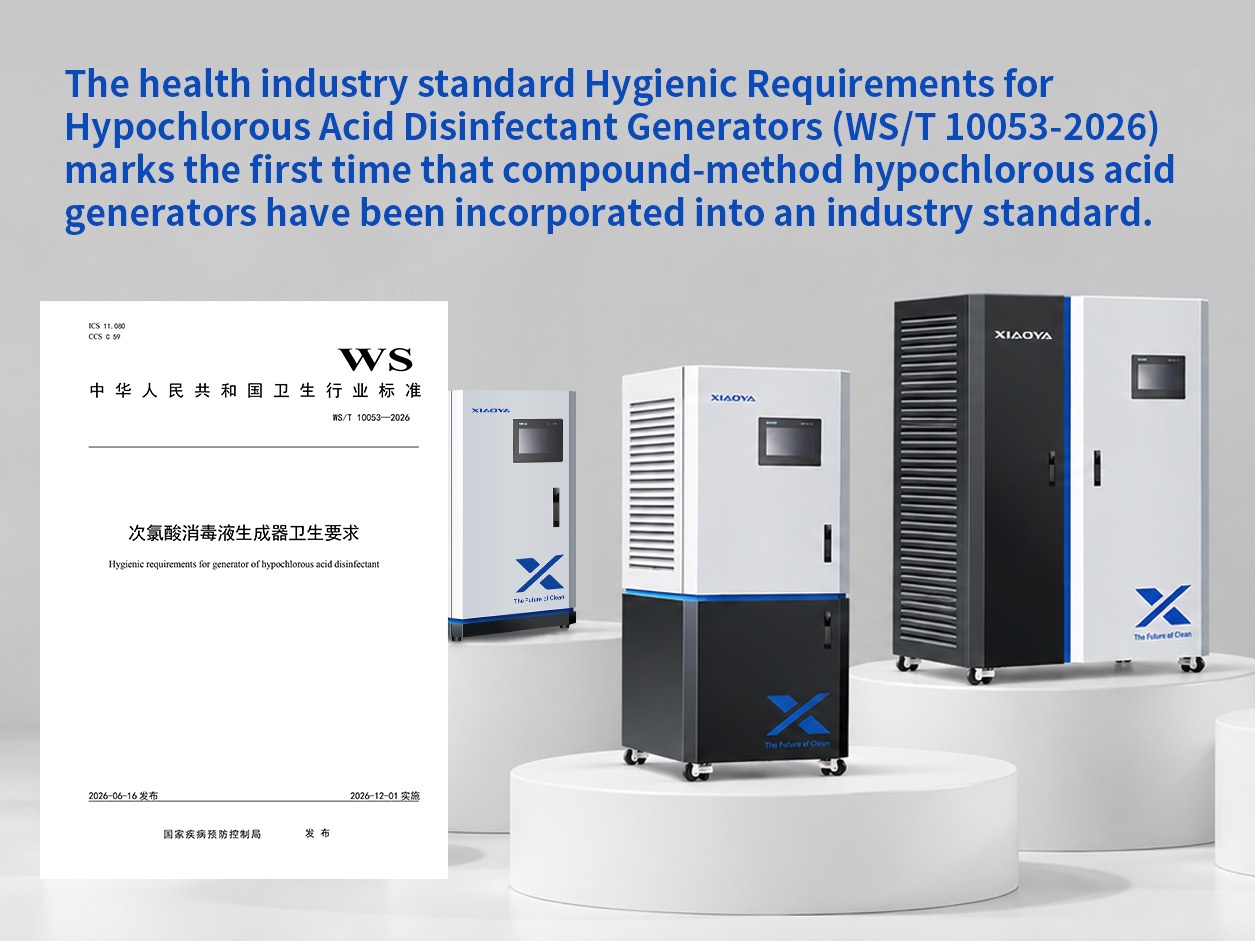
 WS/T 10053-2026 Includes the Compound Method for the First Time: Standard Signals and Market Opportunities for Mass Agricultural Production of Hypochlorous Acid Generators
 Evaluating HClO Generator Lifecycle Costs Beyond the Initial Equipment Price
 HClO Generator pH Control: Why It Determines Disinfection Performance
- Which Safety Features Matter Most When Buying an HClO Generator?
 Troubleshooting Low ORP Readings on a Hypochlorous Acid Machine
Leave us a message

Xiaoya Group was founded in 1979,expert in the electrolyzed water industry.
Get in Touch
*We respect your confidentiality and all information are protected.