




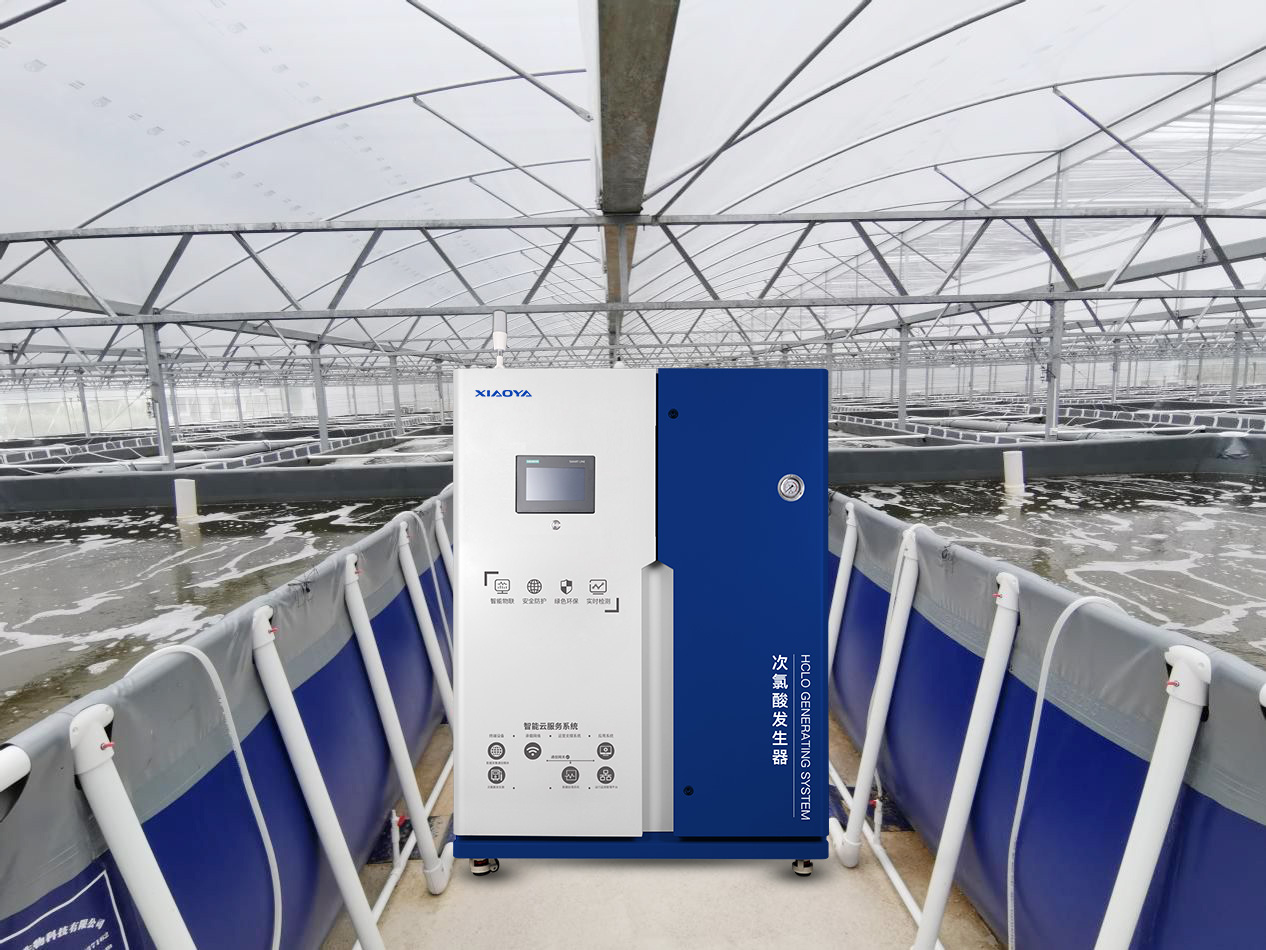
Recently, an eco-aquaculture technology centered on hypochlorous acid neutral anolyte was officially deployed across major shrimp-producing regions, including Malaysia, Thailand, China, and India. This technology effectively addresses key industry pain points such as high disease incidence, low survival rates, drug residues, and insufficient production capacity in traditional shrimp farming. Leveraging its advantages—zero antibiotics, high sterilization efficiency, low cost, and high yield—it is driving the global shrimp aquaculture sector toward a green, standardized, and highly efficient transformation.
As a multi-billion-dollar pillar industry, shrimp farming generates substantial employment opportunities and foreign trade revenue for many nations. However, viral diseases, as well as bacterial, fungal, and protozoan infections, have long been the biggest obstacles constraining the industry's growth. Traditional farming relies heavily on antibiotics and various chemical agents for disease prevention and control. This practice easily leads to drug resistance in pathogens, causes water pollution and ecological imbalance, and leaves drug residues in shrimp—severely impacting seafood exports, squeezing profit margins, and forcing many farms to reduce or cease production entirely. Against this backdrop, hypochlorous acid neutral anolyte technology emerged to deliver both safety and practical efficiency.
According to technological R&D and application data, the core active ingredient of this technology is hypochlorous acid (free active chlorine), whose sterilization speed is 100 times that of hypochlorite ions. Being electrically neutral, hypochlorous acid easily penetrates microbial cell walls to destroy bacterial proteins and enzyme systems. This rapidly eliminates harmful microorganisms—including bacteria and viruses—in water bodies, shrimp, and feed. Simultaneously, as a strong oxidant, it decomposes organic impurities such as residual feed and excrement, purifying the water environment. Water pH is a critical factor influencing the efficacy of hypochlorous acid. Data reveals that when the water pH is maintained between 6.0 and 7.5, hypochlorous acid accounts for 48%–96% of the chlorine species in the water, reaching optimal disinfection performance. Conversely, an elevated pH level causes hypochlorous acid to convert into hypochlorite ions, which possess weaker bactericidal power. Therefore, precisely controlling the pH level during farming maximizes its disinfection efficacy.
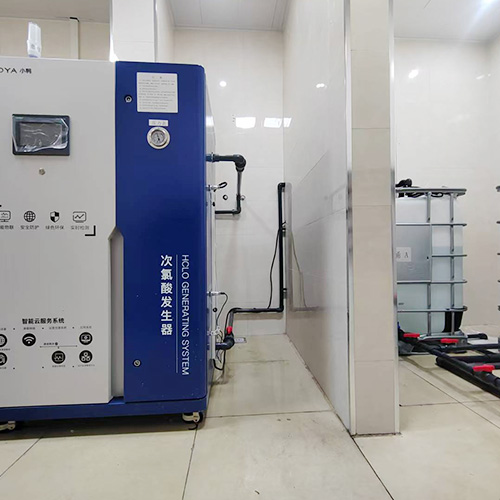
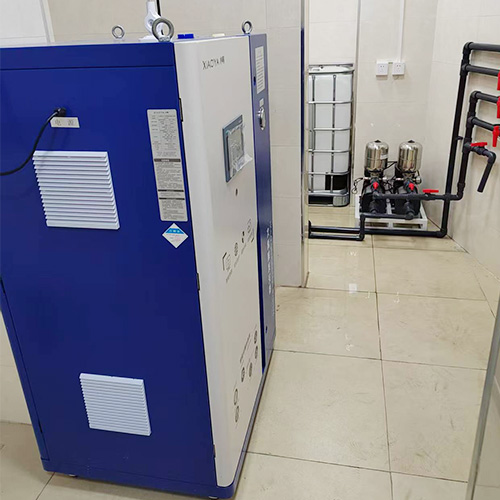
Unlike traditional disinfection products, neutral anolyte preparation is simple and convenient. Using only clean water and table salt, the stock solution can be generated on-site via specialized equipment. The overall system features a low operation barrier and offers a wide range of equipment models, making it quickly adaptable for large, medium, and small shrimp farms as well as hatcheries. Existing farming ponds require no large-scale modifications, significantly lowering deployment costs. Furthermore, after performing its action, the solution naturally decomposes into water and trace salt, leaving no toxic residues or irritating odors. When the active chlorine concentration in water remains below 20 mg/L, no harmful substances are produced, rendering it extremely friendly to shrimp, farm operators, and the surrounding ecosystem. This perfectly aligns with global aquaculture development requirements for "antibiotic-free, green, and safe" practices.
To date, this technology has undergone three years of large-scale field testing in several major shrimp farms and post-larvae hatcheries across Southeast Asia and China, delivering impressive performance data:
Survival Rate: Traditional shrimp farming yields survival rates of only 20%–30%. After applying the neutral anolyte technology, survival rates for post-larvae and adult shrimp consistently rose to over 90%, dramatically reducing disease outbreak risks.
Growth Cycle: While the traditional farming cycle spans 120–160 days, the new technology shortens it to around 110 days. Growth rates for species like tiger shrimp have improved significantly—reaching a body length of 6 inches in 41 days and exceeding 7 inches in 47 days.
Yield & Revenue: Traditional farming yields approximately 1.5 tons per hectare, whereas this technology boosts unit yield to 3–4 tons. Combined with improved feed conversion ratios and enhanced shrimp quality, farmers' economic returns have doubled.
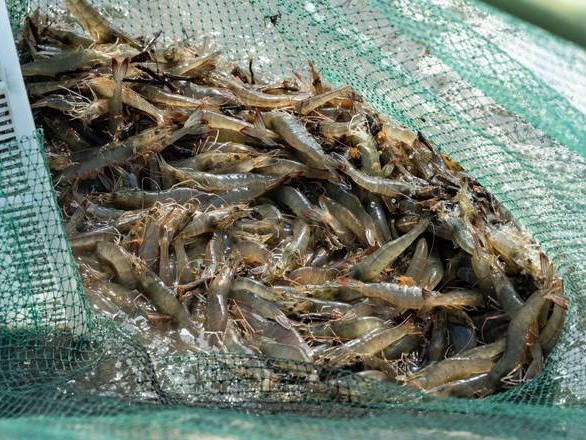
Beyond routine pond water disinfection, neutral anolyte applications cover the entire shrimp aquaculture value chain.
Hatchery Stage: Daily purification of hatchery water with anolyte cultivates healthier, stronger post-larvae.
Feeding Stage: Spraying shrimp feed with the solution sterilizes feed-borne pathogens while moistening the feed for even automated feeding, further decreasing mortality rates.
Facility Management: The solution can be used for comprehensive cleaning and disinfection of workshops, farming equipment, transport vehicles, tools, and wastewater. This establishes an end-to-end biosecurity system, blocking disease transmission pathways right at the source.
Industry experts note that with increasingly stringent global food safety regulations, the use of antibiotics and chemical agents in aquaculture is tightly restricted, making antibiotic-free eco-farming an inevitable trend. Breaking away from traditional chemical-dependent mindsets, hypochlorous acid neutral anolyte technology uses electrochemical tech to integrate water purification and disease control. By balancing ecological protection, cost reduction, efficiency enhancement, and quality upgrading, it has revitalized extensive idle pond resources while removing drug-residue barriers for shrimp products entering high-standard international markets, such as the European Union.
Currently, this technology is being steadily promoted in multiple countries and has received positive market feedback. Moving forward, with continuous optimization and broader adoption, hypochlorous acid neutral anolyte technology will keep empowering the shrimp industry—helping global aquaculture overcome the dilemmas of frequent diseases, excessive drug residues, and low profitability, while propelling the industry toward green revitalization and high-quality development.
NEWS
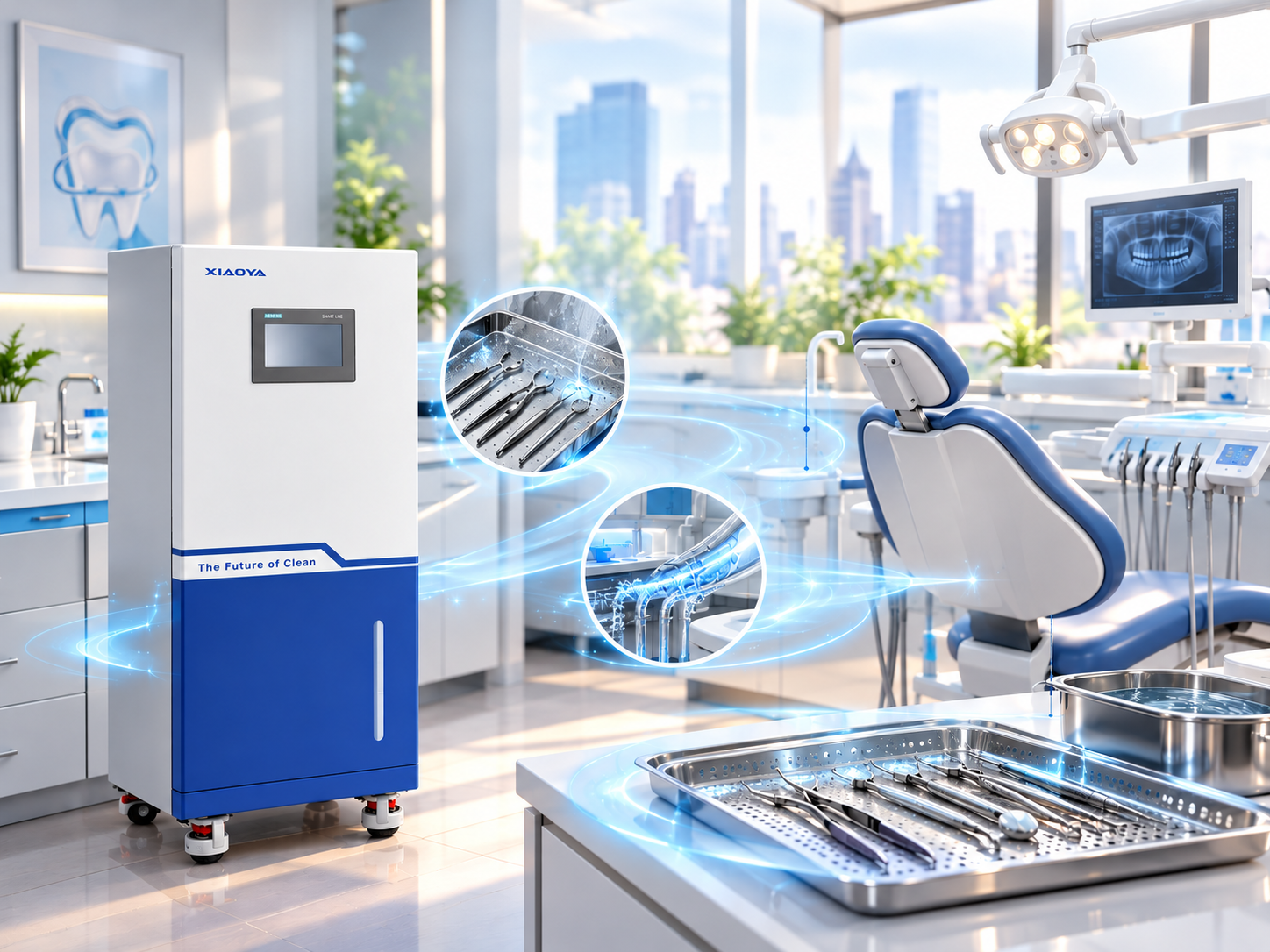
 Disinfection Empowers Orthodontic Safety: Hypochlorous Acid Generators Build a Sterile Defense Line for Dental Instruments
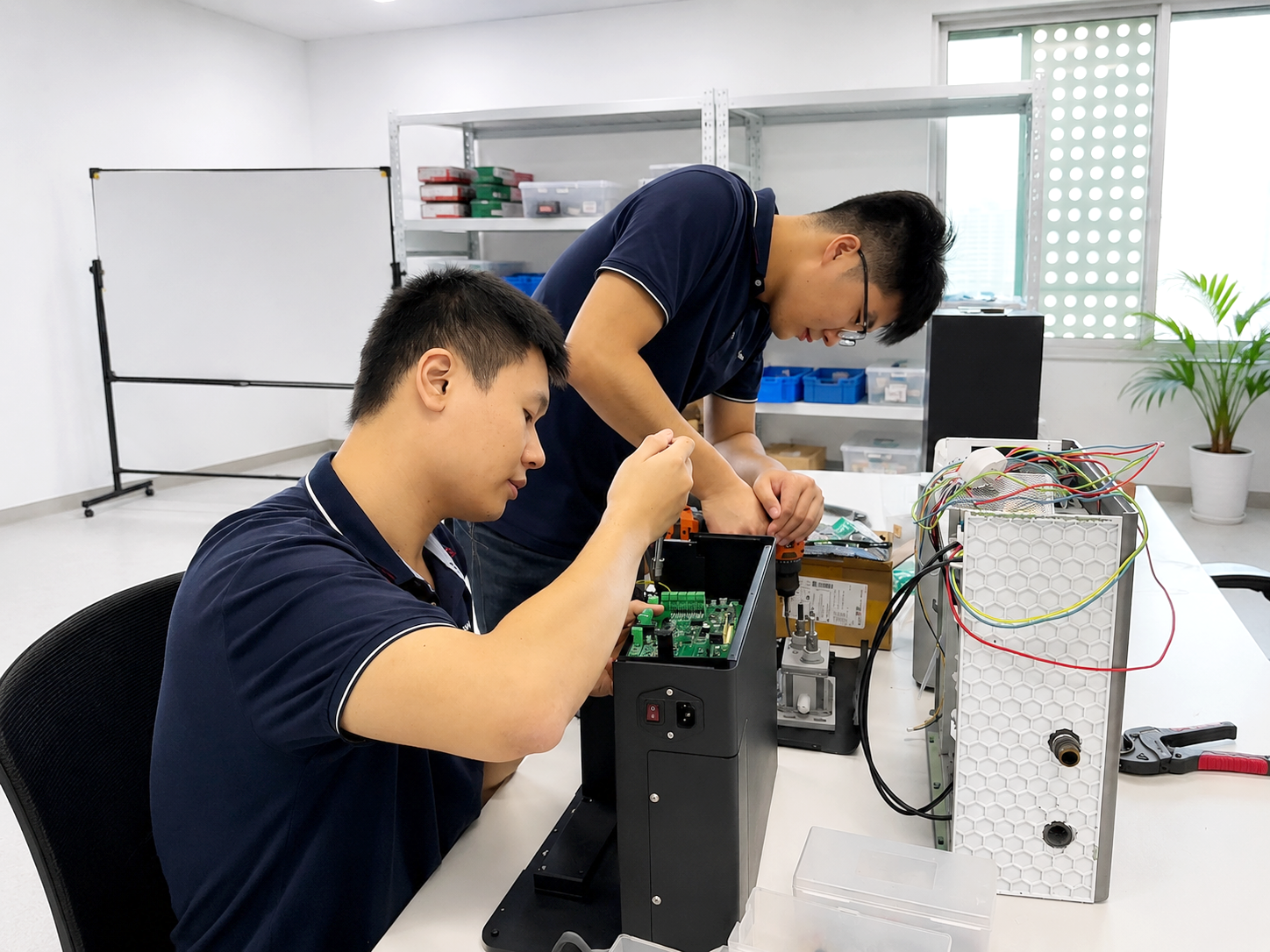
- Accumulating Strength and Reaching New Heights: A Record of the Production Breakthrough of Xiaoya Small Home Appliances' Hypochlorous Acid Generators
 Medical HOCl Generator Procurement: Service, Training, and Traceability
- Integrating a Medical HOCl Generator into Hospital Cleaning Stations
 Verifying HOCl Concentration and Contact Time for Hospital Surfaces
Leave us a message

Xiaoya Group was founded in 1979,expert in the electrolyzed water industry.
Get in Touch
*We respect your confidentiality and all information are protected.