news
In the realm of agricultural disinfection solutions, choosing between electrochemical and salt-based Hypochlorous Acid Generators for Agricultural Planting presents critical efficiency and cost considerations. This comparative analysis examines both technologies' operational parameters, maintenance requirements, and ROI potential - essential insights for procurement specialists and project managers evaluating sustainable farming equipment. Discover which system aligns with your large-scale agricultural operations' sanitation needs while optimizing long-term operational budgets.
Core Technology Differences: Electrochemical vs. Salt-Based Systems
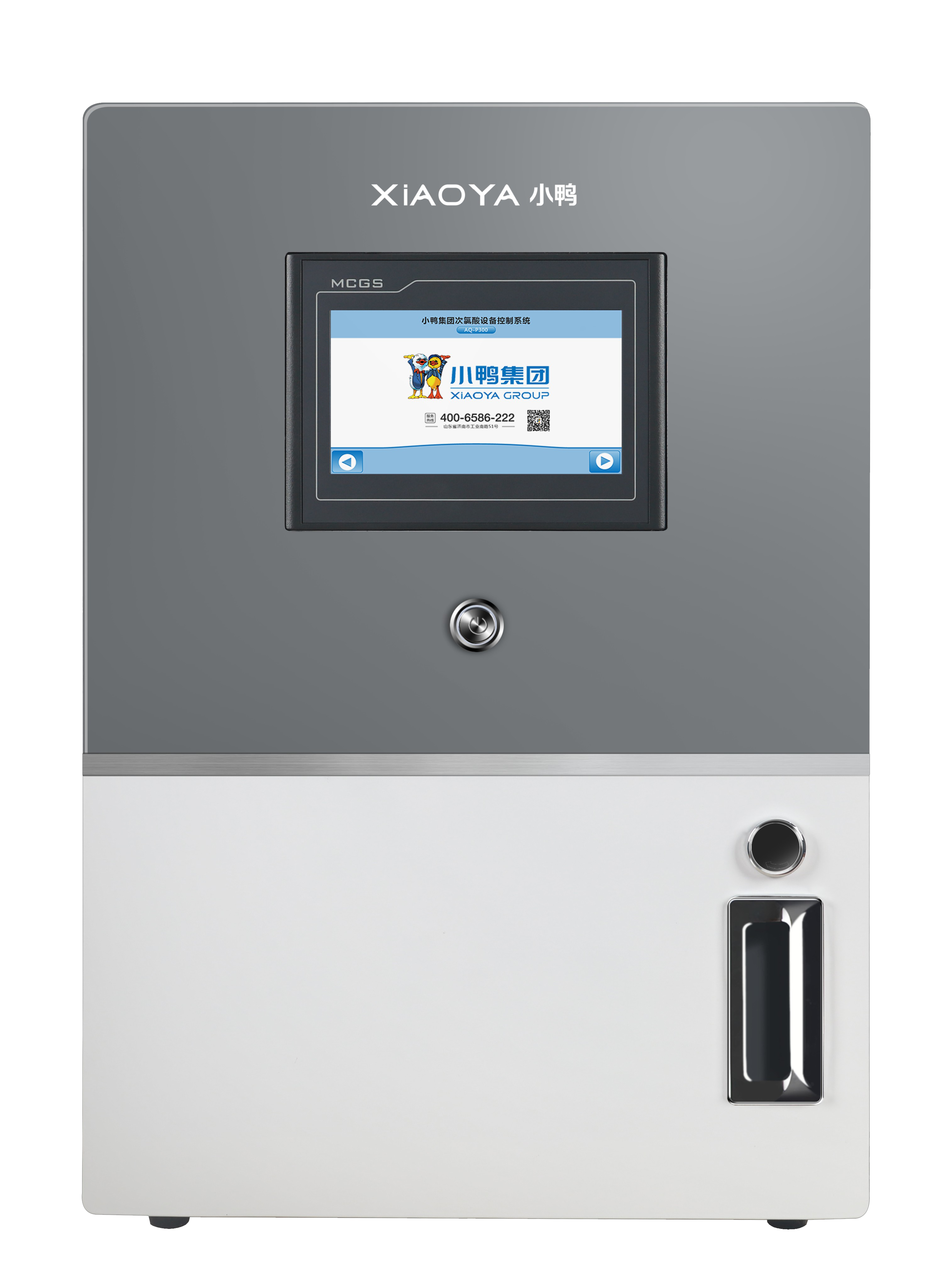
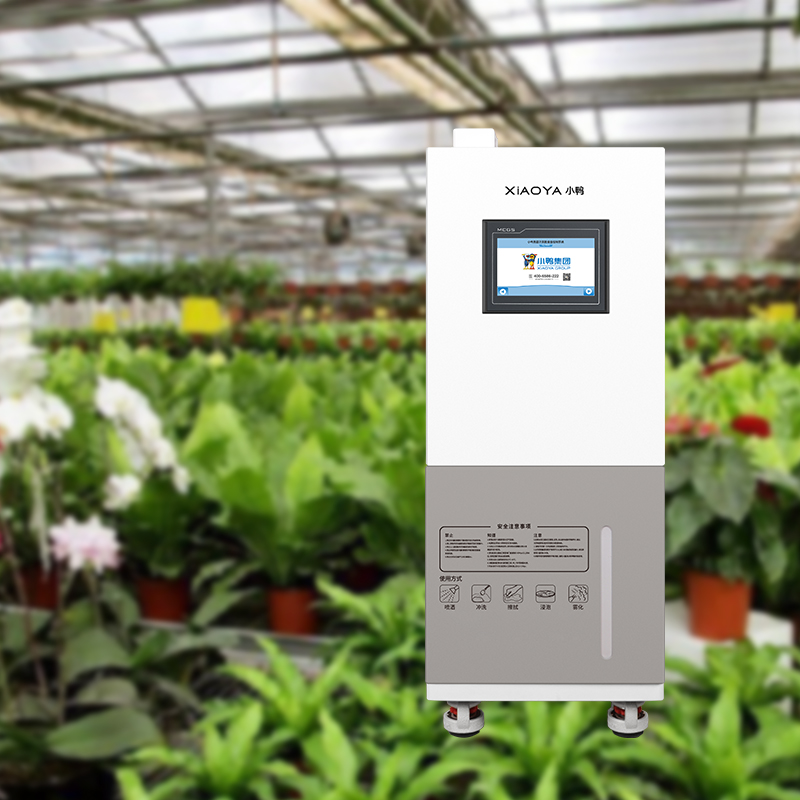
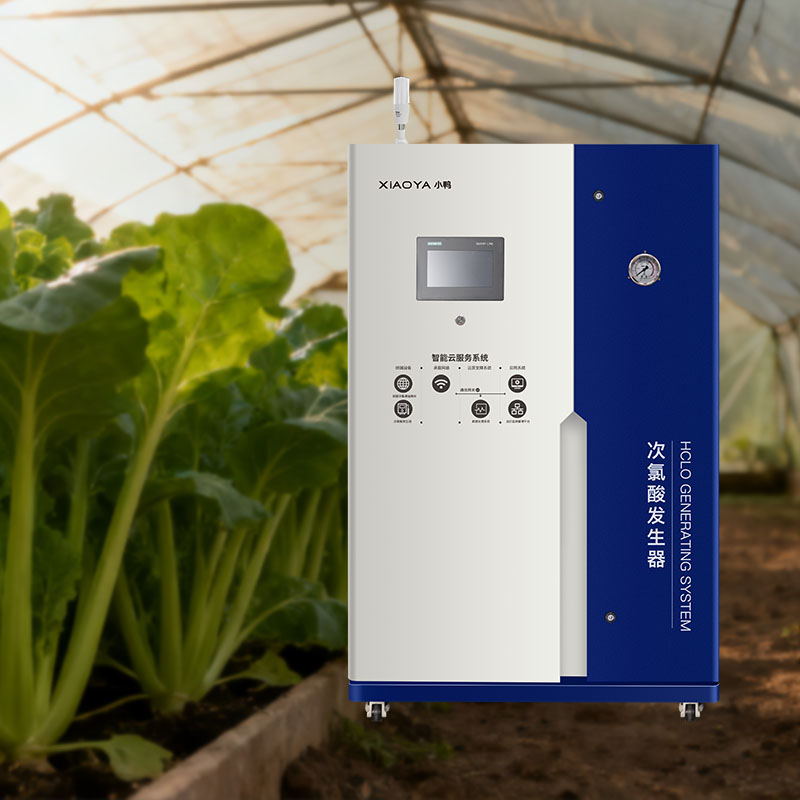
Electrochemical HOCl generators produce hypochlorous acid through electrolysis of saltwater, creating a solution with 5-6.5 pH and 10-120mg/L chlorine concentration. These systems typically feature compact designs like 1050*302*400mm units weighing 55.8kg, with production capacities of 60-100L/H. The water supply system exemplifies this technology, integrating 220V~/50Hz power supply and 410W rated power for continuous operation.
Salt-based generators utilize chemical reactions between salt tablets and water, requiring regular salt replenishment. While simpler in initial setup, they demand more manual intervention and produce solutions with less stable chlorine concentrations (typically ±15% variance versus electrochemical systems' ±5%).
Operational Efficiency Comparison
The table below contrasts key performance indicators for agricultural operations:
Electrochemical systems demonstrate superior stability in large-scale operations, particularly when integrated with automated water supply systems for consistent disinfection coverage across irrigation networks.
Total Cost of Ownership Analysis
While electrochemical generators carry 20-30% higher upfront costs, they deliver 40-60% lower operating expenses over 5 years due to:
- Reduced salt consumption (1L electrolyte lasts 8000+ hours)
- Lower labor requirements (automated monitoring)
- Minimal consumable replacements
For operations exceeding 20 acres, electrochemical solutions typically achieve breakeven within 18-24 months compared to salt-based alternatives.
Implementation Considerations for Agricultural Projects
Infrastructure Requirements
Electrochemical systems demand stable power supply (220V~/50Hz) and water pretreatment for optimal performance. The 1050*302*400mm footprint allows flexible installation in equipment rooms or mobile disinfection stations.
Integration with Existing Systems
Modern generators feature standardized interfaces for connecting to irrigation control systems, enabling automated dosing based on water flow rates and disinfection requirements.
FAQs for Procurement Decision-Making
Which system offers better scalability for expanding operations?
Electrochemical systems provide modular expansion capabilities, allowing capacity increases through parallel unit deployment without proportional labor increases.
How does water quality affect generator selection?
Hard water (≥200ppm) reduces salt-based system efficiency by 25-40%, while electrochemical units maintain consistent output with proper pretreatment.
Technical Consultation & Custom Solutions
Our engineering team specializes in agricultural disinfection systems integration, offering:
- Site-specific capacity planning
- Water quality testing and system matching
- Automation interface development
- ROI projection modeling
Request a comparative cost analysis for your operation's specific acreage and water conditions to determine the optimal HOCl generation solution.
NEWS
 Upgrade in Healthy Living: Hypochlorous Acid Generators Become the New Standard for Luxury Villas
- The Ultimate Solution to Pet Shop Disinfection Challenges! XIAOYA Hypochlorous Acid Generator: Safe Pet Protection with Peace of Mind
 Hypochlorous Acid Generator vs Sodium Hypochlorite Generator
- Hypochlorous Acid Generator Supplier
- Hypochlorous Acid Generator Manufacturer
Leave us a message

Xiaoya Group was founded in 1979,expert in the electrolyzed water industry.
Get in Touch
*We respect your confidentiality and all information are protected.