news
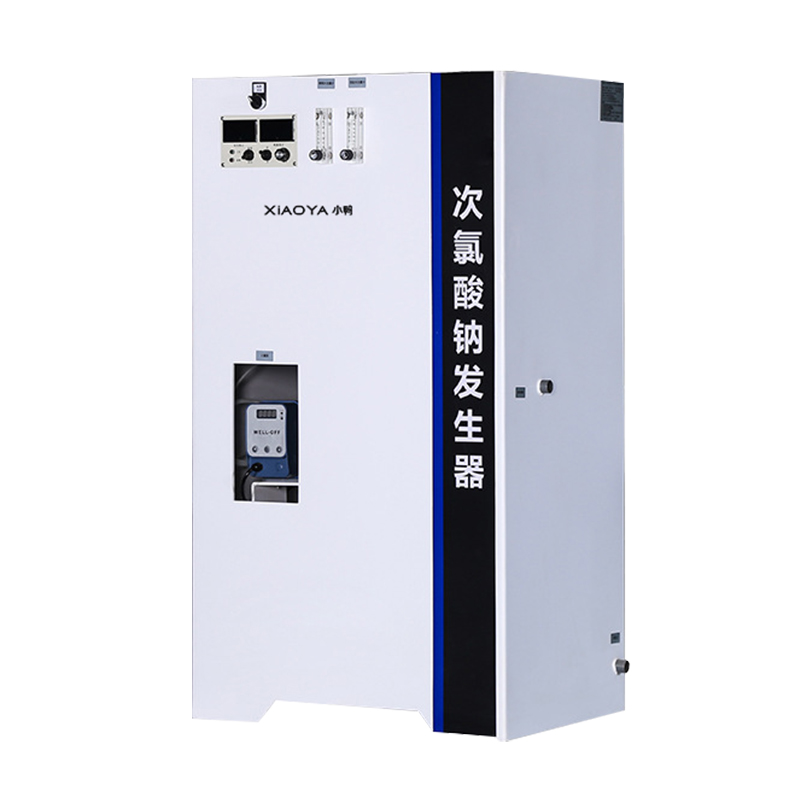
When weak output becomes a real operating risk
A hypochlorous acid hocl generator is judged by stable disinfection strength, not by whether it simply starts and runs.
When the solution becomes weak, the problem usually spreads beyond one component.
In automated equipment environments, weak output can interrupt sanitation routines, affect appliance integration, and increase repeat maintenance work.
That is why troubleshooting a hypochlorous acid hocl generator should begin with operating conditions, then move to chemistry, hardware, and control logic.
The same fault can look different in hospitals, clinic utility rooms, or integrated household disinfection systems.
Actual use conditions change the diagnosis
A weak solution is rarely caused by one universal issue.
More often, the diagnosis depends on feed water quality, daily runtime, dosing habits, sensor calibration, and whether the generator works as a standalone unit or part of a larger automated line.
In businesses spanning health care appliances, sanitation equipment, and small household systems, these differences matter.
A compact unit used intermittently may suffer from stale electrolyte.
A high-duty system may instead show electrode fatigue, scaling, or unstable inlet pressure.
The first checks should stay close to the process
- Confirm available chlorine output against the target range, not by odor or appearance.
- Verify inlet water pressure, because low or fluctuating pressure changes electrolysis efficiency.
- Check pH and ORP readings together, since one value alone can mislead fault judgment.
- Review salt concentration and electrolyte freshness before opening major assemblies.
In medical disinfection, stability matters more than short bursts
In hospitals, clinics, rehabilitation centers, and examination sites, a hypochlorous acid hocl generator must deliver repeatable concentration over long operating windows.
Here, weak solution often points to gradual decline rather than sudden shutdown.
Electrolyzer wear, sensor drift, and mineral buildup become more likely when the system runs frequently and disinfection records need consistency.
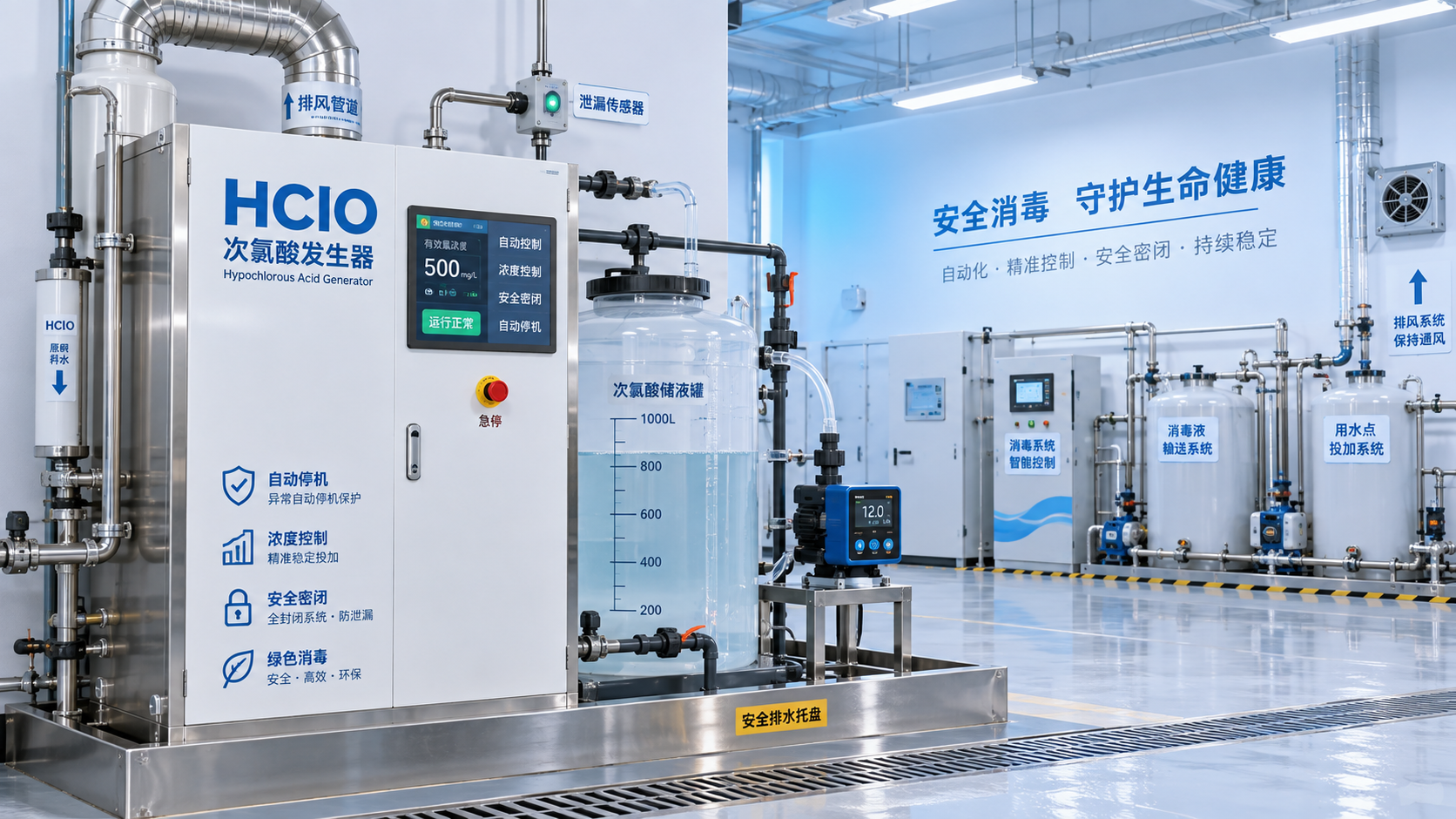
A useful reference is Hypochlorous acid generator for medical disinfection, especially where Siemens PLC control, pH and ORP sensing, and remote monitoring help narrow faults faster.
If the equipment is expected to produce 10 to 300 mg/L available chlorine, but output falls while power input remains normal, the fault is often in process accuracy rather than basic energization.
At that point, checking calibration history is usually more productive than replacing pumps immediately.
For bathroom, kitchen, and household systems, water conditions often lead the fault list
In lighter-duty sanitation equipment, weak output is commonly tied to the water source.
Hardness, conductivity variation, and inconsistent pretreatment can reduce the effective generation of hypochlorous acid.
This is especially common when the hypochlorous acid hocl generator is connected to appliance systems that were designed for convenience, not strict process control.
In these applications, technicians should pay close attention to salt proportioning, inlet filter condition, and whether the water pressure stays within the intended 0.15 to 0.25 MPa window.
A unit can look electrically healthy while still producing weak disinfectant because the electrolysis environment is unstable.
What changes from one application to another
Control settings and component wear are often confused
One frequent mistake is treating every weak-output case as a hardware failure.
In reality, a hypochlorous acid hocl generator may underperform because the control sequence has been adjusted after maintenance, cleaning, or line integration.
Modified production intervals, incorrect concentration targets, or delayed sensor feedback can all reduce effective output.
This matters more in automated equipment, where remote control and linked devices add convenience but also create more fault points.
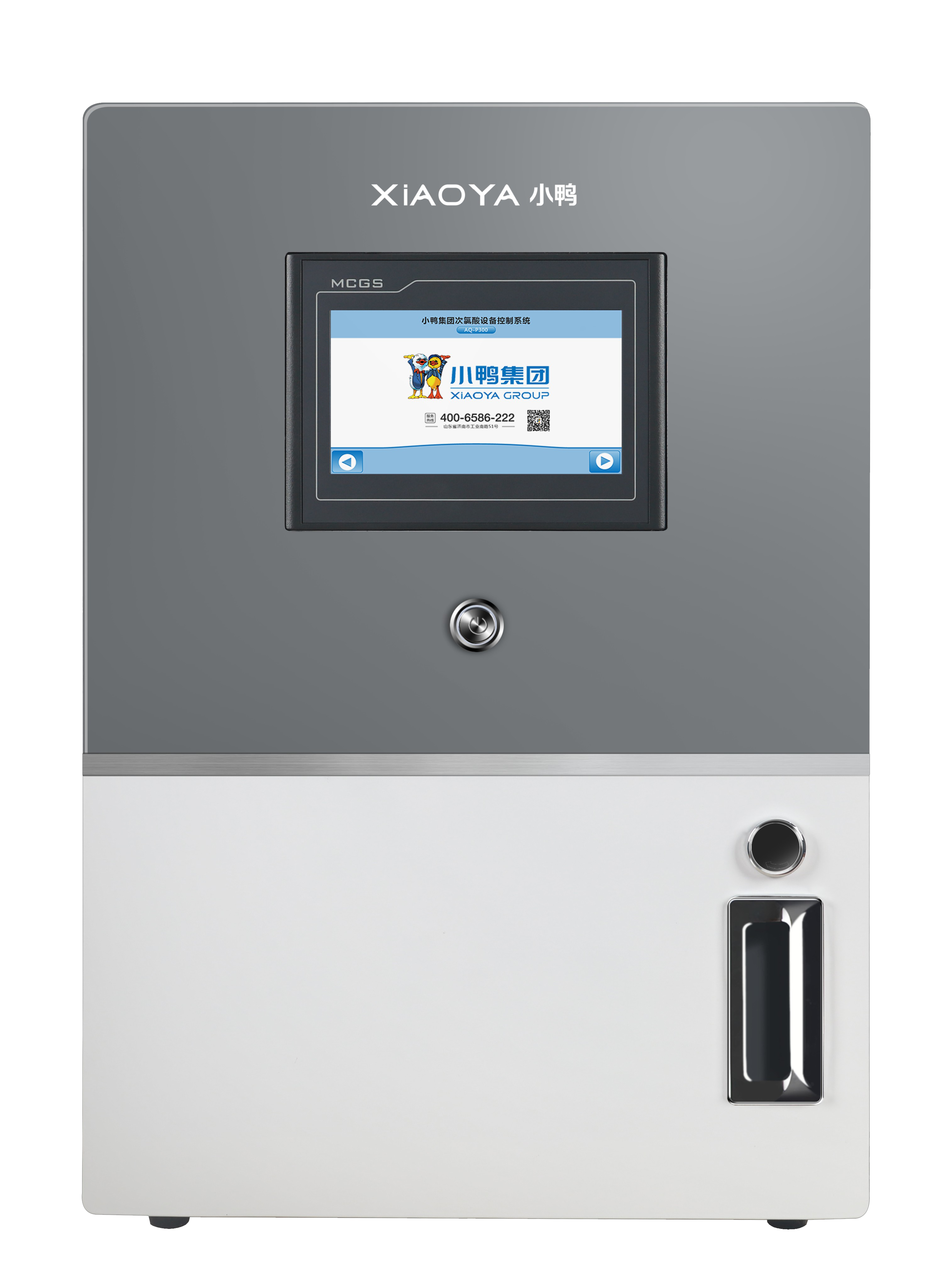
For example, an AQ-P1000 type unit with touch-screen control and IoT functions can speed diagnosis, but only if alarm thresholds and operating records are reviewed systematically.
If the electrolyzer has already approached its service life, usually 3000 hours or more, software corrections alone will not restore full strength.
The easier faults to miss in the field
The most common misjudgment is focusing only on rated parameters.
A system may match 220/50 power, 420 W rating, and the expected capacity, yet still produce a weak solution because the site conditions drifted over time.
- Do not assume similar medical spaces have the same runtime pattern or flushing load.
- Do not ignore consumables just because the control screen shows normal startup.
- Do not judge concentration by surface clarity; measure it directly.
- Do not separate maintenance cost from output stability when planning replacements.
This is also why corrosion-resistant accessories and residue-free generation matter in practice.
They reduce side effects, but they do not eliminate the need for routine process verification.
A practical way to restore stable output
Start with the site, not the catalog.
Map the actual application, expected concentration, runtime, and water conditions before assigning the cause.
Then compare measured output with pH, ORP, pressure, electrolyte state, and component hours.
Where the hypochlorous acid hocl generator is used in medical disinfection, tighter logging and remote diagnostics usually justify the effort.
Where it supports household or sanitation appliances, water pretreatment and dosing discipline often deliver the fastest correction.
If repeated weak-solution events continue, compare the site demand with the configuration of Hypochlorous acid generator for medical disinfection or a similar industrial-grade setup, then confirm service life, automation logic, and maintenance intervals together.
NEWS
 WS/T 10053-2026 Includes the Compound Method for the First Time: Standard Signals and Market Opportunities for Mass Agricultural Production of Hypochlorous Acid Generators
 Evaluating HClO Generator Lifecycle Costs Beyond the Initial Equipment Price
 HClO Generator pH Control: Why It Determines Disinfection Performance
- Which Safety Features Matter Most When Buying an HClO Generator?
 Troubleshooting Low ORP Readings on a Hypochlorous Acid Machine
Leave us a message

Xiaoya Group was founded in 1979,expert in the electrolyzed water industry.
Get in Touch
*We respect your confidentiality and all information are protected.