news

The 2026 Smart HOCl Systems Market Landscape
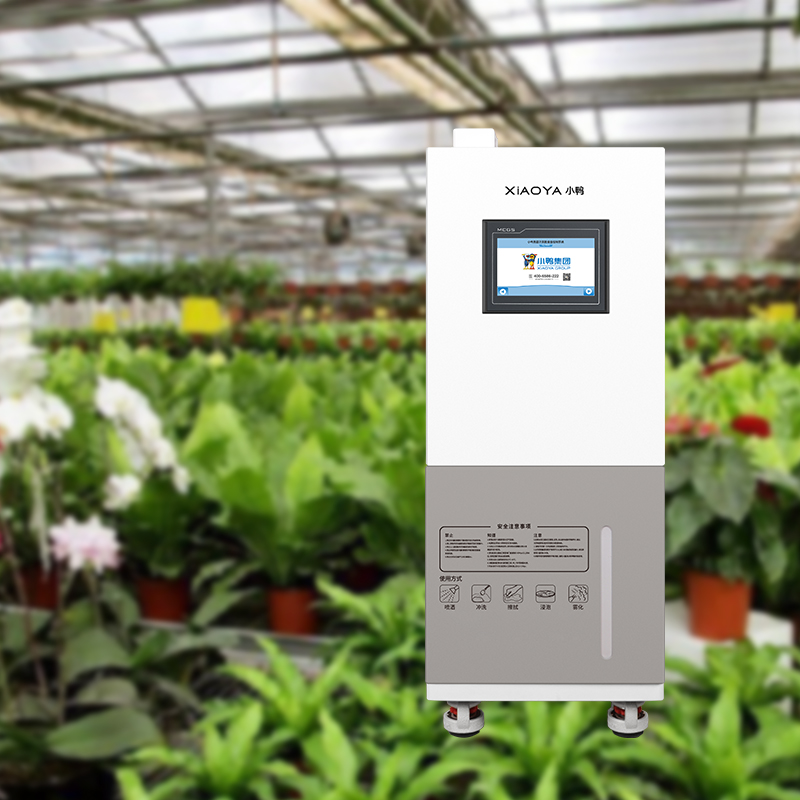
The 2026 smart hypochlorous acid (HOCl) systems market is poised for transformation with IoT integration, offering agricultural planting operations unprecedented control and efficiency. As a procurement specialist or project manager, you'll discover how next-gen Hypochlorous Acid Generator for Agricultural Planting solutions leverage real-time monitoring and automated dosing to optimize crop yields while reducing water and chemical waste. This forecast explores the convergence of disinfection technology and smart automation that will redefine sustainable farming practices.
Key Market Drivers
Three primary factors will accelerate adoption of IoT-enabled HOCl systems through 2026:
- Precision agriculture demands: 42% of large-scale farms now require automated chemical dosing systems
- Water conservation regulations: New EPA guidelines mandate 15-30% reduction in agricultural water waste
- Labor cost pressures: Automated HOCl systems reduce manual disinfection labor by 60-75%
Technical Specifications Comparison
When evaluating smart HOCl systems, these technical parameters determine operational effectiveness:
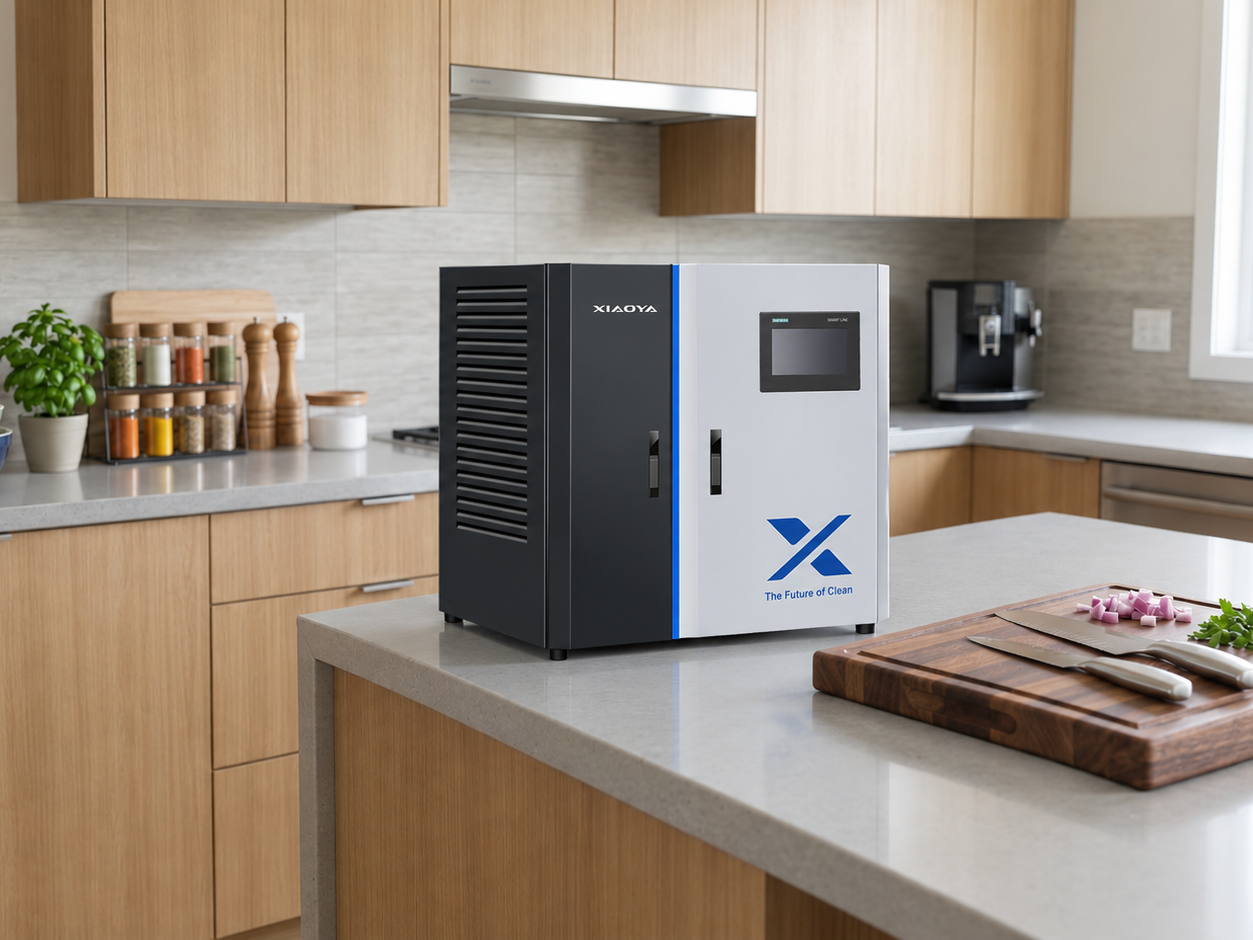
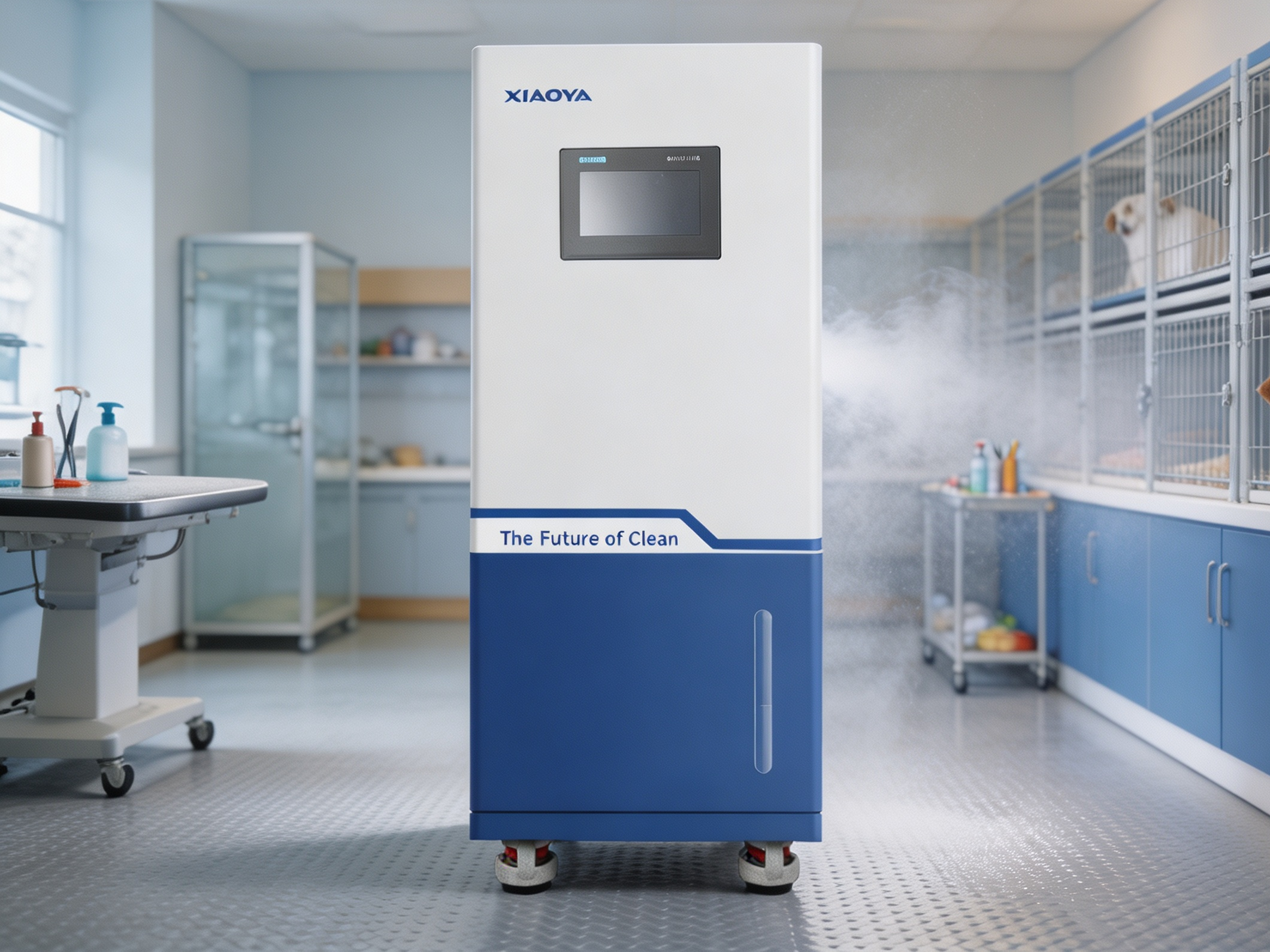
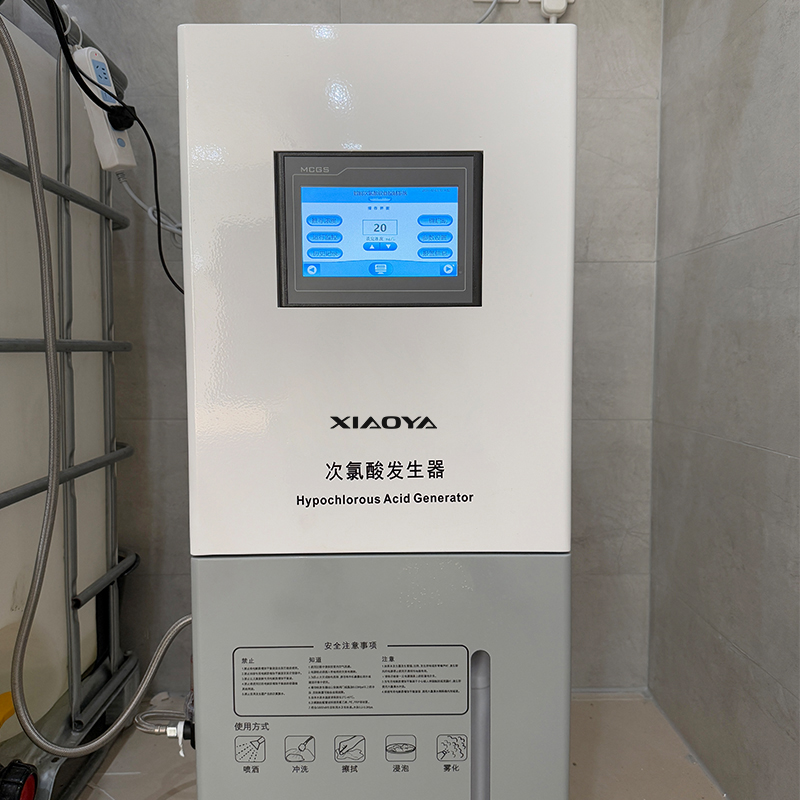
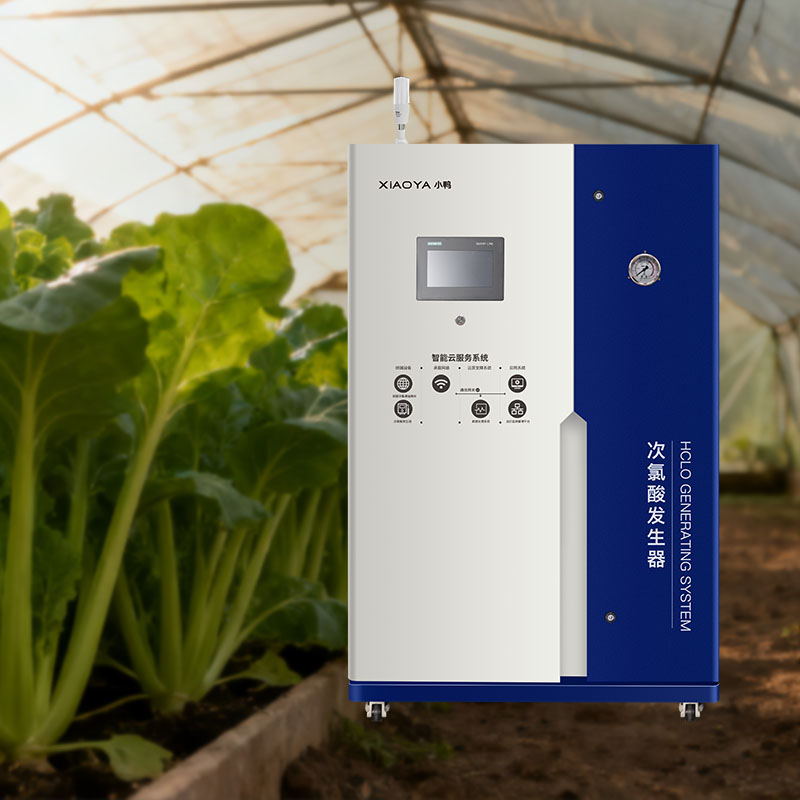
The Pure Hypochlorous Acid (HClO) Electrolyzer exemplifies next-gen capabilities with its cost-effective production of HOCl solution for both disinfection and water treatment applications.
Procurement Decision Framework
5 Critical Evaluation Criteria
Project managers should assess these dimensions when selecting smart HOCl systems:
- Integration Capability: Compatibility with existing farm management systems (30-60 day implementation typical)
- Scalability: Ability to expand from 1-5 acre pilot to 50+ acre deployment
- Data Security: Encryption standards for agricultural operation data
- Upgrade Path: Firmware update cycle (minimum quarterly updates recommended)
- Service Network:
- On-site response time guarantees (24-72 hours critical)
- Remote diagnostic capabilities
Implementation Roadmap
Successful deployment follows this phased approach:
FAQs for Procurement Teams
How do IoT HOCl systems reduce operational costs?
Smart systems achieve 18-22% chemical savings through precision dosing algorithms and reduce labor costs by automating previously manual disinfection processes. The Pure Hypochlorous Acid (HClO) Electrolyzer demonstrates these efficiencies with its optimized production cycle.
What cybersecurity measures are essential?
Agricultural operations should require:
- End-to-end data encryption (AES-256 minimum)
- Isolated network segments for critical controls
- Monthly vulnerability scanning
Can existing equipment be retrofitted?
Approximately 65% of conventional HOCl systems can integrate IoT modules, though full functionality may require additional sensors (typically $1,200-$2,500 per unit).
Strategic Partnership Considerations
When selecting suppliers for smart HOCl solutions, prioritize vendors offering:
- 3-5 year performance guarantees on critical components
- Agricultural-specific IoT platform customization
- Regional service centers within 200 miles of operation
- Transparent chemical efficiency reporting (monthly KPI dashboards)
Our integrated R&D and production capabilities ensure your smart HOCl system delivers measurable ROI within 12-18 months. Contact our agricultural solutions team to discuss pilot program parameters, certification requirements, and customized deployment timelines for your specific operation scale.
NEWS
 Upgrade in Healthy Living: Hypochlorous Acid Generators Become the New Standard for Luxury Villas
- The Ultimate Solution to Pet Shop Disinfection Challenges! XIAOYA Hypochlorous Acid Generator: Safe Pet Protection with Peace of Mind
 Hypochlorous Acid Generator vs Sodium Hypochlorite Generator
- Hypochlorous Acid Generator Supplier
- Hypochlorous Acid Generator Manufacturer
Leave us a message

Xiaoya Group was founded in 1979,expert in the electrolyzed water industry.
Get in Touch
*We respect your confidentiality and all information are protected.