news
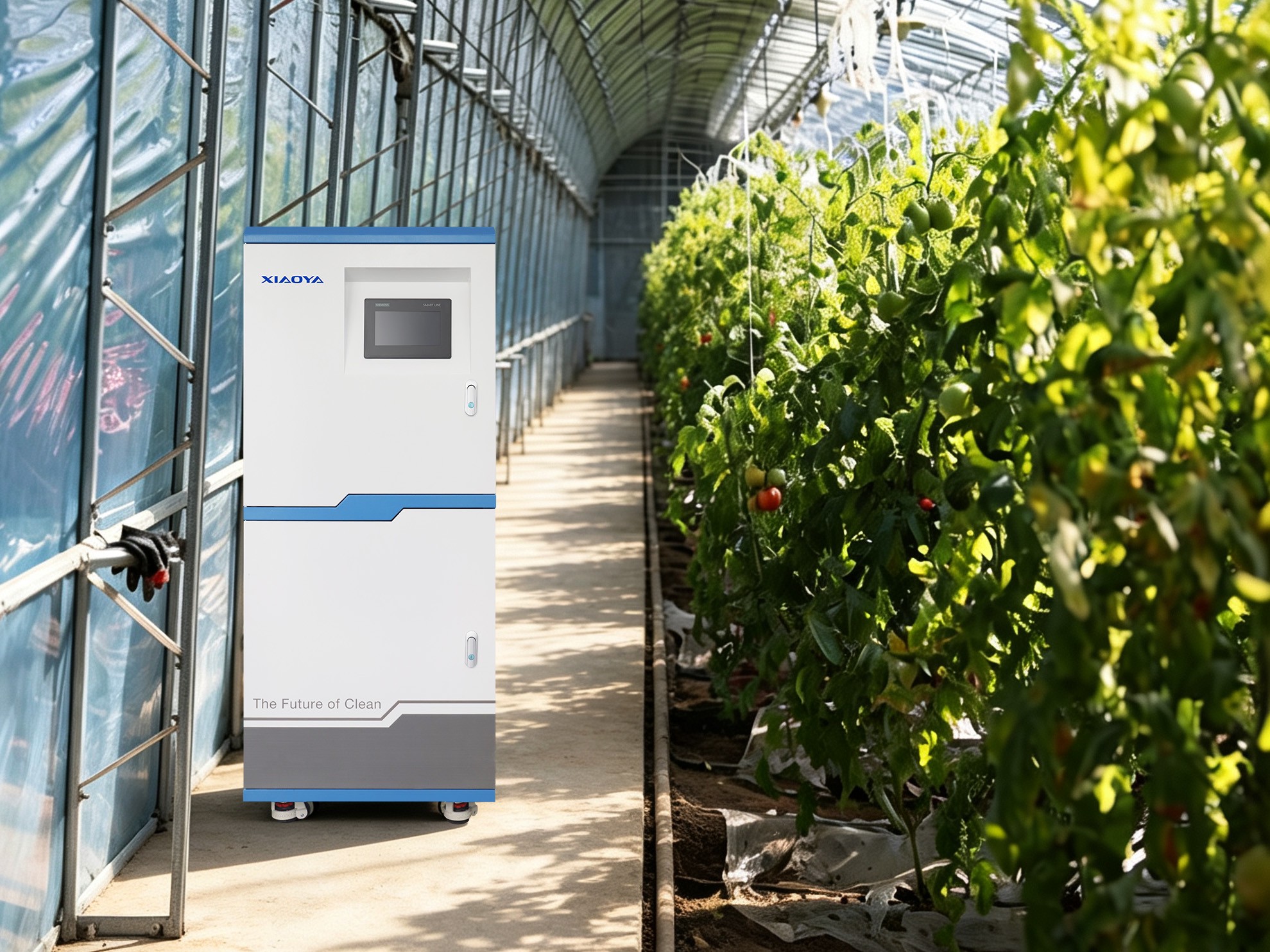
As a widely cultivated Solanaceae economic crop across China, tomatoes grown in facility greenhouses yield high production and excellent economic benefits. However, the sealed and humid growing environment easily breeds various pathogens. For a long time, growers have relied heavily on chemical pesticides to prevent and control common diseases such as gray mold, early blight, bacterial wilt, as well as seedling damping-off and rhizoctonia rot. This reliance not only easily leads to drug resistance in pathogens, making pest and disease control increasingly difficult, but also causes pesticide residues, soil degradation, and ecological imbalance. These issues affect tomato fruit quality and food safety, while also constraining the sustainable development of the facility tomato industry. Traditional disinfection methods have many drawbacks, including high costs, persistent chemical residues, incomplete sterilization, and frequent plant injury. Consequently, the industry urgently needs a safe, highly efficient, and zero-residue green plant protection technology as an alternative.
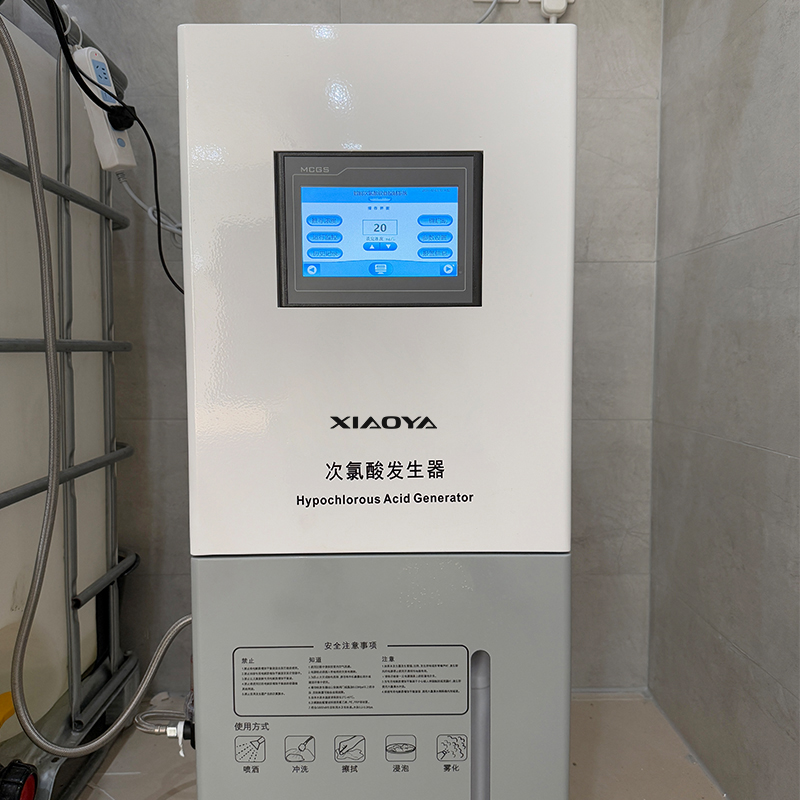
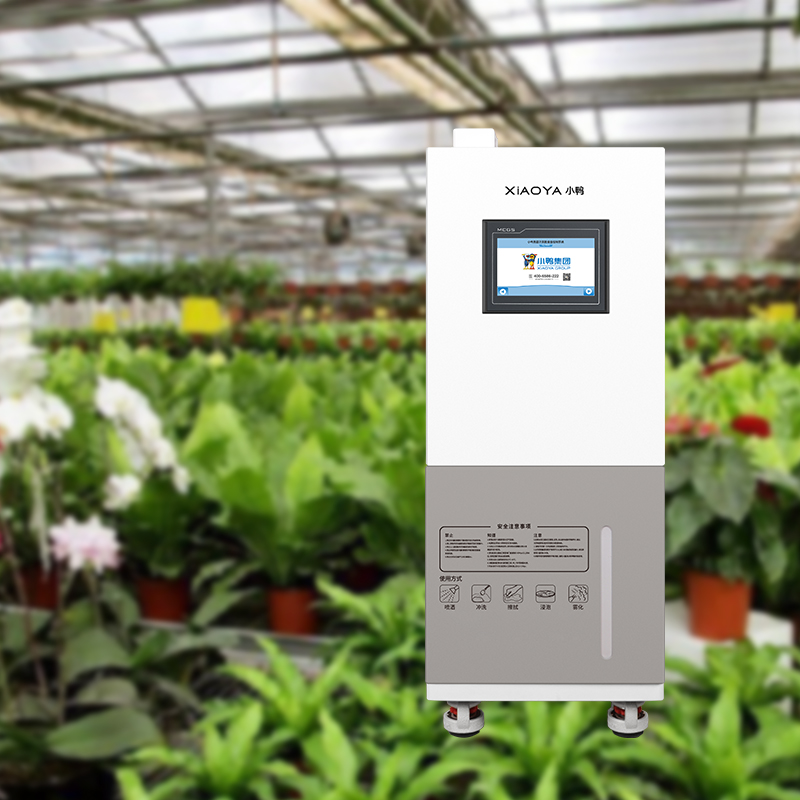
Relying on mature electrochemical electrolysis technology, the electrolytic salt hypochlorous acid generator smartly electrolyzes dilute brine using a specially designed titanium anode electrolytic cell, generating a highly active, weakly acidic hypochlorous acid (HClO) aqueous solution in real time. Unlike traditional chemical disinfection products, this technology uses only salt and pure water as raw materials, eliminating the need to store or mix chemical agents. The production process is safe and pollution-free. The generated hypochlorous acid features broad-spectrum, rapid-acting sterilization, rapidly destroying the cell membranes and enzyme systems of bacteria, fungi, and viruses, with a sterilization rate exceeding 99.9%. Furthermore, after performing its action, it quickly reduces back into regular water, leaving zero chemical residues, causing no phytotoxicity to plants, and preserving soil microbial communities—making it a perfect fit for green agriculture and pollution-free fruit and vegetable cultivation standards.
In practical tomato cultivation, this equipment delivers full-cycle, precise empowerment, covering key stages throughout the growing process with remarkable results:
Seedling Stage: By atomizing and spraying the hypochlorous acid solution, thorough disinfection can be performed on seedbeds, seedling trays, growing substrates, and the overall greenhouse environment. This blocks pathogen transmission right at the source, significantly reduces the incidence of damping-off and rhizoctonia rot, and effectively improves the survival rate and strong seedling rate of tomato seedlings, laying a solid foundation for stable and high yields.
Growing Stage: The growth stage is a critical period for disease prevention and control, as well as a high-frequency phase for traditional pesticide use. To tackle prevalent greenhouse tomato diseases—such as gray mold, early blight, downy mildew, and bacterial wilt—growers can intelligently adjust the equipment's output concentration based on plant growth and disease severity. By applying a low-concentration solution (30–50 ppm) through regular foliar spraying and root-zone irrigation disinfection, growers can efficiently suppress pathogen reproduction and sever the transmission chain while avoiding the misuse of chemical pesticides. Practical field tests across multiple cultivation bases demonstrate that this technology can reduce chemical pesticide usage by 30% to 50%, achieving a comprehensive disease control effect of over 88%, effectively resolving persistent cultivation challenges such as continuous cropping obstacles and root rot.
Irrigation Water Purification: The equipment continuously disinfects and purifies tomato irrigation water. By precisely supplying sterile hypochlorous acid aqueous solution into the irrigation system, it kills pathogenic and harmful bacteria in the water, eliminates waterborne disease transmission, improves the rhizosphere growth environment, enhances water and fertilizer absorption efficiency, promotes healthy plant growth, reduces the occurrence of deformed or small fruits, and significantly improves fruit uniformity, color, and flavor.
Post-Harvest Preservation: In the post-harvest preservation stage, the hypochlorous acid aqueous solution can be used for fruit washing and fogging disinfection in storage environments. It effectively inhibits the proliferation of surface pathogens, delays fruit oxidation and decay, extends the storage and transport shelf life of tomatoes, supports long-distance transportation and sales, reduces post-harvest loss, and tangibly increases economic returns.
Compared with traditional plant protection modes, the electrolytic salt hypochlorous acid generator possesses four core advantages: low cost, zero residue, full coverage, and easy operation. Its intelligent, integrated design features one-touch start/stop and automated concentration regulation, requiring no professional operators, making it suitable for diverse scenarios such as household farming, agricultural cooperatives, and large-scale planting bases. Raw materials—table salt and water—are inexpensive, eliminating the need to frequently purchase finished chemical agents and drastically lowering disinfection costs. Generated entirely through physical electrolysis without chemical additives, it completely solves the problem of excessive pesticide residues, helping tomatoes meet pollution-free and green agricultural product standards, thereby boosting core market competitiveness.
The green development of agriculture is the core direction of modern agricultural transformation and upgrading, and the widespread application of green plant protection technology serves as a key driver. The successful implementation of the electrolytic salt hypochlorous acid generator in tomato cultivation effectively resolves plant protection bottlenecks in facility Solanaceae crop production, offering a replicable and scalable new model for green, high-quality tomato farming. Looking forward, with continuous technological iterations and broader adoption, this equipment will be widely applied across various fruit and vegetable growing sectors, continuously cutting chemical inputs in agriculture, improving farmland ecological environments, assisting in agricultural quality and efficiency enhancement, and injecting strong momentum into rural industrial revitalization and green agricultural development.
NEWS
 Next-Generation Hypochlorous Acid System Solution for Sterile Self-Service Laundromats Officially Released
- Upgrade in Healthy Living: Hypochlorous Acid Generators Become the New Standard for Luxury Villas
- The Ultimate Solution to Pet Shop Disinfection Challenges! XIAOYA Hypochlorous Acid Generator: Safe Pet Protection with Peace of Mind
 Hypochlorous Acid Generator vs Sodium Hypochlorite Generator
- Hypochlorous Acid Generator Supplier
Leave us a message

Xiaoya Group was founded in 1979,expert in the electrolyzed water industry.
Get in Touch
*We respect your confidentiality and all information are protected.