news
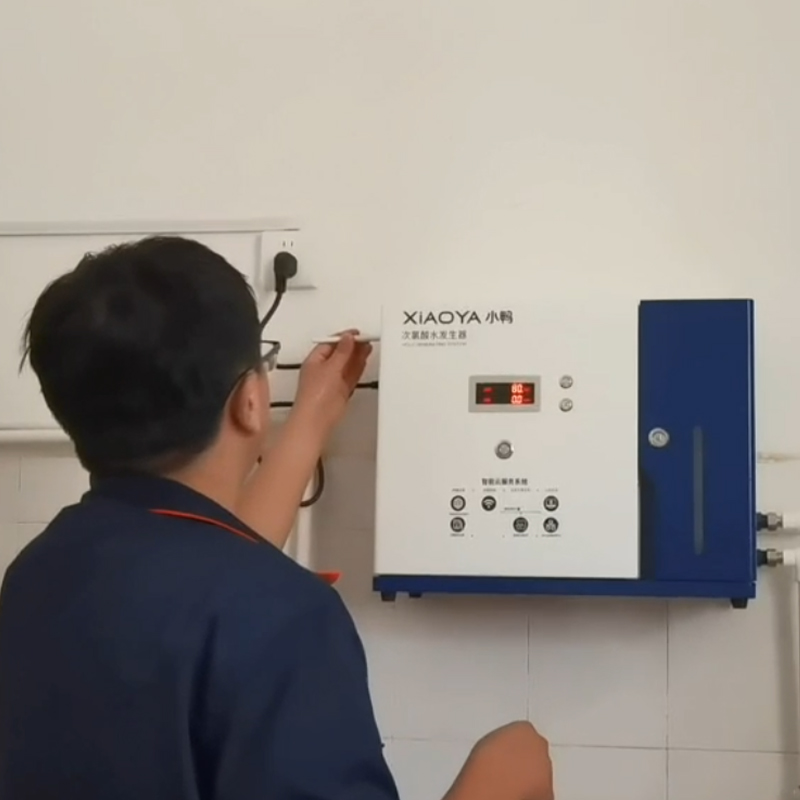
Sodium Hypochlorite Generator and Water Purification Method in Automated Equipment
A sodium hypochlorite generator is no longer a niche piece of treatment equipment. In many real-world water systems, it sits in a practical middle ground: stronger process control than manual chemical dosing, lower handling risk than transporting large volumes of finished disinfectant, and easier integration into automated equipment than many people expect. That matters for manufacturers working across kitchen and bathroom appliances, health care and disinfection appliances, clean energy, and small household appliances, especially when water quality is tied directly to hygiene, odor control, or product reliability.
The basic idea is straightforward. The generator uses electrolysis, typically with salt and water as inputs, to produce a chlorine-based disinfecting solution on site. In a water purification method, that solution is dosed into the target water stream to inactivate bacteria, viruses, and other microorganisms. But in practice, the value of the system does not come from “making disinfectant” alone. It comes from how stable the output is, how well the dosing matches actual water demand, and whether the automation around the generator is good enough to keep treatment consistent day after day.
Why on-site generation is often chosen over purchased chemicals
In discussions about water treatment, people often jump straight to concentration or sterilization claims. The more useful question is usually operational: what is easier to manage over time? Purchased sodium hypochlorite degrades in storage, especially under heat and light. Once concentration drifts, dosing calculations drift with it. For an automated line or a facility with variable water consumption, that becomes a control problem, not just a chemistry problem.
On-site generation reduces that uncertainty. You generate disinfectant when needed, feed it into the process under controlled conditions, and connect the unit to sensors, alarms, or dosing pumps. For companies that already design or manufacture appliance-related systems, this fits naturally with broader R&D and production logic: fewer manual steps, more repeatable output, and less dependence on chemical storage logistics.
That said, it is not automatically the right answer for every project. If the water volume is very small, if the site has unstable power quality, or if maintenance resources are limited, the total system design needs a closer look. A generator works best when it is treated as part of a process, not as a standalone box expected to solve every water issue.
How the water purification method actually succeeds or fails
A common misunderstanding is that stronger chlorine always means better purification. In reality, water purification depends on several linked factors: the quality of inlet water, contact time, dosing accuracy, pipe condition, and whether biofilm is already established in the system. A sodium hypochlorite generator can provide an effective disinfection source, but if the water line is heavily scaled or the distribution network has dead legs, microbial control may remain uneven.
This is why experienced integrators usually look at the whole flow path. In kitchen and bathroom appliance manufacturing, for example, water may be involved in cleaning, testing, or auxiliary processing. In health care and disinfection equipment, the expectations are higher because microbial risk tolerance is lower. In small household appliances, the challenge may be compact design and cost control rather than large-scale throughput. The water purification method has to match the application instead of being copied from another industry.
Automation adds another layer of realism. A good system should not rely on operators “remembering” to adjust concentration. It should use predictable logic for dosing, monitor operating conditions, and include protective functions where needed. That is where equipment design experience matters as much as disinfection chemistry.
What engineers usually evaluate before selecting a generator
Before choosing a sodium hypochlorite generator, most technical teams end up checking a similar set of issues, even if they phrase them differently:
- Required disinfection target and whether residual chlorine must be maintained in the pipeline
- Daily and peak water demand rather than only average flow
- Inlet water pressure, water quality, and the site’s power conditions
- Whether the application needs modular expansion later
- Maintenance interval, electrolyzer life, and sensor reliability
- Local rules on disinfection use, discharge, and water-contact applications
Those checks sound basic, but they are where many bad selections start. Some buyers focus only on headline output, then discover that installation conditions or control logic do not match the actual site. Others choose a unit sized exactly to current demand with no room for fluctuation. In automated equipment, undersizing is often more expensive later than choosing a slightly more flexible platform up front.
A useful reference from livestock water and environment control
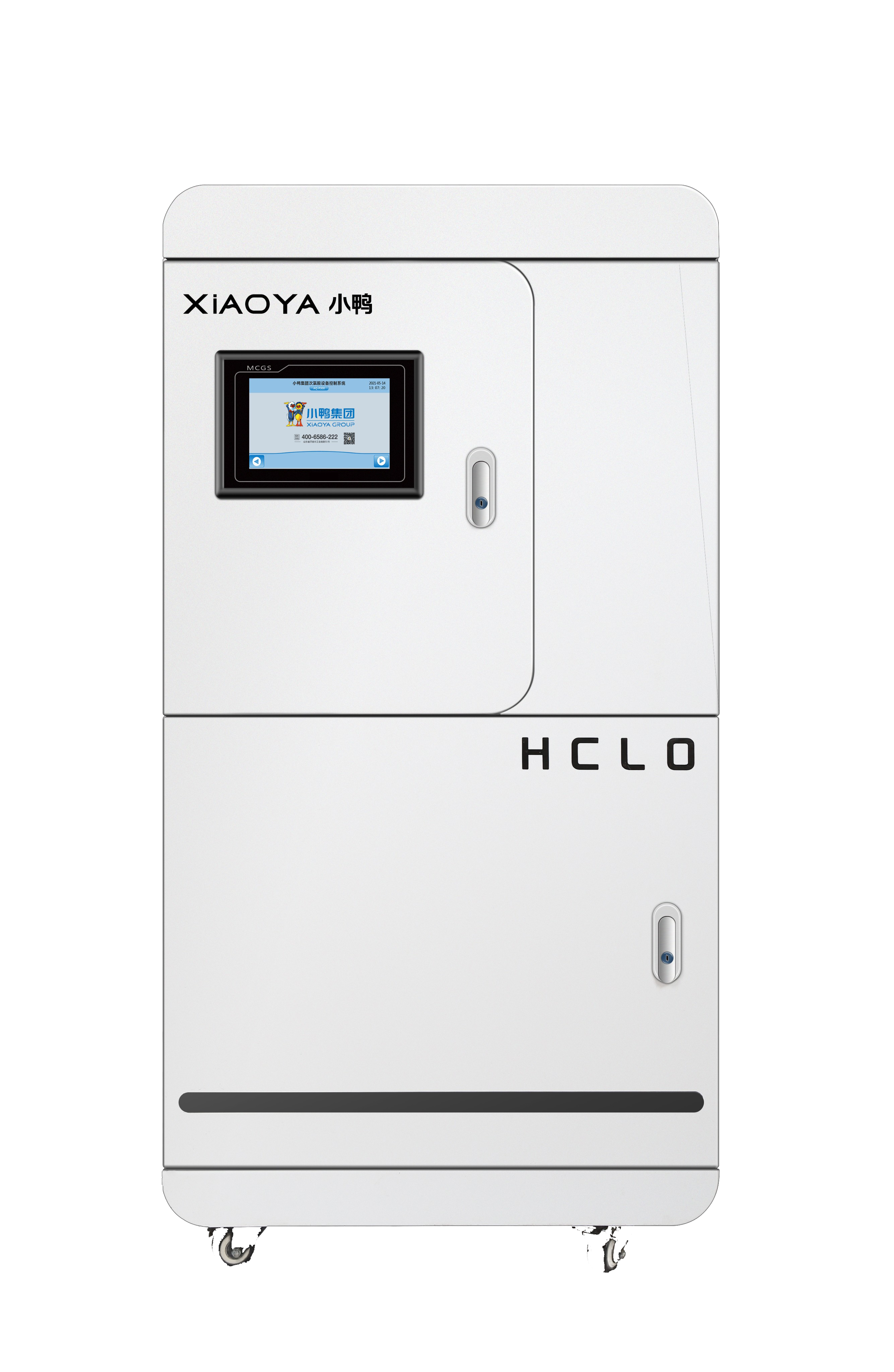
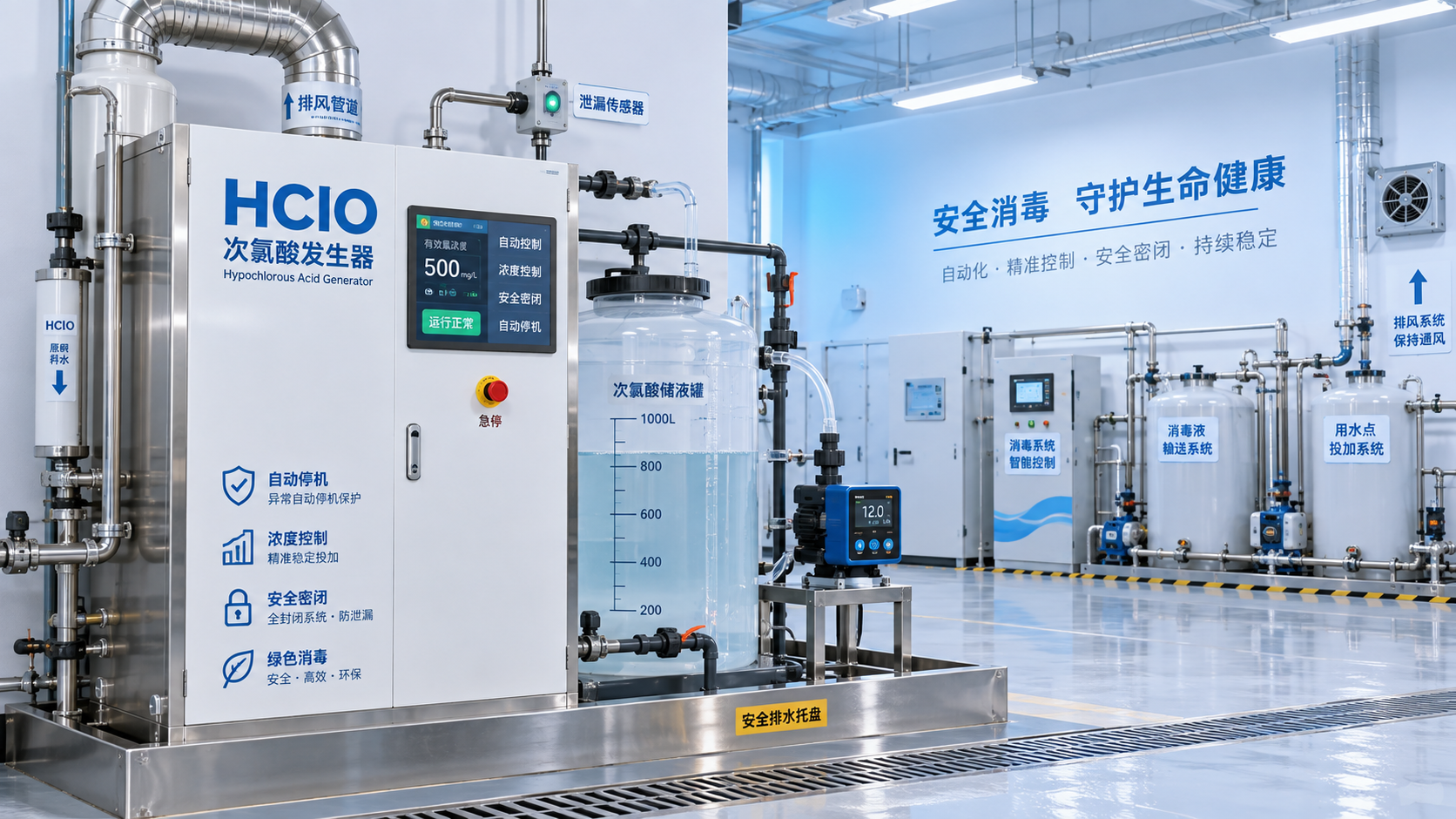
One area where these design principles become very concrete is animal husbandry. Water safety, odor control, and environmental hygiene all affect operation quality, and disinfection often has to happen while livestock remain present. A system such as the Hypochlorous Acid Generator for Animal Husbandry and Breeding shows how the industry is moving toward integrated, application-specific equipment rather than generic chemical dosing.
The AQ-P1000 configuration illustrates the kind of parameters engineers actually compare: production capacity of 1000 L/h, pH 6.37, available chlorine concentration adjustable from 10 to 300 mg/L, rated power 420 W, inlet water pressure 0.15 to 0.25 MPa, and electrolyzer service life of at least 3000 hours. On paper, those numbers are just specifications. In the field, they translate into more practical questions: can the unit support continuous use, can it inhibit biofilm in drinking water lines, and does the control system provide enough safety protection for a live breeding environment?
That is also why modular design and multiple sensor protection are worth more than they first appear. They reduce the operator burden and make the disinfection process less dependent on guesswork. The same logic applies well beyond farms. Any sector dealing with hygiene-sensitive water use can learn from this approach.
Where this matters for appliance and clean-energy related manufacturing
For enterprises integrating R&D, production, and operation across kitchen and bathroom appliances, health care and disinfection appliances, clean energy, and small household appliances, water treatment is rarely an isolated utility issue. It influences production cleanliness, test consistency, downstream maintenance, and in some cases the final user experience.
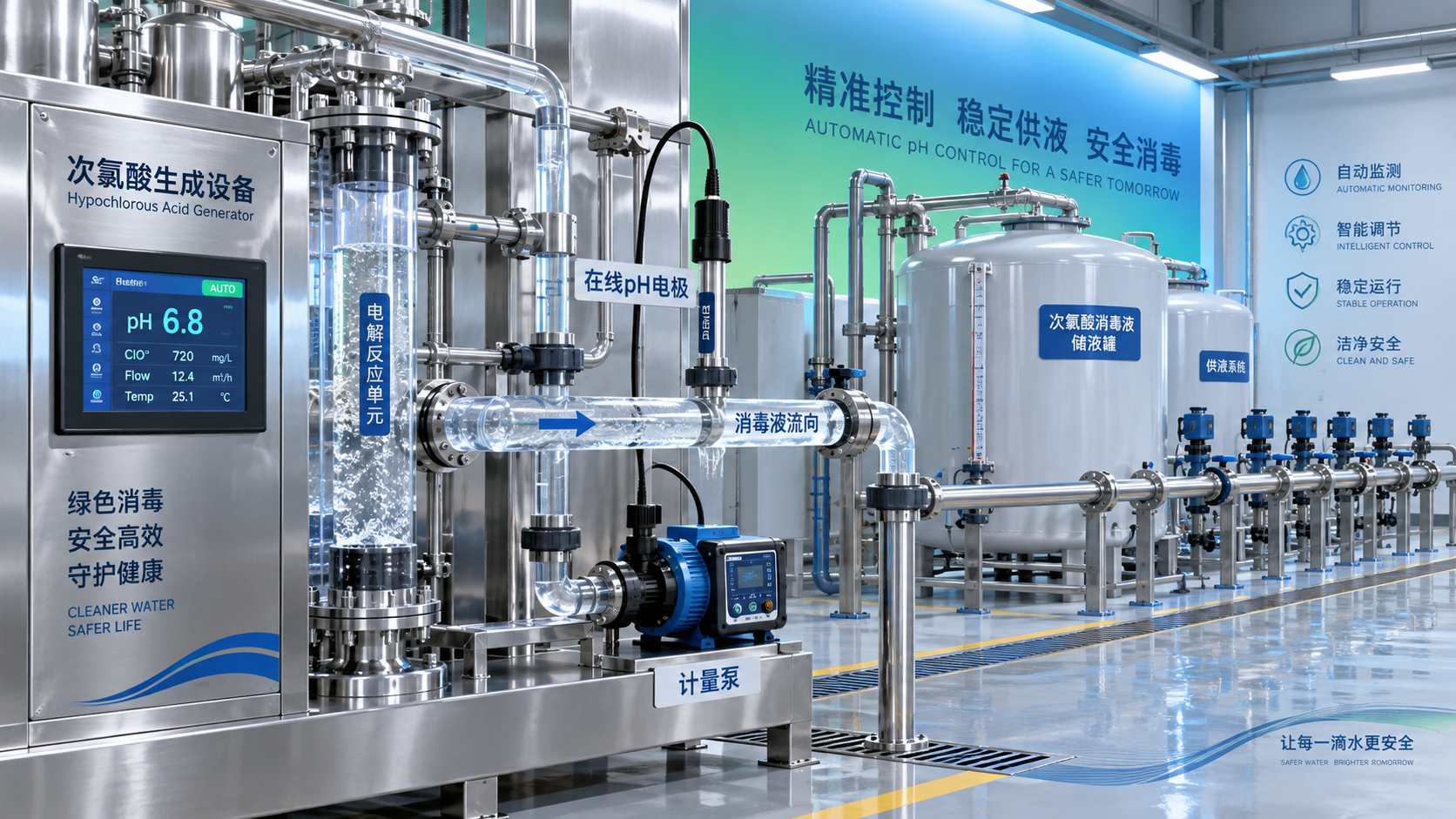
In automated production environments, the more interesting opportunity is not simply installing a generator. It is designing the surrounding system so water treatment can be measured, adjusted, and traced. That may include conductivity checks, residual monitoring, timed dosing, or interlocks with other process equipment. When done properly, the water purification method becomes part of the equipment architecture rather than an afterthought added during troubleshooting.
There is also a product-development angle. As end users expect cleaner, safer, and lower-maintenance appliances, manufacturers increasingly need in-house familiarity with disinfection and water handling technologies. Not every company will build a water treatment product line, but many will benefit from understanding how sodium hypochlorite generation fits into future equipment platforms.
A few cautions that are easy to overlook
Three issues come up repeatedly in project discussions. The first is assuming all chlorine-based systems behave the same. They do not. Output stability, pH range, and active species distribution can change practical performance. The second is ignoring cleaning and maintenance. Even a well-designed electrolyzer needs proper operating conditions and periodic attention. The third is treating compliance as a paperwork step. In some applications, especially where water contacts people, animals, or regulated equipment, the intended use and local requirements should be confirmed early.
If a company is comparing solutions, the most sensible next step is usually not asking which machine is “best.” It is defining the water scenario clearly: source water, treatment target, operating hours, automation level, and acceptable maintenance routine. Once those are clear, the right sodium hypochlorite generator and water purification method become much easier to judge on technical merit instead of marketing language.
NEWS
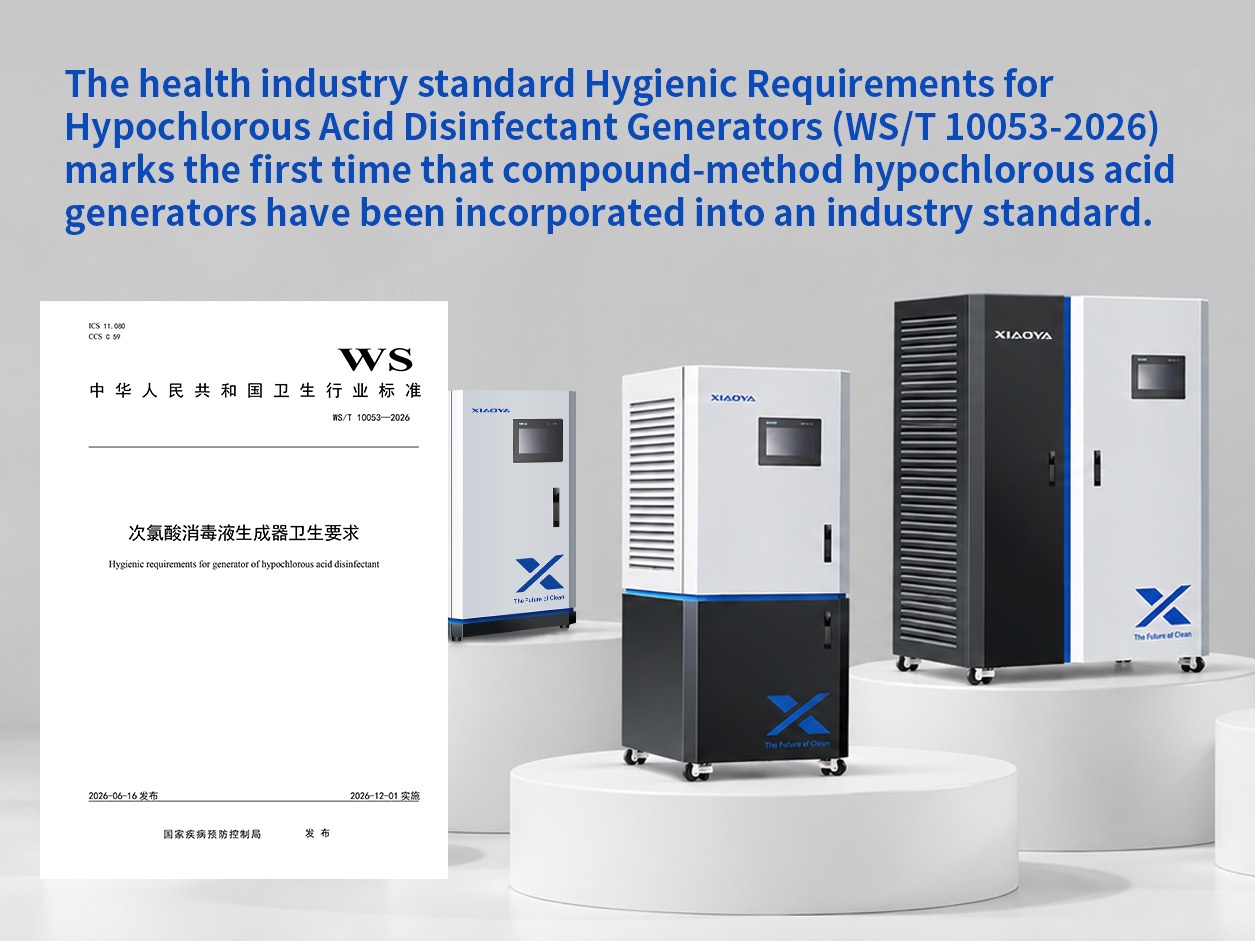
 WS/T 10053-2026 Includes the Compound Method for the First Time: Standard Signals and Market Opportunities for Mass Agricultural Production of Hypochlorous Acid Generators
 Evaluating HClO Generator Lifecycle Costs Beyond the Initial Equipment Price
 HClO Generator pH Control: Why It Determines Disinfection Performance
- Which Safety Features Matter Most When Buying an HClO Generator?
 Troubleshooting Low ORP Readings on a Hypochlorous Acid Machine
Leave us a message

Xiaoya Group was founded in 1979,expert in the electrolyzed water industry.
Get in Touch
*We respect your confidentiality and all information are protected.