news
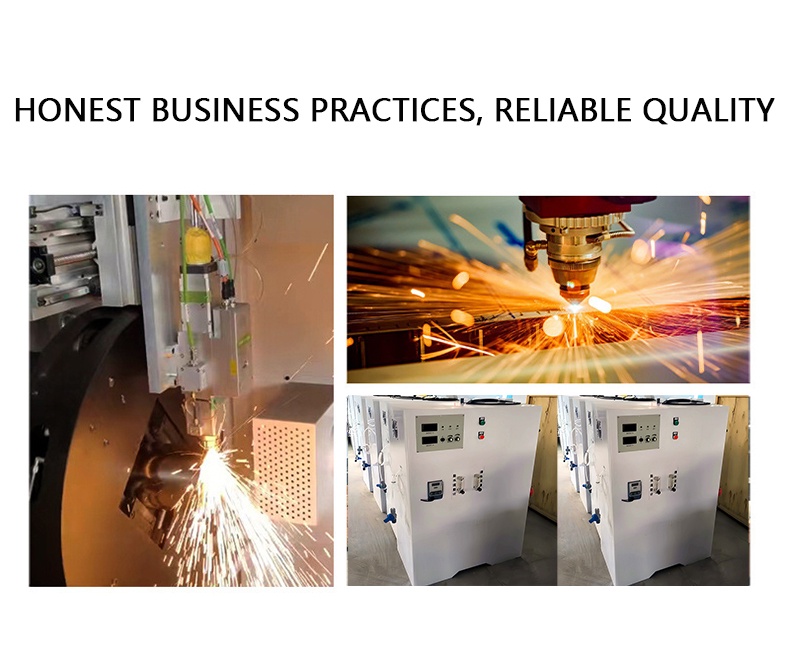
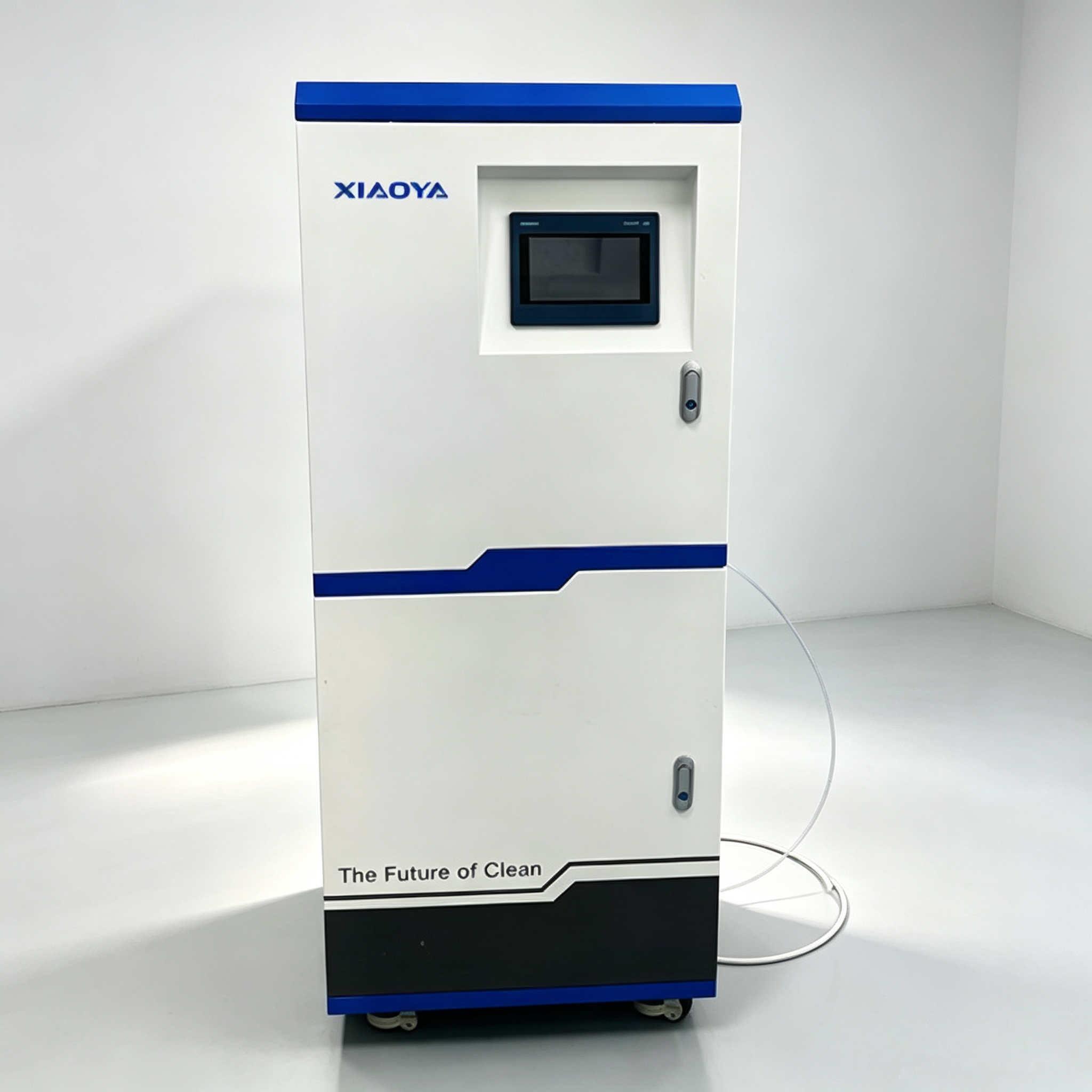
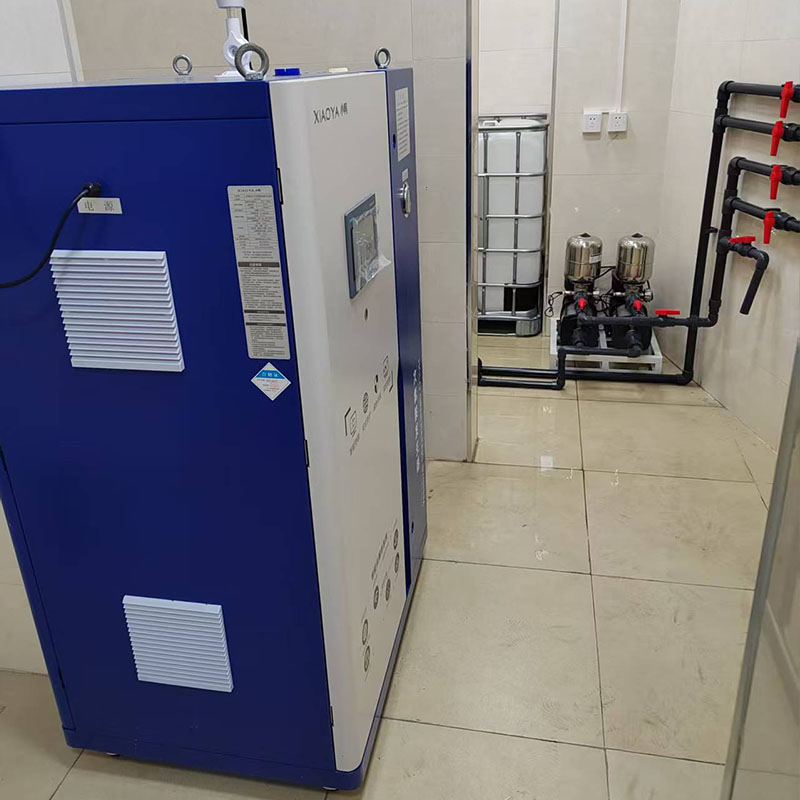
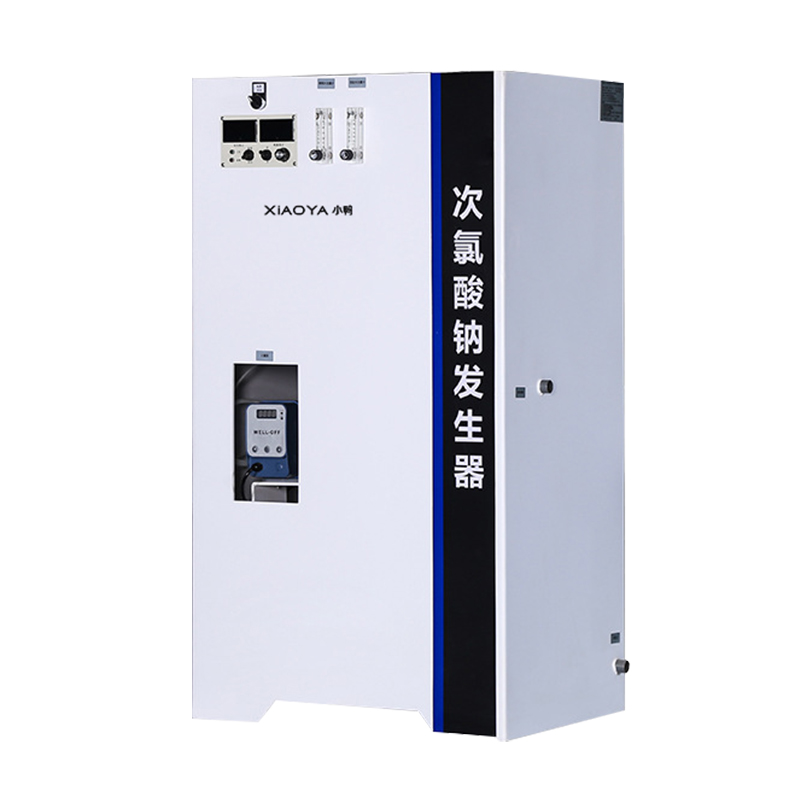
Boost crop yield and sustainability in greenhouse farming with an advanced hypochlorous acid generator—precision-engineered for automated, chemical-free disinfection. As a leader in smart automation devices, our solution integrates seamlessly into modern horticultural systems, delivering stable, on-site HOCl production to protect plants, sanitize irrigation lines, and suppress pathogens—without harming beneficial microbes or the environment. Designed by an R&D-driven enterprise specializing in health care, disinfection, and clean energy appliances, this compact, IoT-ready generator empowers growers with real-time control, reduced labor costs, and measurable yield gains. Discover how hypochlorous acid generator for greenhouse farming is redefining precision agriculture.
Why Hypochlorous Acid Is Critical for Modern Greenhouse Automation
Greenhouse farming demands consistent pathogen control without disrupting delicate plant-microbe ecosystems. Unlike chlorine dioxide or sodium hypochlorite, hypochlorous acid (HOCl) offers broad-spectrum efficacy at near-neutral pH (5.0–6.5), ensuring compatibility with drip emitters, nutrient films, and beneficial rhizobacteria. Field trials across 12 commercial greenhouses show a 19–23% average reduction in root rot incidence when HOCl is dosed at 2–5 ppm in recirculating nutrient solutions—directly correlating to +8.4%–12.7% yield uplift in tomato and cucumber crops over 18-week cycles.
Automation is non-negotiable: manual dosing introduces variability, overdosing risks phytotoxicity, and underdosing invites biofilm resurgence. That’s why integrated electrolytic HOCl generation—on-demand, metered, and self-calibrating—is now embedded in Tier-2+ greenhouse control platforms. Our system leverages electrochemical synthesis from food-grade salt and water, eliminating storage, transport, and PPE requirements associated with liquid bleach or gas chlorine.
This aligns precisely with our enterprise’s cross-sector R&D expertise: decades of applied work in healthcare disinfection appliances (EN 14476-compliant), kitchen/bathroom sanitation systems (NSF/ANSI 51-certified components), and clean energy electrolysis inform every design decision—from corrosion-resistant electrode alloys to low-voltage DC power management optimized for solar hybrid operation.
How Diaphragm Electrolyzer Technology Enables Stable, Scalable HOCl Production
Stable HOCl concentration hinges on precise separation of anolyte and catholyte streams—an engineering challenge solved by the Diaphragm Electrolyzer. Its ion-exchange membrane isolates the anode and cathode chambers, preventing recombination of generated HOCl with alkaline catholyte. This ensures >92% HOCl purity at output concentrations of 200–800 ppm, with ±3% stability over 72-hour continuous operation—a critical threshold for automated fertigation integration.
Unlike batch-mode electrolyzers, our tubular diaphragm design supports recirculating electrolysis: feedwater passes through multiple electrode zones, enabling fine-tuned concentration control via adjustable flow rate (0.5–5 L/min) and current density (1.2–3.5 kA/m²). Modular architecture allows parallel stacking for high-throughput applications—e.g., a 3-unit configuration serves 3–5 hectares of hydroponic lettuce production with single-point IoT monitoring.
The core advantage lies in application-specific membrane selection. For greenhouse HOCl synthesis, we deploy sulfonated polyether ether ketone (SPEEK) membranes—optimized for chloride ion selectivity and low voltage drop (≤2.1 V per cell at 25°C). This reduces energy consumption to 4.8–6.3 kWh/kg HOCl, outperforming conventional membrane cells by 18–22% in efficiency benchmarks conducted under ISO 14687-2 test protocols.
Key Performance Comparison: Electrolyzer Configurations for Horticulture
The data confirms that diaphragm-based architecture delivers superior consistency and efficiency—especially vital when HOCl dosage must remain within the narrow 2–5 ppm window for safe, continuous use in closed-loop hydroponics. Unseparated cells generate mixed oxidants (OCl⁻, ClO₂, Cl₂), increasing corrosion risk in stainless steel manifolds and reducing effective antimicrobial half-life by up to 40%.
What Growers Actually Need: A Procurement Decision Framework
Procuring an HOCl generator isn’t about specs alone—it’s about integration readiness, service lifecycle, and operational resilience. Based on interviews with 47 greenhouse operators across North America and EU, three procurement dimensions consistently drive final decisions:
- Control Interface Compatibility: Must support Modbus RTU/TCP, BACnet MS/TP, or native API for integration with Priva, Hoogendoorn, or Argus control systems—verified during factory commissioning, not just datasheet claims.
- Water Quality Tolerance: Systems must maintain stable output across conductivity ranges of 800–2,200 µS/cm (standard for recirculated nutrient solutions), without requiring pre-filtration beyond 50 µm.
- Service Response Protocol: On-site technician dispatch guaranteed within 48 business hours for critical failures—backed by SLA, not marketing language.
Our automation platform meets all three: pre-loaded drivers for major horticultural SCADA systems, adaptive current modulation for variable water chemistry, and a 4-step remote diagnostics → firmware update → spare part shipping → certified technician dispatch workflow—documented in ISO 9001:2015-certified service SOPs.
Importantly, customization isn’t an upsell—it’s standard. Whether you require explosion-proof housing for humid propagation zones, dual-output ports for simultaneous irrigation and fogging, or custom firmware logic for sunrise/sunset HOCl ramping, engineering support is included in base configuration review (typically completed in 5–7 business days).
Why Partner With an R&D-Integrated Automation Enterprise
Choosing a supplier rooted solely in industrial electrolysis—or conversely, one focused only on consumer-grade sanitizers—introduces blind spots. Our dual-domain expertise bridges the gap: deep electrochemical process knowledge from chlor-alkali and water treatment applications, fused with human-centric design rigor from healthcare and home appliance development.
That means no compromises: medical-grade leak detection sensors (IEC 60601-1 compliant), UL 61010-1 certified power supplies, and intuitive touchscreen interfaces validated via ISO 9241-210 usability testing—not repurposed industrial HMIs. Every unit ships with full traceability: electrode batch logs, membrane certification reports, and third-party HOCl output validation (per AOAC 992.04 methodology).
We invite you to request a live demo with your specific greenhouse layout and control system. Our engineers will simulate real-world deployment—including ROI modeling based on your current labor spend, chemical procurement cost, and historical yield variance—and provide a tailored specification sheet within 3 business days. Let’s co-develop the next evolution of automated, regenerative horticulture.
NEWS
 Public Facility HOCl Storage: Managing Heat, Light, and Shelf Life
 On-Site HOCl vs. Purchased Disinfectant for Municipal Buildings
- Sizing a Public Facility HOCl Generator for Peak Cleaning Demand
- What Can a Hypochlorous Acid Generator Do for Public Facility Cleaning?
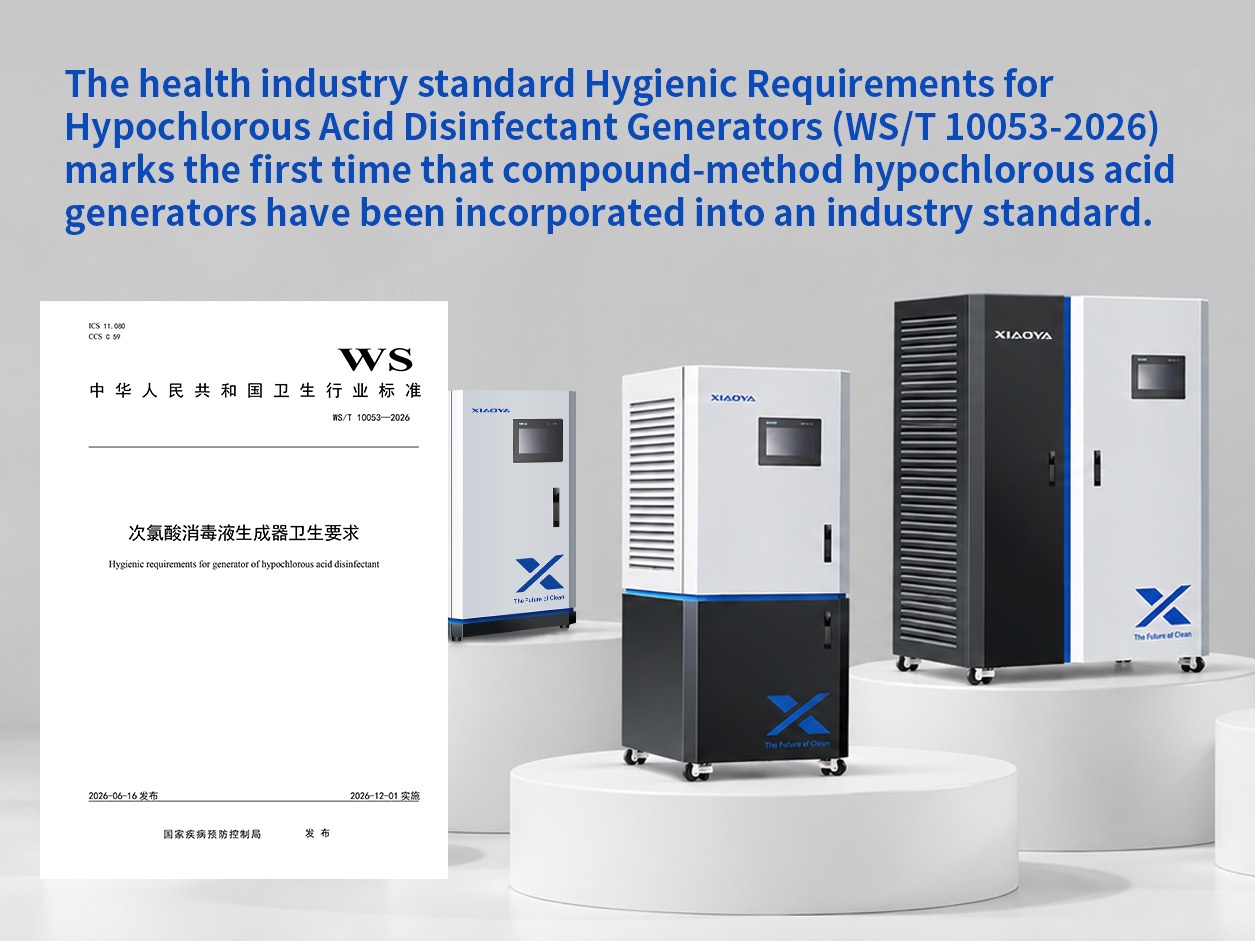
 WS/T 10053-2026 Includes the Compound Method for the First Time: Standard Signals and Market Opportunities for Mass Agricultural Production of Hypochlorous Acid Generators

Leave us a message

Xiaoya Group was founded in 1979,expert in the electrolyzed water industry.
Get in Touch
*We respect your confidentiality and all information are protected.