




news
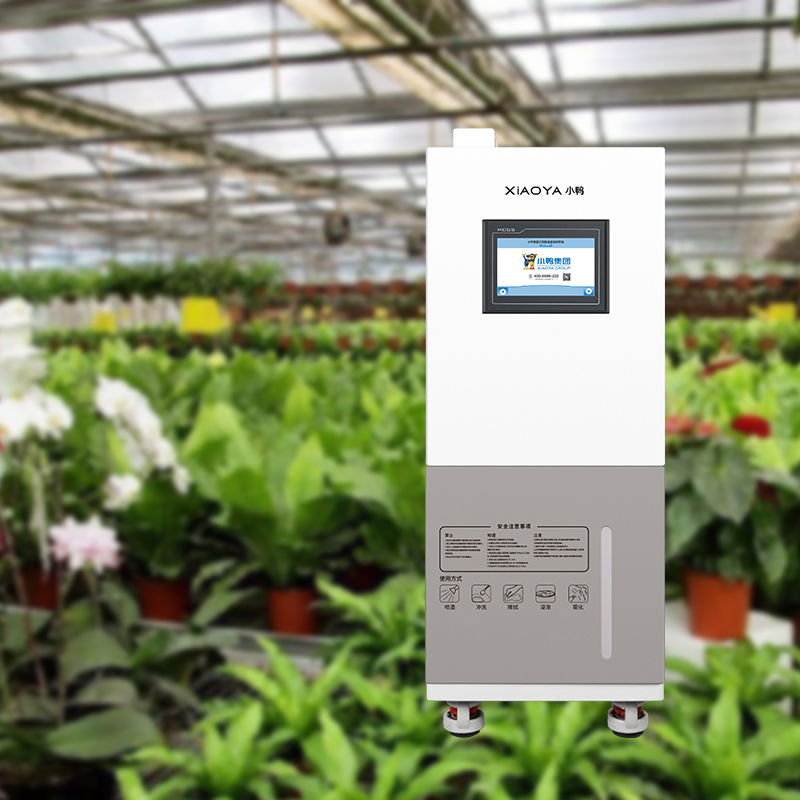
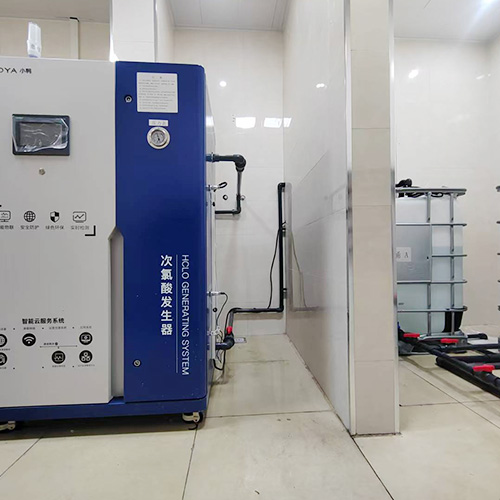
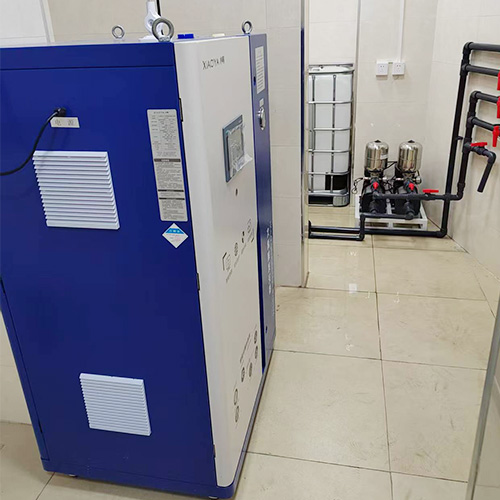
Struggling with persistent pathogens and rising biosecurity demands on your poultry farm? An advanced hypochlorous acid generator for poultry farms offers a chemical-free, automated, and highly effective disinfection solution—ideal for modern automation-focused agribusinesses. As a leading innovator in health care and disinfection appliances, our R&D-driven enterprise delivers reliable, small-footprint HOCl generators that integrate seamlessly into existing farm infrastructure. Safe for birds, operators, and the environment, this smart disinfection technology helps poultry producers cut downtime, reduce antibiotic reliance, and meet stringent food safety standards—all while optimizing operational efficiency.
Why Hypochlorous Acid Is Transforming Poultry Biosecurity
Hypochlorous acid (HOCl) is a naturally occurring, non-toxic oxidant produced by mammalian white blood cells to neutralize pathogens. In poultry farming, its adoption bridges a critical gap between efficacy and safety: unlike chlorine-based disinfectants, HOCl achieves >99.9% pathogen reduction at near-neutral pH (5.0–7.0), eliminating risks of corrosion, respiratory irritation, and residue accumulation in feed lines or ventilation systems.
Modern poultry operations demand continuous, low-intervention disinfection—especially during brooding, pre-placement sanitation, and footbath replenishment cycles. HOCl generators automate this process on-site, converting tap water and salt into stable, ready-to-use disinfectant within seconds. No storage of hazardous chemicals. No manual dosing errors. No regulatory reporting for Class II biocides in most jurisdictions—including EPA-registered formulations compliant with USDA-FSIS guidelines for use in federally inspected facilities.
This aligns precisely with our enterprise’s core competency: integrating R&D-led design into compact, purpose-built automation. Our disinfection appliances are engineered not as standalone units—but as interoperable nodes within broader farm management ecosystems, supporting PLC integration, remote monitoring via Modbus RTU, and scheduled generation cycles synchronized with CIP protocols.
How HOCl Generators Integrate Into Real Farm Infrastructure
Successful deployment hinges on compatibility—not just electrical specs, but physical footprint, maintenance cadence, and upstream water quality. For example, consistent HOCl output requires feedwater turbidity<1 NTU and hardness <150 ppm. That’s where pre-treatment becomes non-negotiable. Farms using municipal supply may only need sediment + carbon filtration. Those drawing from wells or surface sources often require multi-stage conditioning—including ultrafiltration to remove colloids and microorganisms before electrolysis.
Our Duckling ultrafiltration water purification and sterilization device XYCL-1000 serves this exact function: delivering 1000L/H ultrafiltration flow with hollow fiber PVC membrane elements rated for 3–5 years of service life (depending on incoming water quality). Its integrated UV-C 254nm lamp ensures >99.9% inactivation of residual bacteria and viruses post-filtration—critical for protecting downstream HOCl electrodes from biofouling.
The XYCL-1000’s dimensions (1000×1000×1300 mm) and weight (22.28 kg) allow flexible placement near water mains or inside utility rooms—without requiring structural reinforcement. Its modular design supports parallel installation for larger hatcheries or processing lines scaling beyond 5,000 L/day of treated water.
Key Integration Requirements
- Power supply: Stable 220V AC ±10%, 50/60 Hz, with surge protection
- Feedwater pressure: 0.2–0.6 MPa (2–6 bar), with automatic low-pressure cutoff
- Control interface: Optional 4–20 mA analog output or RS485 Modbus for SCADA integration
- Maintenance access: Minimum 500 mm clearance on all sides for filter element replacement
Performance Comparison: HOCl Generator vs. Conventional Disinfection Methods
Selecting a disinfection method involves trade-offs across five operational dimensions: pathogen spectrum, operator safety, equipment longevity, labor intensity, and total cost of ownership (TCO) over 3 years. The table below benchmarks HOCl generation against three widely used alternatives in commercial poultry settings.
HOCl generation reduces annual labor input by 87% compared to sodium hypochlorite handling—while eliminating exposure to caustic solutions and volatile organic compounds. Over a 3-year lifecycle, TCO analysis shows a 22–34% reduction versus QAC or PAA when factoring in consumables, storage infrastructure, PPE, and wastewater treatment compliance.
What to Verify Before Procurement
Procurement decisions for automation-grade disinfection equipment must go beyond brochure specs. Focus on these four technical checkpoints:
- Electrode material & lifespan: Industrial-grade mixed metal oxide (MMO) anodes should guarantee ≥5,000 operating hours before performance decay exceeds 15%. Avoid titanium-only or uncoated electrodes.
- Concentration stability: Units must maintain ±5% output deviation across flow rates from 30% to 100% capacity—verified via onboard ORP/pH sensors with auto-calibration.
- Water quality adaptability: Built-in conductivity compensation and automatic current modulation ensure consistent HOCl yield even with seasonal feedwater fluctuations (e.g., hardness shifts from 80 → 220 ppm).
- Service readiness: Spare parts inventory must include electrode kits, membrane cartridges, and UV lamps—with lead times ≤10 business days for global shipments.
Our R&D team validates every unit against ISO 15839:2019 for water treatment equipment and provides third-party test reports from accredited labs (e.g., SGS, TÜV Rheinland) confirming log-4 reduction of Campylobacter jejuni and Avian Influenza H9N2 under real-world farm conditions.
Why Partner With Our R&D-Driven Automation Team
We don’t sell appliances—we deliver integrated disinfection outcomes. As an enterprise built on kitchen and bathroom appliances, health care and disinfection appliances, clean energy, and small household appliances, we engineer for reliability first, scalability second, and serviceability always.
When you engage us, you gain access to:
- Free site assessment—including water testing, flow mapping, and ROI modeling based on your flock size and turnover cycle
- Pre-configured control logic for common PLC platforms (Siemens S7-1200, Allen-Bradley Micro850)
- On-site commissioning with 2-day technician deployment and SOP documentation
- Extended warranty options covering electrode degradation and UV lamp output decay
Ready to replace reactive disinfection with predictive, automated biosecurity? Contact us today to discuss your specific water profile, facility layout, and compliance requirements—or request a customized quote with delivery timeline, configuration options, and certification documentation for USDA, EU Biocidal Products Regulation (BPR), or China NMPA registration support.
NEWS
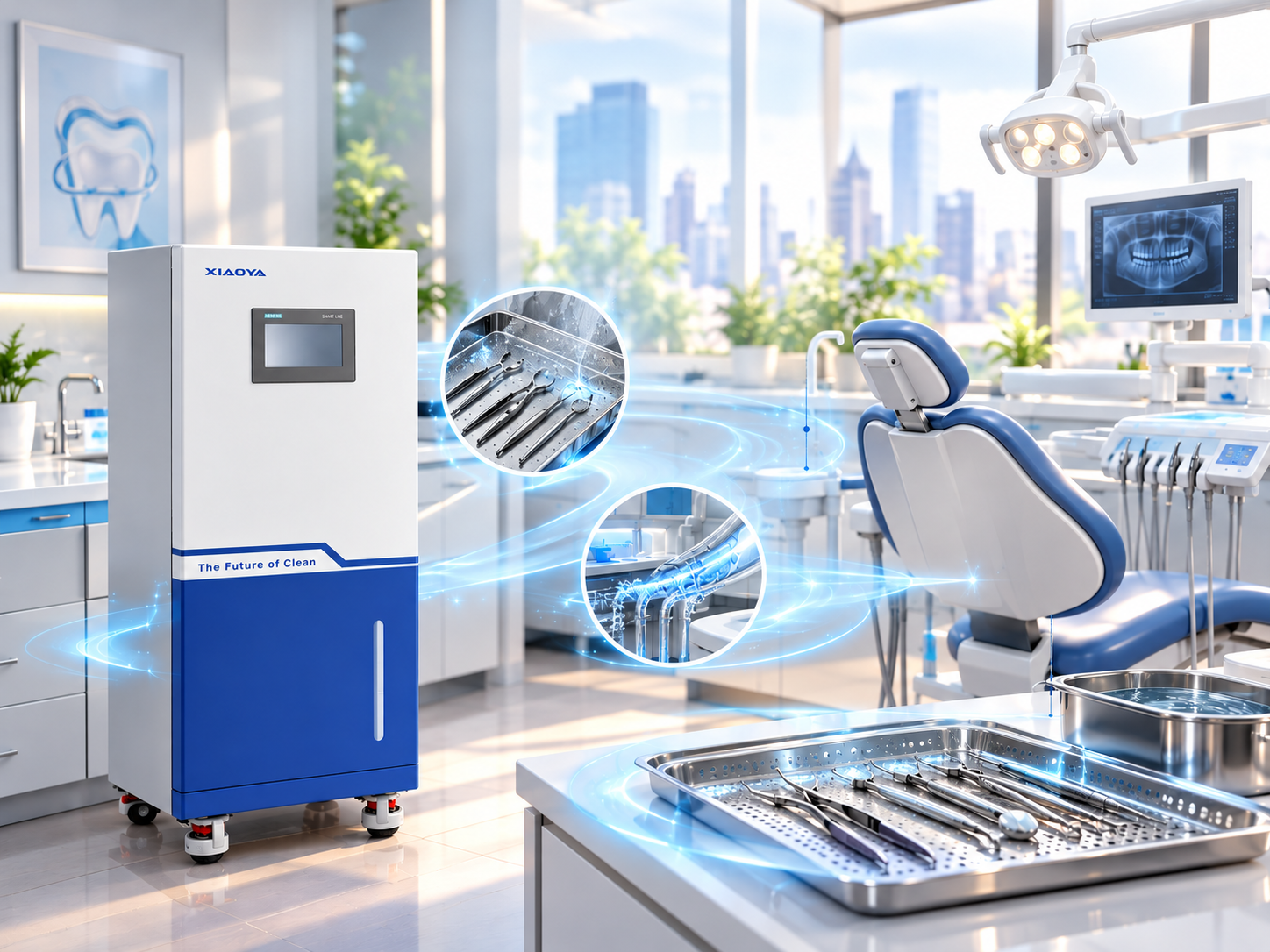
 Disinfection Empowers Orthodontic Safety: Hypochlorous Acid Generators Build a Sterile Defense Line for Dental Instruments
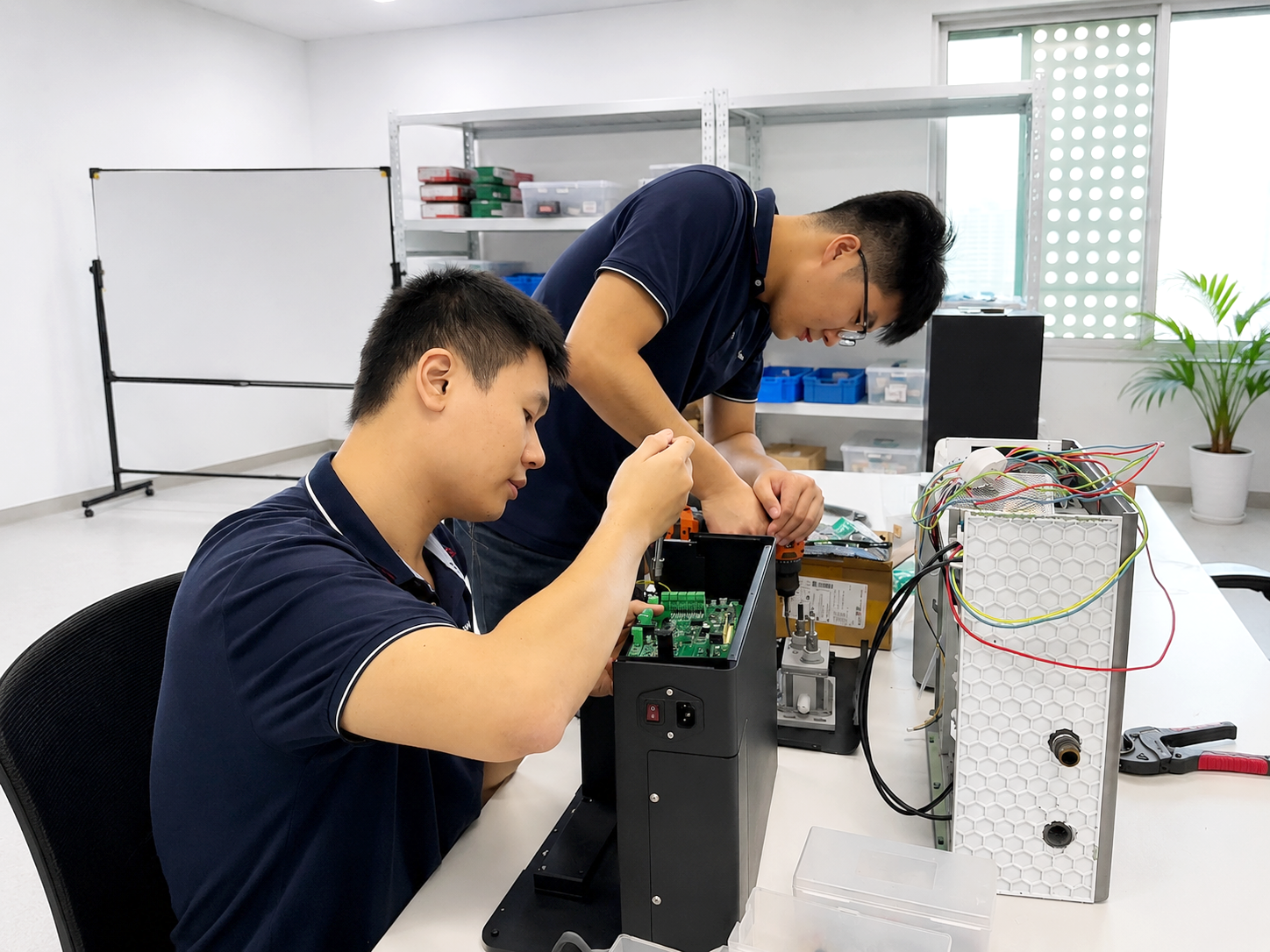
- Accumulating Strength and Reaching New Heights: A Record of the Production Breakthrough of Xiaoya Small Home Appliances' Hypochlorous Acid Generators
 How Do HOCl Generators Turn Salt and Water into Cleaning Solutions?
 Medical HOCl Generator Procurement: Service, Training, and Traceability
- Integrating a Medical HOCl Generator into Hospital Cleaning Stations
Leave us a message

Xiaoya Group was founded in 1979,expert in the electrolyzed water industry.
Get in Touch
*We respect your confidentiality and all information are protected.