news
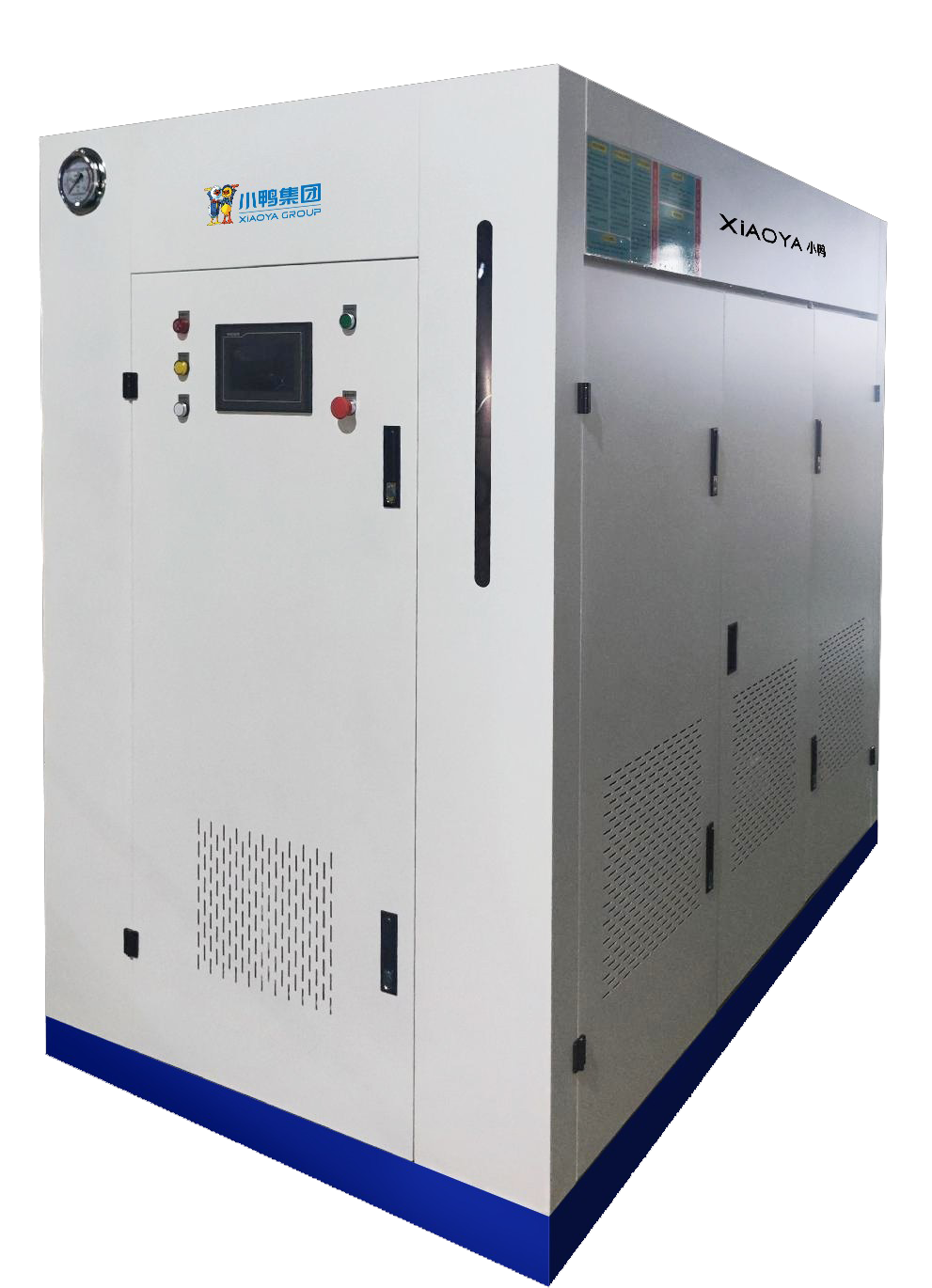
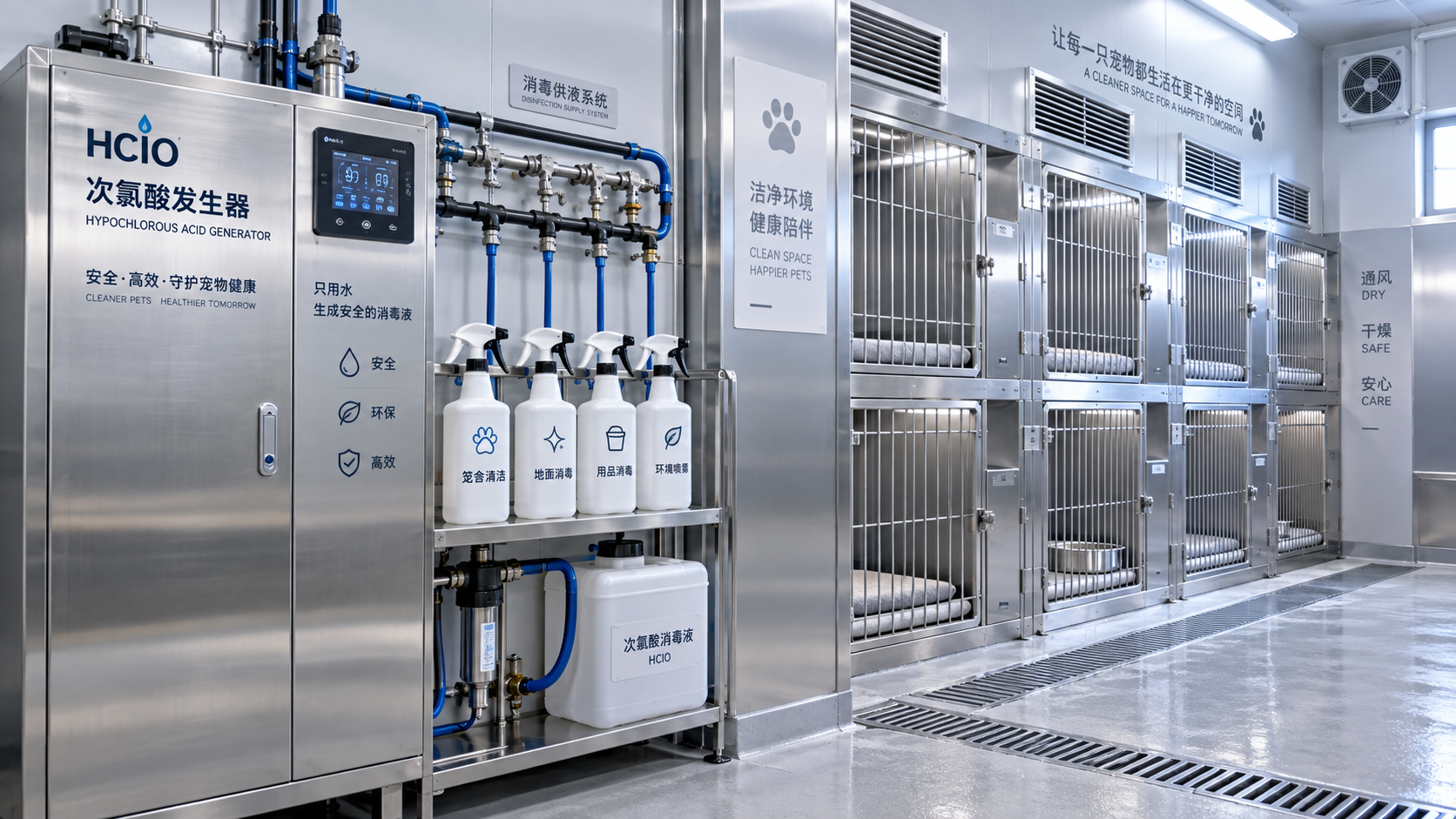
A Hypochlorous Acid Generator for Pets can improve hygiene control in a veterinary clinic only when it is treated as part of a validated cleaning system, not as a replacement for cleaning, staff training, or infection-control procedures. The main operational question is not whether hypochlorous acid water can be generated on site. It is whether the clinic can consistently produce, apply, verify, and document the solution at a concentration and contact time appropriate for each surface and risk area.
Veterinary environments bring together organic contamination, animal hair, saliva, urine, feces, blood, shared equipment, frequent foot traffic, and animals with different health status. These conditions can quickly reduce the practical value of any disinfectant if the protocol is vague. A reliable HClO program separates routine environmental hygiene from cleaning after isolation cases, surgical procedures, vomiting or diarrhea incidents, and kennel turnover.
Start with a zone-based hygiene protocol
One solution strength, one spray bottle, and one cleaning schedule are rarely enough for a pet hospital. The protocol should divide the facility into zones based on exposure risk and define what must happen before HClO is applied.
Hypochlorous acid is most useful after gross soil has been removed. Hair, fecal material, feed residue, dried secretions, and blood can shield microorganisms from the disinfectant. Spraying over a visibly dirty kennel may make the area smell cleaner, but it does not demonstrate that the surface has been adequately disinfected.
For this reason, staff instructions should distinguish cleaning from disinfection. Cleaning removes soil with the appropriate detergent, mechanical action, and rinse process where needed. Disinfection follows on a reasonably clean surface, using the required wet contact time. Combining these steps in a single instruction such as “spray and wipe” often creates inconsistent results.
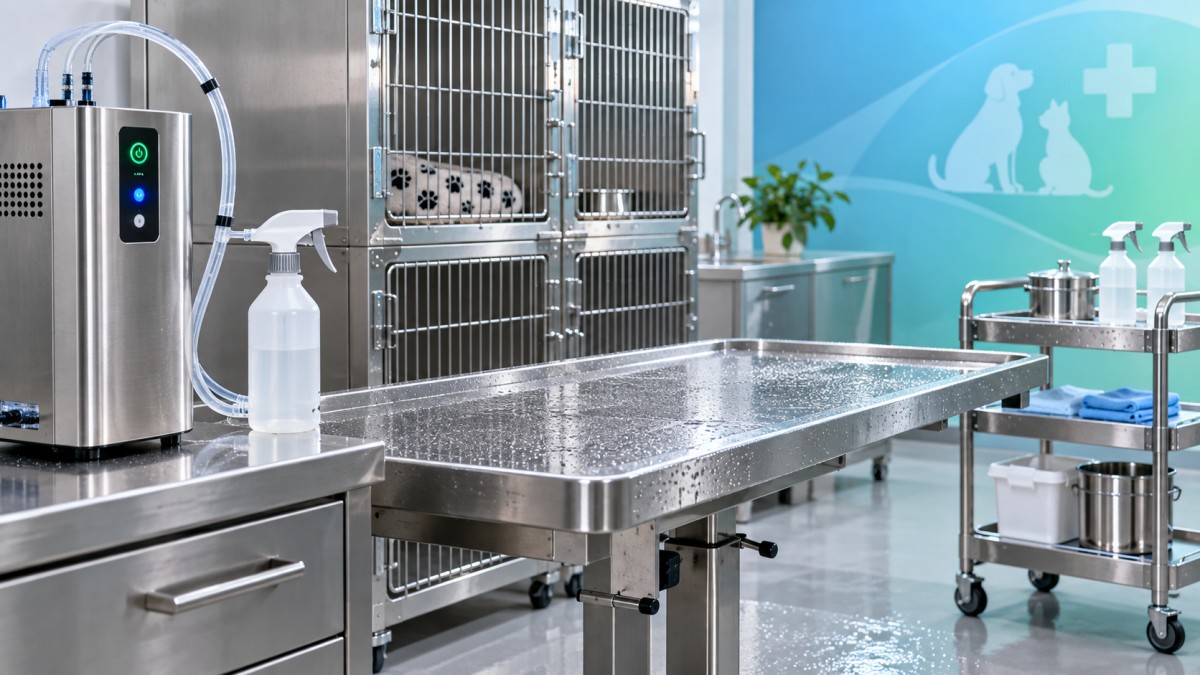
What needs to be controlled from the generator to the surface
On-site generation can reduce dependence on delivered chemical stock and manual dilution, but it introduces a different control point: solution quality at the time of use. Hypochlorous acid performance is influenced by concentration, pH, storage conditions, water quality, organic load, application method, and time on the surface. A machine display alone is helpful, but it should not be the entire verification system.
A practical protocol identifies the target operating range for each approved use and includes a routine check of the generated solution. Clinics commonly need to record the production batch or date, measured available chlorine result where applicable, pH check, operator, and intended use area. The exact testing frequency should reflect production volume, storage time, and risk level. Freshly generated solution used promptly is easier to control than solution transferred repeatedly into unlabeled secondary bottles.
Label all working containers with the solution identity, preparation or production date, intended application, and any internal expiry rule. Do not rely on bottle color or staff memory. HClO solutions may lose strength during storage, particularly when exposed to heat, light, contamination, or incompatible container materials. A sound protocol limits storage time, keeps containers closed, and prevents topping up old solution with new solution.
Application method changes the risk
Wiping, low-pressure spraying, foaming, and fogging do not deliver the same result. Wiping can provide reliable coverage on tables, cage doors, handles, and examination equipment when the cloth remains adequately wet and is changed before it spreads contamination. Spraying may suit floors, kennel walls, and larger washable surfaces, but it must leave the surface wet for the defined contact period.
Atomization can be useful for large-area treatment when the equipment, ventilation, occupancy conditions, and droplet exposure are controlled. It should not be used as a shortcut for pre-cleaning. Avoid directing mist toward animals, staff faces, uncovered medicines, electronics, or sensitive diagnostic equipment unless the internal procedure specifically permits that use. The same caution applies to water lines and equipment channels: internal treatment must be designed around the system material, flushing method, and intended use of the water.
Do not turn “low residue” into a universal compatibility claim
Slightly acidic hypochlorous acid water is often selected because it can be practical for frequent environmental disinfection and can reduce handling of concentrated chemical products. That does not mean it is suitable for every surface, every device, or every clinical task. Repeated exposure, moisture retention, and residues from other chemicals can affect metals, coatings, adhesives, textiles, and electronic components differently.
Build a compatibility register for high-value or safety-critical items: anesthesia equipment, monitoring devices, imaging controls, stainless worktops, cage coatings, scales, grooming tools, flooring, and protective barriers. The register should state the approved cleaning method, whether HClO is permitted, whether a rinse or dry wipe is required, and who may authorize exceptions. This avoids a common failure mode in which an effective environmental disinfectant is applied to a device that requires a different manufacturer-approved process.
HClO should also not be casually mixed with detergents, acids, alkalis, or other disinfectants. Chemical mixing can change the active chemistry, create irritating vapors, or make the final concentration impossible to verify. Use separate, clearly identified containers and allow surfaces to be cleaned and rinsed as required before applying the disinfectant.
Documentation should prove consistency, not create paperwork
For veterinary hygiene protocols, useful records answer three questions: Was the right solution available? Was it used correctly? Was a problem detected and corrected? A short daily log is usually more effective than a complex form that staff complete from memory.
- Generator start-up and fault status checks.
- Water and consumable checks required by the equipment procedure.
- Solution verification results and production time.
- Area cleaning completion for higher-risk rooms and kennel turnover.
- Corrective action when concentration, pH, equipment status, or labeling is outside the clinic's approved range.
- Maintenance, cleaning, and replacement history for the generator and delivery equipment.
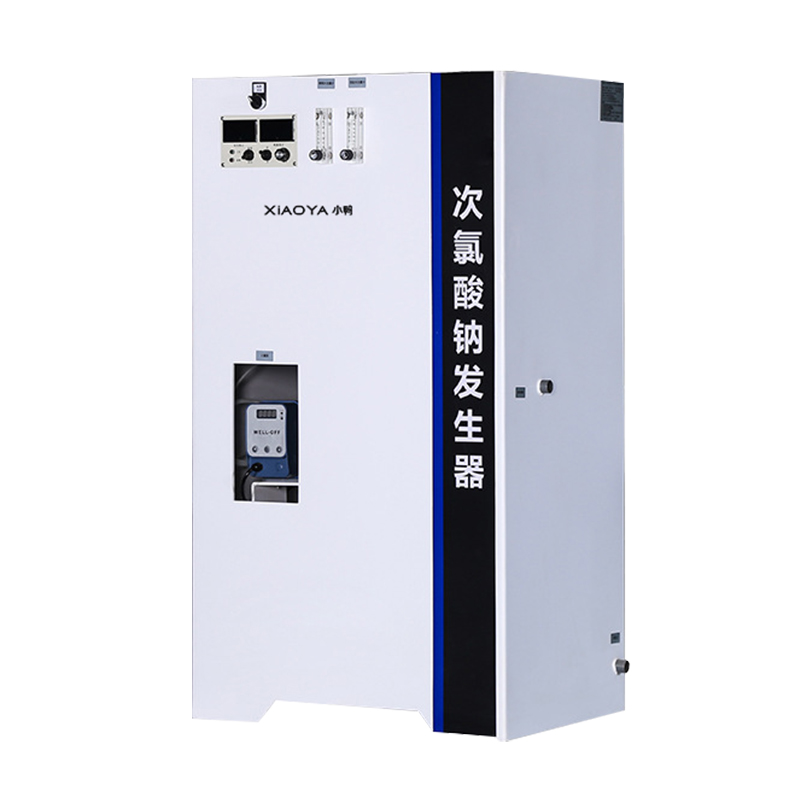
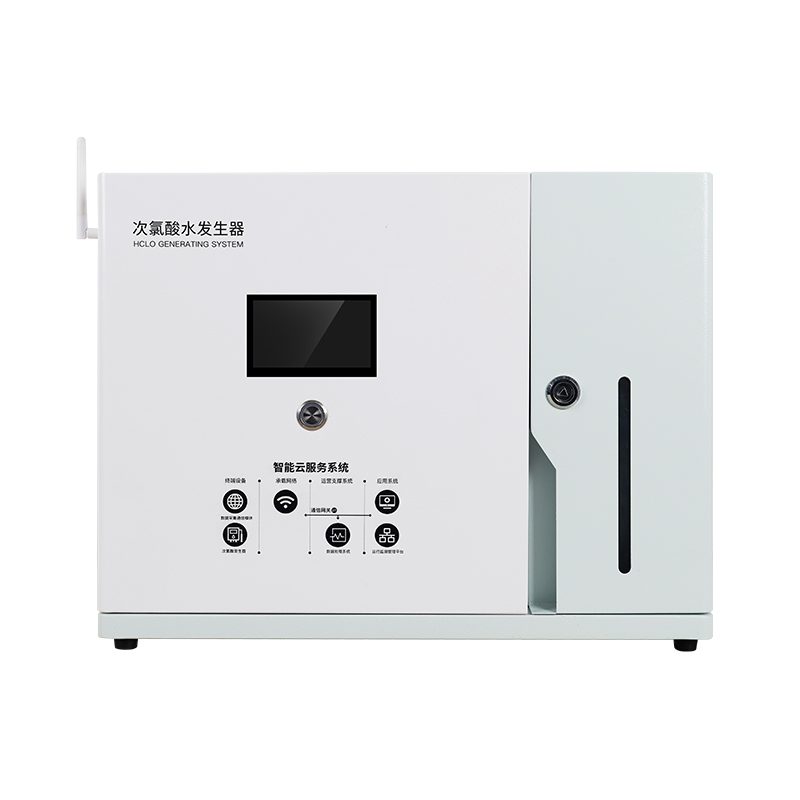
Automated equipment with touchscreen controls, operating-status display, fault alarms, and data export can make these records easier to maintain. For larger animal-care operations, equipment designed for continuous solution supply may be relevant. For example, the Poultry disinfection hypochlorous acid generator uses membrane electrolysis to produce slightly acidic HClO water and includes PLC-based controls and data export. Its suitability for a veterinary setting would depend on actual demand, installation space, water preparation, workflow, and the clinic’s own validated application procedures rather than its agricultural use alone.
Set acceptance criteria before the system is purchased
The best time to solve hygiene-control problems is before installation. Map the clinic’s daily use points: treatment rooms, cages, floors, grooming areas, staff passages, high-touch surfaces, and any pipeline or atomization equipment. Then estimate peak demand, not only average daily use. A system that produces enough solution on a quiet day may create unsafe shortcuts during full kennel turnover or an isolation-room incident.
Evaluate the generator against operational requirements: output capacity, water quality needs, accessible maintenance points, electrical supply, container filling method, alarm behavior, calibration or test provisions, and availability of operating records. Where certification is part of procurement, confirm what the stated certification covers. Equipment conformity documentation does not automatically validate a clinic’s disinfection claims, staff protocol, or local product-use requirements.
Before routine rollout, run a controlled internal trial using representative surfaces and normal staff shifts. Observe whether the protocol produces complete wet coverage, whether staff can follow the contact-time rule, whether containers remain properly labeled, and whether sensitive equipment is protected. Adjust the procedure before making it the standard for the whole facility.
A Hypochlorous Acid Generator for Pets is most valuable when it supports repeatable hygiene decisions: clean first, apply the verified solution to the correct surface, maintain wet contact, protect incompatible equipment, and document exceptions. The generator supplies the chemistry; the protocol determines whether that chemistry delivers dependable infection-control practice.
NEWS
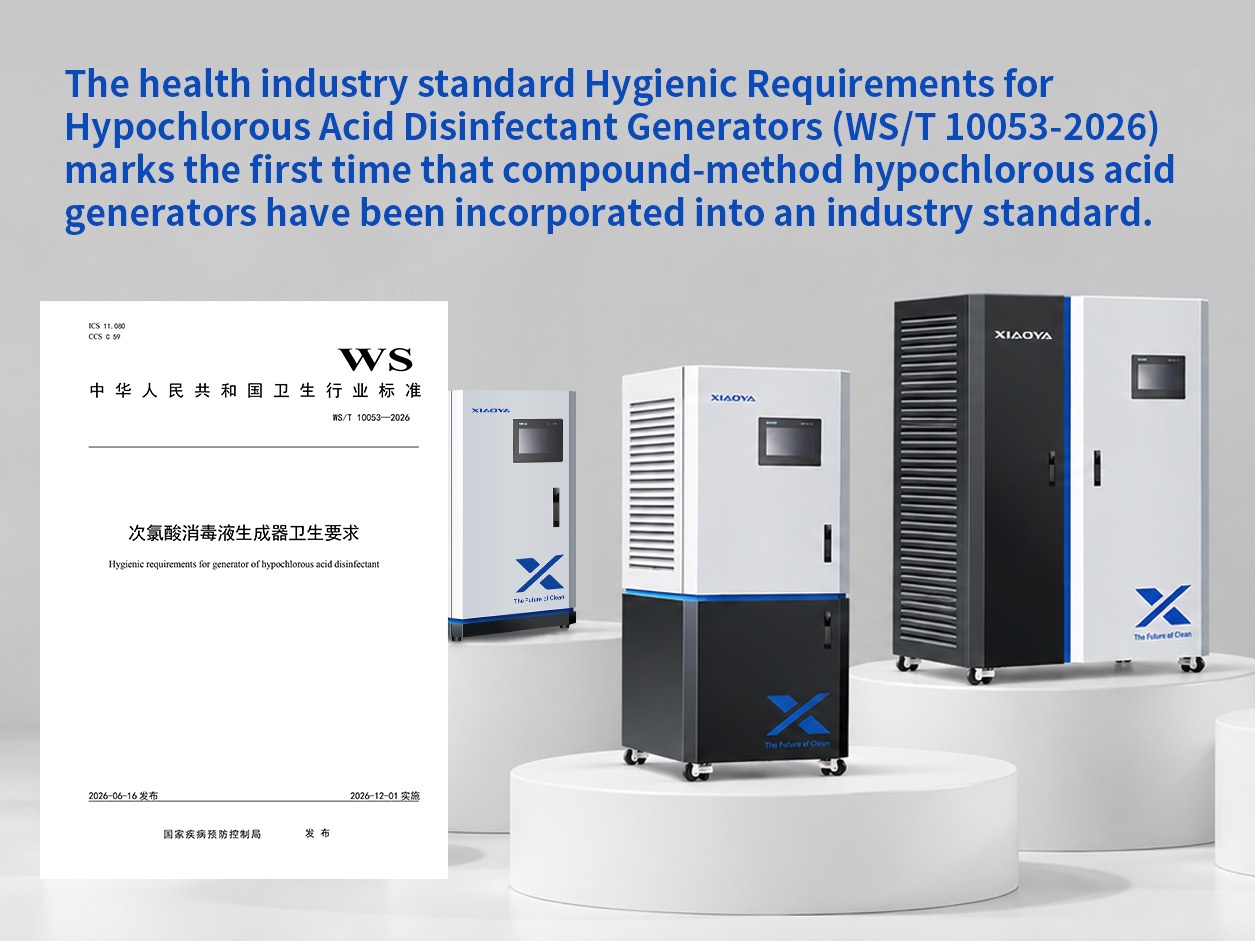
 WS/T 10053-2026 Includes the Compound Method for the First Time: Standard Signals and Market Opportunities for Mass Agricultural Production of Hypochlorous Acid Generators
 HClO Generator Hygiene Protocols for Veterinary Clinics and Pet Hospitals
 What Concentration Should a Pet Hypochlorous Acid Generator Deliver?
 Pet HClO Generator Use for Odor Control in Kennels and Boarding Areas
- Choosing a Hypochlorous Acid Generator for Pets in Grooming Facilities
Leave us a message

Xiaoya Group was founded in 1979,expert in the electrolyzed water industry.
Get in Touch
*We respect your confidentiality and all information are protected.