news
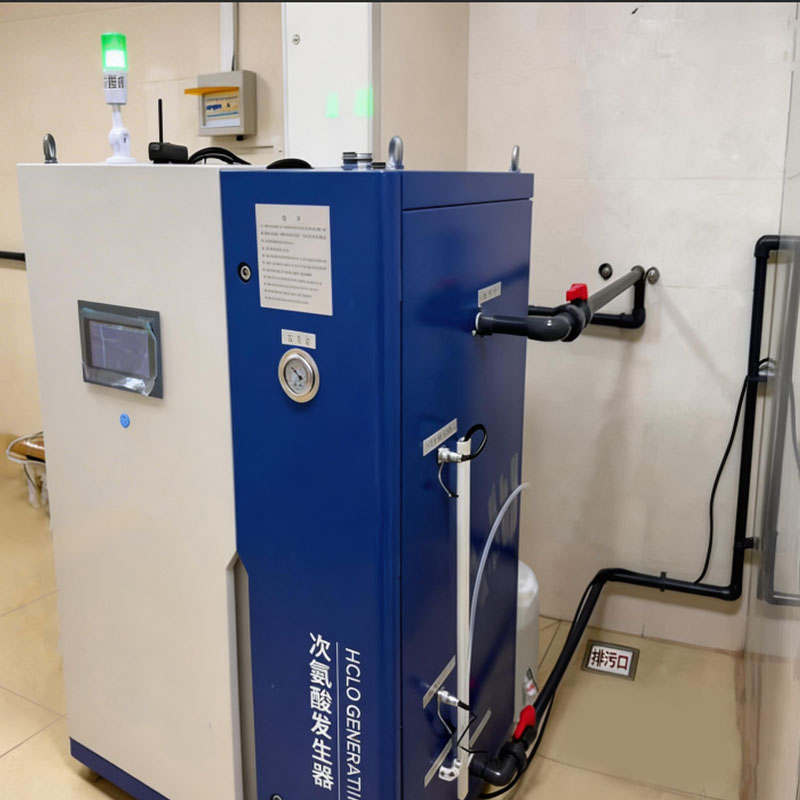
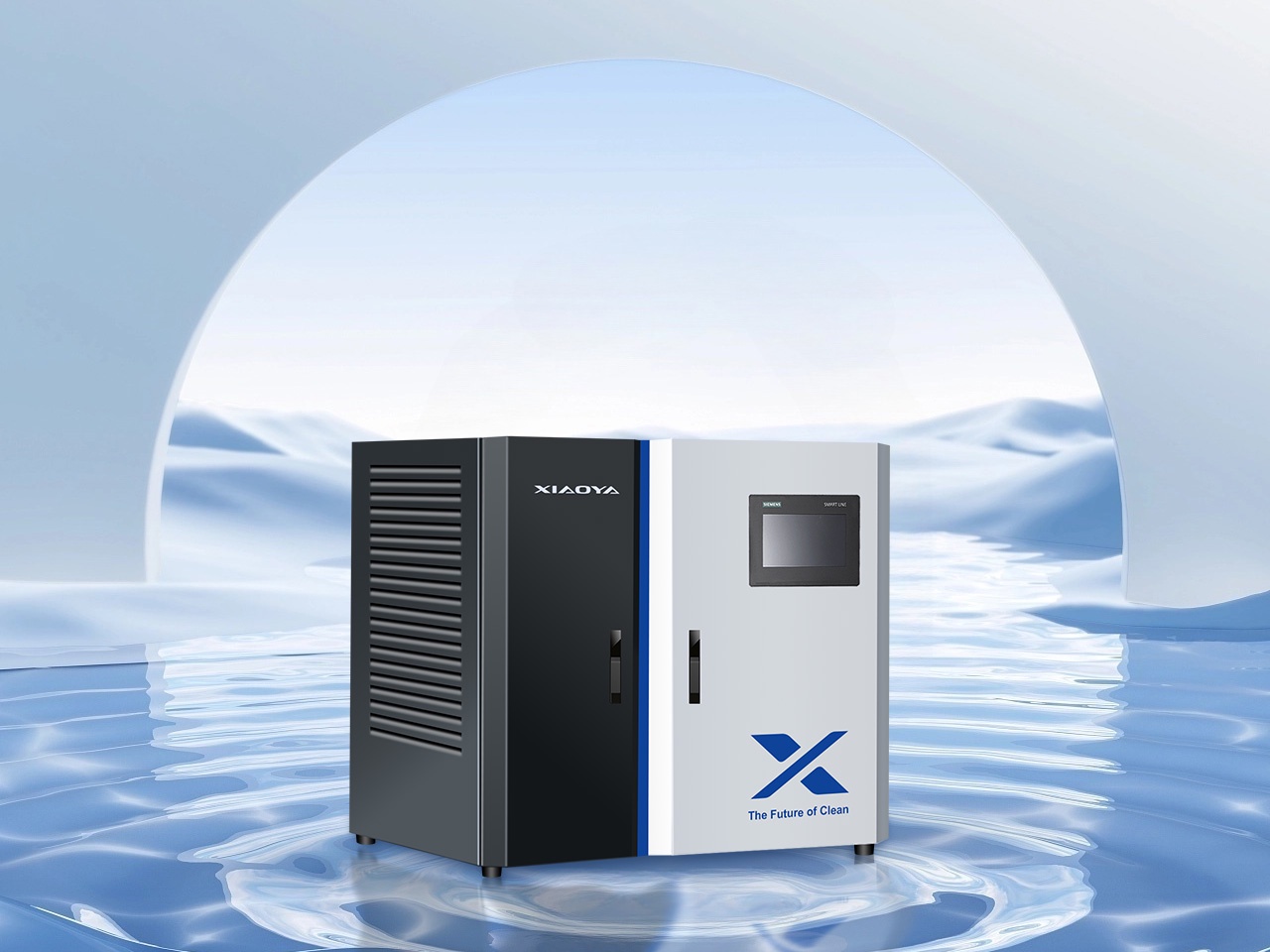
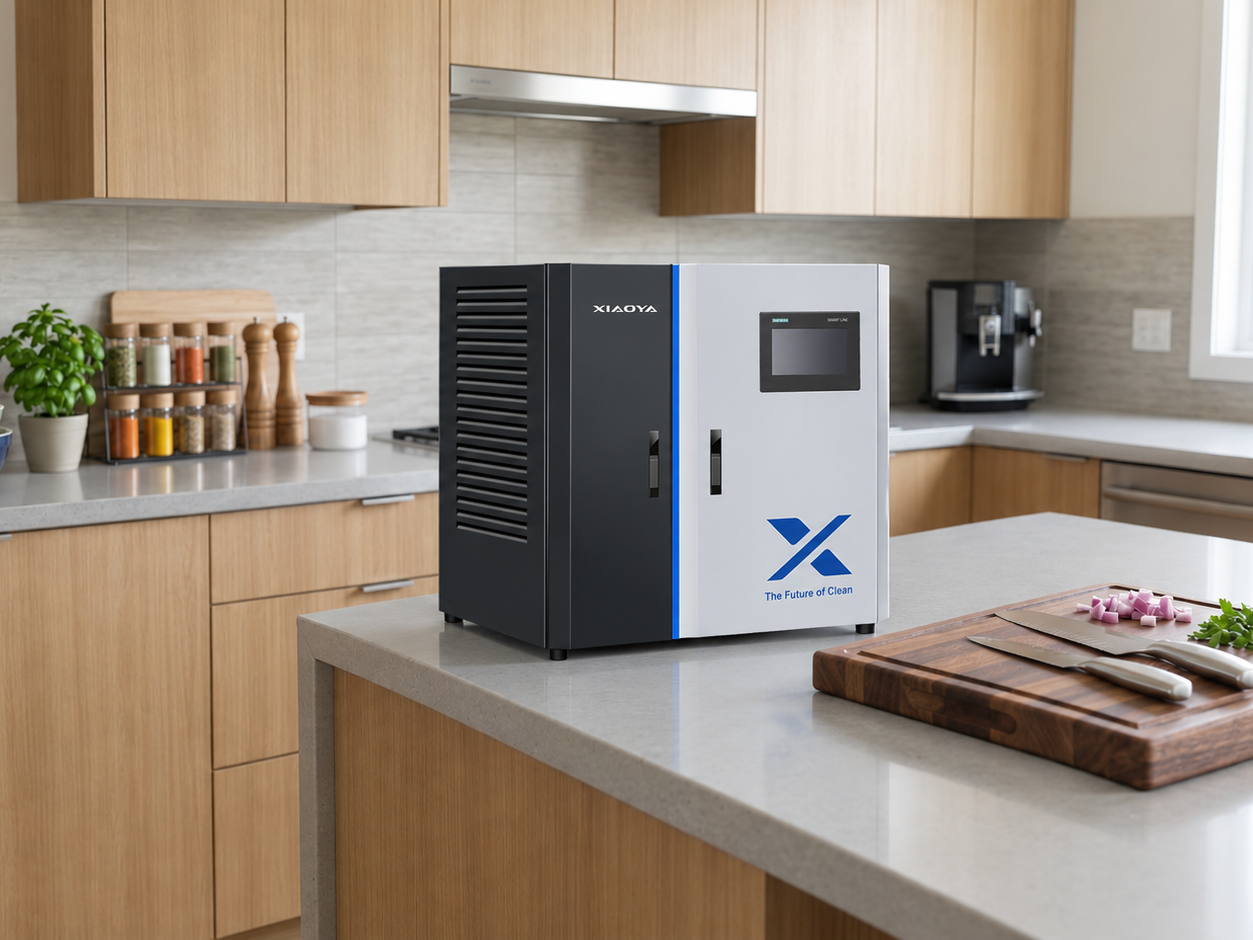
Reliable facility disinfection depends on producing the right solution at the point of use, applying it to a clean surface, and confirming that the process remains stable from one sanitation cycle to the next. Public hypochlorous acid generators address the first part of that chain by producing hypochlorous acid water on site. This reduces reliance on stored disinfectant inventory and avoids a common source of variation: a prepared chemical that has been diluted incorrectly, stored too long, or transferred into an unlabelled container.
Hypochlorous acid (HClO) is the active chlorine species associated with antimicrobial action in slightly acidic to near-neutral electrolyzed water. Its practical value is tied to both effectiveness and handling: when produced and applied under controlled conditions, it can be used for surface rinsing, spray treatment, wiping systems, and selected food-contact sanitation processes. The generator itself does not guarantee a successful result. Water quality, concentration, pH, organic soil, contact time, application coverage, and maintenance condition all affect the outcome.
Why on-site generation changes the disinfection process
A public hypochlorous acid generator converts water, salt-based electrolyte, and electrical energy into disinfecting solution close to where it is needed. The operational advantage is consistency of supply. Instead of receiving containers of ready-made chemical, a facility can establish a repeatable production setting and distribute solution through dedicated tanks, spray equipment, wash stations, or controlled dosing points.
This is especially relevant in washrooms, food preparation areas, shared public spaces, healthcare support areas, cold rooms, and waste-handling zones. These environments differ in soil load and surface condition. A low-traffic washroom may need routine treatment of touchpoints and fixtures, while a processing room may require a sequence of debris removal, detergent cleaning, rinsing, and final disinfection. Applying hypochlorous acid directly onto visible grease, protein residue, or biofilm deposits is a frequent cause of disappointing results because the active chlorine is consumed by organic matter before it reaches the target microorganisms.
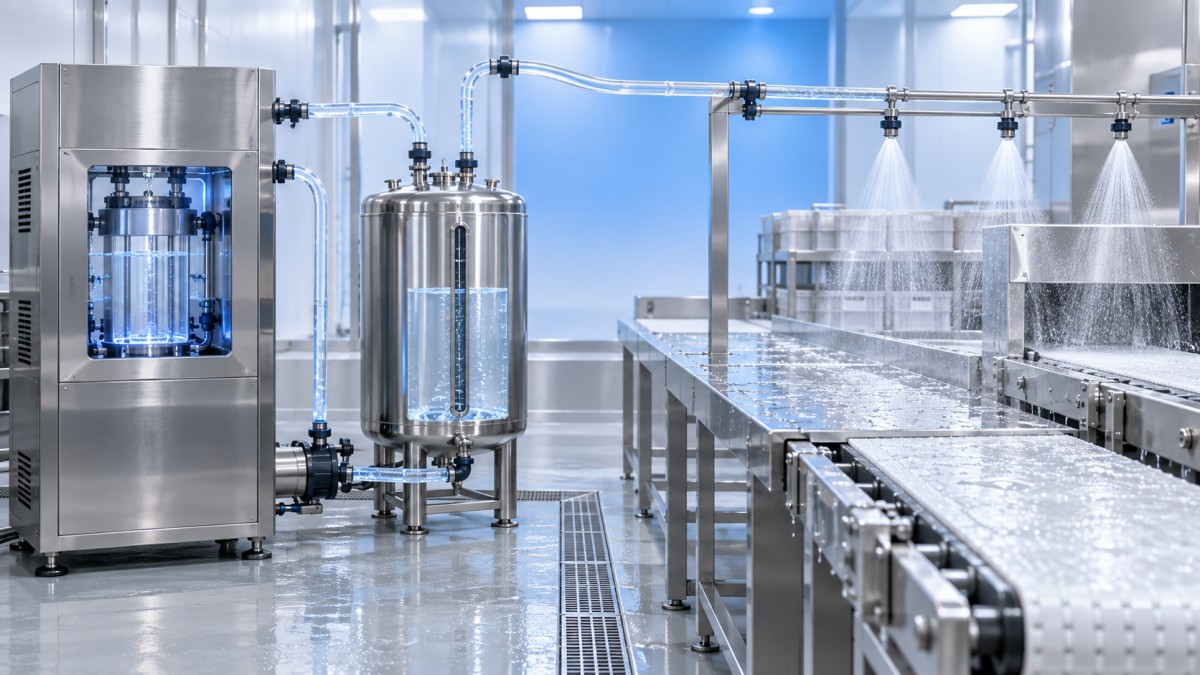
On-site generation also makes it easier to separate solution preparation from application. A central unit can be set for the intended concentration range, while application equipment is selected for the location: low-pressure spray for broad hard surfaces, foam-compatible cleaning before disinfection where soils are heavy, atomization only where droplet control and ventilation are appropriate, and rinsing for equipment or materials designed for that process.
Concentration and pH must be read together
Available chlorine concentration is often treated as the only performance value, but it is not sufficient on its own. The proportion of active hypochlorous acid changes with pH. A slightly acidic or near-neutral solution generally retains a higher proportion of HClO than a more alkaline chlorine solution at the same available chlorine reading. Therefore, a concentration target should be assessed alongside pH, intended contact time, surface condition, and the microbial control objective.
Higher concentration is not automatically a better setting. Excessive strength can increase odor, material compatibility concerns, and unnecessary chemical exposure without improving a process already limited by poor cleaning or incomplete coverage. Conversely, a concentration that performs adequately on pre-cleaned stainless steel may be insufficient on a heavily soiled floor drain, conveyor frame, or textured plastic surface. The appropriate setting follows the actual task rather than a single universal number.
Installation details that affect repeatability
The generator should be treated as part of a controlled sanitation system rather than as a stand-alone appliance. Incoming water quality matters because hardness, suspended solids, and mineral content can affect electrolysis performance and contribute to scale formation. Where local water conditions are variable, pretreatment and a documented inspection routine are often necessary. Inlet pressure must also remain within the equipment's specified operating range; unstable pressure can affect output stability and create avoidable alarms or interruptions.
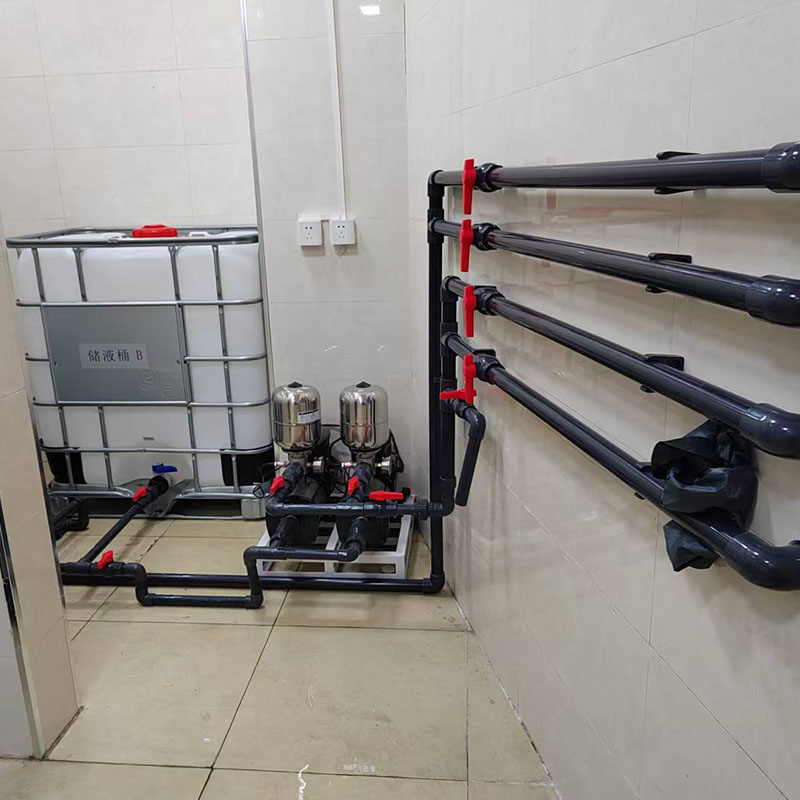
Distribution materials require attention. Hoses, fittings, tanks, spray nozzles, seals, and valves should be compatible with the generated solution and with the expected cleaning environment. A system can produce correctly at the main unit yet lose control through contaminated storage containers, residual incompatible chemicals in a transfer line, or a nozzle that produces inconsistent coverage. Dedicated, clearly identified equipment prevents cross-use with detergents, acids, or other disinfectants.
Ventilation and drainage are equally relevant in enclosed rooms. Even when solution is prepared at modest concentrations, spraying creates aerosols and introduces moisture to floors and nearby electrical equipment. Application methods should match the space. Wiping or low-pressure application is often easier to control around public counters, electronics, and occupied areas, while larger washdown zones may need engineered drainage and restricted access during sanitation.
Verification should follow the solution to the surface
A stable display reading at the generator is useful, but it does not prove that the intended disinfectant reached the target area. Verification should include production checks, point-of-use checks, and sanitation observations. Available chlorine and pH measurements establish whether the generated solution remains within the defined operating range. Test frequency should reflect storage time, transport distance, and the criticality of the application.
Visual inspection remains important. A surface that dries before the required contact period, a spray pattern that leaves dry bands, or a cloth reused across multiple zones can undermine an otherwise correct solution. Reused wiping materials may redistribute soil if they are not changed or managed through a controlled laundering or disposal process. For difficult areas such as drain surrounds, undersides of fixtures, conveyor joints, and door hardware, application technique is often the limiting factor.
Cleaning and disinfection records are most useful when they capture deviations, not merely completion. A record that notes low output, unusual pH, depleted electrolyte, blocked nozzles, delayed use after generation, or a missed pre-cleaning step gives a direct path for correction. Repeated failures at the same location should prompt examination of soil accumulation, drainage, surface damage, traffic pattern, or access limitations before changing the chemical setting.
Matching generator capacity to demand
Capacity selection should be based on peak sanitation demand rather than average daily consumption. Several stations drawing solution at the same time, a large shift-end washdown, or replenishment of multiple portable applicators can create a demand spike that a small unit cannot maintain. Storage volume can buffer demand, but stored solution still requires defined hold-time controls and point-of-use verification.
For higher-throughput food environments, equipment such as the Hypochlorous Acid Generator for Meat Product Disinfection and Fresh-keeping illustrates the parameters that must be considered together: a production capacity of 160-300 L/h, available chlorine concentration adjustable from 10-120 ppm, pH of 5.0-6.5, and an inlet water pressure range of 0.15-0.25 MPa. In slaughtering, meat processing, and cold-chain operations, these values must still be tied to the specific rinsing, soaking, spraying, or surface-disinfection procedure. A production figure alone does not establish adequate coverage or contact time.
Routine maintenance protects repeatability. Electrolyzer condition, electrolyte level, filters, water connections, scale buildup, calibration of measuring devices, and spray equipment condition should be reviewed at intervals suited to usage intensity and local water quality. When output changes, troubleshooting should start with measured solution properties and feed conditions rather than assumptions based on odor or appearance. A clear liquid with a chlorine smell is not a reliable confirmation of concentration or suitability.
Used this way, a public hypochlorous acid generator supports safer facility disinfection by making solution generation measurable, local, and easier to integrate into daily sanitation controls. Its strongest contribution is process discipline: clean first, generate within defined parameters, apply evenly for the required contact period, and verify the solution where the work actually occurs.
NEWS
 What Output Capacity Does a Public HClO Generator Need for Large Venues?
 Selecting a Public Hypochlorous Acid Generator for Schools and Transit Hubs
- How Public Hypochlorous Acid Generators Support Safer Facility Disinfection
 Next-Generation Hypochlorous Acid System Solution for Sterile Self-Service Laundromats Officially Released
- Upgrade in Healthy Living: Hypochlorous Acid Generators Become the New Standard for Luxury Villas
Leave us a message

Xiaoya Group was founded in 1979,expert in the electrolyzed water industry.
Get in Touch
*We respect your confidentiality and all information are protected.