news
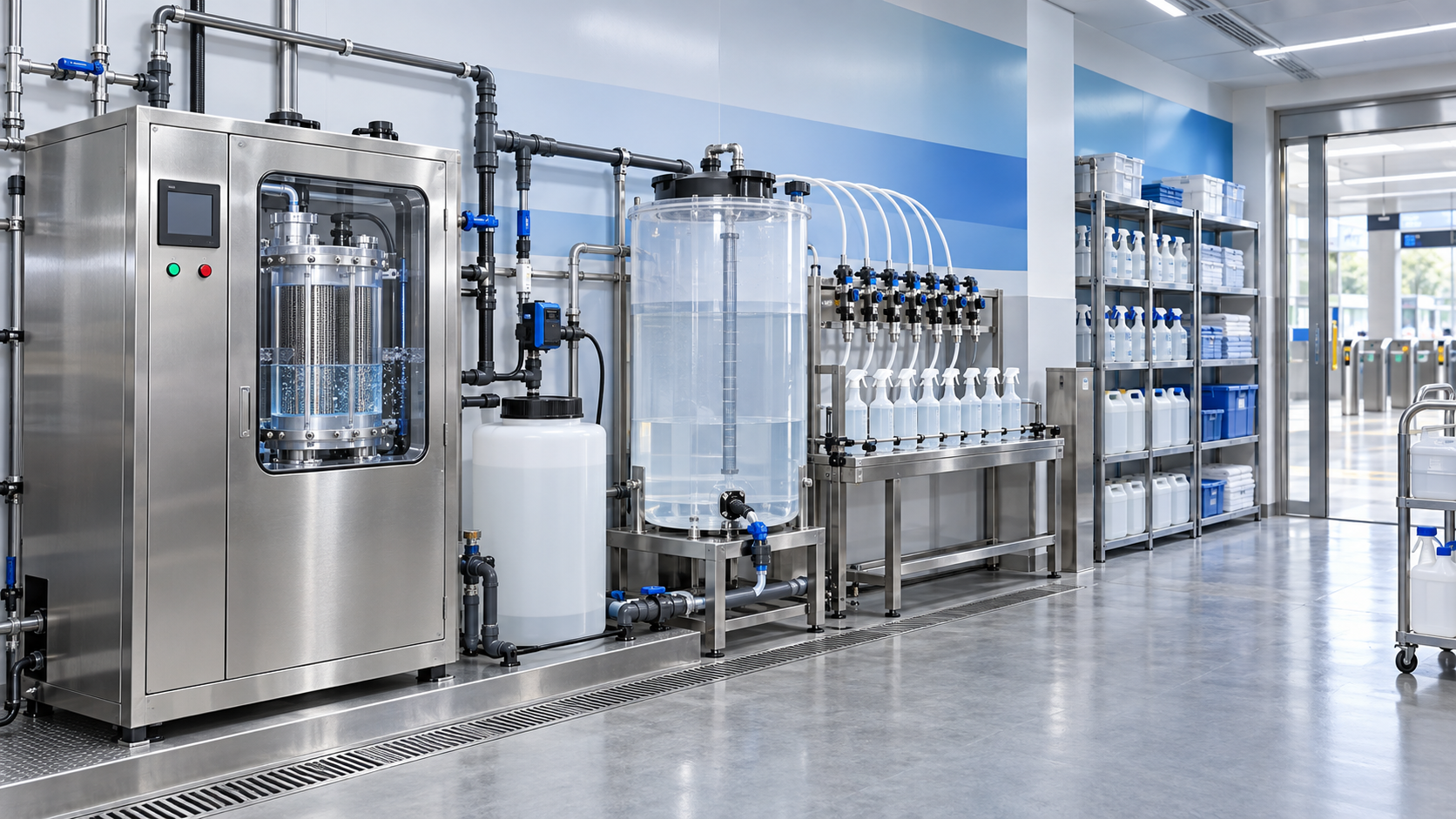
For procurement teams serving schools and transit hubs, selecting a Public Hypochlorous AcidGenerator requires more than comparing output capacity and price. The right automated disinfection solution must fit a demanding daily reality: crowded entrances, washrooms used continuously, changing staffing levels, tight utility rooms, and a public that expects visibly clean spaces without harsh chemical odors.
On-site hypochlorous acid generation can reduce reliance on delivered disinfectant chemicals by producing solution from salt, water, and electricity. Yet a generator that looks suitable on a specification sheet may still create operational problems if its controls are difficult to use, its water requirements are unclear, or its output cannot match the way a facility actually consumes disinfectant. Procurement decisions should therefore begin with the site, not the machine.
Start with the hygiene workflow, not the headline output
A school campus and a transit hub may both be “public environments,” but their disinfection patterns are very different. A school often has predictable peaks before classes, during lunch, and after extracurricular activities. Transit facilities may face sharp surges linked to commuter schedules, weather disruption, special events, or holiday traffic. The required volume is not simply a matter of building size.
Before requesting quotations, map where the generated solution will be used. Common points include washrooms, hand-contact surfaces, cleaning carts, staff areas, waiting rooms, platforms, cafeteria service zones, and, where applicable, pool or natatorium water systems. Then ask operations staff three practical questions:
- How many liters of ready-to-use disinfectant are consumed per shift or per day?
- Is the solution used immediately, transferred to refill bottles, or stored in bulk tanks?
- Which periods demand extra cleaning capacity, and how quickly must production respond?
This exercise reveals whether a continuous-generation unit, a batch-oriented system, or several smaller decentralized units make more sense. Oversizing can waste capital and floor space; undersizing often leads teams back to emergency purchases of packaged chemicals—the very dependency the project was meant to reduce.
Output concentration matters as much as liters per hour
Buyers frequently compare only liquid output, but a Public Hypochlorous AcidGenerator should be evaluated by the usable concentration range and the consistency of that range. Cleaning protocols may require different concentrations for general surfaces, odor control, equipment sanitation, or water-treatment applications. A system should provide a documented method for setting, verifying, and maintaining its available chlorine concentration.
Ask suppliers to explain the relationship between output volume, concentration, source-water quality, and consumable salt. If local water hardness or conductivity varies, confirm whether pretreatment is necessary and who is responsible for testing it. A low-cost machine can become expensive when poor feedwater shortens electrode life or causes unstable output.
pH is also relevant. Hypochlorous acid performance is affected by pH, so buyers should request operating ranges rather than accept vague claims about “high efficiency.” For public facilities, repeatability is especially important: supervisors need confidence that the solution produced during a busy Monday morning is comparable to that produced weeks later.
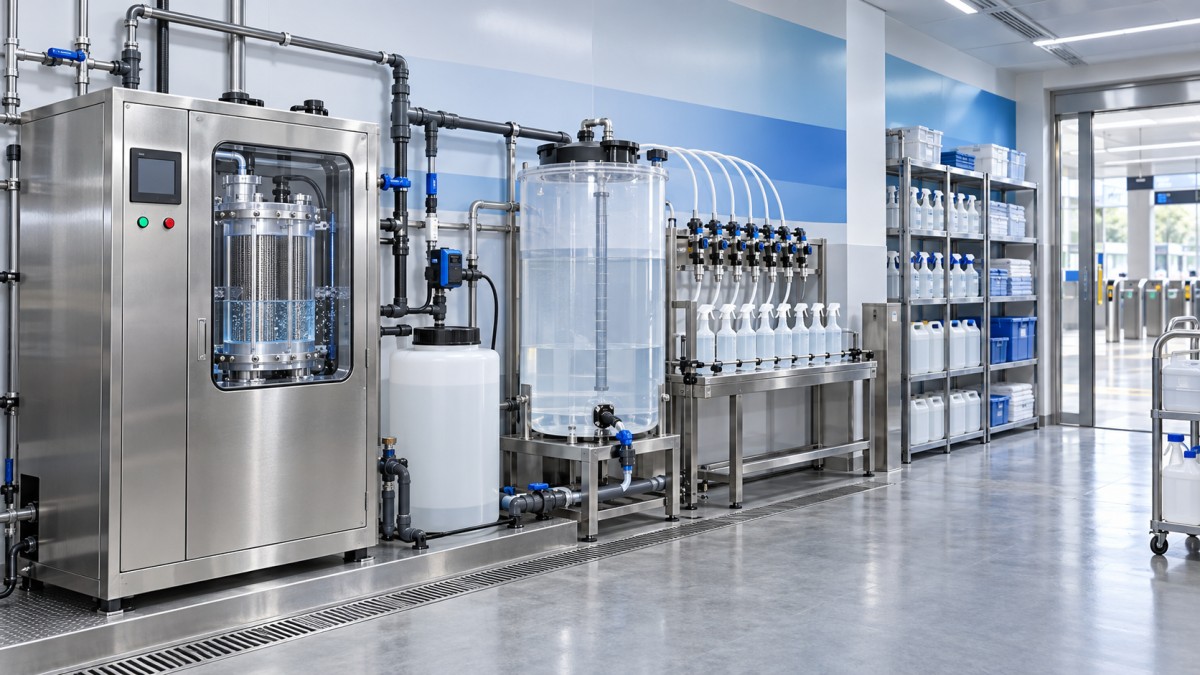
Safety should be designed into the entire operating routine
Replacing stored chemical disinfectants can reduce some handling and transportation risks, but on-site generation is not a “set it and forget it” purchase. The installation still involves electrical supply, water connections, salt or electrolyte handling, drainage, ventilation, and access control. In a school, equipment must be protected from students and unauthorized personnel. In a transit hub, the unit may need to operate reliably in a restricted back-of-house area where maintenance windows are short.
Request a site installation drawing early. It should show footprint, service clearance, tank locations, drain requirements, cable routing, inlet-water requirements, and any connection to dosing or circulation systems. Confirm the enclosure’s suitability for humid or dusty locations rather than assuming all units are built for the same environment.
Controls deserve close attention. A clear PLC touch screen, alarm history, fault indications, and data export features can make a meaningful difference for a lean facilities team. The goal is not to add another complicated dashboard; it is to make routine checks, concentration records, and troubleshooting easier for people who already manage many assets.
Compliance is local, while procurement is often centralized
A generator may carry a recognized equipment certification, but that does not automatically establish that every generated solution can be used for every claimed purpose in a particular country or municipality. Regulations can distinguish between water treatment, surface disinfection, environmental sanitation, and medical applications. Public operators should involve their environmental health, safety, and compliance teams before issuing a final purchase order.
Useful supplier documentation includes electrical certification, material information for wetted components, operating manuals, safety guidance, water-quality recommendations, and concentration-testing procedures. If the system will connect to a pool, fountain, or building water loop, local water-quality codes and dosing requirements must be reviewed separately.
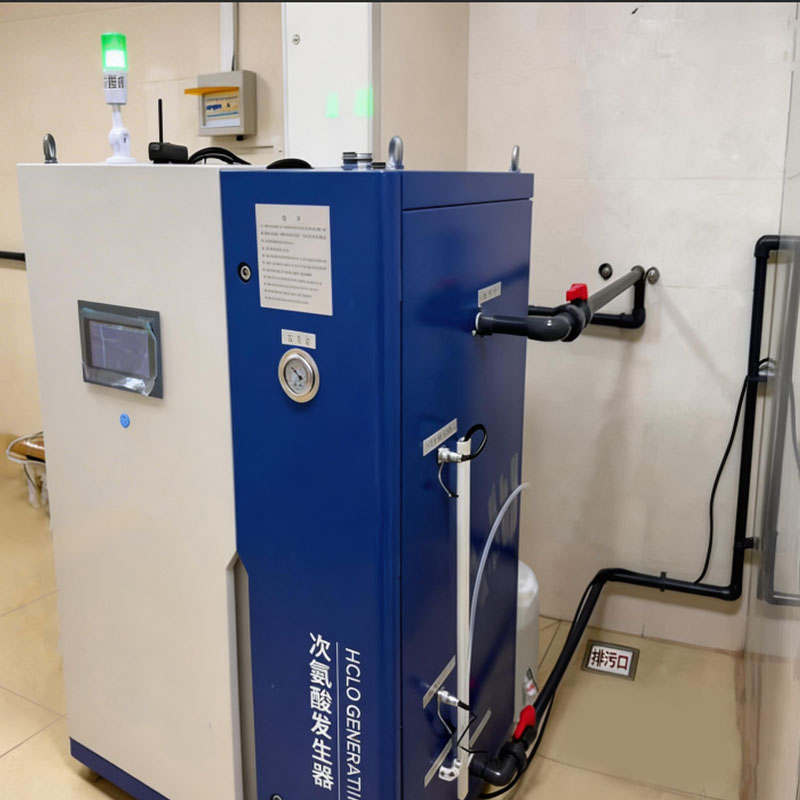
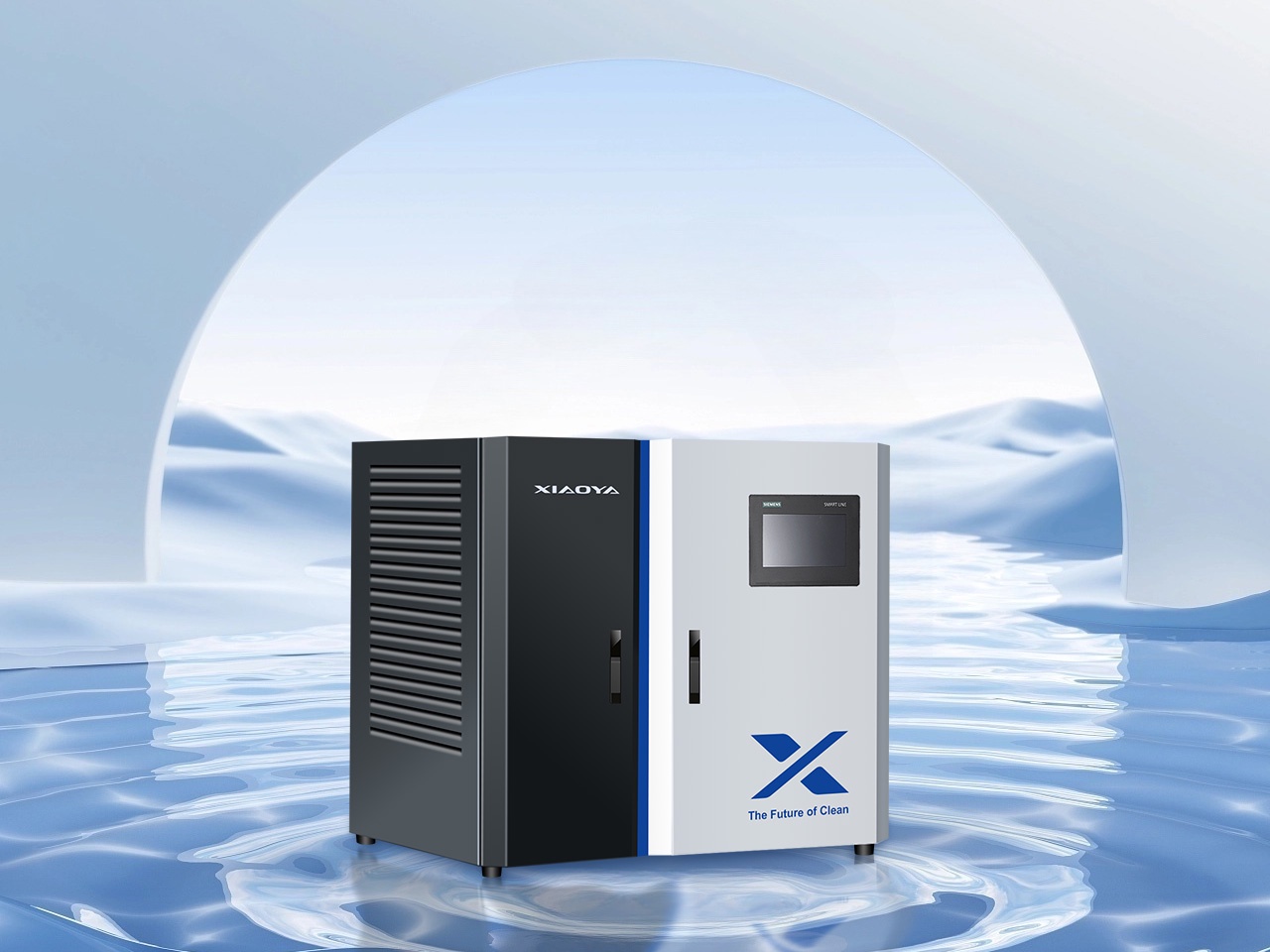
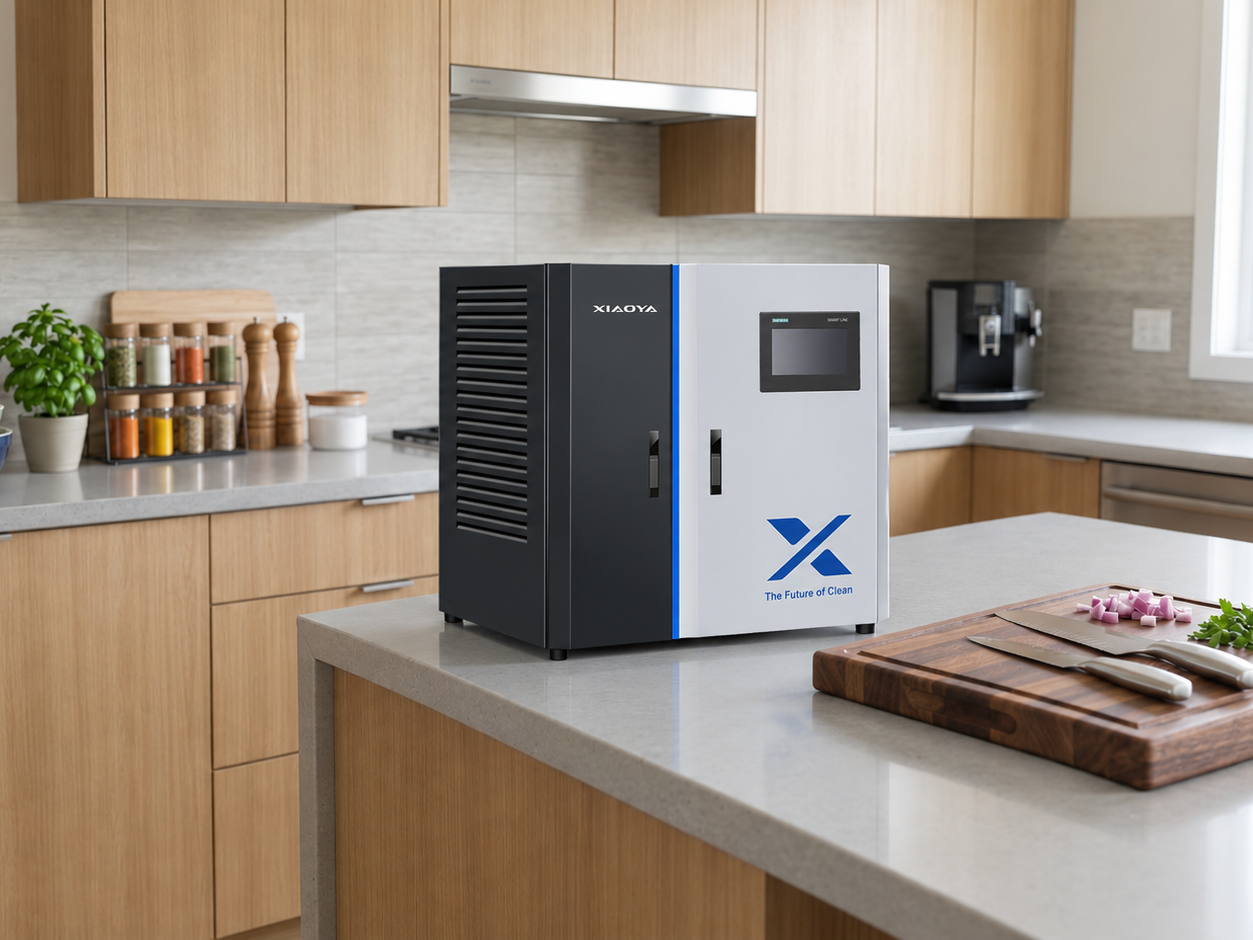
For example, a unit developed for public aquatic facilities may offer useful capabilities where a school district operates a natatorium or a city transit authority manages a recreation complex. The Electrolytic Salt Hypochlorous Acid Water Generator for Swimming Pool Water Treatment is designed for on-site electrolytic production and can integrate with pool circulation systems. Its XY SAEW-60 configuration lists a 50 L/h liquid output, customizable available chlorine concentration of 50–500 mg/L, PLC touch-screen control, and a stated electrolyzer service life of at least 10,000 hours. Those figures are relevant starting points, but they should be matched to actual water volume, bather load, circulation design, and local code requirements—not treated as a universal fit.
Evaluate maintenance as a cost of ownership issue
Procurement teams understandably focus on the equipment price, but the more durable comparison is total cost of ownership over the expected service period. Include salt or electrolyte consumption, water treatment, testing materials, electrode replacement, cleaning labor, calibration needs, spare parts, software support, and technician travel. Also consider the cost of downtime. If a unit fails during a high-traffic period, can the facility switch to a safe backup disinfection process without disrupting operations?
Electrode design is one of the most important technical questions. Corrosion-resistant electrodes and a defined service-life expectation are helpful, but buyers should ask what conditions shorten that life and whether replacement can be performed locally. Obtain recommended preventive-maintenance intervals in writing. “Low maintenance” is not a maintenance plan.
A supplier with experience in kitchen and bathroom appliances, healthcare and disinfection equipment, and automated household or clean-energy products may bring useful manufacturing discipline to the project. Still, public-facility buyers should test that capability through specific questions: Can the supplier support local voltage requirements? Are remote diagnostics available? What training is included? How quickly can consumables and critical spares be supplied?
A practical comparison sheet for procurement review
Instead of asking vendors to submit generic brochures, use a common evaluation sheet. It creates a fairer comparison and exposes gaps before contract award. Include the following decision points:
- Production fit: liters per hour, concentration range, batch size, ramp-up time, and peak-demand capability.
- Solution quality: pH range, concentration verification method, records provided, and response to feedwater variation.
- Site fit: dimensions, weight, utility connections, floor drainage, ventilation, noise, and service access.
- Automation: dosing integration, scheduling, alarms, self-check functions, remote monitoring, and data export.
- Safety: enclosure protection, spill management, electrical safeguards, operator training, and restricted-access provisions.
- Support: warranty scope, electrode availability, commissioning, documentation, response times, and local service options.
Do not overlook usability. A capable system that requires highly specialized daily intervention may not suit a dispersed school district or a station network run by contracted cleaning teams. Clear labeling, straightforward replenishment, and reliable automated operation often have more value than a long feature list.
Choose the configuration that protects continuity
The best Public Hypochlorous AcidGenerator is rarely the one with the largest stated capacity. It is the one that produces the required solution consistently, fits the available infrastructure, supports compliant use, and can be maintained without creating a burden for facilities staff.
For schools and transit hubs, a careful selection process should end with a site survey, a documented consumption estimate, a water-quality review, and an agreed service plan. That level of diligence may feel slow at the purchasing stage, but it helps prevent a much more frustrating outcome: equipment that arrives promising automation yet becomes another asset that staff must work around.
NEWS
 What Output Capacity Does a Public HClO Generator Need for Large Venues?
 Selecting a Public Hypochlorous Acid Generator for Schools and Transit Hubs
- How Public Hypochlorous Acid Generators Support Safer Facility Disinfection
 Next-Generation Hypochlorous Acid System Solution for Sterile Self-Service Laundromats Officially Released
- Upgrade in Healthy Living: Hypochlorous Acid Generators Become the New Standard for Luxury Villas
Leave us a message

Xiaoya Group was founded in 1979,expert in the electrolyzed water industry.
Get in Touch
*We respect your confidentiality and all information are protected.