news
Where horse-farm disinfection usually breaks down
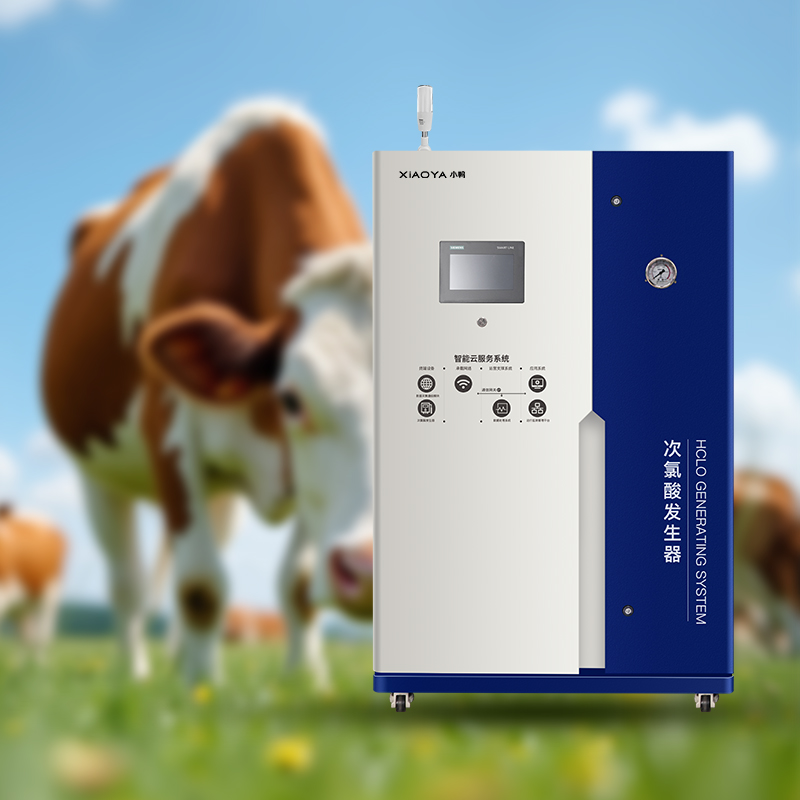
The weak point on most horse farms is not whether disinfection happens at all. It is whether the same hygiene logic can hold across very different surfaces, routines, and risk levels. A wash bay floor, a foaling stall wall, a grooming tool rack, and a visitor boot mat do not carry the same contamination pressure, and they do not tolerate the same chemistry or application method. That is why a Hypochlorous Acid Full-Scenario Disinfection System for Horse Farms is easier to justify in practice than a single-purpose sanitizer program. The value is not in treating every zone identically. It is in giving the farm one disinfection approach that can be adjusted to daily traffic, organic load, contact frequency, and equipment handling without turning the site into a chemical management problem.
On horse properties, biosecurity failures are often operational rather than theoretical. Staff move between barns. Shared lead ropes and pitchforks drift from one area to another. Farrier and veterinary access cannot always be delayed until a perfect cleaning window appears. If a disinfectant works only on paper but is too harsh, too odorous, too complicated to mix, or too inconsistent in output, compliance drops. A full-scenario HOCl setup makes more sense when the goal is repeatable use under pressure, not occasional deep sanitation.
Stable interiors need a different standard than open yard areas
Inside the barn, contact surfaces matter more than broad-area spraying alone. Stall partitions, door latches, feed scoop handles, cross-tie points, and wash stall rails are touched frequently by both horses and people. In these areas, the attraction of hypochlorous acid is its fit with frequent-use disinfection programs where residue, irritation risk, and handling burden need to stay controlled. That does not remove the need for cleaning first. Manure, bedding dust, and dried organic matter still interfere with any disinfectant program. But once physical cleaning is built into the routine, HOCl is often better suited to repeated use on high-touch infrastructure than harsher chemistries that staff begin to avoid after a few weeks.
Outdoor yards are different. Wind drift, sunlight exposure, uneven drainage, and heavy soil contamination reduce the value of broad, indiscriminate spraying. Farms sometimes over-disinfect these areas while under-managing stall fronts and shared handling points. In practical terms, open exercise or turnout surfaces usually benefit more from manure management, drainage control, and traffic separation than from constant chemical application. A full-scenario system is useful here only when it helps teams target the right zones: entry paths, loading ramps, isolation pen gates, and wash-down areas where contamination is repeatedly introduced and carried forward.
Water-adjacent zones are a separate biosecurity category
Horse farms often underestimate the hygiene complexity around water. Buckets, automatic drinker surrounds, wash bays, hydrotherapy areas, and drainage channels sit at the intersection of moisture, organic residue, and repeated animal contact. These are not just “another surface to spray.” They are zones where bacterial pressure can persist if water management and disinfection are disconnected. A system built around on-site generation is often easier to integrate because output can be matched to routine wash-down cycles rather than relying on transported chemicals that staff may reserve for occasional use.
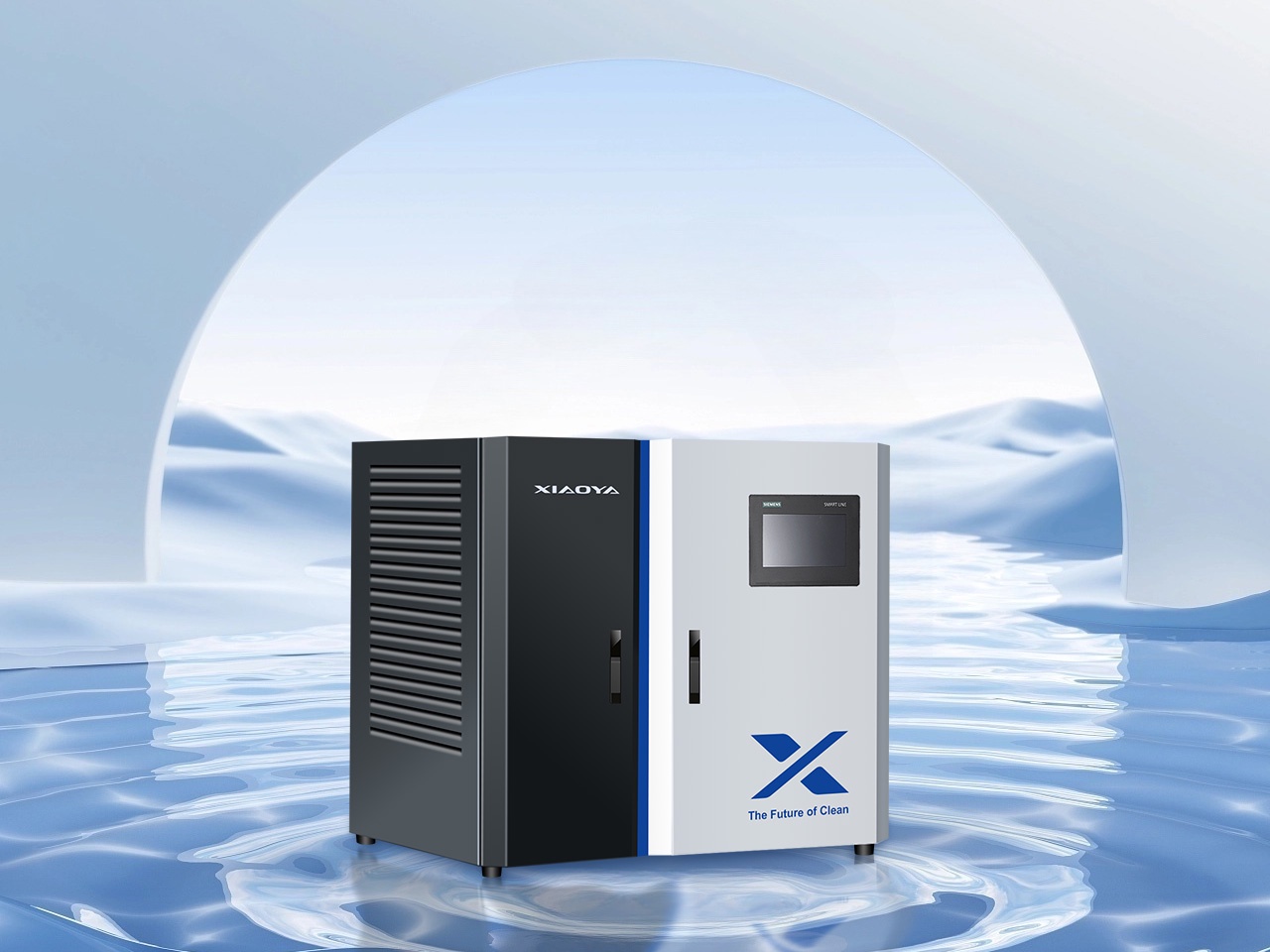
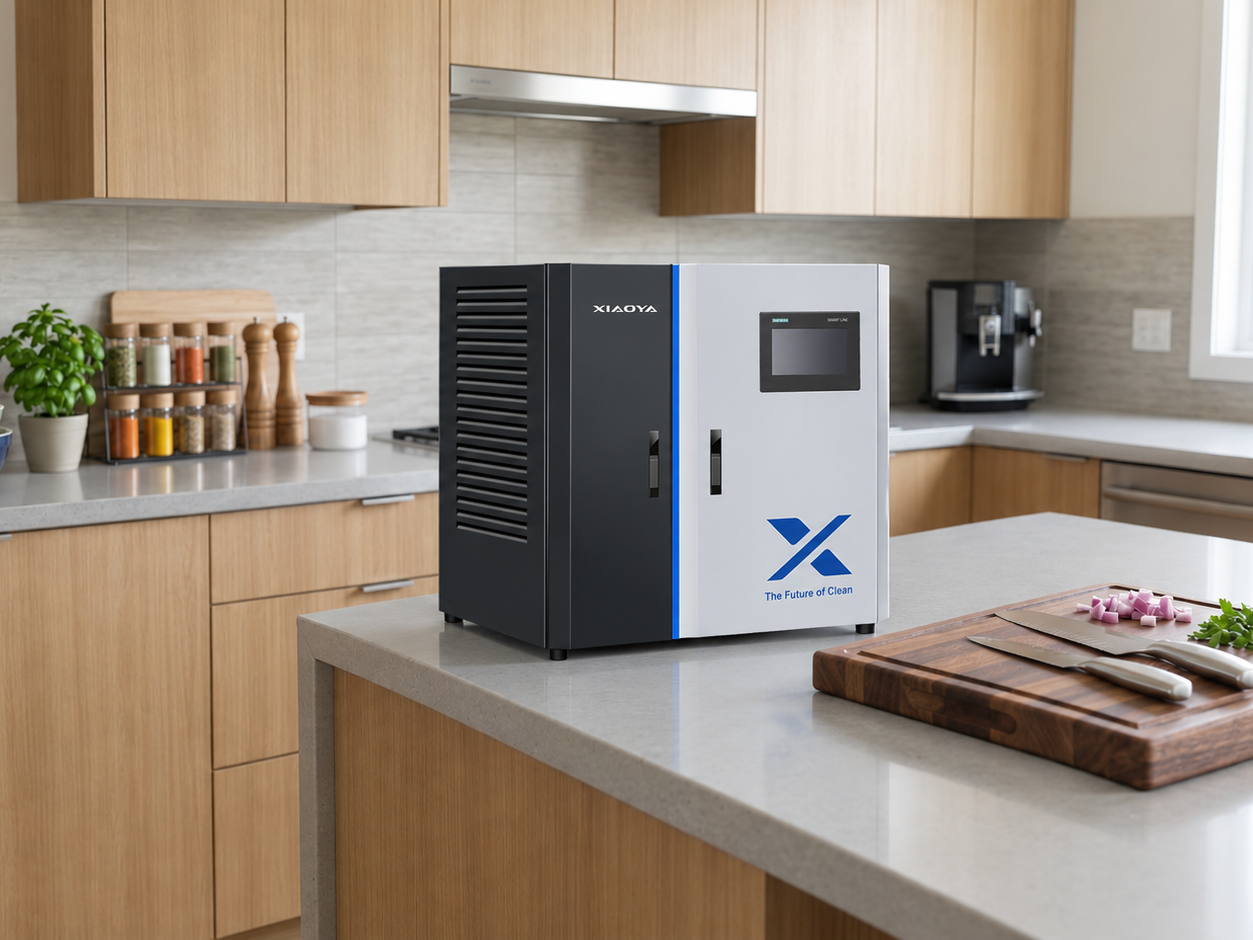
This is one reason some operators look at equipment platforms developed for broader sanitation environments such as food factories, swimming pools, aquaculture, and water-treatment support. An on-site generation unit like Sodium hypochlorite generator is not horse-farm specific by origin, but the logic carries over well where farms need stable disinfectant preparation, compact installation, and low daily handling complexity. In the provided specifications, the system uses food-grade salt and tap water, runs with PLC control, and works within a pH range of 5 to 6.5, which aligns with the kind of controlled production many automated facilities prefer when they want fewer manual mixing steps.
Isolation barns and foaling areas demand more discipline, not just more chemical
The highest-risk spaces on a horse farm are usually the ones where people become least consistent because the workload is already heavy. Isolation stalls, veterinary treatment rooms, and foaling areas need clearer boundaries between cleaning, disinfection, drying time, and re-entry. A common mistake is raising concentration or spraying frequency without fixing workflow. That can create a false sense of control while boots, carts, thermometers, and buckets continue to move across boundaries.
For those zones, the better question is not “What is the strongest product?” but “Can the farm maintain a repeatable disinfection sequence under real staffing conditions?” A Hypochlorous Acid Full-Scenario Disinfection System for Horse Farms is strongest when tied to zoned protocols: dedicated tools, scheduled contact times, clean-to-dirty movement rules, and a way to replenish disinfectant reliably on site. Automated generation matters here because emergency or high-turnover situations expose the weakness of programs that depend on irregular dilution accuracy.
Why automation changes the economics
Horse-farm managers usually focus first on efficacy, but the longer-term decision is often operational cost and control burden. Transported disinfectants bring procurement, storage, shelf-life, and staff training issues that become more noticeable as the site expands or formalizes its biosecurity procedures. On-site generation systems reduce several of those friction points. The supplied product data points to a relatively simple structure, PLC-based control, and the use of inexpensive salt as the main consumable. Those details matter less as sales claims and more as indicators of whether a farm can keep output stable without turning sanitation into a specialist task.
That does not mean every farm needs a large automated setup. Smaller barns with low traffic and straightforward workflows may not use enough disinfectant volume to justify dedicated generation equipment. But once a property has multiple barns, regular external visitors, intensive boarding turnover, or a need to separate training, breeding, and recovery areas, the argument changes. At that point, disinfection is no longer a janitorial add-on. It becomes part of site operations.
What to check before choosing a system
A few practical checks are usually more useful than comparing marketing language:
- Whether the farm’s main risk comes from animal movement, human traffic, shared tools, or water-adjacent hygiene failures.
- Whether staff can realistically follow pre-cleaning requirements before disinfection is applied.
- Whether the site has a stable installation point for generation equipment, power supply, and routine maintenance access.
- Whether output and dosing fit actual consumption patterns instead of a theoretical maximum.
- Whether the farm needs a safer chemical-management model because of storage restrictions or internal handling concerns.
In that context, specification details such as 220V~/50Hz power, compact dimensions, dosing capability, and electrolyzer service life are not trivial technical footnotes. They help determine whether a system can sit comfortably inside an existing utility room or service area and keep pace with routine barn operations. For farms that are scaling up, those practical installation and maintenance details often matter as much as the disinfectant chemistry itself.
The farms that get the best results from a full-scenario HOCl program are usually not the ones chasing the most aggressive disinfectant image. They are the ones that match the chemistry to the workflow, reserve heavy intervention for the right zones, and use automation to remove guesswork. If a horse property is already struggling with cross-area traffic, inconsistent dilution, or rising sanitation labor, that is usually the point where a more structured on-site solution deserves a serious look.
NEWS
 What Output Capacity Does a Public HClO Generator Need for Large Venues?
 Selecting a Public Hypochlorous Acid Generator for Schools and Transit Hubs
- How Public Hypochlorous Acid Generators Support Safer Facility Disinfection
 Next-Generation Hypochlorous Acid System Solution for Sterile Self-Service Laundromats Officially Released
- Upgrade in Healthy Living: Hypochlorous Acid Generators Become the New Standard for Luxury Villas
Leave us a message

Xiaoya Group was founded in 1979,expert in the electrolyzed water industry.
Get in Touch
*We respect your confidentiality and all information are protected.