news
Start with the clinic’s actual disinfection routine
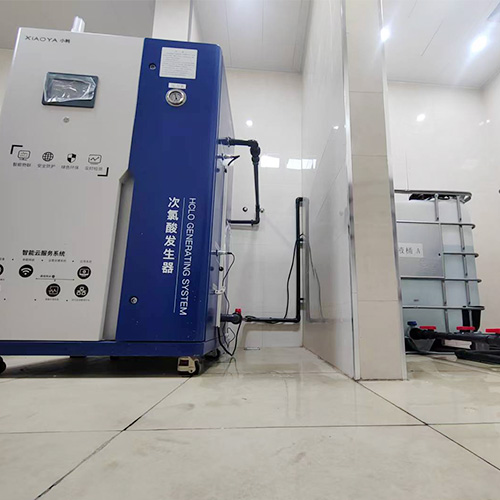
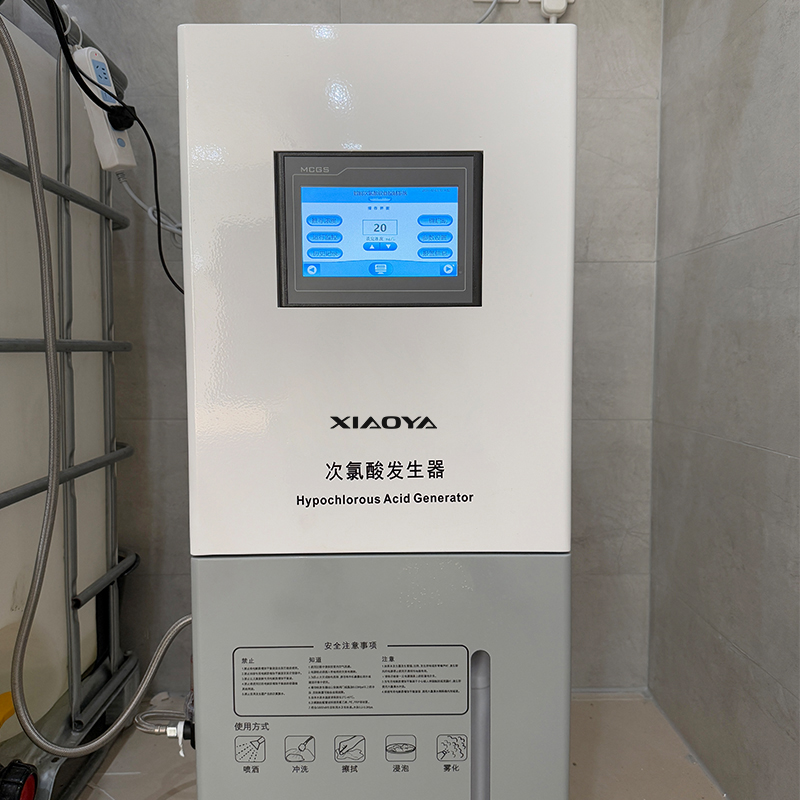
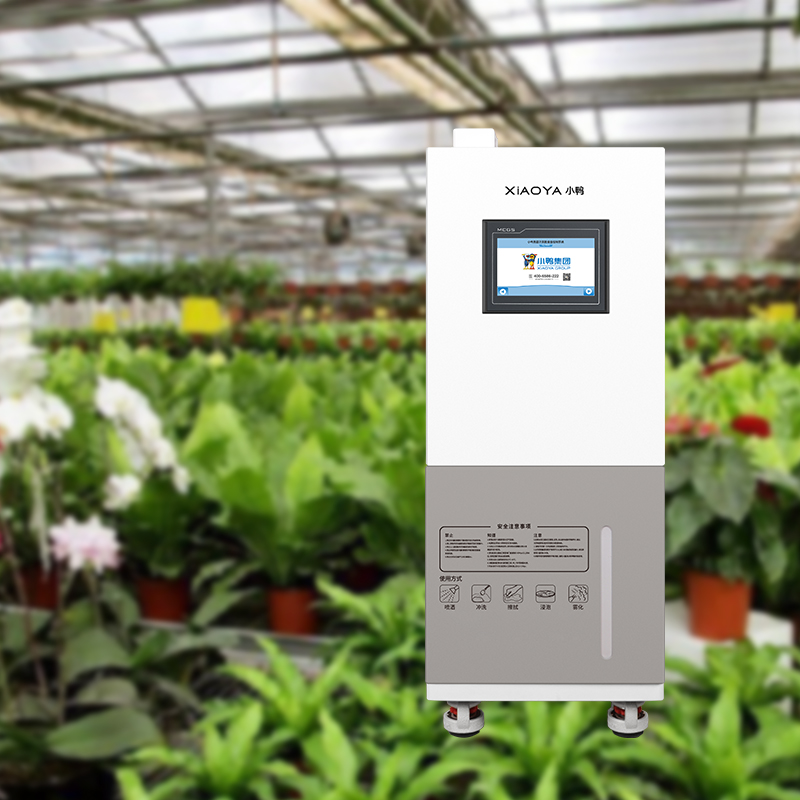
For a small dental clinic, a Dentistry Hypochlorous AcidGenerator only makes sense when it solves a daily operating problem, not when it simply sounds advanced. Procurement teams usually run into the same pressure points: inconsistent disinfectant supply, limited storage, staff handling too many different chemical products, and the need to keep treatment rooms turning over without cutting corners on hygiene. That is where on-site generation becomes worth a serious look.
Before comparing machines, map out where the generated solution would actually be used. Surface disinfection, equipment-area cleaning, and routine environmental hygiene are different from instrument reprocessing workflows. If the clinic expects one system to cover everything, that is often where confusion starts. A better buying question is simpler: which tasks can be handled safely and consistently by generated hypochlorous acid, and which tasks still need separate products or procedures?
Check whether the clinic is big enough to benefit, but small enough to need compact generation
Small clinics usually do not need industrial output. They need predictable output. If the daily disinfectant demand is low and stable, buying a large-capacity unit often creates more waste than convenience. On the other hand, clinics that go through packaged disinfectants quickly may benefit from generating fresh solution on site, especially when purchasing, storing, and rotating consumables has become a recurring headache.
A practical checkpoint is this: look at one normal week, not your busiest day. Count chairs, patient flow, room turnover frequency, and how many areas require routine wipe-downs. If usage is light but frequent, a compact generator may fit well. If usage is highly irregular, the team should pay close attention to start-up, shutdown, and maintenance habits, because idle equipment is where operating discipline tends to slip.
Do not buy on disinfection claims alone
This is one of the more common mistakes. Buyers hear “hypochlorous acid” and assume the result is automatically suitable for every clinical sanitation task. It is not that simple. What matters is the generated solution the system is designed to produce, how stable that output is in routine use, and whether the clinic can operate the unit in a way that keeps the solution within the intended application range.
Ask for documentation that describes the intended use scenario, operating method, and routine control points. The useful question is not “Does it disinfect?” but “Under what operating conditions does this system produce the solution needed for our target task?” If the supplier cannot explain the process clearly, procurement should slow down.
Look hard at footprint, utilities, and workflow fit
Small dental clinics rarely have spare technical space. A generator that works on paper but crowds the sterilization area, blocks storage, or adds awkward refill steps will quickly become staff-resistant. Measure the installation area, but also check water access, drainage needs, ventilation expectations, and how operators will move around it during a busy day.
- Can it sit near the point of use without interfering with instrument flow?
- Does daily operation require repeated manual handling?
- Can the clinic store any required input materials safely and neatly?
- Will cleaning staff and clinical staff both understand who is responsible for it?
If ownership is vague, the system becomes everybody’s tool and nobody’s job.
Evaluate the generation method, not just the cabinet around it
For procurement teams comparing suppliers, the core electrolysis design matters because it affects consistency, maintenance logic, and how adaptable the system is to real operating needs. In some healthcare and disinfection appliance applications, membrane-based electrolysis is used to separate the anode and cathode into distinct chambers, which helps structure the generation process more clearly. That is part of why technologies related to a Diaphragm Electrolyzer are relevant in chlorine-based disinfectant production and water treatment settings.
For a small clinic buyer, the takeaway is practical rather than technical: ask whether the system uses a modular, integrated design that matches your scale, and whether the supplier can explain how configuration changes with application needs. Flexibility is useful. Unnecessary complexity is not.
Compare operating cost the right way
The cheapest purchase price can become the more expensive decision after six months. A Dentistry Hypochlorous AcidGenerator should be assessed against the clinic’s current spending pattern, including purchased disinfectant inventory, delivery frequency, storage management, expired stock risk, and staff time spent on handling. Then add the new system’s electricity use, water requirements, consumables if any, maintenance parts, and routine checks.
Keep the cost review grounded in actual clinic behavior. If the staff already manage purchased products well and usage is modest, savings may be limited. If the clinic regularly over-orders to avoid stockouts, on-site generation can improve control even when the direct unit cost comparison is not dramatic.
Make training part of the purchase decision
Small clinics do not usually have a dedicated equipment engineer on site. That changes what “easy to operate” really means. A system is only practical if front-line staff can run it correctly during a normal workday, after basic training, without relying on one unusually capable employee.
Ask the supplier to show the daily routine from startup to shutdown, including cleaning, routine inspection, and what staff should do when output is interrupted. Procurement should also check whether operating instructions match the clinic’s language, staffing level, and turnover reality. A compact machine with unclear procedures is not a small-clinic solution.
Review serviceability before you review sales promises
This matters more than many buyers expect. If the unit stops, how quickly can the clinic recover? What parts are considered routine replacements? Which maintenance tasks can staff do, and which require service support? For electrolysis-based equipment, integrated and modular designs can be useful because they may simplify configuration and upkeep, but procurement still needs a plain answer on service response and replacement planning.
If the supplier’s background includes healthcare and disinfection appliances alongside broader appliance manufacturing and in-house R&D and production, that can be relevant from a support perspective. Still, do not treat broad manufacturing scope as proof of clinical fit. The right question is whether they can support this specific application in a small dental environment.
Know when the fit is good, and when it is not
A small clinic is usually a good candidate when disinfectant use is steady, storage is tight, staff can follow a simple routine, and the clinic wants more control over day-to-day hygiene supply. It is a weaker fit when usage is very low, workflow ownership is unclear, or the team expects the equipment to replace every existing sanitation product without changing procedures.
If you are narrowing options, do it in this order: confirm the clinic’s actual use cases, verify the installation and operating workflow, review how the generation method supports those uses, then calculate operating cost and service burden. That order prevents a common procurement mistake: choosing a Dentistry Hypochlorous AcidGenerator because the technology sounds right before checking whether the clinic can live with it every day.
NEWS
 Next-Generation Hypochlorous Acid System Solution for Sterile Self-Service Laundromats Officially Released
- Upgrade in Healthy Living: Hypochlorous Acid Generators Become the New Standard for Luxury Villas
- The Ultimate Solution to Pet Shop Disinfection Challenges! XIAOYA Hypochlorous Acid Generator: Safe Pet Protection with Peace of Mind
 Hypochlorous Acid Generator vs Sodium Hypochlorite Generator
- Hypochlorous Acid Generator Supplier
Leave us a message

Xiaoya Group was founded in 1979,expert in the electrolyzed water industry.
Get in Touch
*We respect your confidentiality and all information are protected.