news
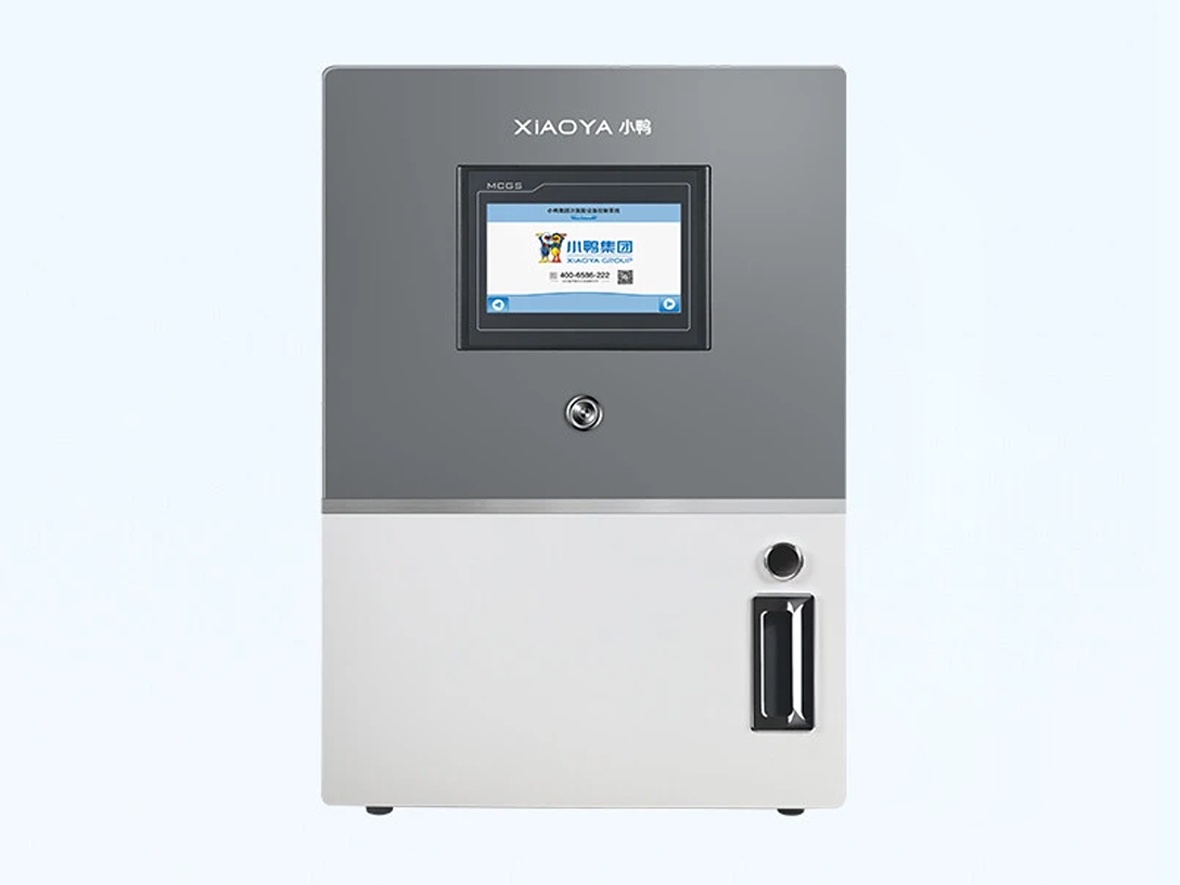
Why hclo disinfection fits fast packaging lines
Keeping packaging lines clean without slowing output is a constant challenge in automated equipment environments. hclo disinfection gives a practical way to improve hygiene on contact points while supporting continuous production.
When applied correctly, it helps reduce contamination risk, protect product quality, and keep throughput stable across kitchen and bathroom appliance, health care, disinfection, clean energy, and small appliance production.
The key is not spraying everything at random. Good results come from timing, dosage, line mapping, and clear operator routines.
Start with the points that affect output most
On most packaging lines, only a few areas truly need frequent hclo disinfection. Focus first on touch panels, guide rails, transfer belts, grippers, sealing zones, and product-contact covers.
This prevents over-application. It also lowers the chance of moisture reaching sensors, motors, labels, or cartons.
- Map every contact surface by risk and cleaning frequency. Treat high-touch controls and product-adjacent parts first, then add low-risk frames only if contamination data supports it.
- Use fine mist or wipe application on narrow zones. This keeps hclo disinfection targeted and avoids wetting chains, bearings, electrical boxes, and barcode reading windows.
- Build the routine around micro-pauses already in production. Apply during reel change, carton replenishment, or shift handover instead of creating extra downtime.
- Confirm compatibility before rollout. Test hclo disinfection on seals, coated metals, plastics, and printed film so surface damage does not appear weeks later.
- Set one operator standard for dilution, contact time, and drying check. Inconsistent application causes uneven hygiene results and unnecessary production interruptions.
A simple rule for line speed
If the line must stop, the step is probably too broad. hclo disinfection works best when it is limited to small, defined areas between normal line actions.
Choose an application method that matches the equipment
Not every packaging line should use the same method. Conveyor-fed appliance packaging, medical-related assembly packaging, and compact small appliance lines all behave differently.
For dry, high-speed sections, controlled wiping is often safer than open spraying. For enclosed transfer modules, low-volume misting may be more efficient when properly shielded.
One common mistake is treating all visible surfaces equally. In practice, hclo disinfection should follow contamination pathways, not visual convenience.
Keep supply stable and concentration consistent
A clean routine fails quickly if disinfectant quality varies. On automated equipment lines, stable concentration matters as much as the application method.
For facilities producing chlorine-based disinfectants on site, system design affects consistency. An integrated setup such as Diaphragm Electrolyzer can support controlled electrolysis of sodium chloride, with modular configuration and chamber separation that helps process stability.
That matters when hclo disinfection is part of a broader hygiene program covering appliance assembly, health-related products, and water treatment support areas.
- Check concentration at fixed intervals, not only at batch start. A drifting solution weakens hclo disinfection performance and creates false confidence on busy shifts.
- Store and transfer solution in clean, closed containers. Heat, light, and long idle time can reduce effectiveness before the disinfectant reaches the packaging line.
- Label spray bottles, wipes, and line stations clearly. Mixing tools between maintenance chemicals and hclo disinfection causes avoidable process and safety issues.
Where operators often lose time
The delay usually comes from searching for tools, waiting for surfaces to dry, or re-cleaning after over-spraying. Standard placement and measured dosing solve most of that.
Adjust the routine by production scenario
In kitchen and bathroom appliance packaging, dust, fingerprints, and carton contact are common. Here, hclo disinfection should focus on operator touchpoints and final transfer sections, not every machine frame.
In health care and disinfection appliance environments, the standard is usually tighter. Shorter cleaning intervals may be needed, but they still work best when linked to natural pauses and verified contact time.
For small household appliance lines, frequent product changeovers can increase cross-contact risk. Use hclo disinfection between SKUs on shared guides, clamps, and temporary holding fixtures.
If disinfectant is generated on site for multiple industrial uses, flexible electrolysis equipment with membrane options and recirculating design can help match different process demands. That is one reason some facilities evaluate a Diaphragm Electrolyzer when planning scalable hygiene support systems.
Do not ignore these small but costly risks
Most interruptions are caused by details, not the disinfectant itself. hclo disinfection becomes disruptive when it reaches the wrong place or is used without a repeatable sequence.
- Never apply onto moving belts unless the method was validated. Splashing can spread solution to sensors, labels, open cartons, or lubrication points.
- Do not skip drying verification on glossy plastics or stainless covers. Residual droplets may mark finished products or affect downstream packaging appearance.
- Review maintenance feedback weekly. If corrosion, stiffness, or fogging appears, refine the hclo disinfection zone instead of increasing cleaning frequency.
- Train the same sequence every shift. Reliable hygiene on automated equipment depends more on repeatable execution than on aggressive application volume.
Make the next shift easier, not harder
The best hclo disinfection routine is the one that fits real production rhythm. Keep it targeted, measurable, and easy to repeat under normal line pressure.
Start with one packaging cell, document the exact surfaces, contact time, and drying result, then expand only after confirming no effect on speed, sensors, or packaging quality.
That approach gives cleaner lines, steadier output, and a practical path to stronger hygiene control without interrupting production.
NEWS
 Upgrade in Healthy Living: Hypochlorous Acid Generators Become the New Standard for Luxury Villas
- The Ultimate Solution to Pet Shop Disinfection Challenges! XIAOYA Hypochlorous Acid Generator: Safe Pet Protection with Peace of Mind
 Hypochlorous Acid Generator vs Sodium Hypochlorite Generator
- Hypochlorous Acid Generator Supplier
- Hypochlorous Acid Generator Manufacturer
Leave us a message

Xiaoya Group was founded in 1979,expert in the electrolyzed water industry.
Get in Touch
*We respect your confidentiality and all information are protected.